 flip
flipWedang jahe
Wedang jahe
Why this dish? Wedang jahe (hot ginger drink) was the comforting beverage of Javanese evenings, served in all priyayi households. Kartini, who stayed up late writing her long letters to her Dutch correspondents — Stella Zeehandelaar, Rosa Abendanon — certainly drank this wedang to warm herself and stay awake during her writing nights, when the house slept and she, alone, thought of the future of the women of her country.
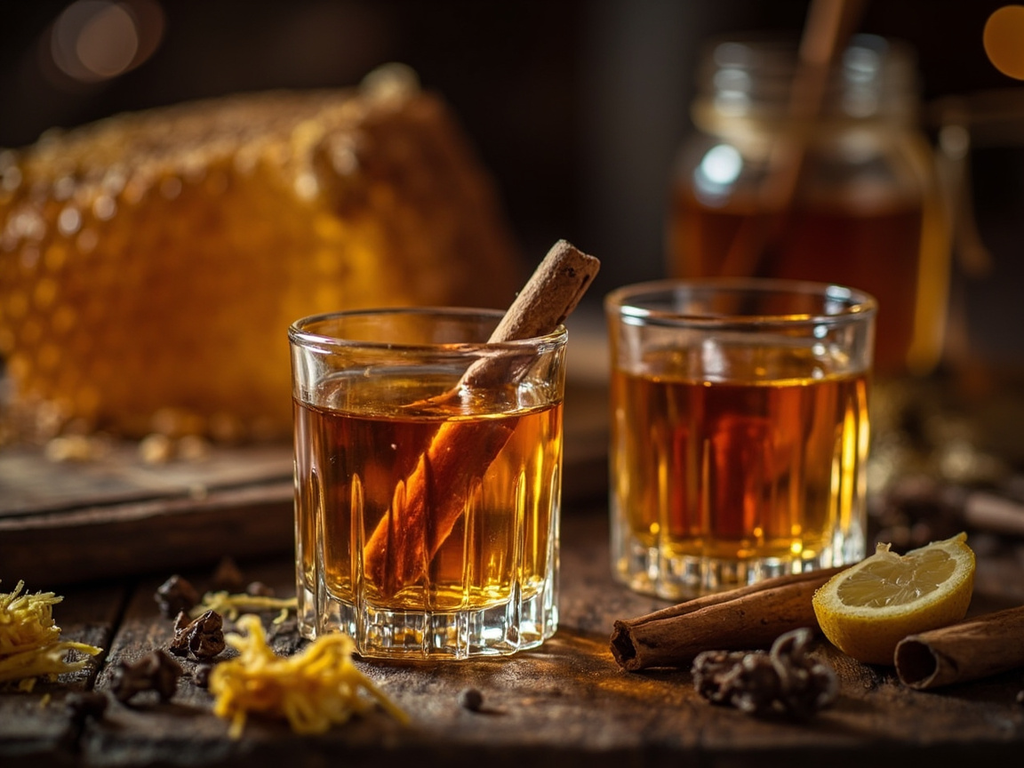
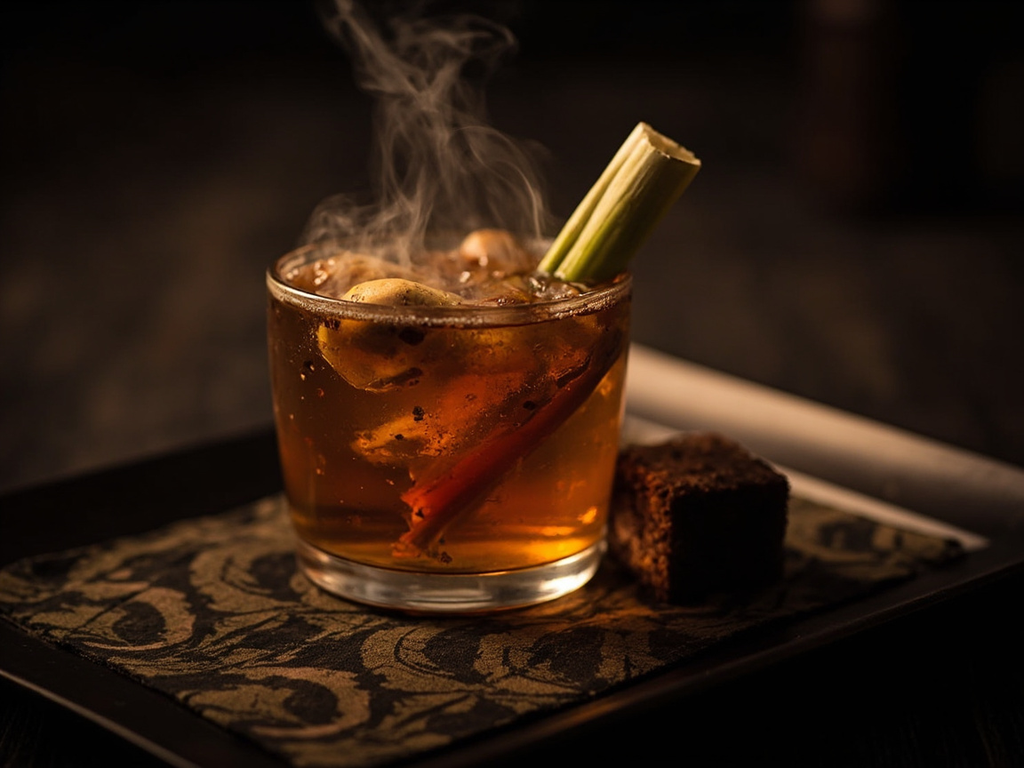
A scalding decoction of fresh crushed ginger, sweetened with palm sugar and perfumed with lemongrass. Simple, powerful, warming — this drink is the companion of vigils, cool nights in the Javanese mountains, and conversations among friends.
It is in the silence of the night, when my sisters and the household sleep, that I take up my pen to write to my friends so far away, in the Netherlands. Beside my lamp, a glass of wedang jahe gently steams. The ginger burns my throat with tenderness, and the palm sugar adds a caress. This drink is my ally of the vigils — it keeps the mind sharp when the body would yield to sleep. I believe that thought, like ginger, needs fire to give its full fragrance.
- •Fresh ginger (jahe) — one large piece, crushed (base)
- •Palm sugar (gula Jawa) — a generous piece (sweetener)
- •Lemongrass (serai) — one stalk, crushed (aromatic)
- •Pandan leaves — one or two leaves, tied (fragrance)
- •Water — according to number of glasses (liquid)
Wedang jahe
A scalding decoction of fresh crushed ginger, sweetened with palm sugar and perfumed with lemongrass. Simple, powerful, warming — this drink is the companion of vigils, cool nights in the Javanese mountains, and conversations among friends.
Why this dish? Wedang jahe (hot ginger drink) was the comforting beverage of Javanese evenings, served in all priyayi households. Kartini, who stayed up late writing her long letters to her Dutch correspondents — Stella Zeehandelaar, Rosa Abendanon — certainly drank this wedang to warm herself and stay awake during her writing nights, when the house slept and she, alone, thought of the future of the women of her country.
It is in the silence of the night, when my sisters and the household sleep, that I take up my pen to write to my friends so far away, in the Netherlands. Beside my lamp, a glass of wedang jahe gently steams. The ginger burns my throat with tenderness, and the palm sugar adds a caress. This drink is my ally of the vigils — it keeps the mind sharp when the body would yield to sleep. I believe that thought, like ginger, needs fire to give its full fragrance.
Ingredients (period version)
- Fresh ginger (jahe) — one large piece, crushed (base)
- Palm sugar (gula Jawa) — a generous piece (sweetener)
- Lemongrass (serai) — one stalk, crushed (aromatic)
- Pandan leaves — one or two leaves, tied (fragrance)
- Water — according to number of glasses (liquid)
Ingredients
- Fresh ginger — 80 g (about 8 cm), peeled and crushed (base)
- Palm sugar or dark brown sugar — 60 g (sweetener)
- Lemongrass — 1 stalk, crushed (aromatic)
- Pandan leaves (optional) — 2 leaves, tied (fragrance)
- Water — 750 ml (liquid)
Method
- Peel the ginger and roughly crush it with the flat of a knife or a pestle, to release its juice without reducing it to a puree.
- Crush the lemongrass stalk in the same way. If using pandan leaves, tie them into a knot.
- In a pot, bring the water to a boil. Add the crushed ginger, lemongrass, and pandan leaves.
- Simmer over low heat for 15 to 20 minutes. The longer the decoction, the more intense and spicy the flavor.
- Add the grated palm sugar or brown sugar. Stir until fully dissolved. Taste: the wedang should be distinctly hot on the palate (ginger spiciness), softened by the sugar.
- Strain into glasses or cups. Serve very hot.
How it was made : Wedang jahe is one of the oldest beverages of the archipelago, predating the arrival of tea and coffee. Javanese ginger (jahe emprit, small and very pungent) was pounded in a cobek. Local palm sugar, from coconut or arenga palm, was sold in small cylinders at markets. In aristocratic families, wedang was served in blown glass glasses imported from the Netherlands, a sign of the meeting between colonial and Javanese cultures.
The contemporary twist : You can add a slice of lime and a cinnamon stick for a contemporary "Javanese chai" version, or serve it over crushed ice as a cool version (es jahe) in hot weather.
Sources : Sri Owen, Indonesian Regional Food and Cookery, 1994 · William Wongso, Flavors of Indonesia, 2016
Raden Ajeng Kartini · Charactorium