 flip
flipVakalolo ni dalo
Vakalolo ni dalo
Why this dish? *Vakalolo* was prepared for great ceremonies and offerings — weddings, funerals, installations of chiefs. After Cakobau's conversion to Christianity, these taro and coconut sweets accompanied religious celebrations on Bau, replacing earlier ritual offerings.
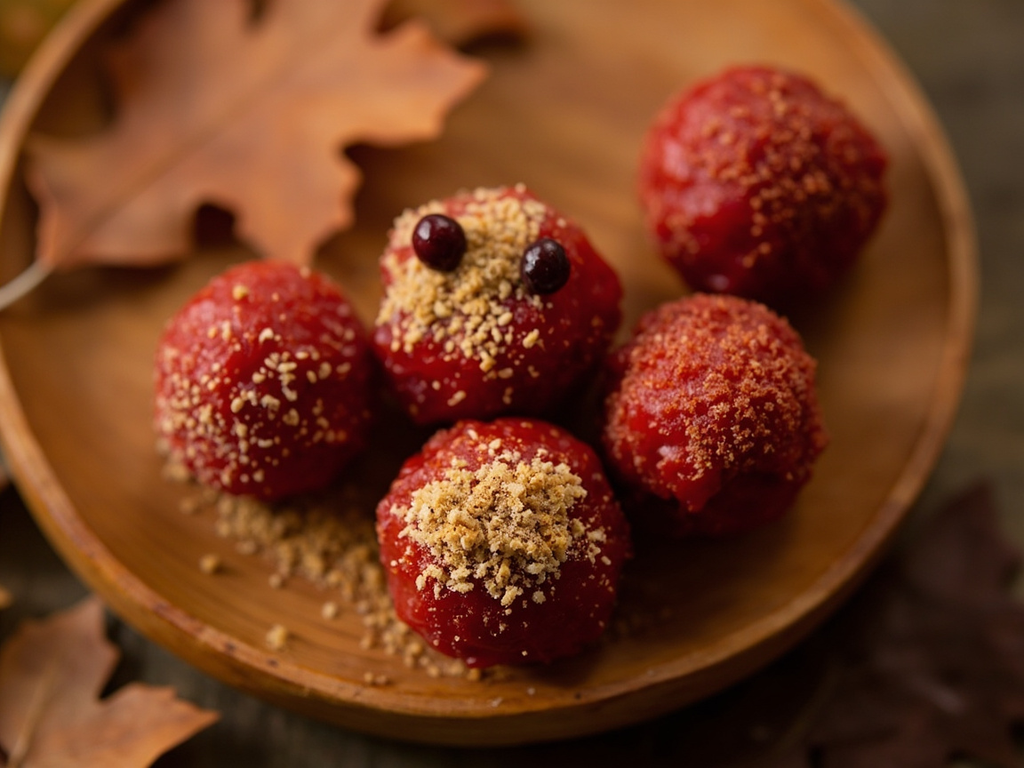
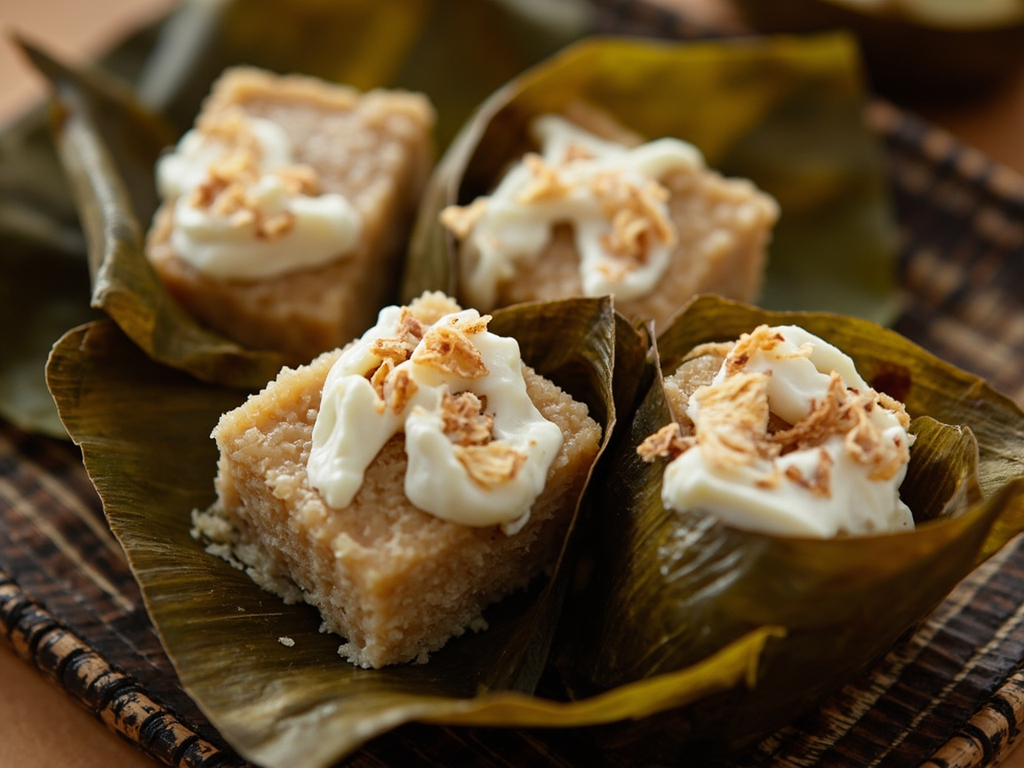
Steamed taro paste wrapped in leaves, drizzled with coconut cream sweetened with sugarcane juice. It is the traditional Fijian sweet, dense and melting, fragrant with fresh coconut.
When the missionaries baptized my warriors, I wanted the celebration to be worthy of Bau. The women pounded the *dalo* until it was smooth as earth after rain, and wrapped it in leaves with the richest *lolo*. The sugar of crushed cane gave it sweetness. This is not a battle dish — it is the food of peace, the one you share when you want to honor your guest and show that the land is generous.
- •Taro (dalo) — Several large tubers (Starchy base)
- •Thick coconut cream (lolo) — Abundantly (Binder and richness)
- •Sugarcane juice — To taste (Natural sweetener)
- •Banana leaves — For wrapping (Cooking and presentation)
Vakalolo ni dalo
Steamed taro paste wrapped in leaves, drizzled with coconut cream sweetened with sugarcane juice. It is the traditional Fijian sweet, dense and melting, fragrant with fresh coconut.
Why this dish? *Vakalolo* was prepared for great ceremonies and offerings — weddings, funerals, installations of chiefs. After Cakobau's conversion to Christianity, these taro and coconut sweets accompanied religious celebrations on Bau, replacing earlier ritual offerings.
When the missionaries baptized my warriors, I wanted the celebration to be worthy of Bau. The women pounded the *dalo* until it was smooth as earth after rain, and wrapped it in leaves with the richest *lolo*. The sugar of crushed cane gave it sweetness. This is not a battle dish — it is the food of peace, the one you share when you want to honor your guest and show that the land is generous.
Ingredients (period version)
- Taro (dalo) — Several large tubers (Starchy base)
- Thick coconut cream (lolo) — Abundantly (Binder and richness)
- Sugarcane juice — To taste (Natural sweetener)
- Banana leaves — For wrapping (Cooking and presentation)
Ingredients
- Taro — 500 g (Starchy base)
- Thick coconut cream — 300 ml (Binder and richness)
- Whole cane sugar (rapadura or muscovado) — 80 g (Sweetener)
- Banana leaves (or parchment paper) — 4-6 pieces (Cooking wrap)
- Pinch of salt — 1 pinch (Flavor enhancer)
Method
- Peel the taro (caution: wear gloves, raw taro may irritate skin). Cut into pieces and boil for 20-25 minutes until very tender.
- Drain and mash the taro with a pestle or fork until smooth and sticky.
- Gently heat coconut cream with cane sugar in a saucepan, stirring until dissolved. Reserve one-third for sauce.
- Mix two-thirds of the sweetened cream into the taro paste. Add the pinch of salt. Mix well.
- Softened banana leaves over a flame. Place portions of paste in the center of each leaf, fold, and tie.
- Steam for 30 minutes. Serve warm, opening the leaves at the table, drizzled with the remaining sweetened coconut cream.
How it was made : *Vakalolo* is a pan-Fijian preparation with variants using taro, cassava, or breadfruit. The traditional sweetener was pressed sugarcane juice, cane having been cultivated in Fiji well before European contact. Cooking was done in the *lovo* or steamed in baskets of woven leaves.
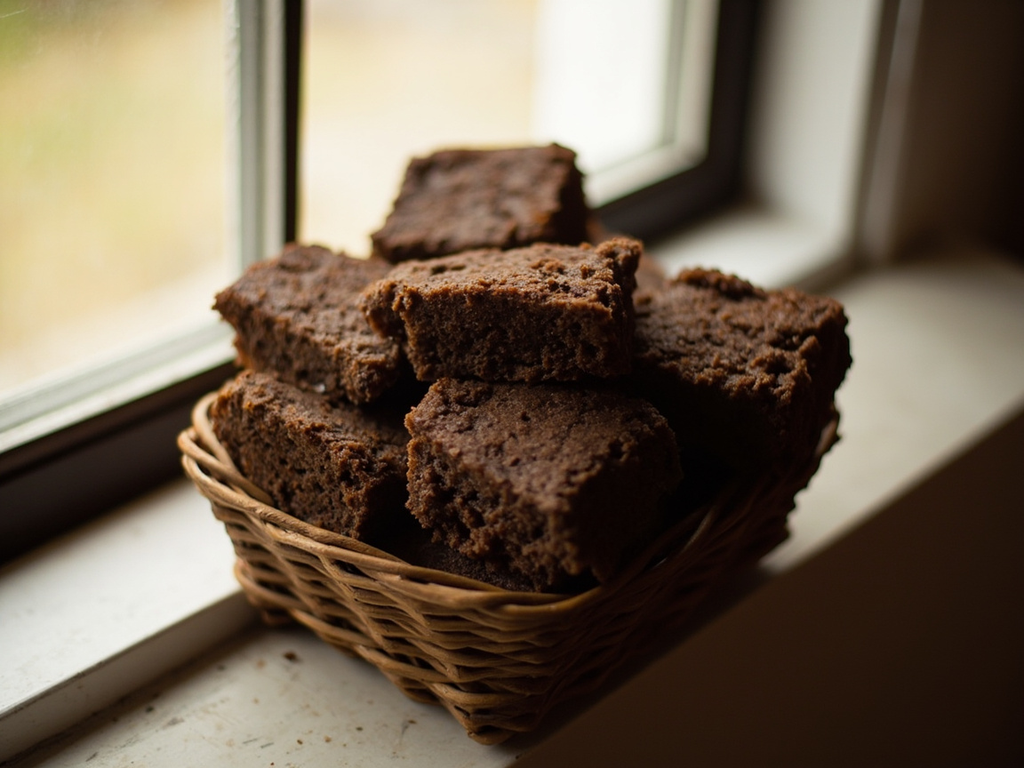
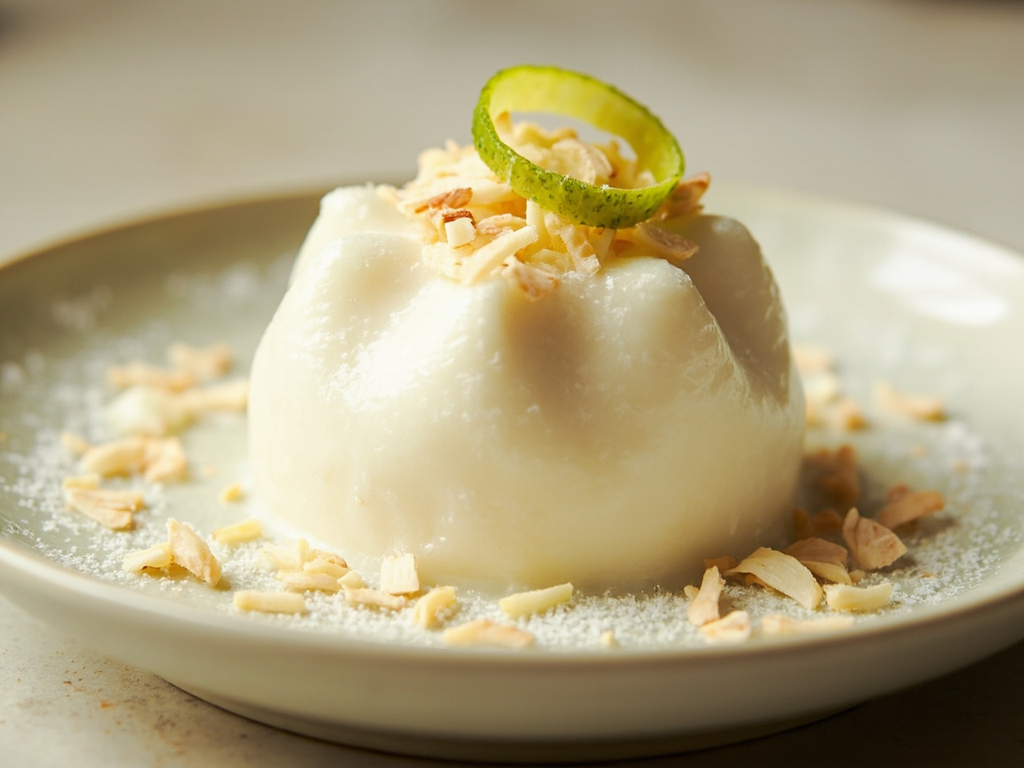
The contemporary twist : Cut the cooled *vakalolo* into regular squares and sprinkle with toasted grated coconut, Polynesian confectionery style to share.
Sources : Pollock, Nancy J., These Roots Remain: Food Habits in Islands of the Central and Eastern Pacific since Western Contact, University of Hawaii Press, 1992
Ratu Seru Cakobau · Charactorium