 flip
flipClaré, the King's Spiced Wine
Claré, the King's Spiced Wine
Why this dish? Richard, Duke of Aquitaine and son of Eleanor, was a man of the southern court and a troubadour: spiced and honeyed wine, served at the end of the meal to 'gladden the heart', was the drink of those lordly tables where songs were sung and verses composed.
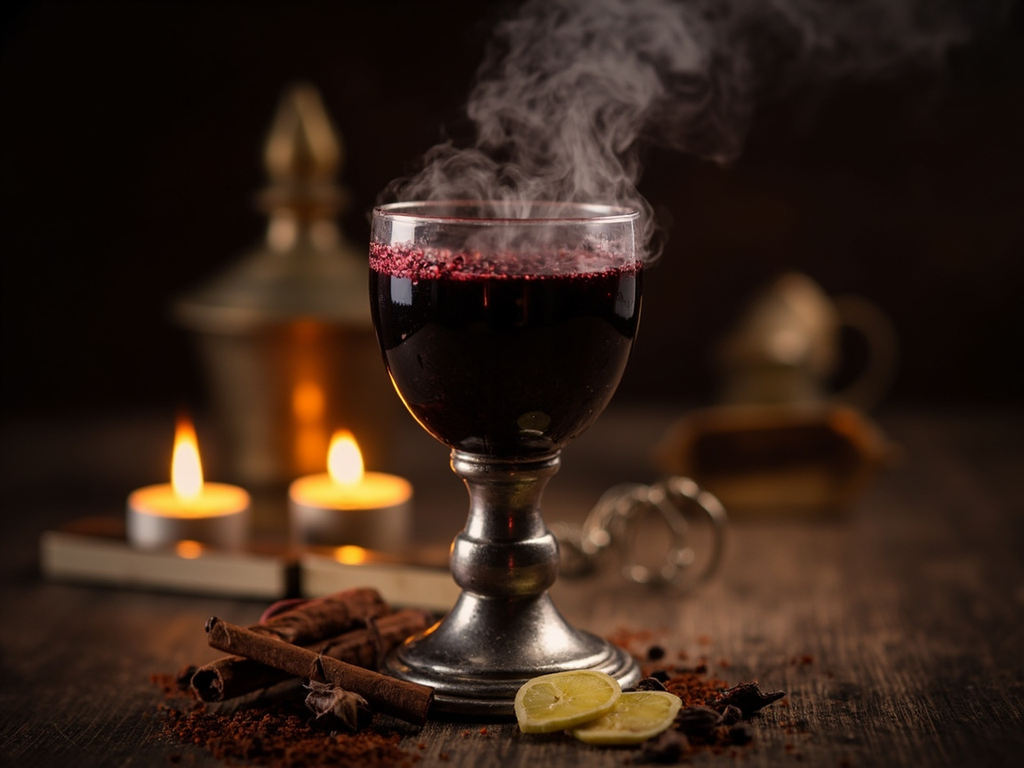
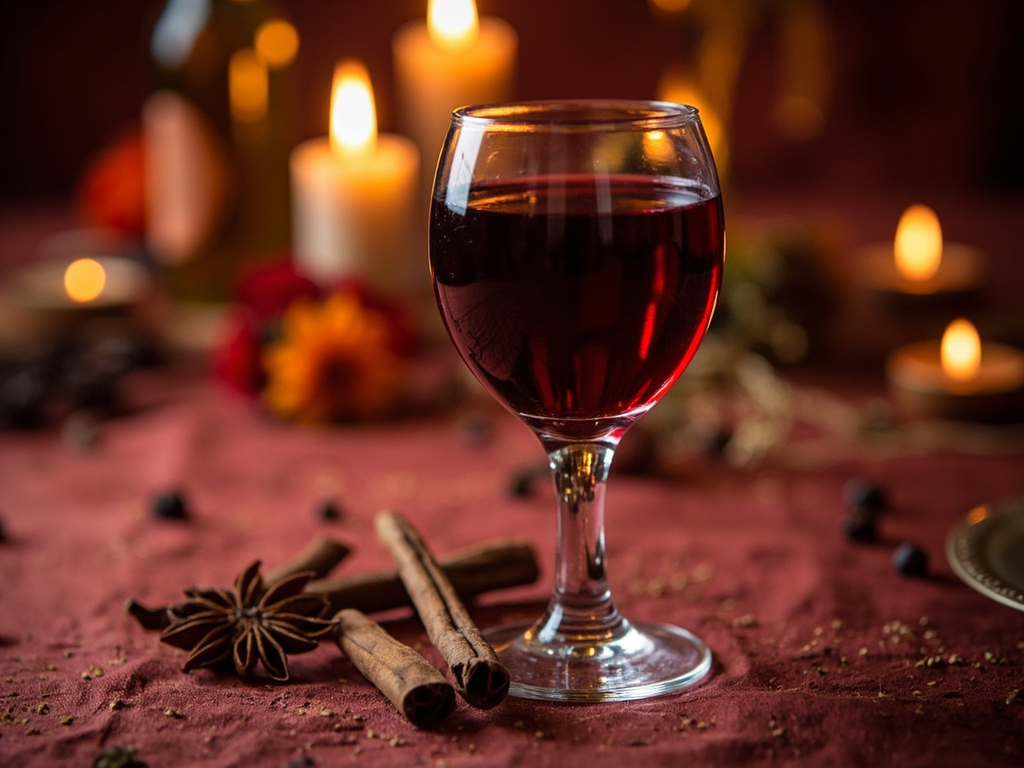
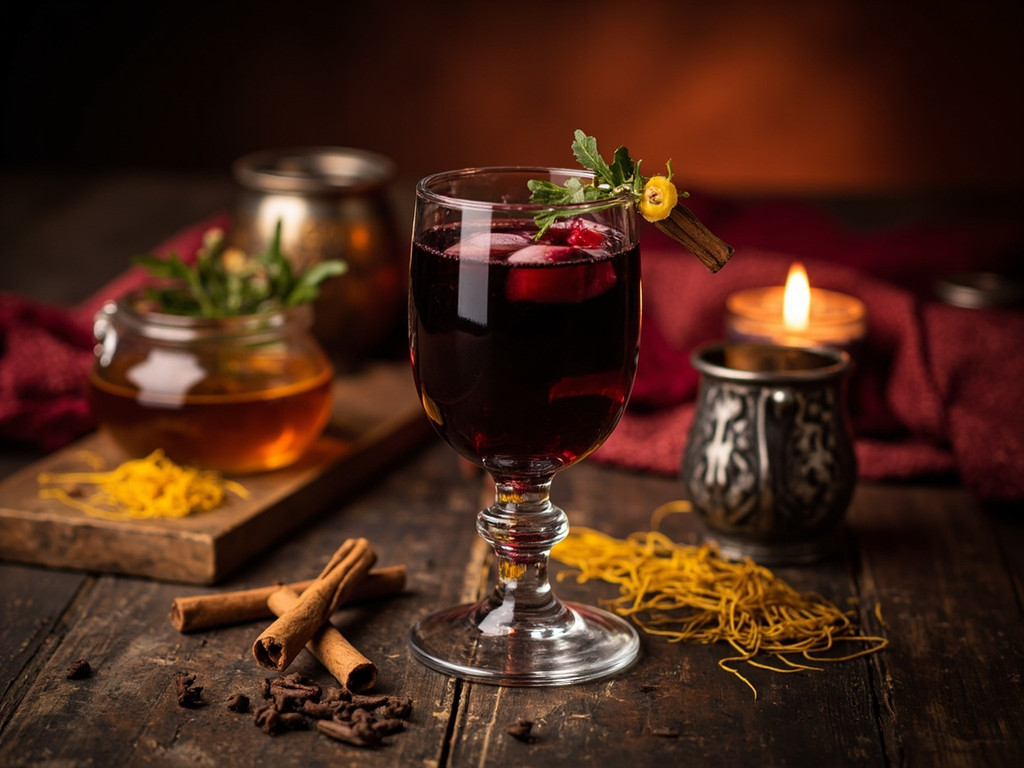
Red wine heated then infused with honey, cinnamon, ginger, and long pepper, strained through cloth (the apothecaries' 'Hippocratic sleeve'). Sweet, fragrant, and warm, it was drunk at the meal's end, both a pleasure and a tonic reputed good for digestion.
I who know how to compose a song as well as wield a sword, I tell you that a meal ends worthily only with claré. We heat the wine from my vines of Aquitaine, melt honey in it, throw in cinnamon, ginger, and that long pepper from the East, then strain it through cloth until clear. Drink it warm, at the end of the meal: it warms the blood, loosens the tongue, and brings forth song. Many a time, prisoner or on campaign, I have dreamed of such a cup.
- •Red wine — a setier (base)
- •Honey — to taste (sweetness)
- •Cinnamon, ginger, long pepper — a handful of spices (fragrance)
- •Cloves — a few (aromatic depth)
Claré, the King's Spiced Wine
Red wine heated then infused with honey, cinnamon, ginger, and long pepper, strained through cloth (the apothecaries' 'Hippocratic sleeve'). Sweet, fragrant, and warm, it was drunk at the meal's end, both a pleasure and a tonic reputed good for digestion.
Why this dish? Richard, Duke of Aquitaine and son of Eleanor, was a man of the southern court and a troubadour: spiced and honeyed wine, served at the end of the meal to 'gladden the heart', was the drink of those lordly tables where songs were sung and verses composed.
I who know how to compose a song as well as wield a sword, I tell you that a meal ends worthily only with claré. We heat the wine from my vines of Aquitaine, melt honey in it, throw in cinnamon, ginger, and that long pepper from the East, then strain it through cloth until clear. Drink it warm, at the end of the meal: it warms the blood, loosens the tongue, and brings forth song. Many a time, prisoner or on campaign, I have dreamed of such a cup.
Ingredients (period version)
- Red wine — a setier (base)
- Honey — to taste (sweetness)
- Cinnamon, ginger, long pepper — a handful of spices (fragrance)
- Cloves — a few (aromatic depth)
Ingredients
- Full-bodied red wine — 75 cl (base)
- Honey — 4 to 6 tbsp (sweetness)
- Cinnamon stick — 1 (fragrance)
- Fresh ginger — 2 or 3 slices (warmth)
- Long pepper (or black peppercorns) — 4 or 5 grains (heat)
- Cloves — 3 (aroma)
Method
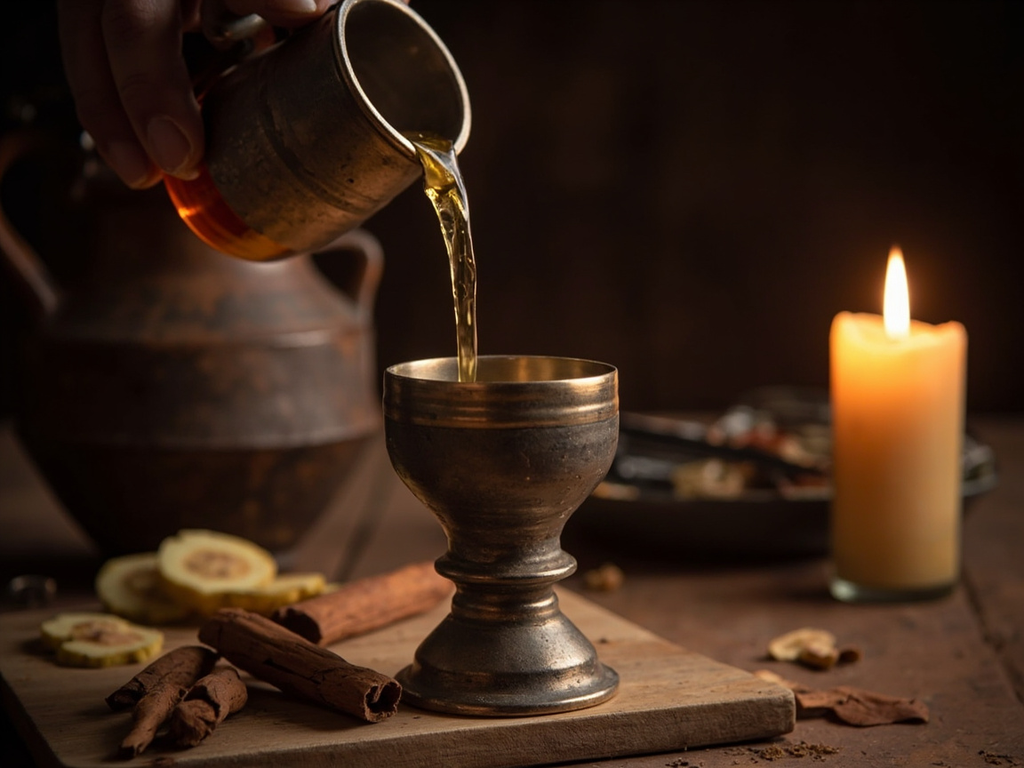
- Gently heat the wine without boiling.
- Dissolve the honey in it, then add cinnamon, ginger, long pepper, and cloves.
- Let infuse for 15 to 20 minutes over very low heat, tasting to adjust honey and spices.
- Strain through fine cloth (or muslin) and serve warm in goblets.
How it was made : Claré (or piment) is the medieval ancestor of hippocras: wine sweetened with honey and loaded with spices, filtered through a conical cloth bag. It was served at the end of the meal, and contemporary medicine attributed digestive and fortifying properties to it. In the late Middle Ages, sugar often replaced honey.
The contemporary twist : Serve it chilled in summer, as a spiced 'medieval sangria', with a strip of bitter orange zest.
Sources : Le Ménagier de Paris (hippocras recipe) · Bruno Laurioux, Manger au Moyen Âge
Richard the Lionheart · Charactorium