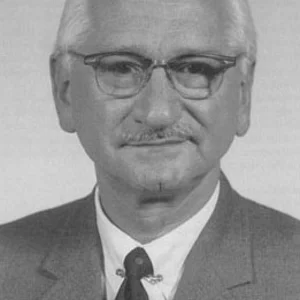
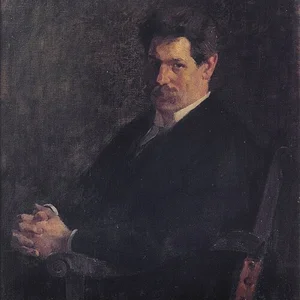
A progressive Dutch woman of the early 20th century, wife of Minister Jacques Abendanon. She was the main correspondent and friend of Raden Adjeng Kartini, the Indonesian pioneer of women's emancipation, whose letters she preserved and passed on.
Rosa Abendanon
Rosa Manuela Abendanon-Mandri
5 min read
Frequently asked questions
Key Facts
- Wife of Jacques Abendanon, Director of Education in the Dutch East Indies (appointed in 1900)
- Kartini's main correspondent from the early 1900s onward
- Their exchanges helped spread Kartini's ideas on the education and emancipation of Indonesian women
- Kartini's letters were published in 1911 under the title “Door duisternis tot licht” (Through Darkness to Light)
Works & Achievements
Rosa carefully kept the correspondence she received from Kartini, thereby saving a unique testimony to the emancipation of Indonesian women.
She entrusted the letters to her husband so they could be gathered and published, playing a key role in the birth of the book.
Her correspondence formed the heart of the collection that revealed Kartini's thinking to the Dutch and then international public.
By treating Kartini as an equal, Rosa encouraged her in her projects to educate girls, indirectly contributing to the rise of the Kartini schools.
Anecdotes
Rosa Abendanon became the confidante of the young Javanese woman Kartini, who poured out her heart to her in long letters written in Dutch. Kartini affectionately called her “little mother” and confided in her her dreams of educating the girls of her country.
When Kartini died suddenly in 1904, at only 25 years old, a few days after giving birth, Rosa and her husband Jacques were devastated. They resolved not to let their friend's voice fade away.
It was largely thanks to Rosa that Kartini's letters were gathered together and entrusted to her husband, then a senior official in education. Seven years after the young woman's death, in 1911, these letters were published under the title *Door Duisternis tot Licht* (“Through Darkness to Light”).
Rosa bore a Spanish surname, Mandri, a mark of her origins: she was not a Dutchwoman like the others in colonial society, which perhaps made her more attentive to the voices that went unheard.
At a time when many of the Dutch in the Indies looked down on the Javanese, Rosa treated Kartini as an equal and a true friend, exchanging ideas with her about the emancipation of women and education.
Primary Sources
A collection of the letters of Raden Adjeng Kartini, a large portion of which were addressed to Rosa Abendanon, gathered and published by Rosa's husband after the young woman's death.
In it, Kartini shares with her Dutch friend her deep desire to educate Javanese girls and to lift them out of the ignorance imposed by tradition.
The body of surviving letters in which Kartini addresses Rosa as a confidante and a second mother, sharing her hopes and her fears.
Key Places
Capital of the Dutch East Indies, the administrative center where senior colonial officials such as her husband Jacques Abendanon resided.
Main island of the Dutch East Indies, the heart of colonial life and homeland of her friend Kartini.
Coastal town in northern Java where Kartini lived; the origin of the letters addressed to Rosa.
City in the Netherlands where Jacques Abendanon prepared and published Kartini's letters after the couple returned to the mother country.
Typical Objects

Long letters exchanged between Kartini and Rosa, written by pen in Dutch. They form the bulk of the legacy passed down by Rosa.

Essential writing instruments for an abundant correspondence in the early 20th century. The nib dipped in ink made it possible to write entire pages.

Printed collection of Kartini's letters, published in 1911. It spread the ideas of the young Javanese woman far beyond her private circle.

A fitted outfit with corset, long sleeves and a full skirt worn by Dutch women of colonial high society. It marked status and European belonging.

An accessory protecting against the tropical sun of the Dutch East Indies, indispensable to European women when going out.

Rattan and tropical-wood armchairs and tables, typical of European homes in Java, designed for the hot and humid climate.
School Curriculum
Vocabulary & Tags
Key Vocabulary
Daily Life
Morning
The morning began early, before the great tropical heat, with washing up and a breakfast served by Javanese servants. Rosa often read her mail, including the long letters from Kartini, on the shaded veranda of the colonial house.
Afternoon
The afternoon, marked by overwhelming heat, was suited to rest and visits between European families. It was also the time to write long replies to her correspondents, with pen and inkwell.
Evening
The evening, cooler, brought together the family and guests around dinner and conversation. They discussed colonial politics, education, and the new ideas coming from Europe.
Food
The table blended European cuisine with local dishes: the famous “rijsttafel” paired rice with numerous spicy Javanese preparations. Coffee, tea, and tropical fruits rounded out the meals of colonial families.
Clothing
Rosa wore the fitted European dresses of the late 19th century, poorly suited to the tropical climate, with a corset, long sleeves, and a hat or parasol for outings in the sun.
Housing
The family lived in a vast colonial residence with white walls, high ceilings, and wide verandas, furnished with rattan and surrounded by a garden, designed to encourage the circulation of air.
Historical Timeline
Period Vocabulary
Liens externes & ressources
Références
Œuvres
Préservation des lettres de Kartini
1900-1904
Transmission de la correspondance à Jacques Abendanon
vers 1905-1910
Contribution à « Door Duisternis tot Licht »
1911
Amitié et soutien moral à Kartini
1900-1904