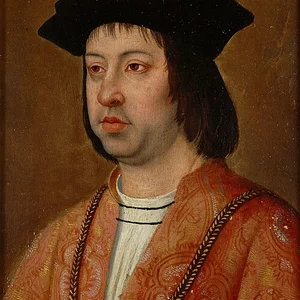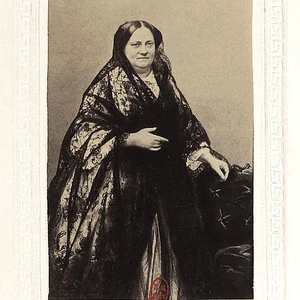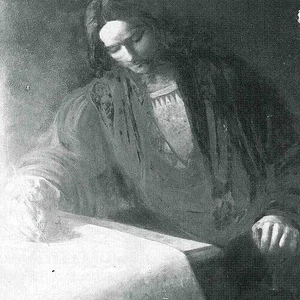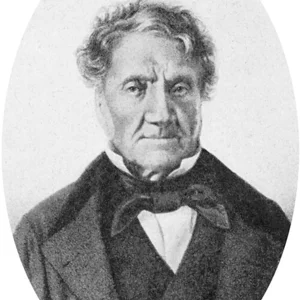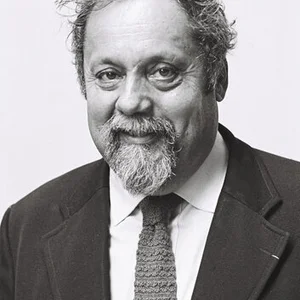

Portuguese cosmographer and astronomer of the 16th century, Rui Faleiro was Magellan's intellectual partner in planning the first circumnavigation of the globe. A specialist in navigation and cartography, he contributed to the theoretical design of the expedition but ultimately never set sail.
Ruy Faleiro(1500 — 1556)
Rui Faleiro
royaume de Portugal
7 min read
Frequently asked questions
Key Facts
- Around 1519: partnered with Magellan to propose to Charles V a westward voyage to the Moluccas
- 1519: appointed co-commander of the circumnavigation expedition alongside Magellan
- 1519: declared unfit for command before departure, he remained in Spain
- Contributed to developing methods for calculating longitude through lunar observation
- His theoretical work influenced the planning of the first circumnavigation (1519–1522)
Works & Achievements
A theoretical work in which Faleiro outlined his method for calculating longitude at sea using magnetic declination. This treatise formed the central scientific argument of his proposal to the Spanish Crown.
A practical manual of astronomical navigation compiling the tables and methods pilots needed to find their bearings on the open sea. Faleiro recorded his knowledge of astronomy as applied to deep-sea navigation.
An official document co-signed with Magellan and Charles I of Spain setting out the terms of the expedition. Faleiro appears as co-commander, reflecting royal recognition of his scientific expertise.
A body of calculations and maps produced to demonstrate that the Spice Islands fell within the Spanish sphere of influence as defined by the Treaty of Tordesillas. This theoretical work was decisive in persuading the Crown to fund the expedition.
Anecdotes
Rui Faleiro claimed to have solved one of the great mysteries of his era: calculating longitude at sea using observations of magnetic compass declination. It was on the strength of this scientific promise — not yet its proof — that he convinced King Charles I of Spain to fund the expedition with Magellan in 1518.
Although he had been granted the title of co-commander of the fleet, Faleiro never set sail. Shortly before the departure in 1519, he was declared unfit for the voyage — most likely due to mental disturbances that alarmed the Spanish authorities and crew members. The expedition that would achieve the first circumnavigation of the globe thus set off without him.
Faleiro was as well known for his knowledge of astrology as for astronomy. It is reported that he consulted the stars before the departure, and that the horoscope he drew up predicted a death at sea for him — which may have strengthened his refusal or inability to embark with Magellan.
The collaboration between Magellan and Faleiro is a rare example of complementarity between an experienced navigator and a scientific theorist. Together, they persuaded Charles I that the Spice Islands lay within the Spanish zone of the Treaty of Tordesillas — a decisive argument for securing royal funding.
After the fleet's departure, Faleiro remained in Spain in a precarious situation. He was even investigated by the Inquisition over his astrological practices. Despite his decisive theoretical contributions to the planning of the first circumnavigation of the world, the glory fell upon Magellan and Elcano — never upon him.
Primary Sources
Charles I of Spain granted Ferdinand Magellan and Rui Faleiro the right to seek a westward route to the Moluccas, promising them governorship of any lands discovered and one-tenth of the net profits from the expedition.
Pigafetta describes the preparation of the expedition in Seville, the officers appointed by the king, and notes that Faleiro was ultimately replaced before the fleet set sail.
Las Casas recounts the negotiations between Magellan, Faleiro, and the Spanish Crown, as well as the maneuvers by Portuguese merchants to sabotage the planned westward expedition.
The archives preserve the official documents relating to the fitting out of the Magellan-Faleiro fleet: cargo inventories, crew rolls, royal instructions, and notarial deeds prepared for the voyage.
Key Places
A locality in the Coimbra district considered the presumed birthplace of Rui Faleiro. It was in the Coimbra region that he received his early education before distinguishing himself as a cosmographer.
Capital of the Portuguese kingdom and center of European maritime knowledge, Lisbon is the city where Faleiro developed his navigation theories before leaving Portugal with Magellan around 1517.
A major departure port for Spanish expeditions, Seville was home to the Casa de Contratación where Faleiro and Magellan prepared their expedition. It was from here that the fleet set sail in 1519, without Faleiro.
The city where the Capitulación was signed in March 1518, granting Magellan and Faleiro the right to lead the expedition to the Moluccas via the western route. This document officially sanctioned their project before the Spanish Crown.
Liens externes & ressources
Références
Œuvres
Tratado del hallazgo de la longitud (Traité sur la découverte de la longitude)
vers 1516–1518
Regimento de navegação (Règlement de navigation)
vers 1516–1519
Capitulaciones de Valladolid (co-signataire)
22 mars 1518
Contributions cartographiques à la route des Moluques
1517–1519