 flip
flipʻOtai
ʻOtai
Why this dish? ʻOtai is the celebratory and welcome drink of Tonga — it is offered to distinguished visitors and prepared in large quantities for ceremonies. Salote, renowned for her royal hospitality and sense of welcome, had it served at receptions in the Nukuʻalofa palace. It is also the refreshing drink enjoyed after the dances and songs she cherished so much.
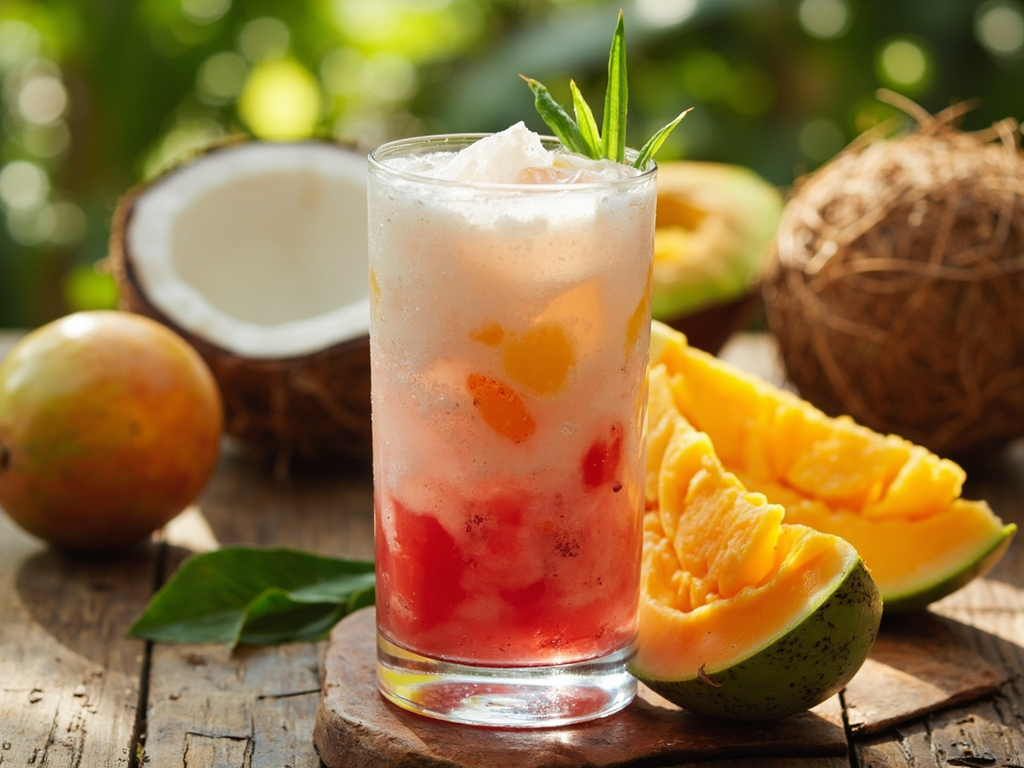
A thick, refreshing drink made from grated watermelon (or mango) pulp mixed with coconut water and lolo. Half-drink, half-dessert, served chilled on grand occasions. Every family has its own version.
When we receive at the palace, the ʻotai must be ready before the guests even arrive. The women grate the watermelon and the mango, they squeeze the coconut, and it all comes together in a large tanoa. It is fresh, it is sweet, it is Tonga in a bowl. After the dances, after the speeches, it is the ʻotai that rests the body and delights the heart. I always say that the generosity of a welcome is measured by the thickness of its ʻotai.
- •Ripe watermelon — One good quarter (Main pulp)
- •Ripe mango (or papaya) — One or two (Second fruit)
- •Fresh coconut water — The contents of two young coconuts (Base liquid)
- •Coconut cream (lolo) — One cup (Creaminess)
- •Sugar (if desired) — To taste (Sweetness (fruit often suffices))
ʻOtai
A thick, refreshing drink made from grated watermelon (or mango) pulp mixed with coconut water and lolo. Half-drink, half-dessert, served chilled on grand occasions. Every family has its own version.
Why this dish? ʻOtai is the celebratory and welcome drink of Tonga — it is offered to distinguished visitors and prepared in large quantities for ceremonies. Salote, renowned for her royal hospitality and sense of welcome, had it served at receptions in the Nukuʻalofa palace. It is also the refreshing drink enjoyed after the dances and songs she cherished so much.
When we receive at the palace, the ʻotai must be ready before the guests even arrive. The women grate the watermelon and the mango, they squeeze the coconut, and it all comes together in a large tanoa. It is fresh, it is sweet, it is Tonga in a bowl. After the dances, after the speeches, it is the ʻotai that rests the body and delights the heart. I always say that the generosity of a welcome is measured by the thickness of its ʻotai.
Ingredients (period version)
- Ripe watermelon — One good quarter (Main pulp)
- Ripe mango (or papaya) — One or two (Second fruit)
- Fresh coconut water — The contents of two young coconuts (Base liquid)
- Coconut cream (lolo) — One cup (Creaminess)
- Sugar (if desired) — To taste (Sweetness (fruit often suffices))
Ingredients
- Watermelon — 500 g flesh, seeded (Main pulp)
- Ripe mango — 1 large (about 300 g flesh) (Second fruit)
- Coconut water — 500 ml (Liquid)
- Coconut cream — 200 ml (Creaminess)
- Sugar (optional) — 1 to 2 tbsp (Adjust sweetness)
- Ice cubes — A handful (Chill)
Method
- Coarsely grate the watermelon flesh using a coarse grater (or mash with a fork — texture is desired, not a smooth juice). Reserve in a large bowl.
- Cut the mango into very small dice or grate coarsely. Add to the watermelon.
- Pour in the coconut water and coconut cream. Stir gently.
- Taste and add a little sugar if the fruits are not sweet enough.
- Refrigerate for at least 1 hour (ʻotai is best very cold).
- Serve in tall glasses or bowls, with ice cubes. The fruit pieces are eaten with a spoon while drinking.
How it was made : ʻOtai is an ancestral beverage of Polynesian Pacific. Before refrigeration, freshly opened coconut water, naturally cool, was used. Watermelon, introduced to Tonga in the 19th century, integrated perfectly. Traditionally, the pulp is grated, not blended — the chunky texture is essential and distinguishes true ʻotai from a simple smoothie.
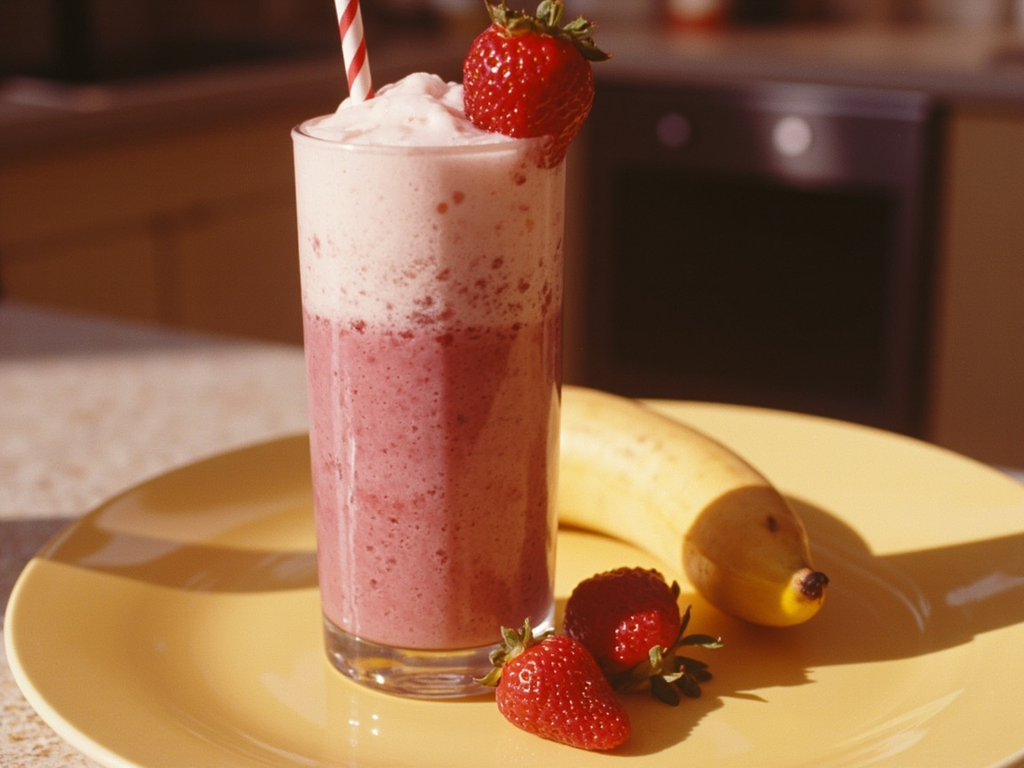
The contemporary twist : Serve in clear glasses to show the color layers (pink watermelon, yellow mango, white coconut), with a mint leaf and a bamboo straw.
Sources : Pollock, Nancy J. « These Roots Remain: Food Habits in Islands of the Central and Eastern Pacific since Western Contact ». University of Hawaii Press, 1992.
Salote Tupou III · Charactorium