 flip
flipTokaji aszú — The Golden Wine of Grand Evenings
Tokaji aszú — The Golden Wine of Grand Evenings
Why this dish? Tokaji is called 'the king of wines, the wine of kings.' What better companion for Alexander Korda, the first film man to be knighted, in 1942? This legendary Hungarian wine, he loved to serve at his London dinners to toast, Hungarian-style, the health of his guests.
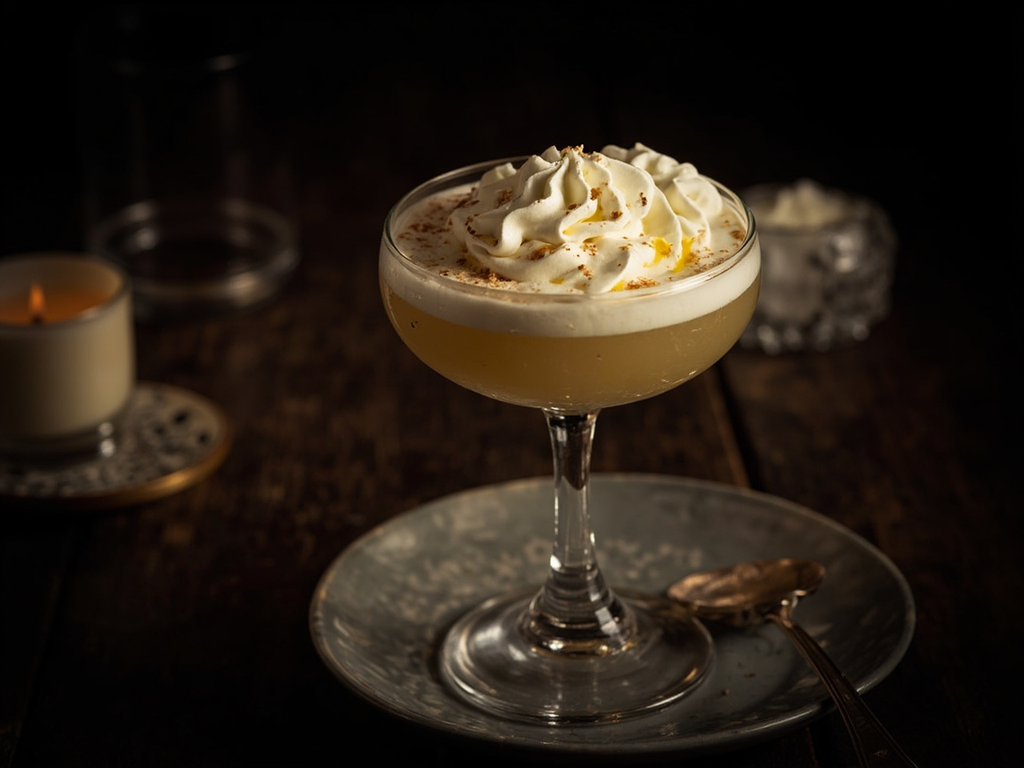
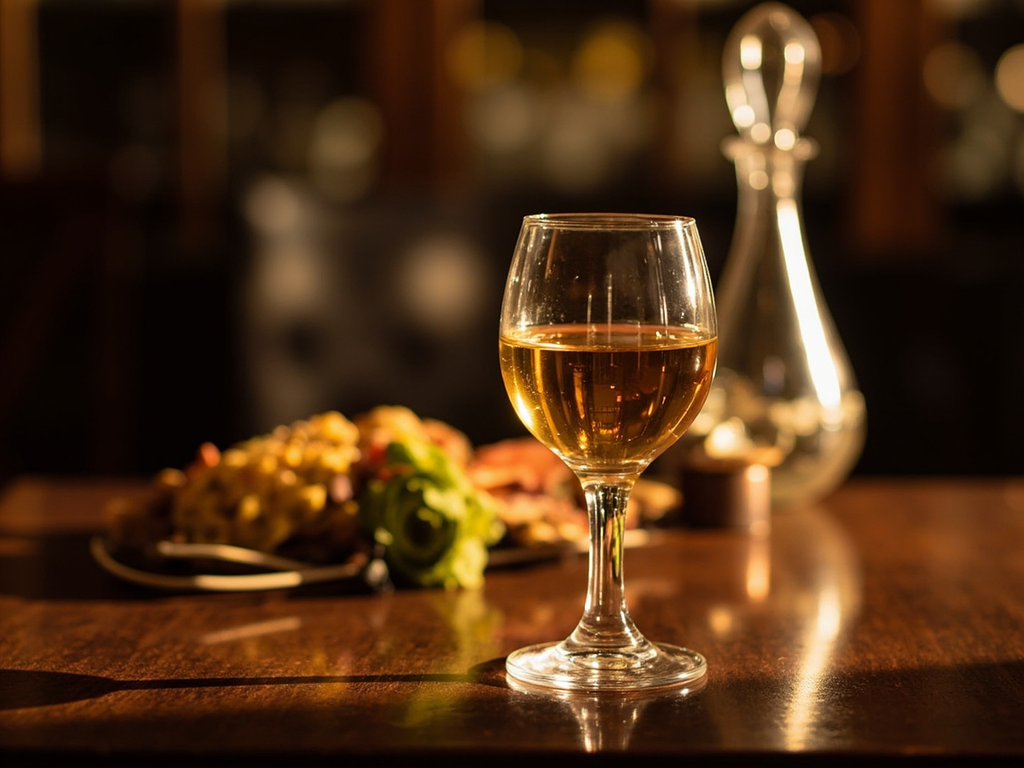
A sweet wine from the Tokaj region, made from Furmint grapes affected by 'noble rot' (botrytis). Golden, honeyed, supported by a lively acidity that prevents cloying. More a serving ritual than a recipe—reserved for adults.
When I wanted to close a deal, my friend, I did not bring out the contracts: I brought out the Tokaji. It is served chilled but not iced, in small glasses, and never filled to the brim—a finger of this nectar is enough, you swirl it, you breathe in the honey and apricot. At home they say it was the wine of tsars and kings; I, plain Sándor from the plain turned Sir, saw in it above all the sun of Hungary in a bottle. Egészségére—to your health!
- •Botrytised Furmint grapes (aszú) — hand-selected berry by berry (noble sweet matter)
- •Must or base wine — according to 'puttonyos' (vinification support)
- •Oak barrels (Tokaj cellars) — for long aging (maturation)
Tokaji aszú — The Golden Wine of Grand Evenings
A sweet wine from the Tokaj region, made from Furmint grapes affected by 'noble rot' (botrytis). Golden, honeyed, supported by a lively acidity that prevents cloying. More a serving ritual than a recipe—reserved for adults.
Why this dish? Tokaji is called 'the king of wines, the wine of kings.' What better companion for Alexander Korda, the first film man to be knighted, in 1942? This legendary Hungarian wine, he loved to serve at his London dinners to toast, Hungarian-style, the health of his guests.
When I wanted to close a deal, my friend, I did not bring out the contracts: I brought out the Tokaji. It is served chilled but not iced, in small glasses, and never filled to the brim—a finger of this nectar is enough, you swirl it, you breathe in the honey and apricot. At home they say it was the wine of tsars and kings; I, plain Sándor from the plain turned Sir, saw in it above all the sun of Hungary in a bottle. Egészségére—to your health!
Ingredients (period version)
- Botrytised Furmint grapes (aszú) — hand-selected berry by berry (noble sweet matter)
- Must or base wine — according to 'puttonyos' (vinification support)
- Oak barrels (Tokaj cellars) — for long aging (maturation)
Ingredients
- Tokaji aszú (5 puttonyos) — for adults — 1 bottle, served in 5 cl glasses (beverage)
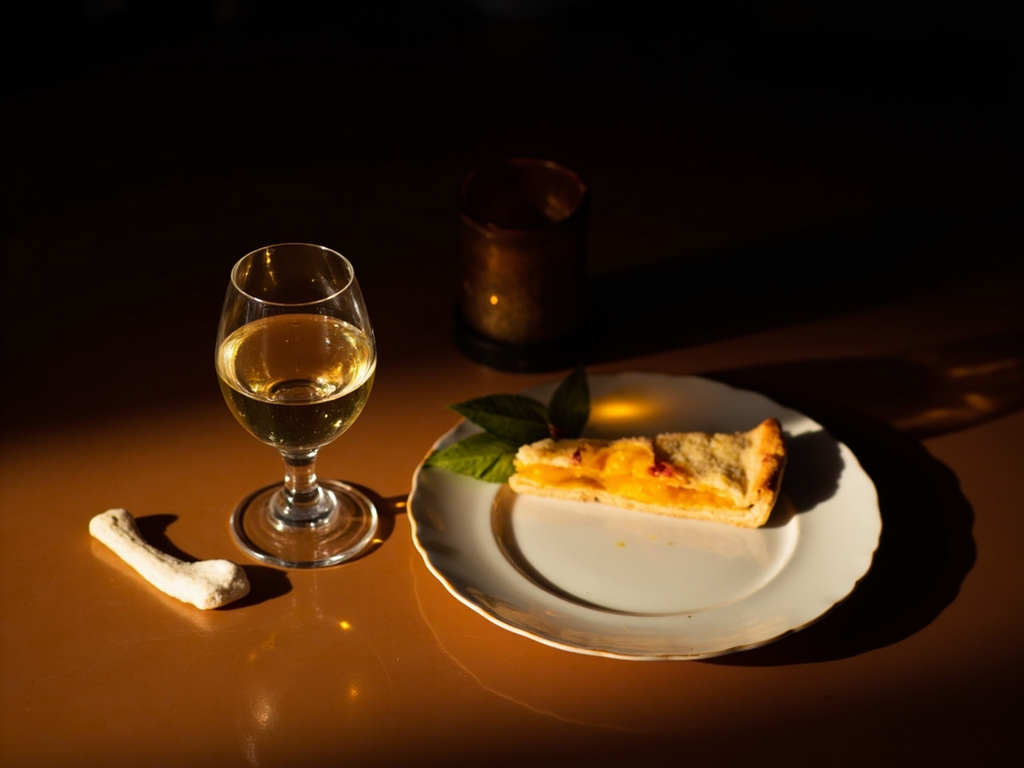
- Foie gras, or blue cheese, or apricot tart — small bites (tasting pairing)
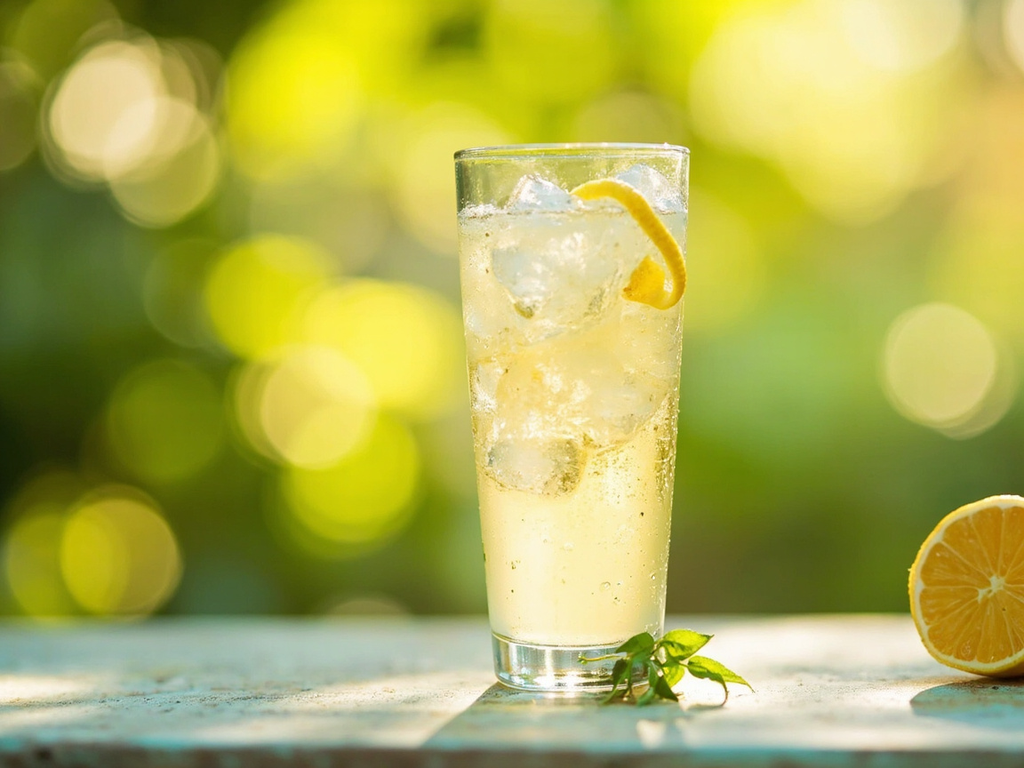
- White grape juice or apricot nectar (non-alcoholic alternative) — for young guests (family version)
Method
- Chill the bottle to 10-12°C (not too cold, or the aromas close up).
- Serve a small amount (4-5 cl) in sweet wine glasses; observe the golden robe in the light.
- Swirl gently, inhale the notes of honey, candied apricot, and citrus zest.
- Taste alongside a bite of foie gras, blue cheese, or apricot tart.
- For young guests, serve white grape juice or lightly chilled apricot nectar in the same glass to share the toast ritual.
How it was made : From the 17th century, the sweet wines of Tokaj were shipped to the courts of Europe; Louis XIV is said to have called it 'the wine of kings, the king of wines.' Noble rot concentrates the sugars of grapes left on the vine in autumn, then the wine ages for years in cellars before being served.
The contemporary twist : A 'screening-tasting': a golden glass like the screen in projector light, for a toast before the show.
Sources : Hugh Johnson, The World Atlas of Wine · George Lang, The Cuisine of Hungary (1971)
Alexander Korda · Charactorium