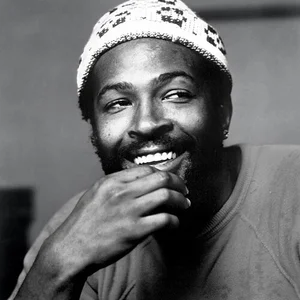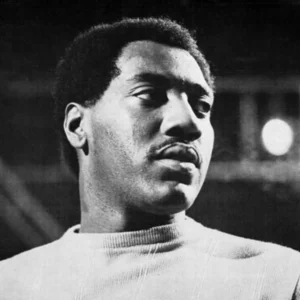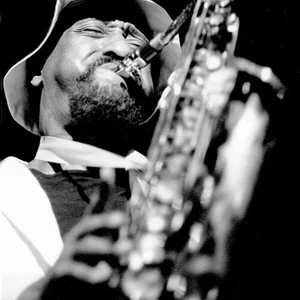

Sonny Rollins, born Theodore Walter Rollins, was one of the most influential tenor saxophonists in jazz history. A major figure of the post-bebop era, he left his mark on the genre with albums like *Saxophone Colossus* (1956) and composed standards played worldwide, such as "Oleo" and "St. Thomas." He passed away on May 25, 2026, in Woodstock at the age of 95.
Sonny Rollins(1930 — 2026)
Sonny Rollins
États-Unis
6 min read
Frequently asked questions
Key Facts
- September 7, 1930: born in New York, of Virgin Islands descent (calypso)
- 1956: release of *Saxophone Colossus*, including the famous "St. Thomas"
- 1959–1961: sabbatical retreat spent practicing alone on the Williamsburg Bridge, before returning with the album *The Bridge* (1962)
- Composer of major jazz standards: "Oleo," "Doxy," and "Airegin"
- 1947–2014: an active career spanning nearly 70 years, outliving Coltrane, Miles Davis, Max Roach, and Art Blakey
- May 25, 2026: died in Woodstock at age 95
Works & Achievements
Cult album that cemented his reputation, featuring St. Thomas and the much-studied solo on Blue 7.
The title track is the only recording on which Rollins and John Coltrane play together.
Recorded as a piano-less trio, with a famous cover showing him posing as a cowboy in the desert.
Live trio concert that reveals his freedom as an improviser working without a net.
A politically engaged work, one of the first in jazz to openly address the civil rights of African Americans.
Comeback album after his retreat to the Williamsburg Bridge, a symbol of his artistic rebirth.
Concert given in Boston four days after the September 11 attacks, honored with a Grammy Award.
Anecdotes
At the height of his fame, between 1959 and 1961, Sonny Rollins did something unheard of: he stopped playing in public. Living in a small apartment where a neighbor had just had a baby, he was looking for a place to practice without disturbing anyone and found the walkway of the Williamsburg Bridge in New York. For two years, he played there alone for hours on end, facing the East River. Out of this retreat came the album The Bridge (1962).
His most famous tune, St. Thomas, isn't really his own: the melody comes from a nursery rhyme his mother, who was from the Virgin Islands, sang to him as a child. Rollins turned that sunny Caribbean air into a calypso jazz standard played all over the world.
He was nicknamed “Newk” because he resembled Don Newcombe, a famous baseball pitcher for the Brooklyn Dodgers. Legend has it that a taxi driver once mistook him for the athlete and gave him a free ride, thrilled to be carrying a star.
In the early 1950s, Rollins fell into heroin addiction, like many bebop musicians of his era, and even did time at Rikers Island prison. In 1955, he decided to turn his life around: he voluntarily checked into a rehabilitation center in Lexington, Kentucky, then went to work as a janitor in Chicago to stay away from drugs before returning, sober, to music.
In 1981, the rock band The Rolling Stones invited him to record the saxophone solo on their song Waiting on a Friend. The result, both supple and powerful, shows just how well this jazz giant could also make his mark on popular music.
Primary Sources
I found a place where I could play as loud and as long as I wanted, without bothering anyone: the bridge. I hadn't stopped making music — quite the opposite, I had never worked so hard.
I'm always trying to play the perfect solo. I've never reached it, and that's exactly what keeps me going.
Music is an open sky: you never reach the end of it, you only ever draw nearer.
Key Places
African-American neighborhood of Manhattan where Rollins was born and raised, at the heart of an exceptional musical flourishing.
The bridge's walkway where he would come to practice alone, for hours on end, during his retreat from 1959 to 1961.
Legendary New York jazz club where in 1957 he recorded a landmark concert with a piano-less trio.
Drug rehabilitation facility where Rollins voluntarily checked in in 1955 to break free from heroin.
Area where he stayed in the late 1960s during a spiritual retreat devoted to yoga and Eastern philosophy.
House in the Hudson Valley where he settled and spent his final decades, far from the bustle of New York City.
Typical Objects

His lifelong instrument, with its broad, deep sound, on which he unfurls his endless improvisations. Rollins is considered one of the greatest masters of the tenor saxophone.

Small strips of cane fixed to the mouthpiece, which vibrate to produce the sound; Rollins went through quantities of them during his relentless practice sessions on the bridge.

He poses in cowboy attire, hat and saxophone case in place of a revolver, on the cover of the album Way Out West (1957), a nod to the Wild West.

The 1956 33 rpm LP that established his worldwide reputation and contains the famous St. Thomas.

Rollins wrote themes that became standards played by every jazz musician, such as Oleo, Doxy or Airegin (Nigeria spelled backwards).

After his spiritual retreat in India in the late 1960s, Rollins practiced yoga and meditation, which structure his daily discipline.
School Curriculum
Vocabulary & Tags
Key Vocabulary
Tags
Daily Life
Morning
Rollins devoted his mornings to relentless practice on his instrument, what jazz musicians call "woodshedding." After his years in India, he often added yoga and meditation to discipline both body and mind.
Afternoon
Afternoons were spent composing new tunes, rehearsing with his band, or preparing for tours. A tireless worker, he could play scales and improvisations for hours without growing weary.
Evening
The real life of a jazz musician began in the evening, in clubs like the Village Vanguard. There Rollins delivered concert after concert marked by endless solos, sometimes performed entirely alone, with no accompaniment.
Food
After turning his back on drugs and alcohol in the 1950s, Rollins led a healthy and disciplined life. Influenced by his stays in India, he adopted a simple diet, largely vegetarian.
Clothing
In the 1950s, like the bebop musicians, he wore elegant suits and skinny ties. Later he sported a recognizable look with sunglasses and, toward the end of his life, a long white beard.
Housing
As a young man, he lived in modest New York apartments, which led to the bridge episode. Once famous, he settled in a quiet house in the Hudson Valley, in upstate New York.