Human Rights
Activists, jurists, philosophers and leaders who fought for fundamental freedoms and human dignity across the centuries.
120 characters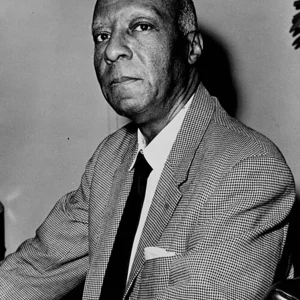
120 characters
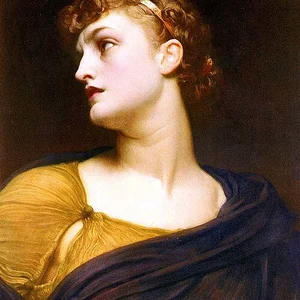
Antigone
Heroine of Greek mythology, daughter of Oedipus and Jocasta, princess of Thebes. Antigone embodies the conflict between divine law and human law by daring to defy the decree of King Creon in order to give her brother Polynices a proper burial, which leads to her condemnation to death.
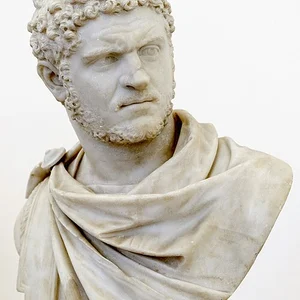
Caracalla
188 — 217
Roman Emperor from 211 to 217 AD, Caracalla is best known for the Edict of Caracalla (212 AD), which granted Roman citizenship to all free inhabitants of the Empire. Despite his reforms, his reign was marked by political instability and his assassination in 217 AD.
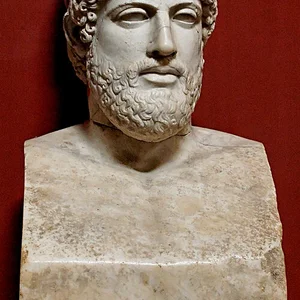
Pericles
493 av. J.-C. — 428 av. J.-C.
Pericles (495–429 BC) was an Athenian statesman who presided over the golden age of Athenian democracy in the 5th century BC. A dominant political leader for more than thirty years, he transformed Athens into the cultural and artistic center of ancient Greece, most notably by overseeing the construction of the Parthenon.
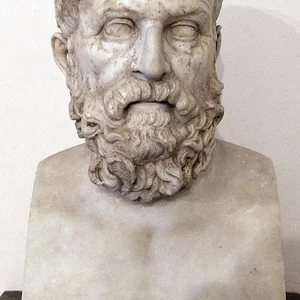
Solon
629 av. J.-C. — 559 av. J.-C.
Solon (629–559 BC) was an Athenian statesman and lawmaker who profoundly reformed the city of Athens in the early 6th century BC. His laws laid the foundations of Athenian democracy by limiting the power of the aristocracy and granting rights to citizens.

Tata Oule
Mandinka princess of the 13th century, daughter of Sundiata Keita according to the oral traditions of the Kouyaté griots. She is celebrated as a guardian figure of the Manden Charter, the first proclamation of rights in the Mali Empire.
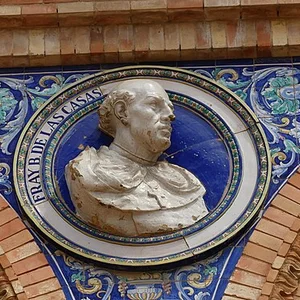
Bartolomé de las Casas
1484 — 1566
Spanish Dominican friar (1474–1566) who devoted his life to defending the rights of Indigenous peoples against the abuses of the conquistadors. He denounced the atrocities committed during the Spanish colonization of the Americas and argued for the humanity of Native peoples before the Spanish Crown.
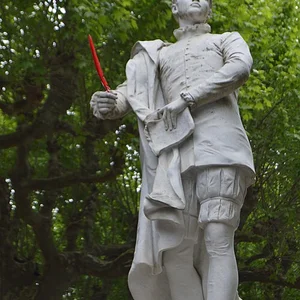
Étienne de La Boétie
1530 — 1563
French Renaissance writer, poet, and statesman (1530–1563). Author of the celebrated Discourse on Voluntary Servitude, he questioned why people accept oppression. A close friend of Montaigne, he embodies the critical humanist thought of the 16th century.
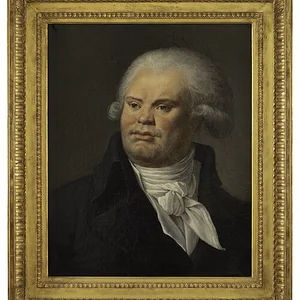
Danton
1759 — 1794
French lawyer and politician (1759–1794), Danton is a major figure of the French Revolution. Known for his eloquence and charisma, he played a key role in revolutionary events before being executed during the Terror.
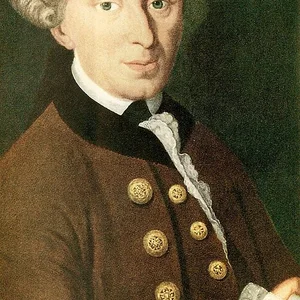
Immanuel Kant
1724 — 1804
German Enlightenment philosopher (1724–1804), Kant revolutionized metaphysics by proposing a radical critique of human reason. Author of the Critique of Pure Reason, he founded transcendental idealism and developed a universal moral theory based on the categorical imperative.
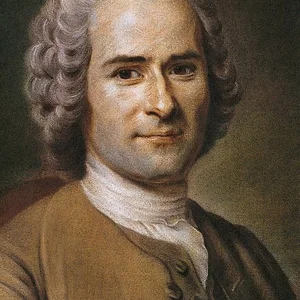
Jean-Jacques Rousseau
1712 — 1778
Genevan philosopher, writer, and musician (1712–1778), a central figure of the Enlightenment. Author of The Social Contract and Confessions, he profoundly influenced political and educational thought by championing popular sovereignty and natural education.
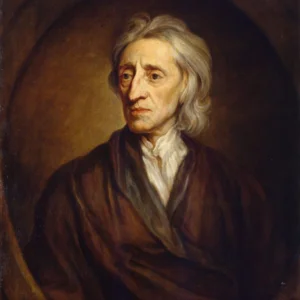
John Locke
1632 — 1704
A 17th-century English philosopher, John Locke is the founder of modern empiricism and a major thinker of political liberalism. He developed the theory of natural rights (life, liberty, property) and justified the right to revolt against tyrannical power, profoundly influencing democratic revolutions.
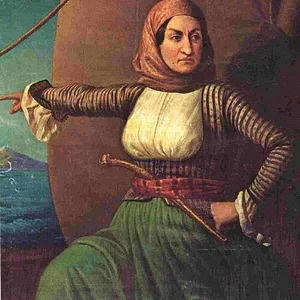
Laskarina Bouboulina
1771 — 1825
Laskarína Bouboulína was a Greek heroine of the War of Independence against the Ottoman Empire. Arming and financing her own war fleet, she took an active part in naval combat from 1821, most notably during the blockade of Nafplio. She is the only woman to have received the honorary title of admiral in the Russian Imperial Navy.
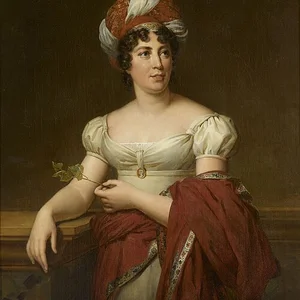
Madame de Staël
1766 — 1817
Germaine de Staël, daughter of minister Necker, was one of the great intellectual voices of her era. A novelist, essayist, and salon hostess, she stood up to Napoleon, who exiled her, and helped introduce German Romanticism to France with her work *De l'Allemagne*.
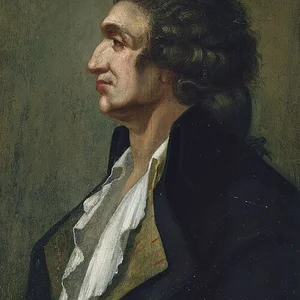
Marie Jean Antoine Nicolas de Condorcet
Mathematician and Enlightenment philosopher (1743–1794), Condorcet served as Permanent Secretary of the Academy of Sciences, championed equal rights for women and enslaved people, and played an active role in the French Revolution. He died during the Reign of Terror, having written his intellectual testament on human progress.
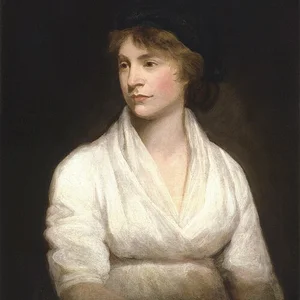
Mary Wollstonecraft
1759 — 1797
Mary Wollstonecraft was an 18th-century British philosopher and writer, a pioneer of feminism. Her landmark work, *A Vindication of the Rights of Woman* (1792), demands equal education and civil rights for women. She embodies Enlightenment thinking applied to the condition of women.
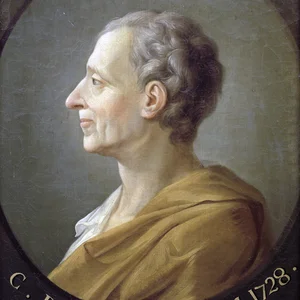
Montesquieu
1689 — 1755
An 18th-century French philosopher and writer, Montesquieu is the author of the landmark work 'The Spirit of the Laws' (1748). He theorized the separation of powers, a foundational concept of modern political thought, and contributed to the emergence of Enlightenment philosophy.
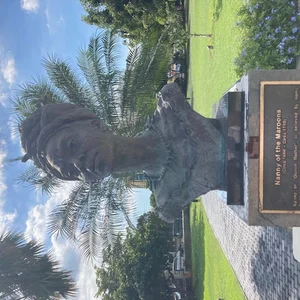
Nanny of the Maroons
A central figure of Maroon resistance in Jamaica during the 18th century, Nanny led the Windward Maroons from their stronghold in the Blue Mountains. A warrior and spiritual leader of Akan origin (present-day Ghana), she led the struggle against British colonial slavery for decades. A Jamaican national heroine, her life is transmitted primarily through Maroon oral tradition.
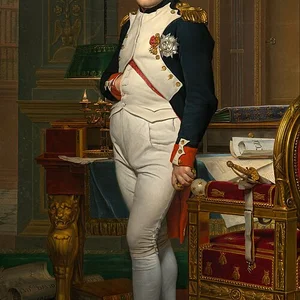
Napoleon Bonaparte
1769 — 1821
Napoleon Bonaparte (1769-1821) was a French military leader and statesman who seized power in 1799 and proclaimed himself Emperor in 1804. He transformed France and Europe through his reforms and military campaigns, most notably by establishing the Civil Code, which modernized the French legal system.
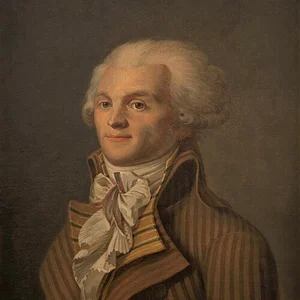
Robespierre
1758 — 1794
French lawyer and politician (1758–1794), Robespierre was a central figure of the French Revolution. Leader of the Montagnards, he dominated the Committee of Public Safety and became the embodiment of the Reign of Terror before being executed in 1794.
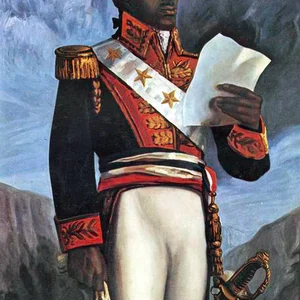
Toussaint Louverture
1743 — 1803
A freed slave and Haitian military leader (1743–1803), Toussaint Louverture led the Haitian Revolution and abolished slavery in Saint-Domingue. An iconic figure in the fight for freedom, he transformed a slave colony into the first independent Black republic.
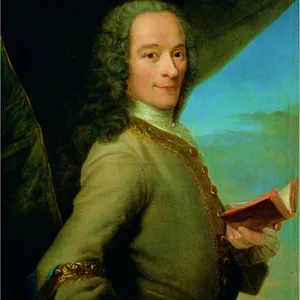
Voltaire
1694 — 1778
An 18th-century French writer and philosopher, Voltaire is a major figure of the Enlightenment. Through his works, most notably Candide, he championed tolerance, freedom of expression, and criticism of religious intolerance.
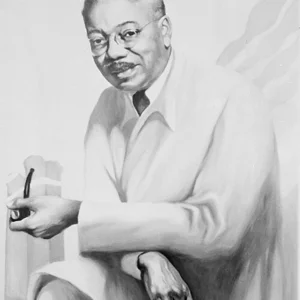
Aaron Douglas
1899 — 1979
Aaron Douglas was an African American painter and illustrator, a major figure of the Harlem Renaissance. Nicknamed the “father of African American art,” he developed a style blending geometric patterns, silhouettes, and references to African art to celebrate Black history and identity.
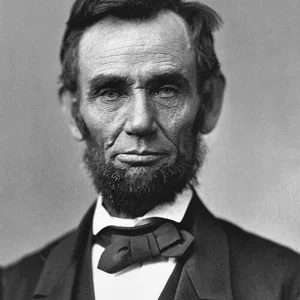
Abraham Lincoln
1809 — 1865
Abraham Lincoln (1809-1865) was the 16th President of the United States. He led the country through the Civil War and abolished slavery in the United States in 1863 with the Emancipation Proclamation.
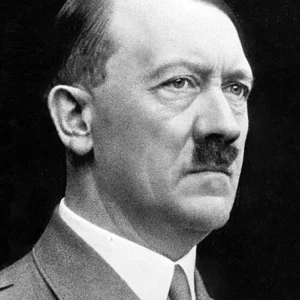
Adolf Hitler
1889 — 1945
Adolf Hitler (1889-1945) was an Austrian politician and military leader who founded the National Socialist German Workers' Party (Nazi Party) and became dictator of Germany from 1933 to 1945. His totalitarian regime, built on Nazi ideology, was responsible for World War II and the Holocaust, a genocide that killed six million Jews.
Albert Einstein
1879 — 1955
German-born physicist who became Swiss and later American (1879–1955), Albert Einstein revolutionized physics by developing the theories of special and general relativity. He is the author of the famous equation E=mc² and received the Nobel Prize in Physics in 1921 for his work on the photoelectric effect.
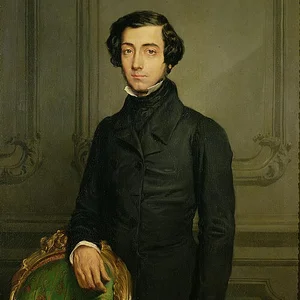
Alexis de Tocqueville
1805 — 1859
French political philosopher, historian, and statesman (1805–1859). Tocqueville is the author of 'Democracy in America', a foundational work analyzing American institutions and society. He is considered a pioneer of sociology and a major thinker of modern politics.
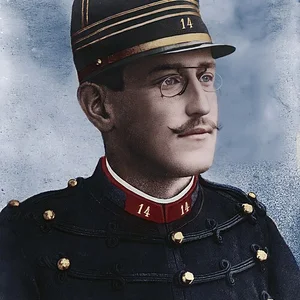
Alfred Dreyfus
1859 — 1935
French army officer of Alsatian and Jewish origin (1859–1935). He was wrongly accused of espionage in 1894, triggering the Dreyfus Affair, one of the greatest political crises of the Third Republic. His innocence was officially recognized in 1906, marking a turning point in the fight against antisemitism in France.
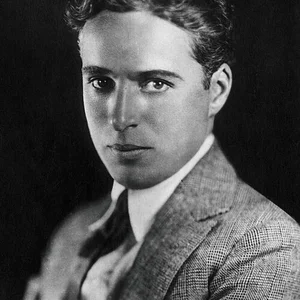
Charlie Chaplin
1889 — 1977
British actor, director and composer (1889-1977), pioneer of silent cinema. Creator of the iconic Tramp character, he shaped film history through his comedic genius and social commentary, most notably in The Great Dictator (1940).
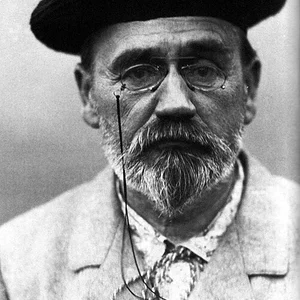
Émile Zola
1840 — 1902
French novelist, journalist and literary critic (1840-1902), founder of the Naturalist movement. He is the author of Germinal and L'Assommoir, landmark novels of the 19th century that expose the living conditions of the working class. Zola took a decisive political stand during the Dreyfus Affair by publishing his famous open letter 'J'Accuse'.
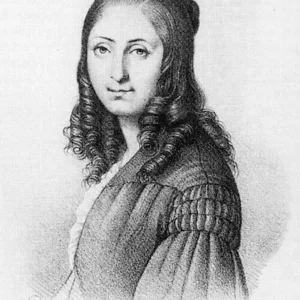
Flora Tristan
1803 — 1844
French journalist and feminist activist (1803–1844), Flora Tristan championed the emancipation of women and the condition of the working class in the 19th century. She was a pioneer of feminism and socialism, placing the question of women at the heart of political and social debate.
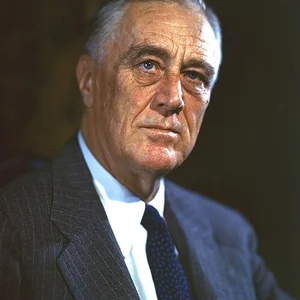
Franklin D. Roosevelt
1882 — 1945
President of the United States from 1933 to 1945, Franklin D. Roosevelt led the country through the Great Depression and World War II. He implemented the New Deal, a sweeping program of social and economic reforms, and played a decisive role in the Allied victory.
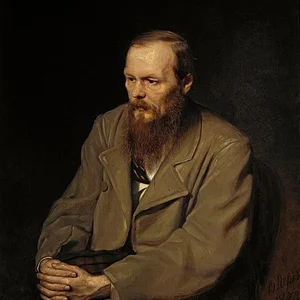
Fyodor Dostoevsky
1821 — 1881
Russian writer
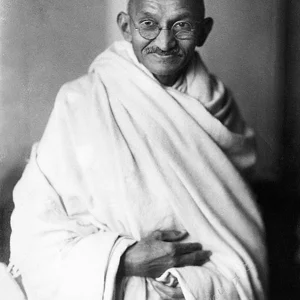
Gandhi
1869 — 1948
Indian political and spiritual leader (1869–1948), Gandhi led the movement for India's independence from British rule by advocating non-violence and civil disobedience. He became an iconic figure in the struggle for civil rights and the emancipation of colonized peoples.
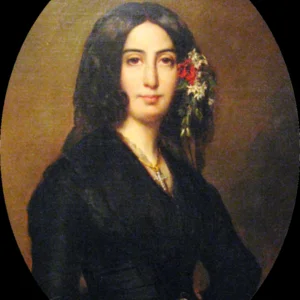
George Sand
1804 — 1876
A French novelist of the 19th century, George Sand (1804-1876) was one of the most prolific and innovative writers of her era. A champion of individual freedom and equal rights, she left a lasting mark on Romantic literature through her social novels and a life that openly defied the conventions of her time.
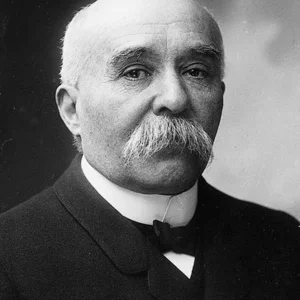
Georges Clemenceau
1841 — 1929
French statesman (1841–1929), Georges Clemenceau is best known for his decisive role during the First World War as Prime Minister (1917–1920). Nicknamed 'The Father of Victory', he led France to victory and negotiated the Treaty of Versailles.
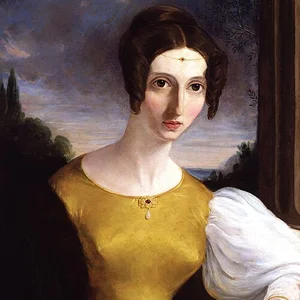
Harriet Taylor Mill
1807 — 1858
Harriet Taylor Mill (1807-1858) was a British philosopher and feminist, a major figure in 19th-century liberal thought. A collaborator and wife of John Stuart Mill, she profoundly influenced his works, particularly on individual liberty and the emancipation of women.
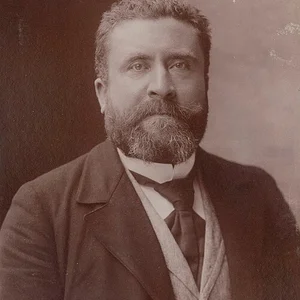
Jean Jaurès
1859 — 1914
Jean Jaurès (1859-1914) was a major French politician and founder of the unified Socialist Party. A passionate advocate for social justice, pacifism, and democracy, he opposed the war before being assassinated in 1914.
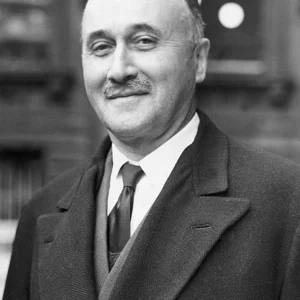
Jean Monnet
1888 — 1979
French statesman (1888–1979), Jean Monnet is regarded as one of the founding fathers of the European Union. He played a decisive role in the creation of the European Coal and Steel Community (ECSC) and championed the economic and political integration of Europe.
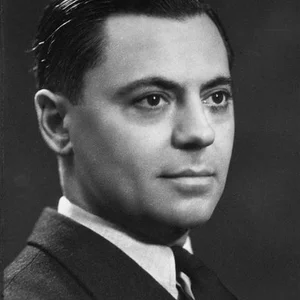
Jean Moulin
1899 — 1943
French senior civil servant (1899–1943), Jean Moulin is one of the most prominent figures of the French Resistance. He unified the resistance movements and created the National Council of the Resistance (CNR) before being arrested and tortured to death by the Nazis.
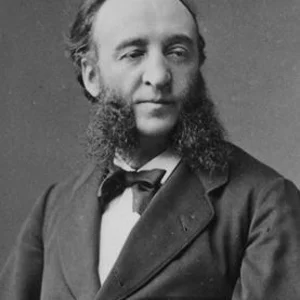
Jules Ferry
1832 — 1893
French statesman (1832–1893) who transformed French education as Minister of Public Instruction. He is responsible for the landmark education laws making primary school free, secular, and compulsory, laying the foundations of the modern French public school system.
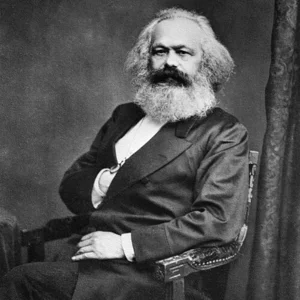
Karl Marx
1818 — 1883
German philosopher, sociologist, and economist (1818–1883), Karl Marx is the founder of historical materialism and the critical analysis of capitalism. He revolutionized political thought by proposing a theory of class struggle and social transformation.
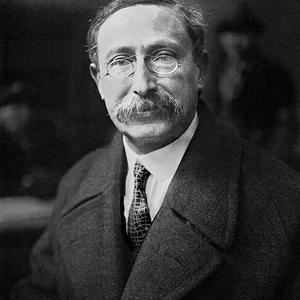
Léon Blum
1872 — 1950
Léon Blum (1872–1950) was a French politician and intellectual, leader of the French Socialist Party and a major figure of the left in the 20th century. He is best known for leading the Popular Front government in 1936, which marked the first time the left came to power in France.
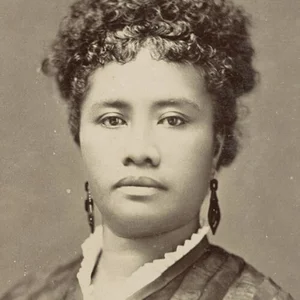
Liliuokalani
1838 — 1917
Liliuokalani was the last queen of the Kingdom of Hawaii, overthrown in 1893 by a coup supported by American settlers. A composer and stateswoman, she fought peacefully for Hawaiian sovereignty and remains a symbol of resistance to American imperialism.
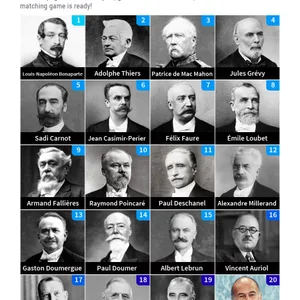
list of Presidents of the French Republic
Since 1848, France has had 25 presidents. The role, largely ceremonial under the Third and Fourth Republics, became central under the Fifth Republic established by de Gaulle in 1958.
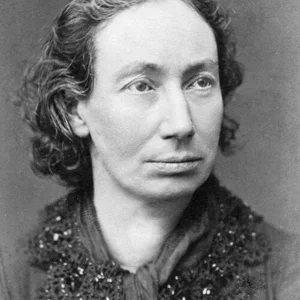
Louise Michel
1830 — 1905
Teacher and leading figure of the French anarchist movement (1830–1905), Louise Michel dedicated herself to educating poor children before becoming one of the heroines of the Paris Commune. Exiled and imprisoned for her revolutionary actions, she devoted her life to the struggle for social equality and the emancipation of the oppressed.
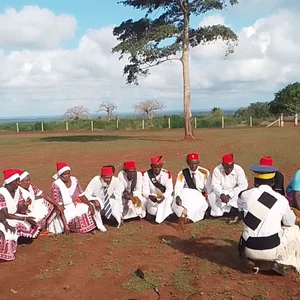
Mekatilili wa Menza
1840 — 1925
A Giriama woman from Kenya, Mekatilili wa Menza led the resistance against British colonial rule during the 1913–1914 revolt. Arrested and deported, she escaped and continued fighting for her people's freedom.
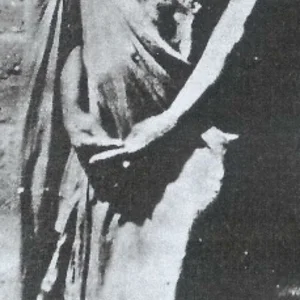
Nehanda Nyakasikana
Nehanda Nyakasikana (c. 1840–1898) was a mhondoro — a spirit medium of the Shona people of present-day Zimbabwe — venerated as the embodiment of the ancestral spirit Nehanda. A central figure of the First Chimurenga, she organized armed resistance against the British colonization of Southern Rhodesia before being captured and hanged by the colonial authorities.
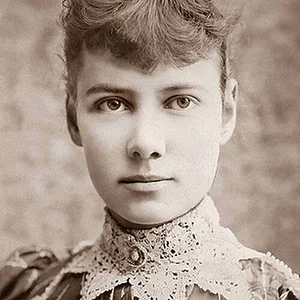
Nellie Bly
1864 — 1922
A pioneering American journalist, Nellie Bly made her mark through undercover investigative journalism, most notably by having herself committed to a psychiatric asylum to expose its conditions. In 1889, she traveled around the world in 72 days, breaking the fictional record of Phileas Fogg.
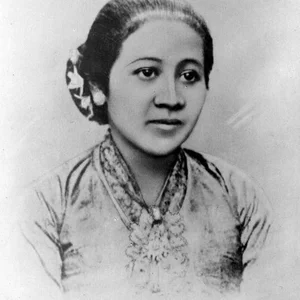
Raden Ajeng Kartini
1879 — 1904
Raden Ajeng Kartini is a Javanese aristocrat from the Dutch East Indies who became a pioneer of women's emancipation in Southeast Asia. Through her letters to Dutch correspondents, she denounced the condition of women in colonial society and advocated for their access to education. Dying at age 25, she remains a national symbol in Indonesia.
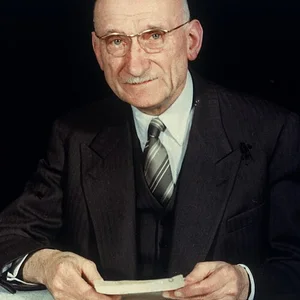
Robert Schuman
1886 — 1963
French statesman (1886-1963), Robert Schuman is one of the principal founding fathers of the European Union. As Foreign Minister, he proposed in 1950 the plan to create the European Coal and Steel Community (ECSC), laying the foundations for European integration.
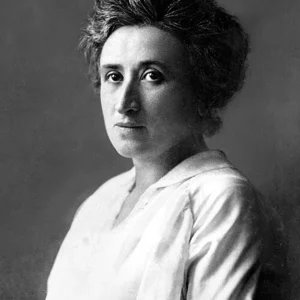
Rosa Luxemburg
1871 — 1919
Rosa Luxemburg was a Polish-born revolutionary activist and Marxist theorist who became a naturalized German citizen. Co-founder of the Communist Party of Germany (KPD), she championed a socialist revolution rooted in the mass consciousness of the working class. Arrested during the Spartacist uprising of January 1919, she was murdered by paramilitary soldiers.
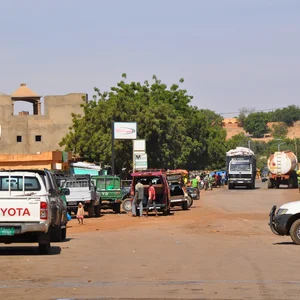
Sarraounia
Queen and spiritual leader of the Azna (animist Hausa people of Niger), Sarraounia successfully resisted the French military mission of Voulet-Chanoine in April 1899. A symbol of anti-colonial resistance, she was immortalized by Abdoulaye Mamani's novel (1980) and Med Hondo's film (1986).
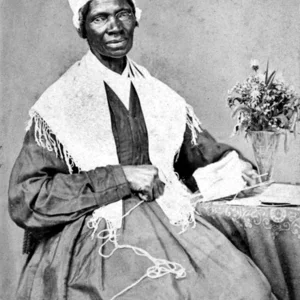
Sojourner Truth
1797 — 1883
African-American abolitionist and women's rights activist

Stella Zeehandelaar
Dutch-born anarchist and feminist militant who emigrated to the United States, known for her correspondence with Emma Goldman in the 1890s–1900s. A prominent figure in New York's anarchist and labor circles at the end of the nineteenth century.
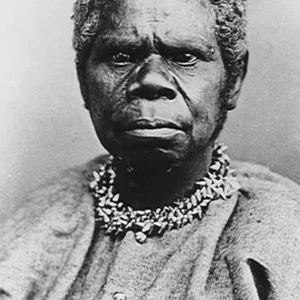
Truganini
1812 — 1876
Truganini (c. 1812–1876) was an Aboriginal woman from Tasmania who witnessed the near-extermination of her people during the Black War. She was deported to Flinders Island along with the last surviving Tasmanian Aboriginals. Long referred to as 'the last Tasmanian', she became a global symbol of colonial genocide.
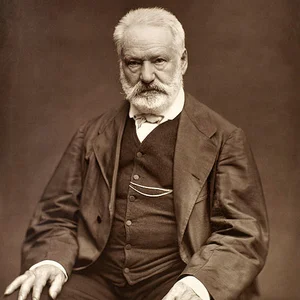
Victor Hugo
1802 — 1885
A major French writer of the 19th century, Victor Hugo (1802–1885) is the author of iconic novels such as Les Misérables and The Hunchback of Notre-Dame. Poet, playwright, and committed politician, he championed the rights of the poor and fought against the death penalty.
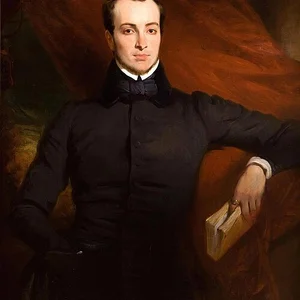
Victor Schoelcher
1804 — 1893
French politician (1804–1893), Victor Schœlcher was one of the greatest abolitionists of the 19th century. He played a decisive role in the abolition of slavery in France in 1848, serving as secretary of the Commission for the Abolition of Slavery.
A. Philip Randolph
1889 — 1979
A. Philip Randolph was an African-American trade unionist and civil rights activist. Founder of the first major Black union in the United States, he was a key architect of desegregation and the 1963 March on Washington.
Aimé Césaire
1913 — 2008
Martinican writer, poet and politician (1913-2008), founder of the Négritude movement. He served as mayor of Fort-de-France and deputy of Martinique, combining literary commitment with political action to defend the rights of colonized peoples.
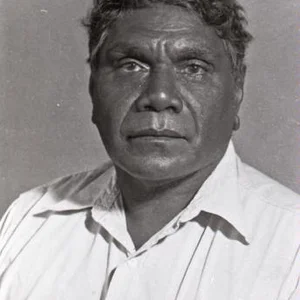
Albert Namatjira
1902 — 1959
Albert Namatjira (1902-1959) was an Arrernte Aboriginal painter, famous for his watercolors of the arid landscapes of Central Australia. The first Indigenous Australian to receive citizenship in 1957, he remains a symbol of cultural resilience and creativity in the face of colonial oppression.
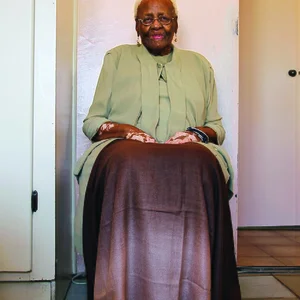
Amina Cachalia
1930 — 2013
A South African anti-apartheid activist of Indian descent, Amina Cachalia devoted her life to fighting racial segregation in South Africa. A close ally of Nelson Mandela and the ANC, she was a leading figure in the Federation of South African Women.
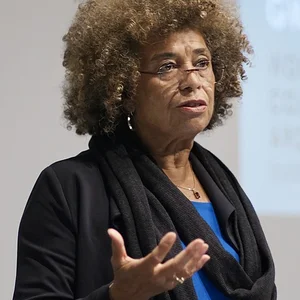
Angela Davis
1944 — ?
African-American civil rights activist, philosopher, and university professor born in 1944 in Birmingham, Alabama. An iconic figure of the Black Power movement and intersectional feminism, she was imprisoned in 1970 before being acquitted. She remains a leading voice against systemic racism and social inequality.
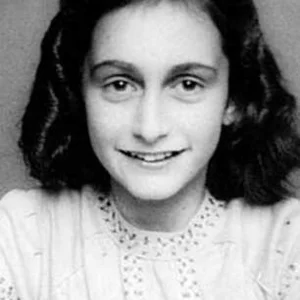
Anne Frank
1929 — 1945
Anne Frank (1929-1945) was a young Dutch-Jewish girl whose diary, written in hiding during the Nazi occupation, became a poignant testimony of the Holocaust. She died in deportation at Bergen-Belsen, and her work remains a major source for understanding persecution and humanity in the face of horror.
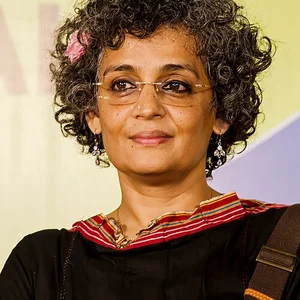
Arundhati Roy
1961 — ?
Arundhati Roy is an Indian novelist, essayist, and activist born in 1961. Her novel The God of Small Things (1997) won the Booker Prize. She is a vocal advocate against nuclear weapons, dam construction, and social inequality in India.
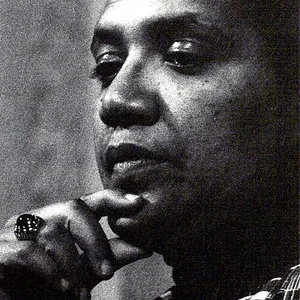
Audre Lorde
1934 — 1992
Audre Lorde (1934-1992) was an American poet, essayist, and activist, a leading figure in Black feminism and the civil rights struggle. She theorized intersectionality before the term existed, championing the rights of Black women, LGBT people, and the oppressed.
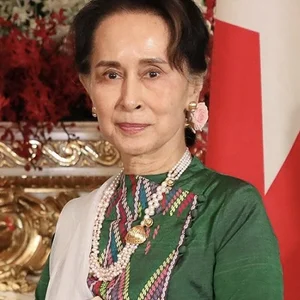
Aung San Suu Kyi
1945 — ?
Burmese democracy activist, Aung San Suu Kyi devoted her life to peaceful resistance against the military junta in Myanmar. Winner of the Nobel Peace Prize in 1991, she spent 15 years under house arrest before leading her country from 2016 to 2021.
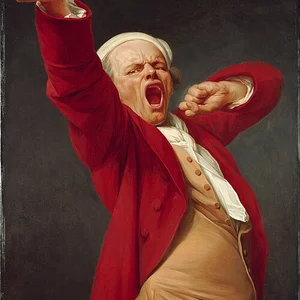
Banksy
1974 — ?
British artist born in 1974, Banksy is a graffiti artist and political activist known for his satirical and subversive street art. Operating under the cover of anonymity, he uses urban art to criticize society, war, and social injustices.
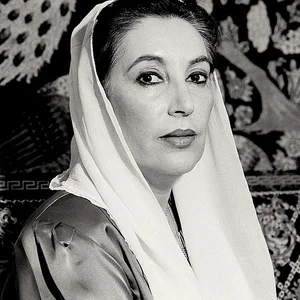
Benazir Bhutto
1953 — 2007
Benazir Bhutto was the first woman to lead a government in a Muslim-majority country, becoming Prime Minister of Pakistan in 1988. The daughter of Prime Minister Ali Bhutto, she fought against military dictatorships and became a symbol of democracy and women's rights in South Asia. Assassinated in an attack in 2007, she remains an iconic figure of political courage.
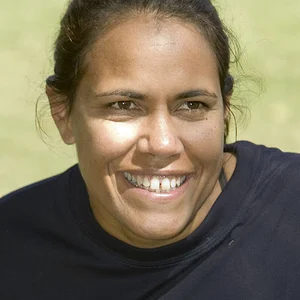
Cathy Freeman
1973 — ?
An Australian athlete of Aboriginal descent, Cathy Freeman became Olympic champion in the 400 metres at the Sydney 2000 Olympic Games. She is an iconic figure of reconciliation between Australians and Aboriginal peoples.
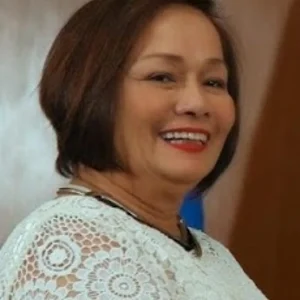
Corazón Aquino
1933 — 2009
Corazón Aquino, wife of assassinated political activist Benigno Aquino, became in 1986 the first female president of the Philippines after leading the “People Power Revolution” against Ferdinand Marcos's dictatorship. A symbol of democracy and civic courage, she embodies peaceful resistance and democratic transition in Southeast Asia.
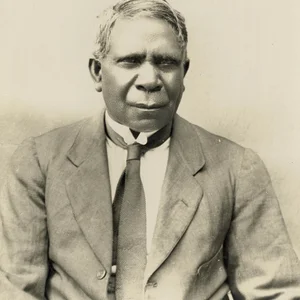
David Unaipon
1872 — 1967
David Unaipon, son of a Ngarrindjeri preacher, was the first Indigenous Australian to publish a literary work and to file invention patents. Nicknamed the 'Australian Leonardo da Vinci', he notably designed a mechanical shearing handpiece and worked on flight prototypes inspired by the boomerang. His portrait has appeared on the Australian $50 note since 1995.
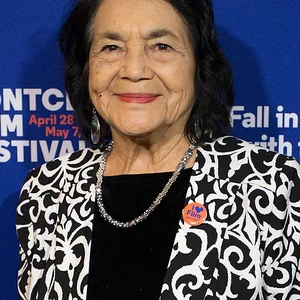
Dolores Huerta
1930 — ?
Dolores Huerta, born in 1930 in New Mexico, is an American labor and civil rights activist. Co-founder alongside César Chávez of the United Farm Workers (UFW), she championed the rights of migrant farmworkers, predominantly Latino. Her slogan “Sí, se puede!” has become a global symbol of the struggle for social justice.
Dorothy Ashby
1932 — 1986
Dorothy Ashby was an American jazz harpist and composer, considered one of the pioneers who established the harp as a fully-fledged solo instrument in jazz. Active from the 1950s to the 1980s, she blended jazz, world music, and soul.

Eddie Mabo
1936 — 1992
Eddie Mabo, an Australian of Melanesian origin (Murray Island), is the hero of the legal battle that overturned the doctrine of "terra nullius" in 1992. His posthumous victory before the High Court of Australia recognized the ancestral land rights of Indigenous peoples, revolutionizing Australian law.
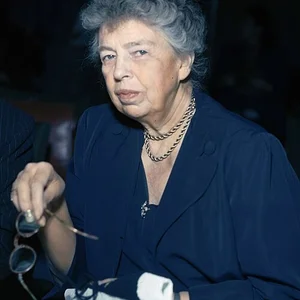
Eleanor Roosevelt
1884 — 1962
First Lady of the United States (1933–1945), Eleanor Roosevelt established herself as a tireless advocate for civil rights and social justice. She chaired the UN commission that drafted the Universal Declaration of Human Rights (1948).
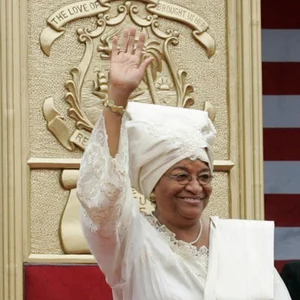
Ellen Johnson Sirleaf
1938 — ?
Ellen Johnson Sirleaf became in 2006 the first woman elected president of an African state, leading Liberia after a long civil war. A trained economist, she worked to rebuild the country and foster national reconciliation, receiving the Nobel Peace Prize in 2011.
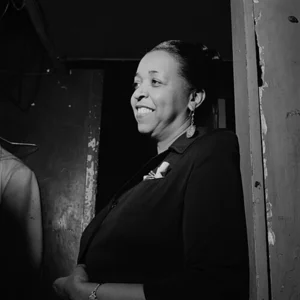
Ethel Waters
1896 — 1977
Ethel Waters (1896-1977) was an African American singer and actress. A pioneer of jazz and vocal blues, she broke racial barriers on Broadway, in film, and on American television, becoming one of the most famous Black artists of the first half of the 20th century.
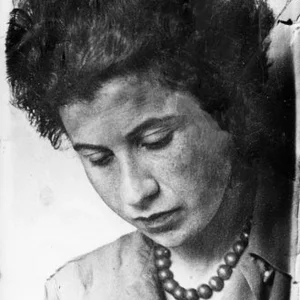
Etty Hillesum
1914 — 1943
Etty Hillesum was a young Dutch Jewish woman whose diary, written between 1941 and 1943, bears witness to a profound inner life in the face of Nazi persecution. Working as a social worker at the Westerbork transit camp, she refused to flee and chose to share the fate of her people. She was deported to Auschwitz, where she died in November 1943 at the age of 29.
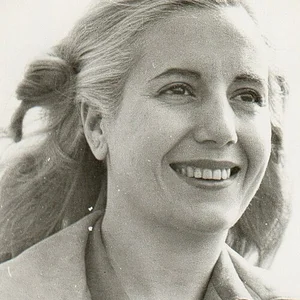
Eva Perón
1919 — 1952
Eva Perón, wife of Argentine president Juan Perón, became one of the most influential political figures in Latin America. A symbol of the descamisados (shirtless ones), she fought for workers' and women's rights, notably securing women's suffrage in Argentina in 1947.
Evelyn Boyd Granville
1924 — 2023
Evelyn Boyd Granville was an American mathematician, one of the first African American women to earn a doctorate in mathematics in the United States (Yale, 1949). She contributed to the American space programs by developing trajectory analyses for the Vanguard, Mercury, and Apollo missions.
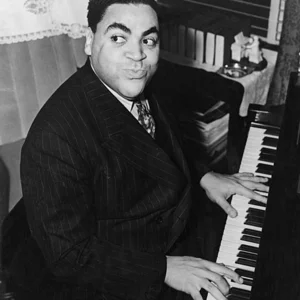
Fats Waller
1904 — 1943
African-American jazz pianist, organist, composer and singer, major figure of stride piano. A virtuoso showman, he marked jazz in the 1920s-1930s with standards like "Ain't Misbehavin'" and "Honeysuckle Rose."
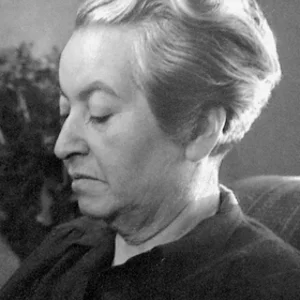
Gabriela Mistral
1889 — 1957
Gabriela Mistral, born Lucila Godoy Alcayaga, was a Chilean poet and diplomat. The first Latin American to receive the Nobel Prize in Literature in 1945, she devoted her work to themes of maternal love, childhood, and Latin American identity.
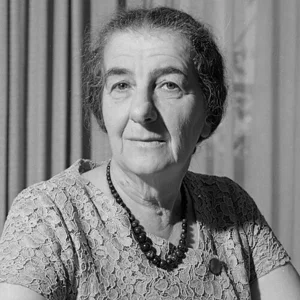
Golda Meir
1898 — 1978
Golda Meir, born in Ukraine and emigrated to Mandatory Palestine, is one of the founders of the State of Israel. The first woman Prime Minister of Israel (1969–1974), she embodies the building of the young state and faced the Yom Kippur War in 1973.
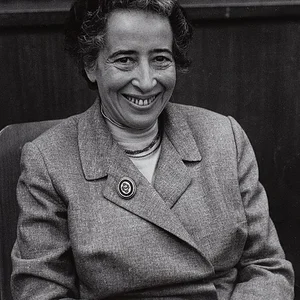
Hannah Arendt
1906 — 1975
German-born American philosopher (1906–1975), Hannah Arendt is one of the most influential thinkers of the 20th century. A refugee in the United States after fleeing Nazism, she developed a critical analysis of totalitarianism, political violence, and the human condition in the modern world.
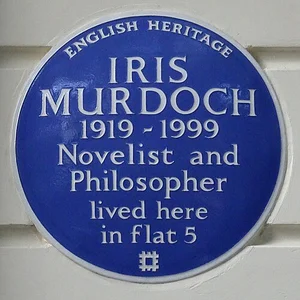
Iris Murdoch
1919 — 1999
Iris Murdoch (1919-1999) was an Irish-British philosopher and novelist, professor at Oxford, known for novels that combine moral reflection with psychological intrigue. The author of more than twenty-six novels and major philosophical works, she explores themes of love, freedom, and the Good.
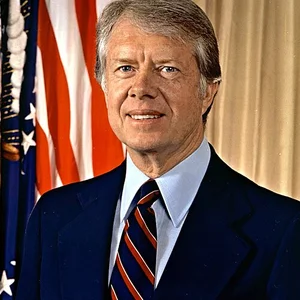
Jimmy Carter
1924 — 2024
American statesman, 39th President of the United States from 1977 to 1981. A Democrat from Georgia, he remained famous for his diplomatic work and humanitarian commitment after his presidency, crowned by the Nobel Peace Prize in 2002.
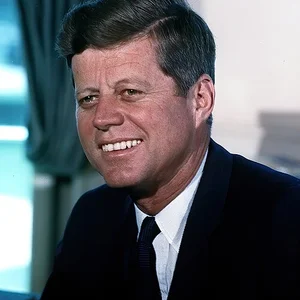
John F. Kennedy
1917 — 1963
President of the United States from 1961 to 1963, John F. Kennedy embodies the political modernity of the 20th century. His term was marked by critical moments of the Cold War, notably the Cuban Missile Crisis, and by his commitment to civil rights before his assassination in Dallas.
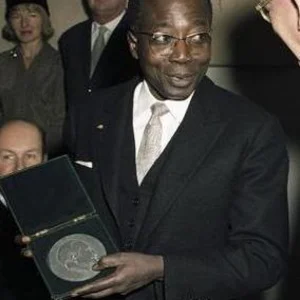
Léopold Sédar Senghor
1906 — 2001
Senegalese poet, writer, and statesman (1906–2001), Senghor was the first president of independent Senegal. A leading theorist of the Négritude movement, he championed a humanist vision of African culture and left a lasting mark on twentieth-century Francophone literature.
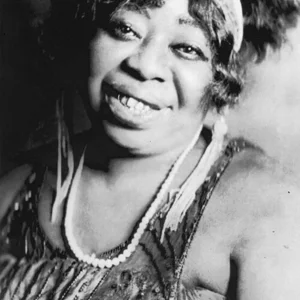
Ma Rainey
1886 — 1939
American blues singer, known as the "Mother of the Blues." A pioneer of classic blues, she was one of the first African American artists to record records in the 1920s and influenced an entire generation of female singers.
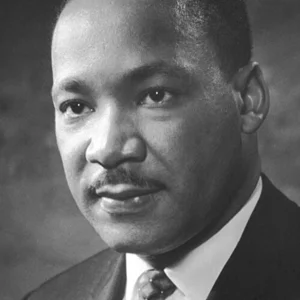
Martin Luther King
1929 — 1968
African-American Baptist pastor (1929–1968) and major leader of the civil rights movement in the United States. He championed nonviolence and racial equality, becoming one of the most influential figures of the 20th century before his assassination.
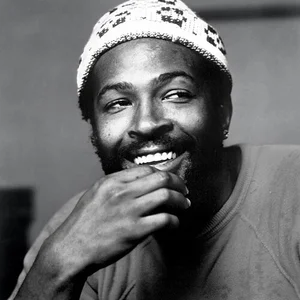
Marvin Gaye
1939 — 1984
Marvin Gaye (1939-1984) was an American singer, songwriter, and producer, a major figure in soul music and Motown. With the album *What's Going On* (1971), he transformed soul into a vehicle for social and political engagement.
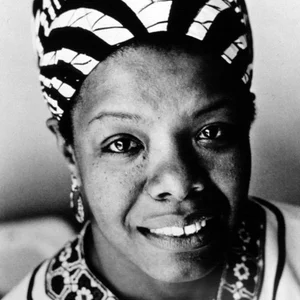
Maya Angelou
1928 — 2014
African-American poet, memoirist, and activist (1928–2014), Maya Angelou is best known for her autobiography I Know Why the Caged Bird Sings. A committed figure in the civil rights movement alongside Martin Luther King Jr., she became one of the most important voices in 20th-century American literature.
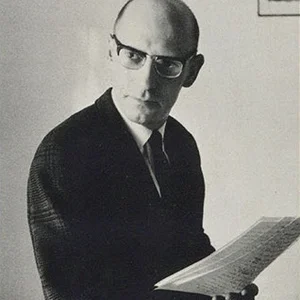
Michel Foucault
1926 — 1984
French philosopher (1926–1984) who revolutionized the analysis of power, knowledge, and surveillance in modern societies. His work on institutions (prisons, hospitals, schools) profoundly influenced contemporary philosophy and the social sciences.
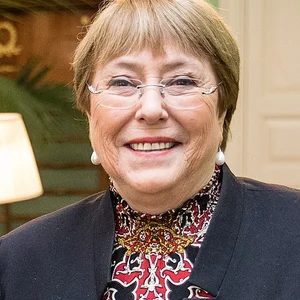
Michelle Bachelet
1951 — ?
Michelle Bachelet, born in 1951 in Chile, is a physician and politician who became the first female president of Chile (2006–2010, then 2014–2018). A human rights activist, she also led UN Women and the UN High Commissioner for Human Rights.
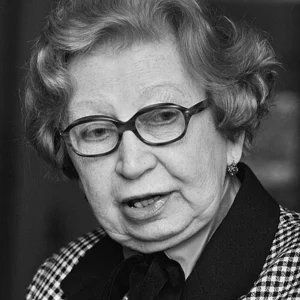
Miep Gies
1909 — 2010
Miep Gies (1909-2010) was a Dutch office worker of Austrian origin who hid Anne Frank and her family in the Secret Annex in Amsterdam from 1942 to 1944. After their arrest by the Gestapo, she gathered Anne Frank's notebooks and kept them safe, making their worldwide publication possible.
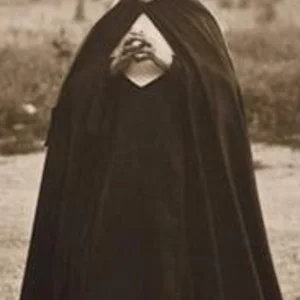
Mother Teresa
1910 — 1997
Born in 1910 in Ottoman Macedonia, Mother Teresa founded the Missionaries of Charity in Calcutta in 1950 to help the poorest of the poor. A global icon of compassion, she received the Nobel Peace Prize in 1979 and was canonized in 2016.
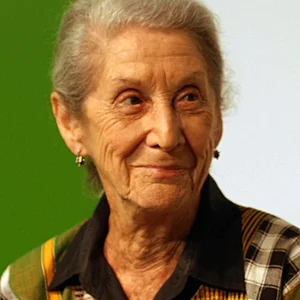
Nadine Gordimer
1923 — 2014
Nadine Gordimer (1923–2014) was a South African novelist whose work powerfully denounced the apartheid regime. Winner of the Nobel Prize in Literature in 1991, she devoted her entire life to defending human rights and freedom of expression in South Africa.

Naomi Ōsaka
1997 — ?
Naomi Ōsaka is a Japanese-American professional tennis player born in 1997 in Osaka. A former world number 1, she has won four Grand Slam titles. She has also been a vocal advocate for social justice and athletes' mental health.
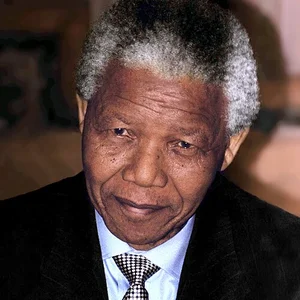
Nelson Mandela
1918 — 2013
South African political leader (1918–2013), founding figure of the struggle against apartheid and first Black president of South Africa. Imprisoned for 27 years for his revolutionary activities, he became a symbol of reconciliation and democratic transition in his country.
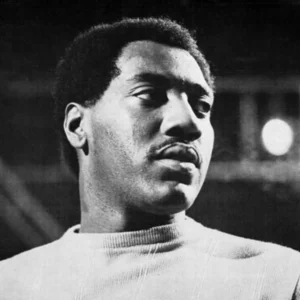
Otis Redding
1941 — 1967
Otis Redding (1941-1967) was an American singer and songwriter, a major figure in 1960s soul music. An iconic voice on the Stax label in Memphis, he died prematurely in a plane crash at age 26, shortly after recording his greatest hit.
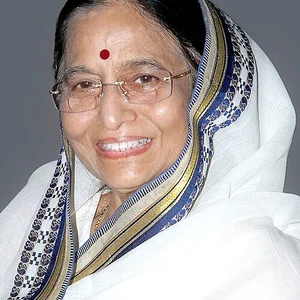
Pratibha Patil
1934 — ?
Pratibha Patil is an Indian politician born in 1934 who became the first female President of India from 2007 to 2012. Trained as a lawyer, she was active within the Indian National Congress party and held numerous government positions before reaching the country's highest office.
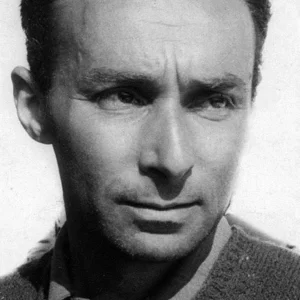
Primo Levi
1919 — 1987
Italian writer and chemist (1919-1987), Primo Levi is the author of landmark testimonies about the Holocaust. Arrested in 1943 as an antifascist partisan, he was deported to Auschwitz where he survived thanks to his skills as a chemist. After the war, he became an essential voice in witness literature.
Public Enemy (Chuck D)
Chuck D is the leader and main lyricist of the American hip-hop group Public Enemy, founded in 1985. A major figure of political rap, he turned hip-hop into a platform for denouncing racism and social injustice in the United States.
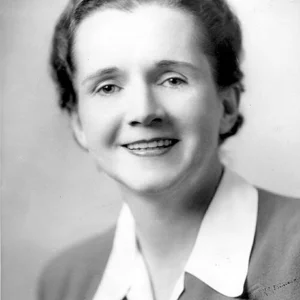
Rachel Carson
1907 — 1964
Marine biologist and American writer, Rachel Carson is the pioneer of the modern environmental movement. Her book *Silent Spring* (1962) exposed the massive use of pesticides and their devastating impact on ecosystems, sparking a global awakening on environmental protection.
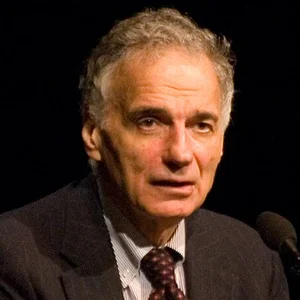
Ralph Nader
1934 — ?
Ralph Nader is an American lawyer and activist born in 1934, a pioneer of consumer advocacy. His fight for automobile safety transformed industrial regulation in the United States. He also ran for president several times.
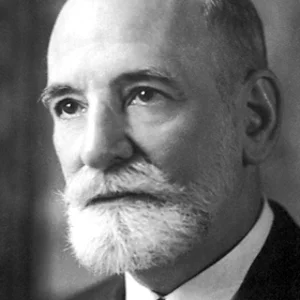
René Cassin
1887 — 1976
French jurist and statesman, René Cassin was one of the principal drafters of the Universal Declaration of Human Rights (1948). A resistance fighter from the very first days alongside General de Gaulle, he was awarded the Nobel Peace Prize in 1968.
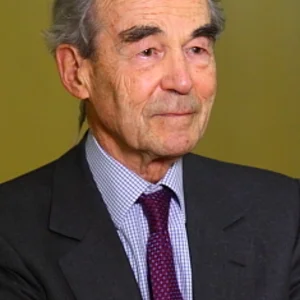
Robert Badinter
1928 — 2024
French lawyer, jurist, and politician (1928–2024), Robert Badinter is renowned for championing the abolition of the death penalty in France in 1981 as Minister of Justice (Garde des Sceaux). A lifelong defender of human rights, he served as President of the Constitutional Council from 1986 to 1995.
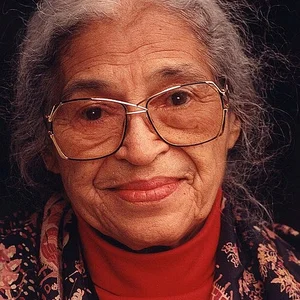
Rosa Parks
1913 — 2005
Rosa Parks was an African American civil rights activist, born in 1913 in Alabama. She became famous in 1955 for refusing to give up her seat to a white passenger on a bus in Montgomery — an act of civil disobedience that sparked the Montgomery Bus Boycott and helped accelerate the end of racial segregation in the United States.
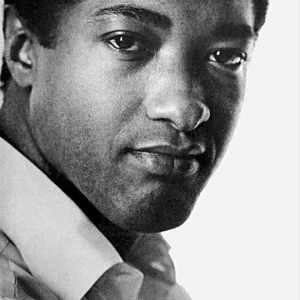
Sam Cooke
1931 — 1964
Sam Cooke (1931-1964) was an American singer, songwriter, and entrepreneur, considered one of the founding fathers of soul music. Coming from gospel, he managed to unite spirituality and popular music and became a figure in the fight for civil rights.
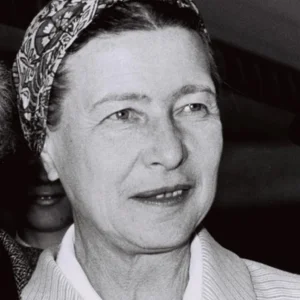
Simone de Beauvoir
1908 — 1986
French philosopher and novelist (1908–1986), Simone de Beauvoir is a towering figure of existentialism and modern feminism. Author of The Second Sex, a foundational essay on the condition of women, she profoundly shaped philosophical thought and emancipatory movements throughout the 20th century.
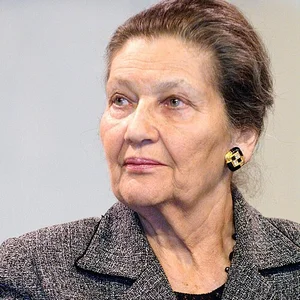
Simone Veil
1927 — 2017
French politician (1927-2017), Holocaust survivor, and Minister of Health under Valéry Giscard d'Estaing. She is celebrated for championing the law decriminalizing abortion in France in 1975, a landmark victory for women's rights.
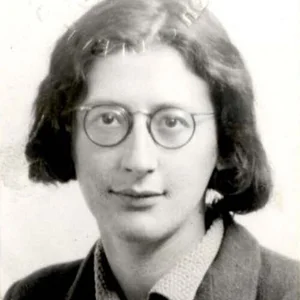
Simone Weil
1909 — 1943
French philosopher (1909-1943) committed to social and spiritual engagement. She combined philosophical reflection with direct action alongside workers and the oppressed, while developing an original mystical thought. Her work, published posthumously, explores the relationships between labor, justice, and transcendence.
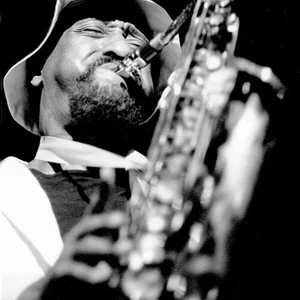
Sonny Rollins
1930 — 2026
Sonny Rollins, born Theodore Walter Rollins, was one of the most influential tenor saxophonists in jazz history. A major figure of the post-bebop era, he left his mark on the genre with albums like *Saxophone Colossus* (1956) and composed standards played worldwide, such as "Oleo" and "St. Thomas." He passed away on May 25, 2026, in Woodstock at the age of 95.
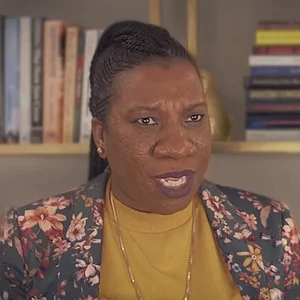
Tarana Burke
1973 — ?
Tarana Burke is an American civil rights activist and founder of the #MeToo movement in 2006. She has dedicated her life to supporting survivors of sexual violence, particularly in underprivileged Black communities.
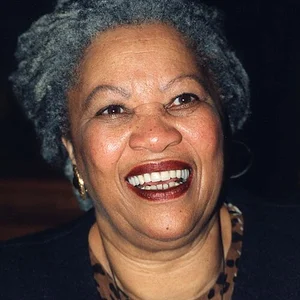
Toni Morrison
1931 — 2019
A towering figure of 20th-century African American literature, Toni Morrison wrote landmark novels exploring the Black American experience, particularly slavery and its lasting trauma. She received the Nobel Prize in Literature in 1993, becoming the first Black woman to be awarded that honor.
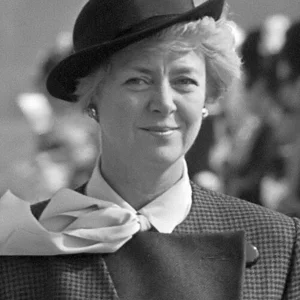
Vigdís Finnbogadóttir
1930 — ?
Vigdís Finnbogadóttir was elected President of Iceland in 1980, becoming the first woman in the world to be democratically elected head of state. Re-elected four times, she served until 1996 and became a global figure in feminism and cultural diplomacy.
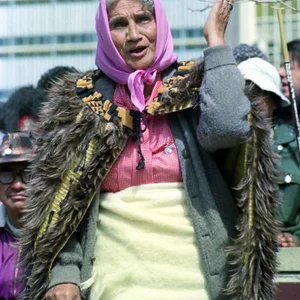
Whina Cooper
1895 — 1994
A New Zealand Māori activist, Whina Cooper dedicated her life to defending her people's land rights. In 1975, at the age of 80, she led the great Māori Land March from Te Hapua to Wellington. Regarded as the 'Mother of the Nation' of the Māori people, she remains a symbol of peaceful resistance.
Ai Weiwei
1957 — ?
Ai Weiwei is a Chinese visual artist and activist, a leading figure in contemporary art. Known for his monumental installations and politically engaged works, he denounces human rights abuses and censorship by the Chinese regime, which earned him surveillance, imprisonment, and exile.
Kerry James Marshall
1955 — ?
Kerry James Marshall is an American painter born in 1955, famous for his large canvases depicting figures with deep black skin. His work reinserts Black figures into the great tradition of Western painting, from which they had historically been absent.

Leymah Gbowee
Liberian pacifist activist, she led the women's peace movement in Liberia, helping to end the second civil war in 2003. Nobel Peace Prize in 2011.