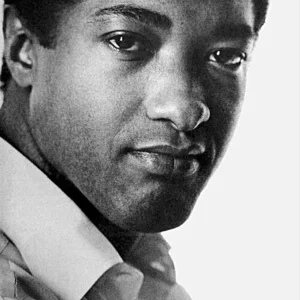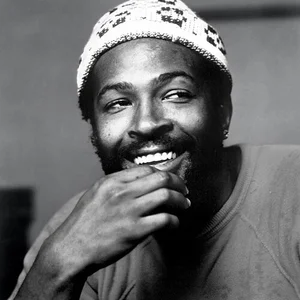

Marvin Gaye (1939-1984) was an American singer, songwriter, and producer, a major figure in soul music and Motown. With the album *What's Going On* (1971), he transformed soul into a vehicle for social and political engagement.
Marvin Gaye(1939 — 1984)
Marvin Gaye
États-Unis
6 min read
Frequently asked questions
Key Facts
- Born on April 2, 1939, in Washington, D.C., he became one of the stars of the Motown label in the 1960s.
- In 1971, he released the concept album *What's Going On*, addressing war, poverty, and ecology.
- He followed up with hits like *Let's Get It On* (1973) and *Sexual Healing* (1982), which earned him two Grammy Awards.
- He died on April 1, 1984, in Los Angeles, killed by his father during an argument.
Works & Achievements
One of his greatest songs, which became a timeless soul anthem. The melancholic melody and evocative lyrics make it a classic taught in schools as an example of classic soul composition.
A revolutionary concept album that transformed soul into a vehicle for social critique against the Vietnam War and for civil rights. This album set a new standard of artistic engagement and inspired generations of artists.
Iconic duet showcasing the vocal chemistry between Marvin and Tammi Terrell. The song expresses universal tenderness and became a model for collaboration between artists in soul music.
Album exploring sensuality and human intimacy with musical sophistication. A major commercial success, it redefined how soul approaches romantic and personal themes.
Innovative synth-driven song blending traditional soul with futuristic electronic sounds. Recorded while in exile, it became an anthem of personal reconciliation and won prestigious international awards.
Song from the album *What's Going On* addressing the ecological and environmental crisis. A precursor to environmental activism in popular music, it remains strikingly relevant today.
Anecdotes
Marvin Gaye recorded several duets with singer Tammi Terrell between 1965 and 1970. Their songs like "Ain't No Mountain High Enough" became soul classics. Tragically, Tammi Terrell died in 1970 from a brain tumor, leaving Marvin deeply affected and inspiring his future artistic commitment.
The album *What's Going On* (1971) was initially rejected by Berry Gordy, the founder of Motown, who thought soul music should not address politics. Marvin insisted, turning the album into a social manifesto against the Vietnam War and for civil rights, becoming a model of musical protest.
In 1982, after exiling himself in Belgium to escape personal problems and debts, Marvin recorded *Sexual Healing*, a revolutionary song that blends electronic synthesizers and classic soul. This innovative production earned him a Grammy Award and a triumphant return to the United States.
Marvin Gaye married Anna Gordy, the younger sister of Berry Gordy, head of Motown. This marriage placed him at the heart of the Motown music empire, but also into complex family tensions that marked his career and personal life.
His live performances were legendary for their sensuality and energy. Marvin danced on stage in a shiny suit, setting a new standard for male soul performance that would influence artists for decades.
Primary Sources
This album is a reflection of my times, and the times of my people... I had to speak out on behalf of those who had no voice.
The soul of man must be nourished with truth. Music is the vehicle through which that truth travels to the hearts of men.
This record explores human intimacy and connection in a way that respects both the body and the spirit of people.
Key Places
Birthplace and childhood home of Marvin Gaye in 1939. The city, capital of the United States, was the heart of the social movements for civil rights that would deeply inspire his socially conscious works.
Headquarters of Motown Records where Marvin recorded his major hits from 1961 to 1971. Detroit was the heart of African American soul music and the labor union movement that Marvin celebrated musically.
Center of the entertainment and show industry where Marvin regularly performed and recorded major albums. A city symbolizing the American dream and the social inequalities he criticizes in his music.
Place of exile for Marvin between 1981 and 1982, where he recorded "Sexual Healing" to escape personal and legal troubles. This period of isolation paradoxically produced one of his greatest international successes.
Prestigious recording studio where Marvin worked to refine some of his productions during his late creative phases, notably with innovative producers of the 1980s.
Typical Objects

Essential instrument for Marvin's studio recordings, capturing the richness and subtlety of his distinctive voice. Neumann microphones were favored at Motown for their superior quality.

Central composition and arrangement instrument for Marvin, where he created his melodies and arrangements. The Steinway piano was the preferred instrument of major soul composers at Motown.

Signature element of his live performances, reflecting the elegance and sensuality of his shows. Sparkling costumes symbolized the glamour of 1970s soul performances.

Physical media for his albums, including *What's Going On* and *Sexual Healing*, representing the era of vinyl dominance in popular music.

Personal notebook where Marvin jotted down melodies, lyrics, and arrangements. These documents reflect his creative process of social and artistic engagement.

Modern instrument adopted by Marvin in the 1980s to create innovative sounds, notably on *Sexual Healing*, blending traditional soul with technology.
School Curriculum
Vocabulary & Tags
Key Vocabulary
Tags
Daily Life
Morning
Marvin generally wakes up late, inspired by nights of music creation. He has a light breakfast, often strong coffee and fruit, while listening to recordings of his peers or classical musicians. He checks the newspapers to stay informed about social and political issues that fuel his art.
Afternoon
Afternoons are dedicated to rehearsals or productive studio sessions. Marvin works intensely on arrangements, perfecting his vocal lines and exploring sonic innovations. Sessions can last several hours, with breaks where he consults his composition notebooks.
Evening
Evenings are split between performance preparations or extended studio sessions. When performing live, Marvin prepares methodically, perfecting his stage outfit and movements. On nights without a show, he may relax with fellow musicians, discussing politics and art.
Food
Balanced diet including fish, chicken, and fresh vegetables, favoring traditional African American cuisine. Marvin regularly consumes exotic fruits and natural juices to keep his voice in good condition. He limits alcohol and heavy foods before performances.
Clothing
Elegant and comfortable everyday clothes: fitted trousers, silk shirts, understated designer suits. On stage, he wears sparkling sequined outfits, often in warm tones, accompanied by sophisticated jewelry. Sunglasses and a well-groomed afro are his permanent trademarks.
Housing
Marvin lives in elegant homes in Los Angeles and Detroit, reflecting his Motown star status. His houses feature private recording studios and spacious music rooms equipped with pianos. Harmonious spaces blending modern luxury with art collections representing his cultural commitment.
Historical Timeline
Period Vocabulary
Visual Style
Style visuel de Marvin Gaye associant l'élégance soul des années 1970 aux innovations esthétiques des années 1980. Costumes scintillants, afro soigné, présence scénique expressive reflétant sa dignité artistique et son engagement social.
Sound Ambience
Ambiance sonore riche du studio Motown, mêlant voix chaleureuse et expressive de Marvin avec orchestrations sophistiquées. Les arrangements évoluent du classique soul orchestral aux synthétiseurs innovants des années 1980, créant une signature sonore intemporelle.