 flip
flipAruhe tuki (Pounded fernroot cake)
Aruhe tuki (Pounded fernroot cake)
Why this dish? Fernroot (aruhe) was the daily staple of Māori even before kūmara, and it was still massively consumed in Te Rauparaha's time. During his journeys between Kāwhia and Kāpiti — a trip of several hundred kilometers on foot and by waka — these compact cakes were an essential energy ration. It was the food of the people, eaten by the chief as by the last warrior.
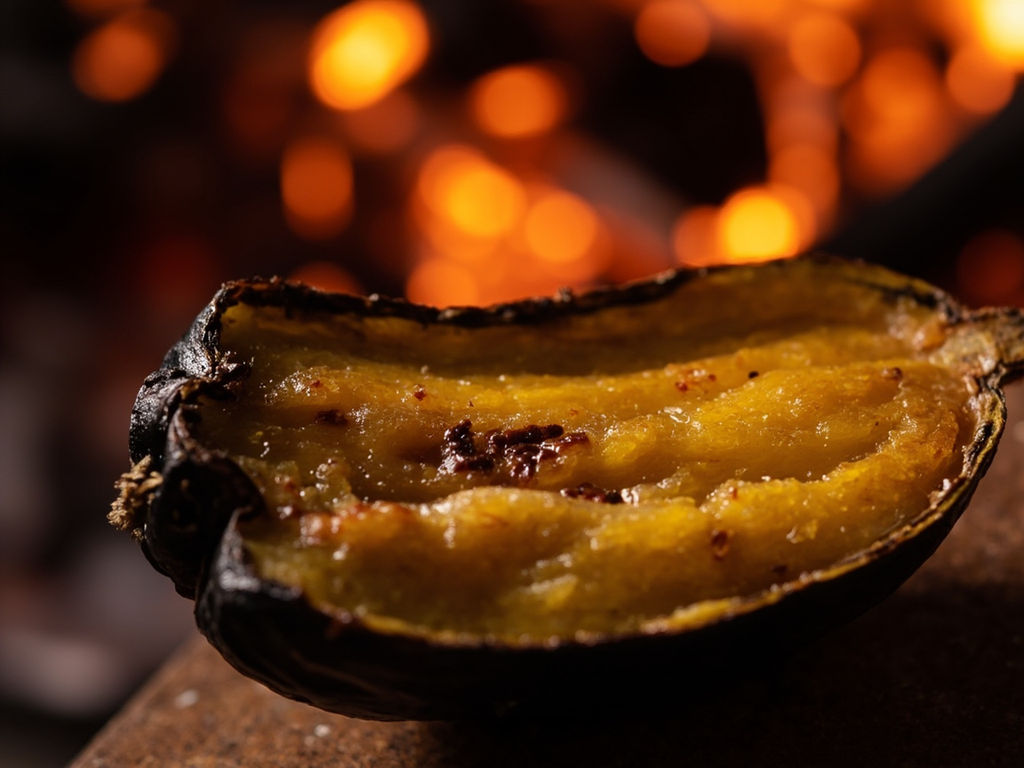
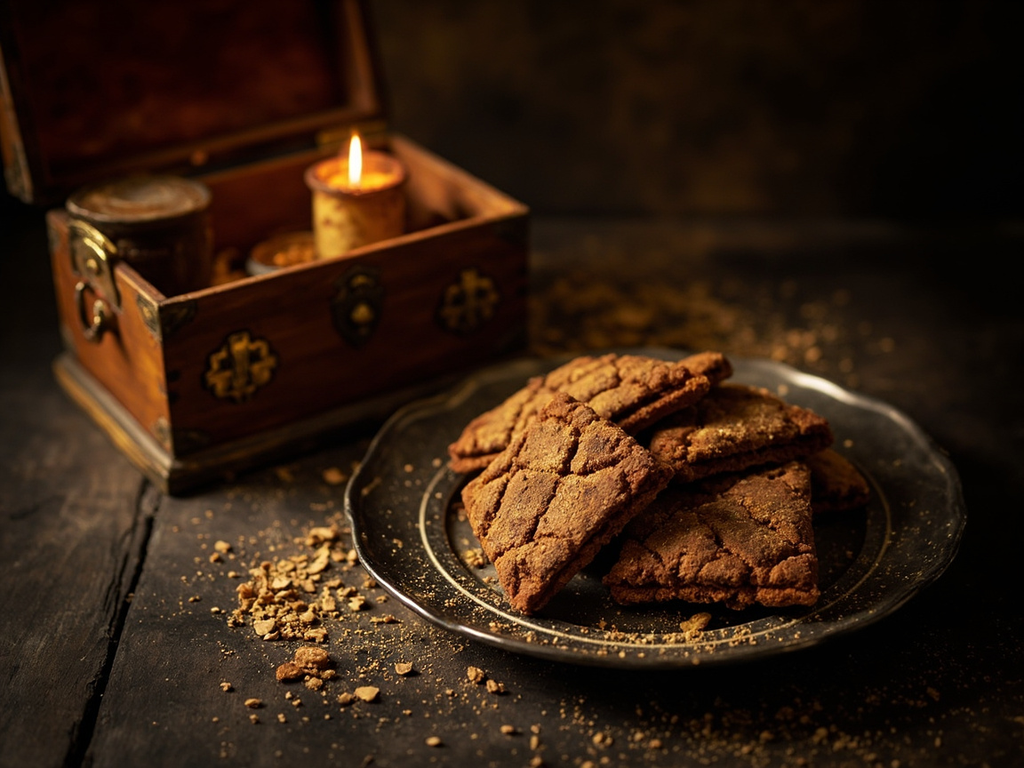
Bracken fern roots cooked, pounded with a stone mallet into a fibrous paste, then shaped into compact cakes. Slightly bitter with an earthy sweetness, these cakes were the caloric staple of the Māori diet for centuries.
Aruhe is the food of our tūpuna from forever, long before kūmara crossed the ocean with our ancestors. We pull the root from the earth, cook it in the ashes, and beat it with the patu aruhe until the fibers separate from the starch. We chew, we spit out the fibers, we swallow the rest. It sticks to a warrior's belly on the march. When I led my men from Kāwhia southward, it was aruhe that carried us.
- •Aruhe roots (bracken fern, Pteridium esculentum) — Large quantity, harvested in winter (Starchy base)
- •Water — For soaking and cooking (Rehydration)
Aruhe tuki (Pounded fernroot cake)
Bracken fern roots cooked, pounded with a stone mallet into a fibrous paste, then shaped into compact cakes. Slightly bitter with an earthy sweetness, these cakes were the caloric staple of the Māori diet for centuries.
Why this dish? Fernroot (aruhe) was the daily staple of Māori even before kūmara, and it was still massively consumed in Te Rauparaha's time. During his journeys between Kāwhia and Kāpiti — a trip of several hundred kilometers on foot and by waka — these compact cakes were an essential energy ration. It was the food of the people, eaten by the chief as by the last warrior.
Aruhe is the food of our tūpuna from forever, long before kūmara crossed the ocean with our ancestors. We pull the root from the earth, cook it in the ashes, and beat it with the patu aruhe until the fibers separate from the starch. We chew, we spit out the fibers, we swallow the rest. It sticks to a warrior's belly on the march. When I led my men from Kāwhia southward, it was aruhe that carried us.
Ingredients (period version)
- Aruhe roots (bracken fern, Pteridium esculentum) — Large quantity, harvested in winter (Starchy base)
- Water — For soaking and cooking (Rehydration)
Ingredients
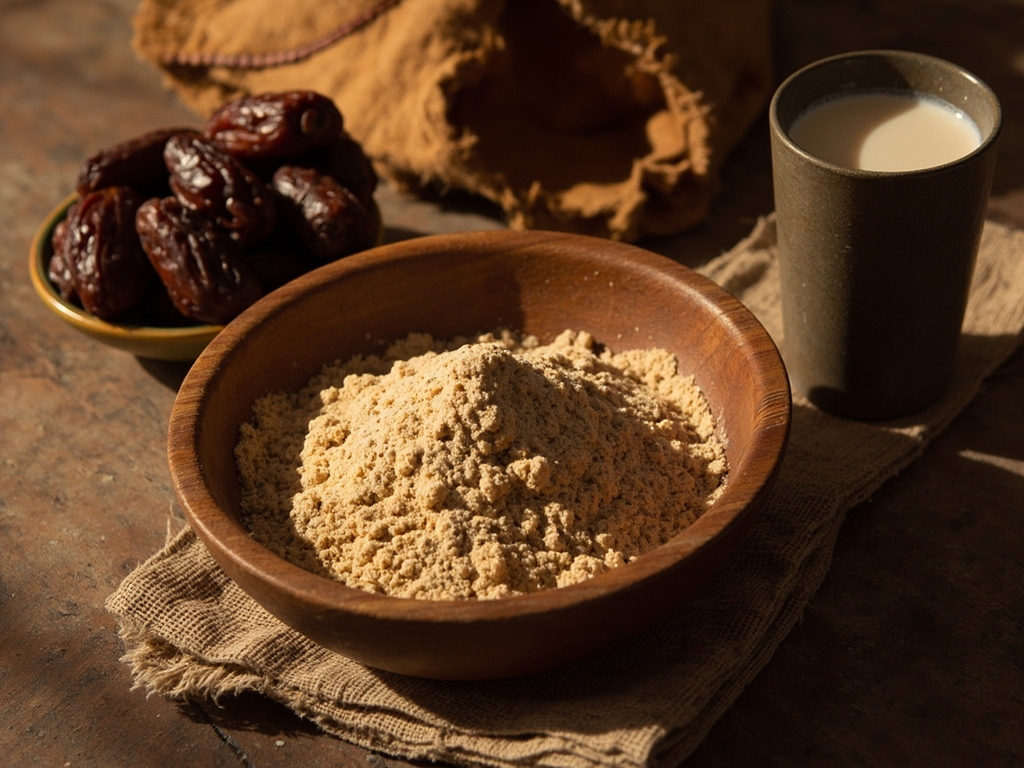
- Fern starch (or tapioca starch) — 200 g (Starchy base (substitute))
- Sweet potato flour (or cooked grated kūmara) — 100 g (Binder and sweetness)
- Warm water — 150-200 ml (Hydration)
- Pinch of salt — 1 pinch (Seasoning)
Method
- Mix the starch and sweet potato flour in a bowl.
- Gradually add the warm water, mixing by hand until a thick, cohesive dough forms.
- Add the salt, knead briefly.
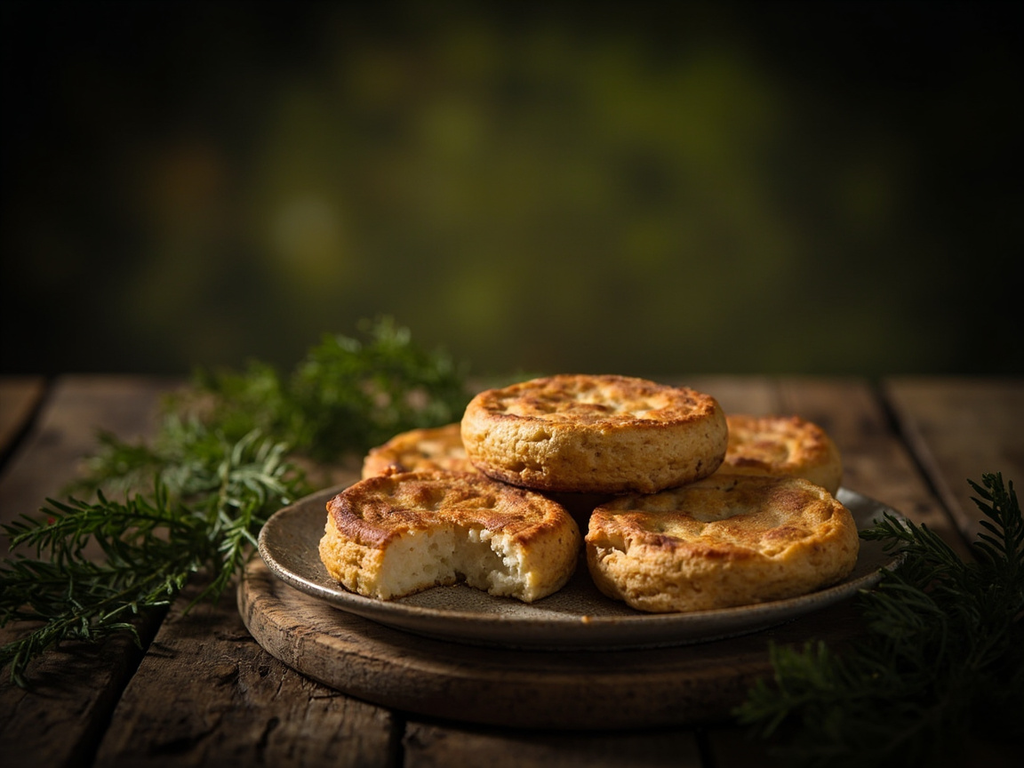
- Divide the dough into 6-8 portions, flatten into cakes 1 cm thick.
- Heat a cast-iron pan dry (no fat) over medium heat.
- Cook the cakes for 4-5 minutes per side until golden and slightly crispy on the outside.
- Serve warm. They keep for several days wrapped in a cloth.
How it was made : Bracken fern (Pteridium esculentum) grew abundantly in New Zealand, especially after burning. Its rhizomes were harvested in winter when the starch was concentrated. Traditional preparation involved cooking in hot ashes, followed by vigorous pounding with a patu aruhe (specific stone mallet). The fibers were separated from the starchy part by chewing, spitting out the tough fibers and swallowing the nutritious paste. This process, described by early European observers, surprised many visitors. Aruhe was gradually replaced by the European potato at the beginning of the 19th century.
The contemporary twist : Shape the cakes into a koru (fern spiral, Māori symbol of renewal) before cooking.
Sources : Best, Elsdon. "Forest Lore of the Maori", Dominion Museum Bulletin n° 14, Wellington, 1942. · Colenso, William. "On the Vegetable Food of the Ancient New Zealanders before Cook's Visit", Transactions of the New Zealand Institute, vol. 13, 1880. · Leach, Helen. "1,000 Years of Gardening in New Zealand", A.H. & A.W. Reed, Wellington, 1984.
Te Rauparaha · Charactorium