 flip
flipCoffee Ferney-style
Coffee Ferney-style
Why this dish? Voltaire remains famous for his prodigious coffee consumption — legend attributes dozens of cups a day to him. The quintessential Enlightenment drink, coffee accompanied his long writing nights and morning correspondence at Ferney. It is reported that he sometimes liked it with a little chocolate added.
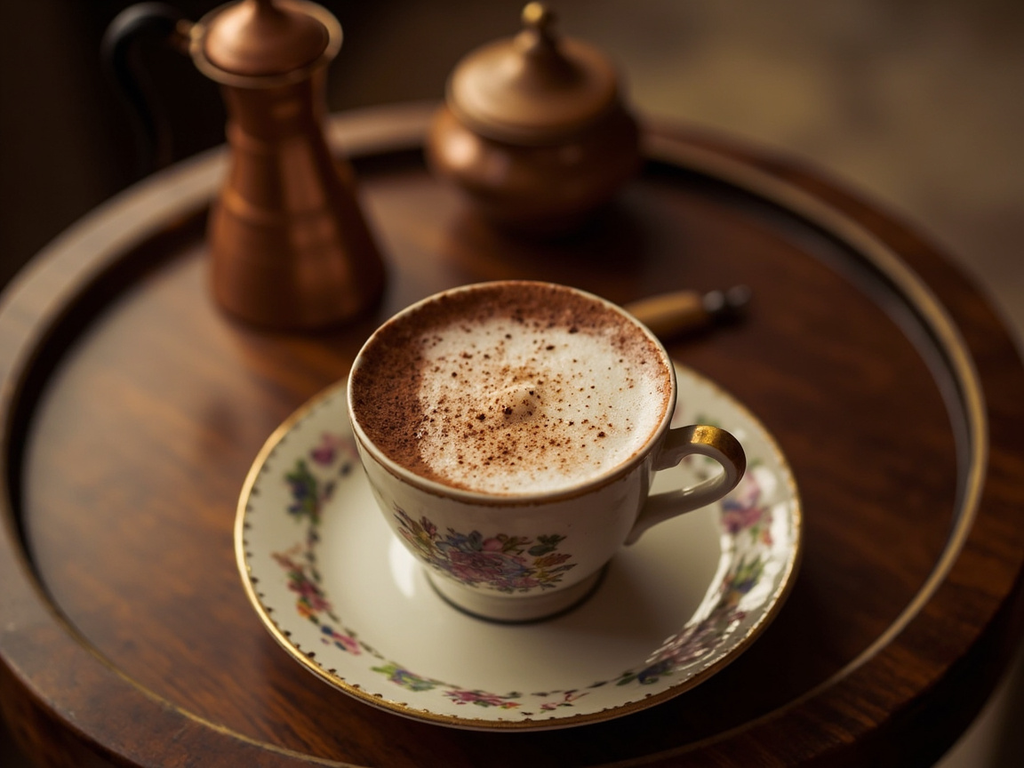
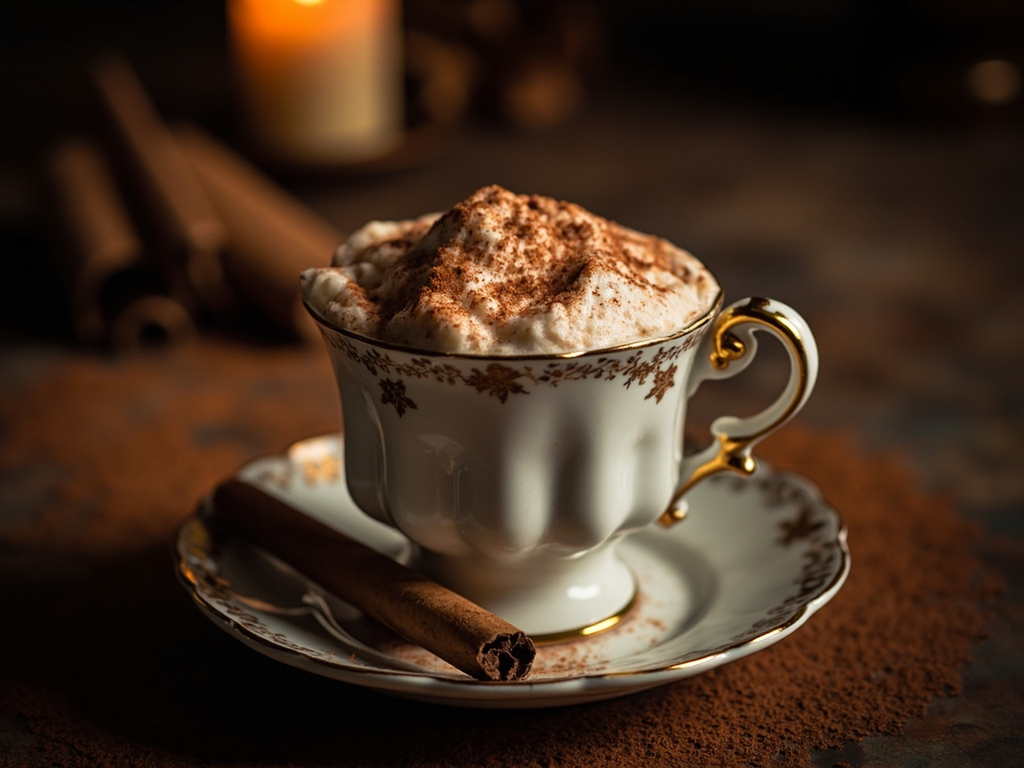
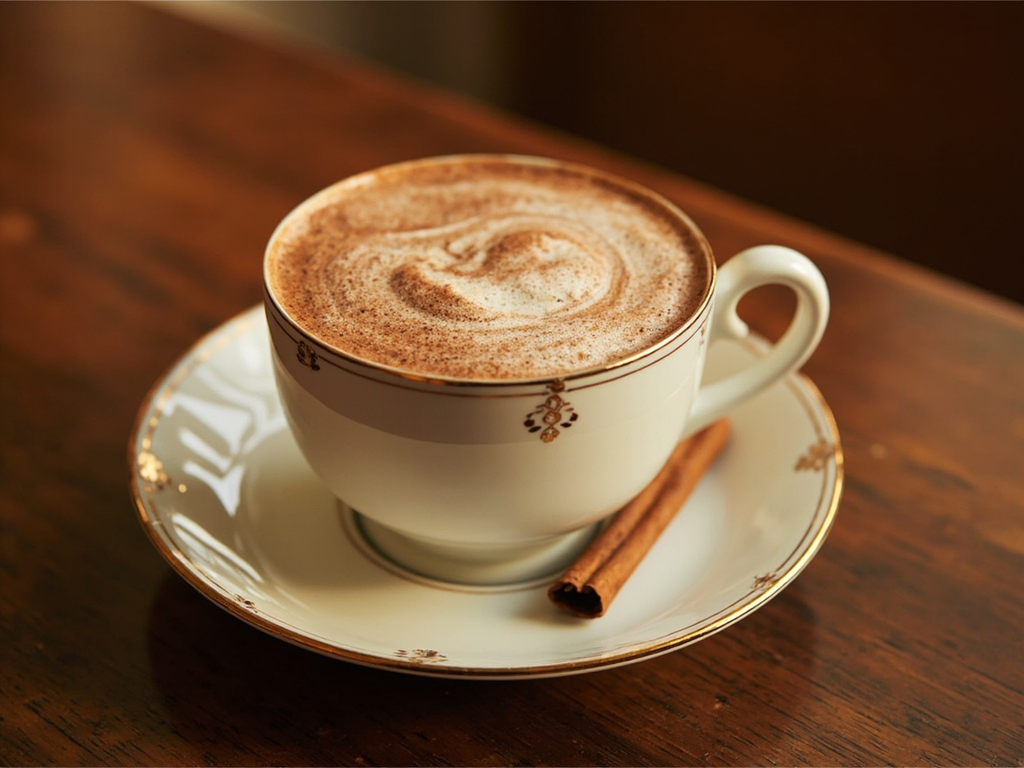
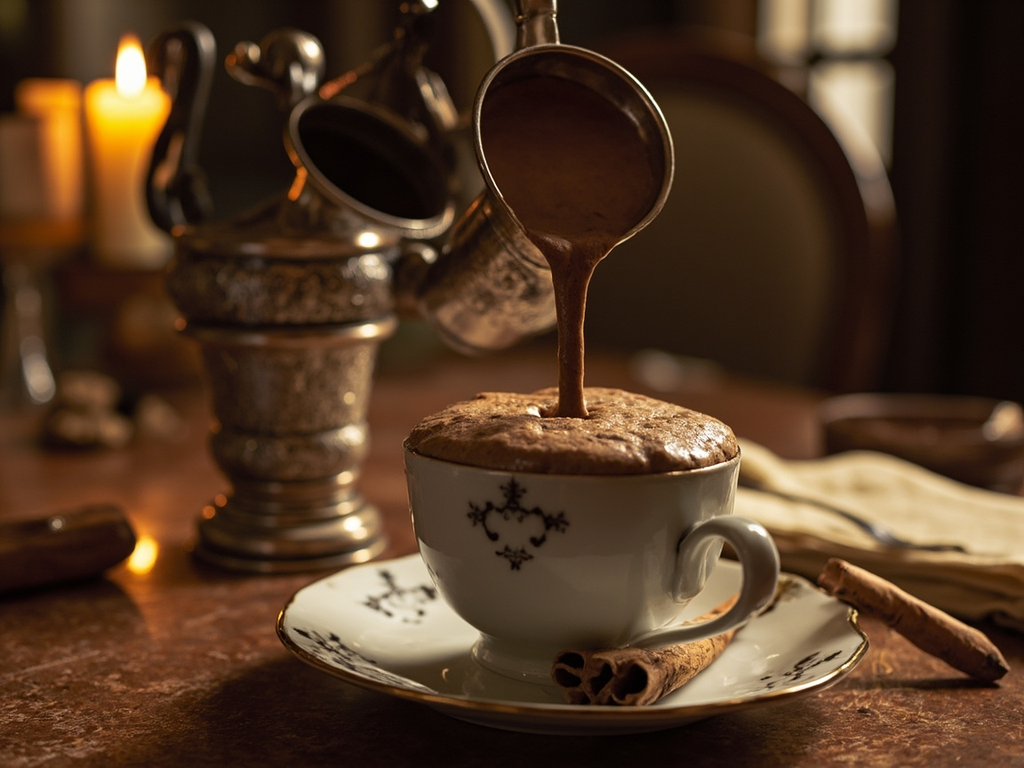
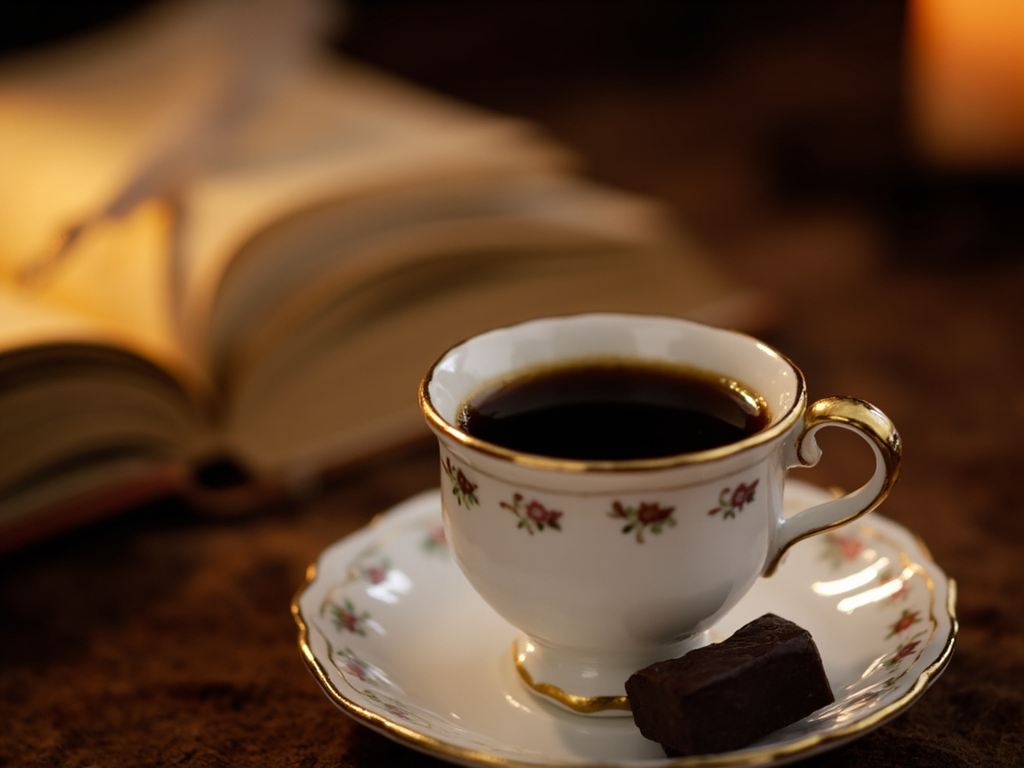
A black coffee, strong and bitter, sometimes softened with a hint of chocolate and sugar — the stimulating drink that kept vigil with the philosopher over his manuscripts.
I am told this brew is a slow poison; I willingly believe it, for I have been taking it for seventy years and am not yet dead. Coffee is the friend of the worker: it dispels the mists of the mind and makes the pen light. I take it black and burning, and when my heart so inclines, I mix in a little of that cocoa paste which softens its harshness without removing its fire. Drink of it, reader, but think of what you will write afterwards: a good coffee deserves a good thought.
- •Ground coffee (Levant beans) — generously (base)
- •Boiling water — as needed (extraction)
- •Chocolate (cocoa paste) — a small piece, optional (roundness, bitter sweetness)
- •Sugar — to taste (sweetness)
Coffee Ferney-style
A black coffee, strong and bitter, sometimes softened with a hint of chocolate and sugar — the stimulating drink that kept vigil with the philosopher over his manuscripts.
Why this dish? Voltaire remains famous for his prodigious coffee consumption — legend attributes dozens of cups a day to him. The quintessential Enlightenment drink, coffee accompanied his long writing nights and morning correspondence at Ferney. It is reported that he sometimes liked it with a little chocolate added.
I am told this brew is a slow poison; I willingly believe it, for I have been taking it for seventy years and am not yet dead. Coffee is the friend of the worker: it dispels the mists of the mind and makes the pen light. I take it black and burning, and when my heart so inclines, I mix in a little of that cocoa paste which softens its harshness without removing its fire. Drink of it, reader, but think of what you will write afterwards: a good coffee deserves a good thought.
Ingredients (period version)
- Ground coffee (Levant beans) — generously (base)
- Boiling water — as needed (extraction)
- Chocolate (cocoa paste) — a small piece, optional (roundness, bitter sweetness)
- Sugar — to taste (sweetness)
Ingredients
- Freshly ground coffee (dark roast) — 2 heaped tbsp (base)
- Barely simmering water (90-95°C) — 25 cl (extraction)
- Dark chocolate 70% — 1 small square (optional) (roundness)
- Cane sugar — to taste (sweetness)
Method
- Heat the water until it simmers, without boiling vigorously.
- Pour the water over the ground coffee (using a French press, filter, or the old method of infusion then decantation).
- Let steep for 4 minutes, then filter or let settle so the grounds fall to the bottom.
- For the "chocolate" version, melt the chocolate square in the warm cup before pouring the coffee and stir.
- Sweeten sparingly and serve very hot in a small cup.
How it was made : Coffee conquered Parisian salons from the late 17th century (Le Procope opened in 1686). In the 18th, it became the drink of philosophers and literary cafés, hotbeds of Enlightenment debate. It was prepared by infusion or decoction; the modern drip filter only appeared in the early 19th century.
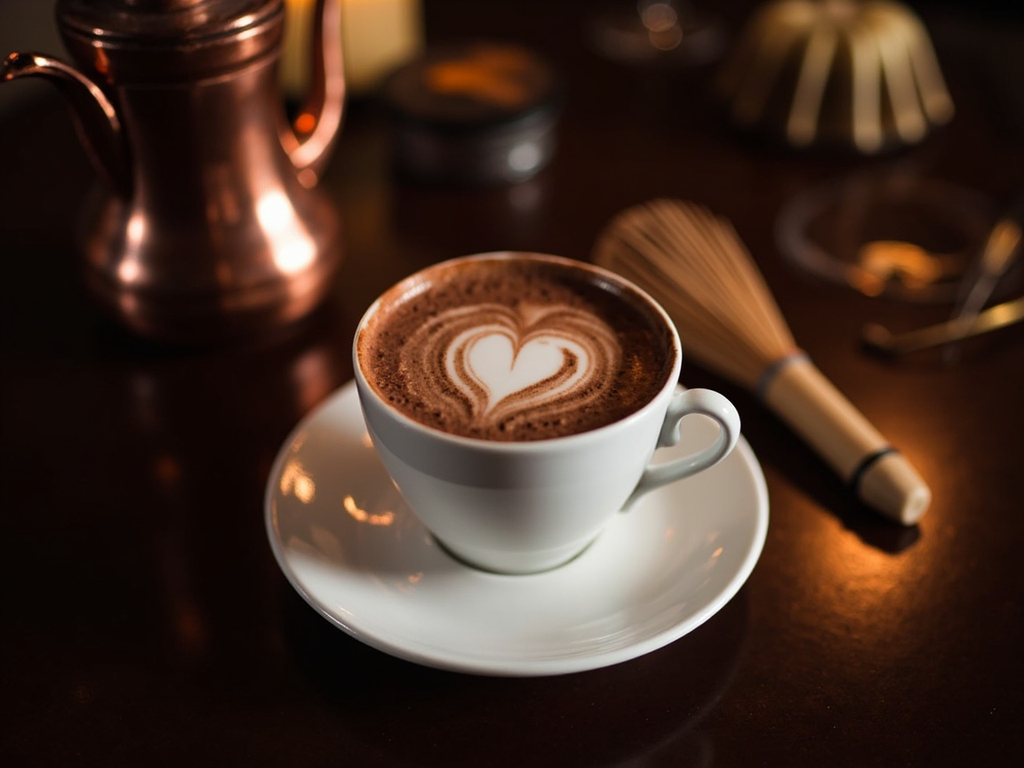
The contemporary twist : An "Enlightenment mocha" version: strong coffee, dark chocolate shavings and a veil of milk foam, served with a square of bitter chocolate.
Sources : Correspondance de Voltaire (testimonies on his coffee consumption) · Wolfgang Schivelbusch, Histoire des stimulants (1980)
Voltaire · Charactorium