Imaginary interview with A. Philip Randolph
by Charactorium · A. Philip Randolph (1889 — 1979) · Society · Politics · 6 min read
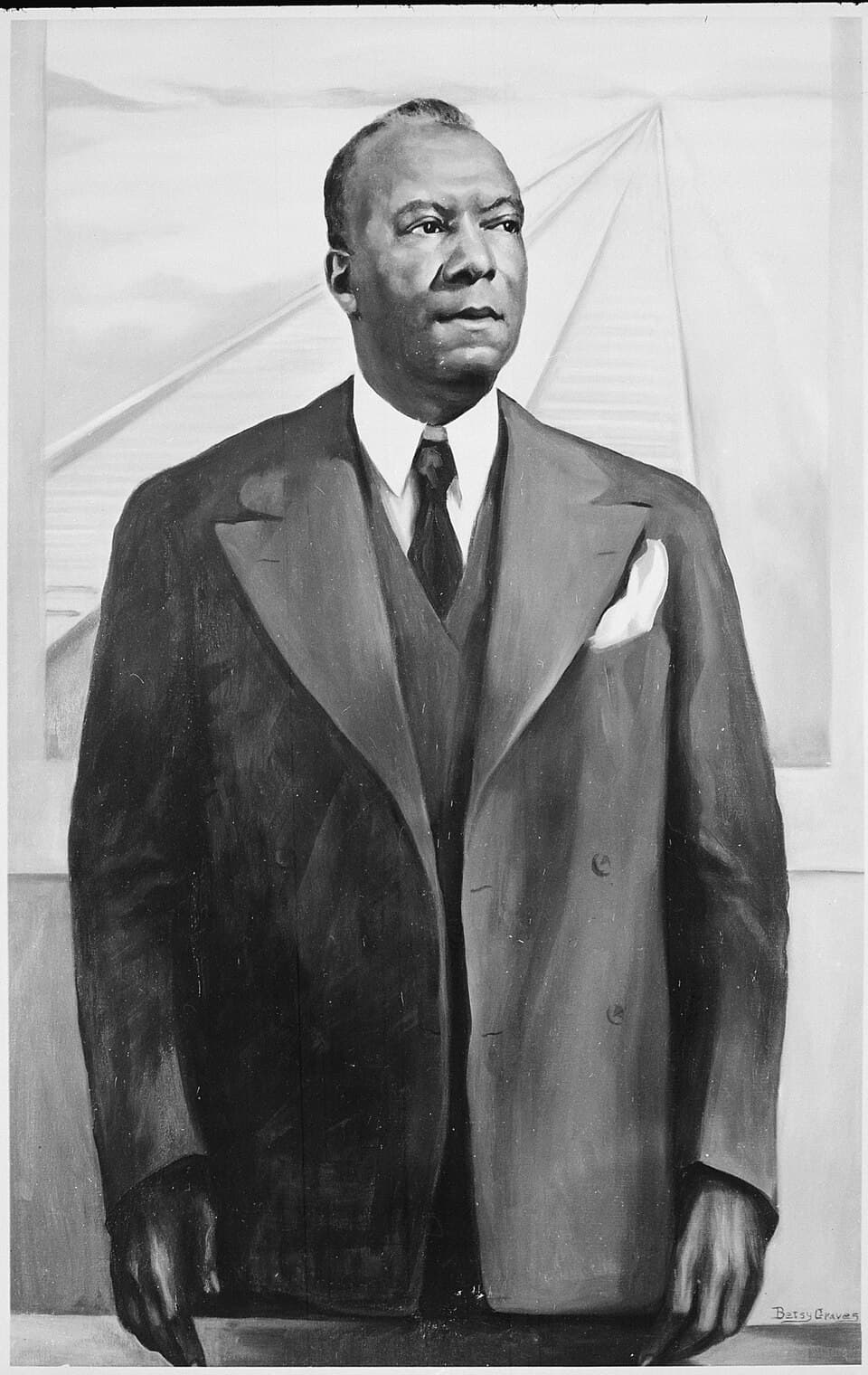
Late 1963, in a cramped Harlem office with walls papered in old newspapers and membership lists. A. Philip Randolph, black jacket buttoned to the collar despite the late hour, receives us between meetings. His voice is low, measured, each word weighed as if it must hold up in court.
—Before unions, before marches, there was a magazine. How was The Messenger born?
In 1917, with Chandler Owen, we had little more than a typewriter and a conviction: that a Black man's word was worth as much as anyone's. The Messenger was born in that Harlem, the one bubbling with poets and sidewalk speakers. They called us radicals, and I wasn't ashamed. I wrote that true freedom would come only when every Black man could work without fear, vote without hindrance, be treated according to his dignity. A magazine doesn't feed a man, believe me. But it teaches thousands that their anger has a name, a grammar, and that it can be turned into a program instead of ashes.
A magazine teaches only one thing, but the essential one: that anger can become a program.
—In 1925, you founded the Brotherhood of Sleeping Car Porters. Why these men, the porters?
Because no one saw them, precisely. On the Pullman cars, they smiled, shined shoes, carried white passengers' luggage, and had to say thank you for a pittance of a salary and humiliating tips. A porter worked entire nights only to be called "George," the boss's first name, as if he had no name of his own. I thought a man who serves with such dignity deserved better than the recognition of his contempt. In 1925, we founded the first major union led by Black people. The Company laughed in our faces. They fired, spied, bribed. We had to hold on. Hold on without a salary for myself, without funds, without certainty — only the idea that one day they could no longer ignore us.
A porter worked entire nights only to be called "George," as if he had no name.
—Twelve years passed before the victory of 1937. How does one endure such a wait?
One does not endure it; one wears it out. Twelve years, from 1925 to 1937, watching men hesitate, leave, get fired for a union card found in their pocket. That card was more than a piece of cardboard: it was the first title of ownership a porter had over his own life. The Pullman Company thought it would exhaust us. It made us patient, which is far worse for an opponent. When it finally recognized the Brotherhood in 1937, I did not shout victory. I looked at those men standing, in clean suits, and I understood that we had just proven something America did not want to hear: that organized Black workers are a force that even a great corporation must eventually salute.
That union card was the first title of ownership a porter had over his own life.
—In 1941, a simple letter made President Roosevelt back down. What exactly did you write him?
On January 25, 1941, I wrote him that the armament factories were filling up with orders but closing their doors to Black workers, and that this humiliation, in the midst of a war against Hitler's racism, was untenable. I did not beg. I announced. One hundred thousand people would march on Washington if nothing changed. The threat was no bluff: we had the porters, the churches, the networks to make it real. Roosevelt feared the scandal before the whole world. He signed Executive Order 8802, banning racial discrimination in the defense industry. Not one broken window, not one punch. I learned that day that a march not yet taken can weigh more than an army.
A march not yet taken can weigh more than an army.
—You spoke of pressure without violence as early as the 1920s. Where did that method come from?
Not from theory, but from the union workshop. As early as the 1920s, I understood that an unarmed but organized man shakes more surely than an armed but solitary man. The boycott, the strike, the march: these are weapons you can wield while keeping your hands clean. Later they told me that Gandhi, in India, was doing something similar — I was glad, but I had not waited for his example. Nonviolence, for me, was not first a morality; it was a strategy for people who have neither guns nor courts on their side. When you are the weakest in appearance, your strength lies in refusing the ground where the adversary is master: that of brutality.
Nonviolence was not first a morality; it was the strategy of those who have neither guns nor courts.
—After the war, you led the battle to desegregate the army. Why that front?
Because there was a hypocrisy I could not swallow: sending Black men to die for freedom under a uniform that itself separated them from whites. They asked for blood but refused equality. Between 1948 and 1950, I said publicly that I would advise young Black men to refuse to serve in a segregated army. Those were dangerous words; I was accused of treason. But the logic was irrefutable: a nation cannot demand sacrifice without granting citizenship. The desegregation of the armed forces came, gradual, legal. Every time the country demanded a duty from us, I reminded it that a duty without equal rights is not a duty; it is servitude in disguise.
A nation cannot demand sacrifice without granting citizenship.
—On August 28, 1963, at 73, you opened the March on Washington. What did you feel that morning?
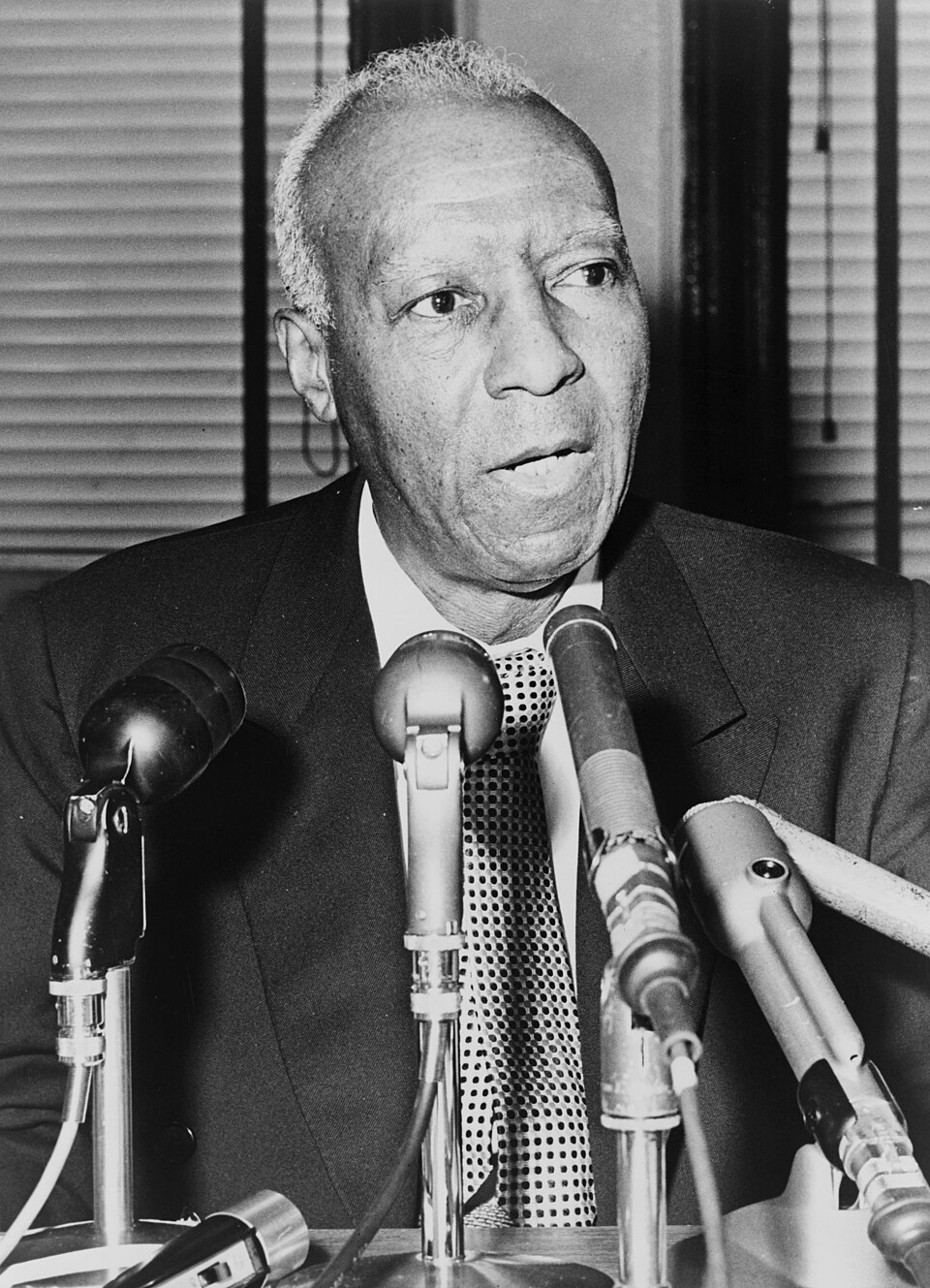
The dream of a lifetime, finally standing before me. Twenty-two years earlier, I had threatened a march to wrest a decree; that day, it was real, and not one hundred thousand but more than two hundred fifty thousand faces stretching to the horizon, in Washington. I stepped up to the microphone — that instrument I had worn out on picket lines — and I said what I have carried deep inside since childhood in Florida: "We have come to Washington to demand jobs and freedom. Freedom for all peoples, not just for a few. For freedom is the indispensable condition for achieving justice and peace." At my age, tears do not come easily. That morning, I had to stand tall to keep from faltering.
Not one hundred thousand but more than two hundred fifty thousand faces stretching to the horizon.
—You worked alongside young Martin Luther King. How was the role divided between the elder and the new generation?
I am the keeper of the house; he is the voice that sings. At the March on Washington, my job was to build the framework: unite the coalitions, soothe rivalries, present the speakers in order. Then I handed the floor to Reverend King, and what he did with it, everyone knows. There is a justice in that. I spent forty years clearing ground that others, younger, would sow. That does not wound me; it is the very meaning of the work I do. An organizer worthy of the name prepares a stage on which he is not the star. The respect he showed me was worth more to me than one more speech.
An organizer worthy of the name prepares a stage on which he is not the star.
—You always wear that impeccable black suit. Is it a vanity or something else?
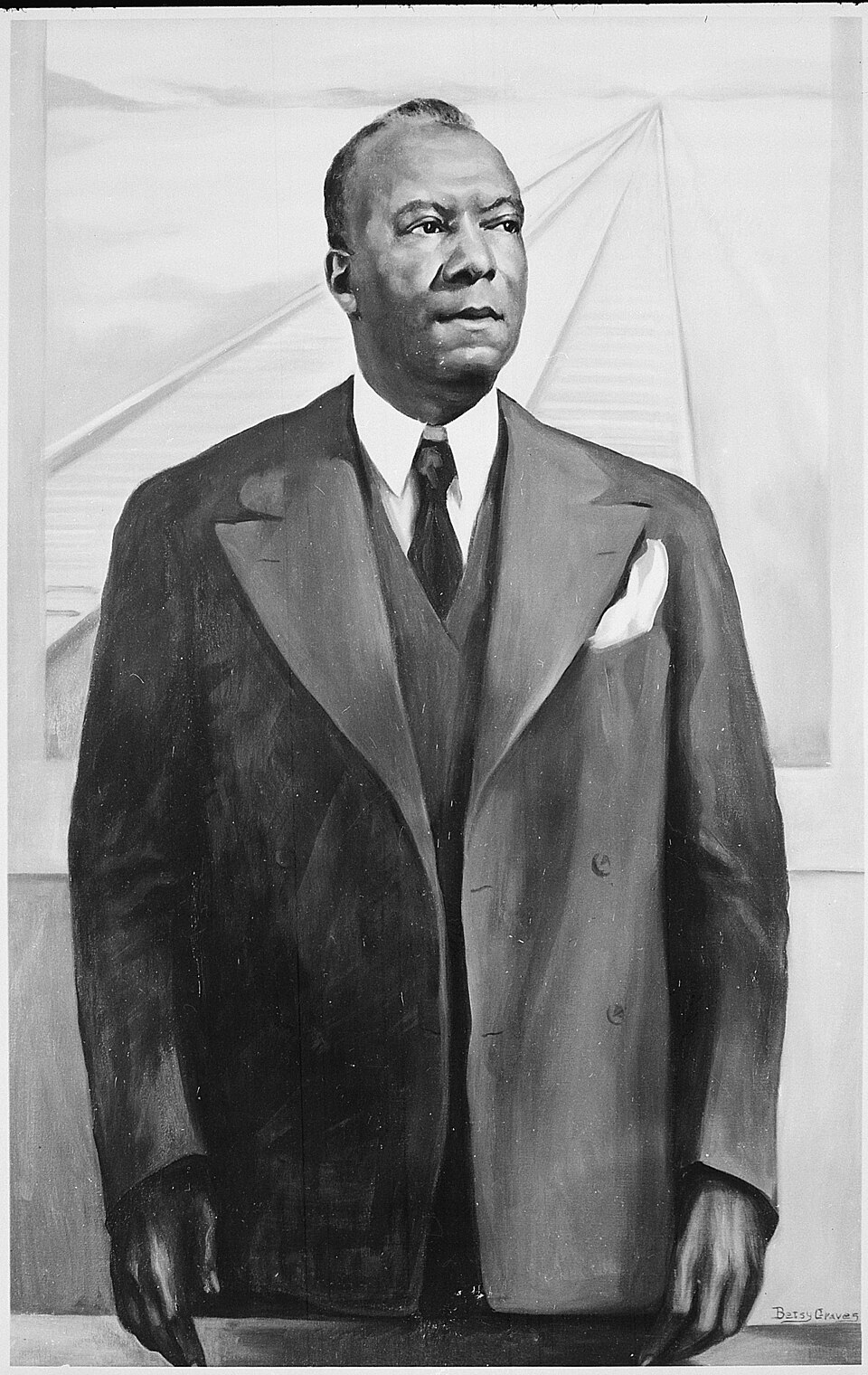
Neither — it is an argument. When I stand in a dark suit, straight tie, polished shoes, I answer without a word all those who, since my childhood in Crescent City, Florida, claimed that a Black man was necessarily slovenly, lazy, unworthy. Every crisp fold of my jacket says: look, and be silent. I have lived modestly, in Harlem, in a plain apartment, eating simply, drinking water rather than alcohol. But the leader's appearance is not negotiable. A porter whom the company humiliated by calling him "George" stood a little straighter when he saw me. Dignity, you see, is contagious: but someone must first have the courage to wear it.
Every crisp fold of my jacket says: look, and be silent.
—Many leaders accepted compromises. Why this reputation as a man who never yields?
Because I have seen what half-measures do to people: they lull them to sleep. When I was offered half a right, I answered that a half-right is not a right; it is charity. I said again and again that African Americans must obtain the same rights as all citizens, without exception or delay — not one day, not soon: now. That earned me enemies, but also, curiously, the respect of my adversaries, because a man who does not sell himself is a man whose price at least is known: zero. Executive Order 8802, recognition of the Brotherhood — I obtained all of it by refusing to settle for promises. Patience, yes. Resignation, never.
A half-right is not a right; it is charity.
This imaginary interview was generated by artificial intelligence from sources documented in A. Philip Randolph's profile. It dramatises what the figure might have said based on what we know about them, but does not constitute attested historical testimony. For primary sources and factual documentation, refer to the full profile.