Kids interview A. Philip Randolph
by Charactorium · A. Philip Randolph (1889 — 1979) · Society · Politics · 4 min read
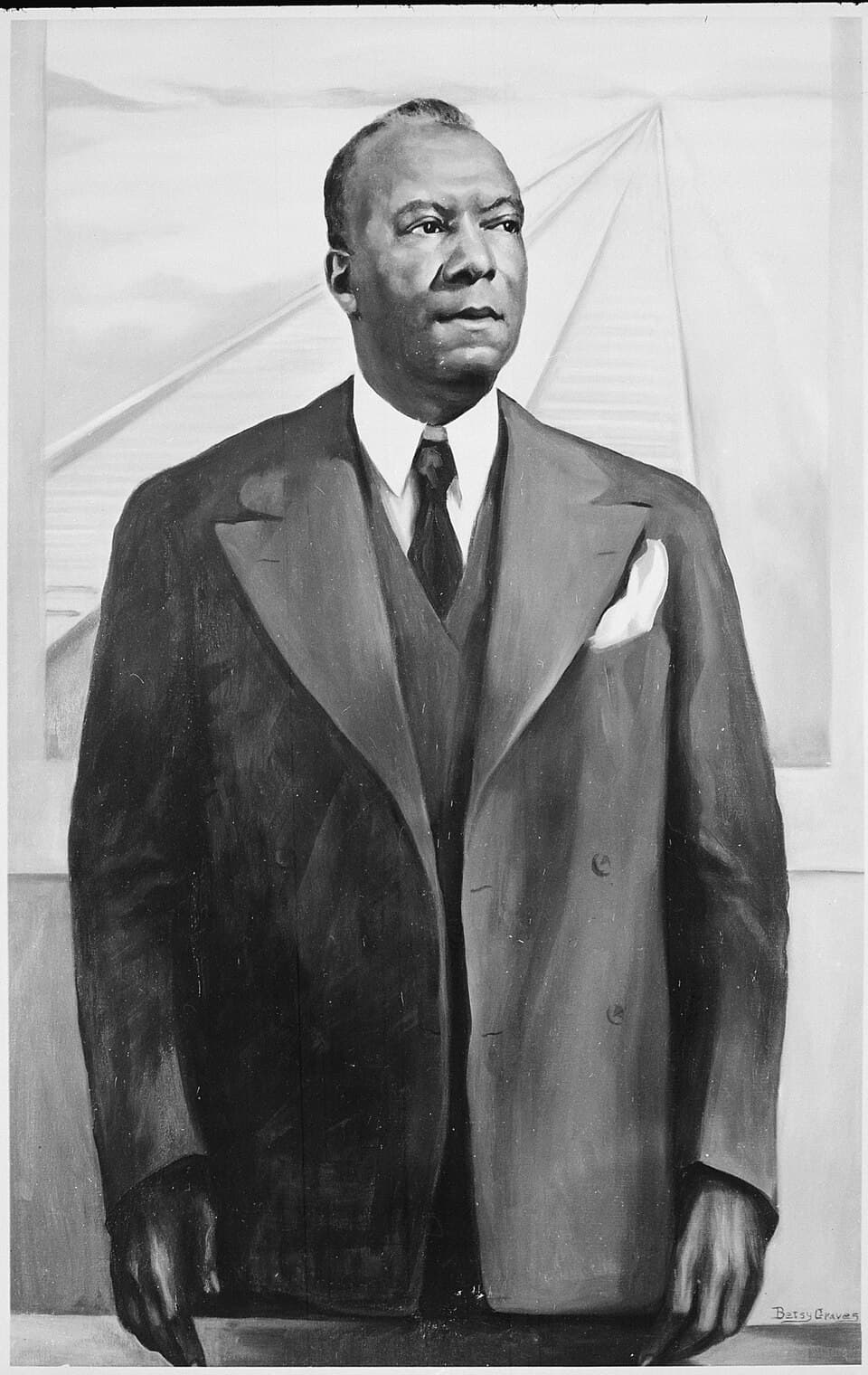
That morning, two middle-school students push open the door of a small room where an old gentleman in an impeccable black suit is waiting. They have scribbled their questions on the train. A. Philip Randolph motions for them to sit close by.
—What was a porter, on the trains of your time?
You know, my child, in my time great luxury trains ran, the Pullman cars. Imagine sumptuous cars where wealthy travelers slept in real beds. And who carried their luggage, shined their shoes, stayed up all night? Black men, called porters. They were paid very little. Worse still: customers called them all "George," never bothering to learn their real names. That, that infuriated me. A man without a name is a man erased. I decided those men would hold their heads high. It was for them, first of all, that it all began.
A man without a name is a man erased.
—How long did your fight against the company last?
Twelve years, my child. Twelve long years. In 1925, I founded the Brotherhood of Sleeping Car Porters, the very first major union led by Black people. A union is when workers unite to defend their rights together, instead of remaining alone and weak. The Pullman company was powerful; it refused even to talk to us. We held firm, meeting after meeting, winter after winter. And in 1937, at last, it had to recognize us. Imagine twelve years of hoping without ever giving up. That day, I understood that a small, patient group can make a giant bend.
—Before all that, you wrote a newspaper, is that true?
Yes! Long before the union. In 1917, with my friend Chandler Owen, I launched a magazine: The Messenger. It was a fighting journal, printed in Harlem, that neighborhood of New York full of music, poets, and Black artists. In our pages, we wrote that Black workers deserved better wages, and that freedom was not reserved for a few. Imagine a simple sheet of paper passed from hand to hand in the streets. Words seem fragile. But well-placed words awaken people. My pen marched before my feet.
—What were your mornings like, in your home in Harlem?
I rose early, very early. I lived in a simple apartment in Harlem, no luxury, close to the people I served. In the morning, I read the newspapers to see what was happening in the country. I had a light breakfast — I never liked excess, either on the plate or elsewhere. Then I put on my black suit, neat tie, polished shoes. Why so elegant? Because in my time, they wanted to make you believe a Black man was worth less than another. My suit answered without a word: I am a dignified man. Then I hurried to the union offices.
—Is it true you scared the President with a simple letter?
Ha! A little, yes. It was 1941, war was raging. In the factories making weapons, they refused to hire Black people. So, on January 25, I wrote to President Roosevelt. I announced something huge: thousands of us would march on Washington to cry out this injustice. Imagine the capital invaded by an immense crowd, in the middle of war. The president feared the scandal. He gave in and signed a decree banning that discrimination in arms factories. And I hadn't yet marched a single protester.
I hadn't yet marched a single protester.
—You won without anyone actually marching? How?
Exactly, my child, and that's the whole subtlety. A well-prepared threat can be stronger than a battle. The president knew I could gather a crowd — I had already organized thousands of porters, patiently. So the mere idea of that march was enough to make him back down. That's what is called pressure without violence: you don't strike anyone, but you show your quiet strength. In 1941, Executive Order 8802 was born like that, from a letter and a firm will. Remember well: sometimes you win a battle simply by refusing to lower your eyes.
—They say you marched peacefully even before Gandhi?
That's true, and I'm proud of it. As early as the 1920s, I used strikes and peaceful marches to win rights. No fists, no weapons: discipline. The learned word is nonviolence — refusing to strike, but never staying silent. Many believed you had to shout or hit. I said: let us be calm and numerous, that frightens far more than a raised fist. Later, young activists took up this method and made it famous. Imagine a quiet river that, over time, carves stone. Patience is that river.
—After the war, you also fought for Black soldiers?
Yes, my child. After the war, in the army, Black soldiers remained separate, in segregated units. They had been sent to risk their lives, but were treated as inferior. Unjust, don't you think? So, from 1948 to 1950, I led a campaign for the desegregation of the army — a big word meaning: finally mix the men, without color barriers. I again brandished the threat of refusal, of quiet disobedience. And, little by little, the troops were integrated. A country that asks a man to die for it must first respect him.
—How old were you when you opened the great march?
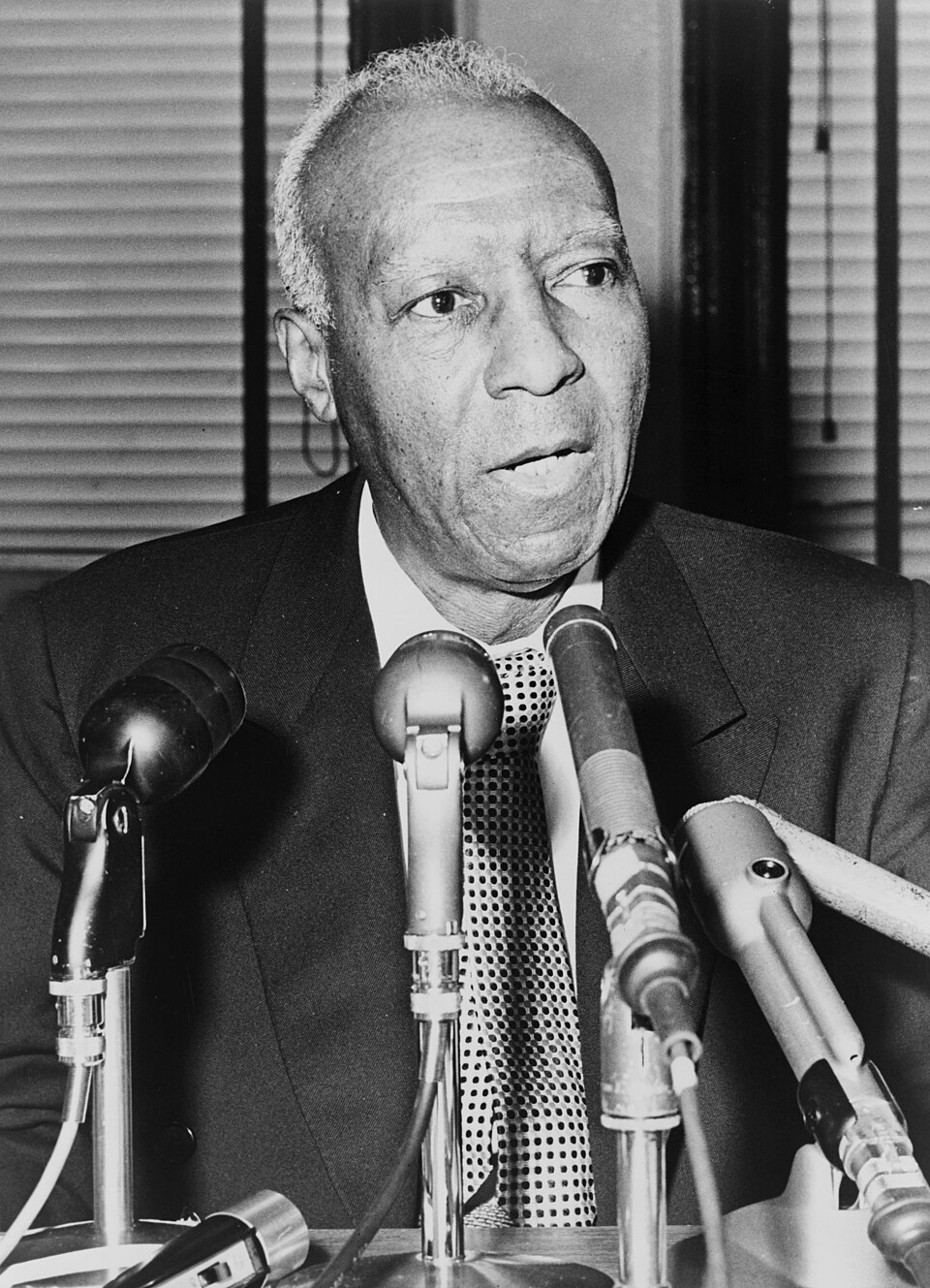
I was 73 years old, imagine! An old gentleman with white hair. It was August 28, 1963, the March on Washington for Jobs and Freedom. More than 250,000 people had come, a human tide as far as the eye could see. I was the one chosen to open that day and introduce the speakers. Before the microphone, my voice trembled a little, but my heart was solid. I said we had come to seek jobs and freedom — for all, not just for a few. Then a young pastor spoke of his dream: Martin Luther King.
We had come to seek freedom for all, not just for a few.
—After such a long life of struggle, what do you want people to remember?
Remember this, my child: nothing just happens on its own. All my life, from Crescent City in Florida where I was born, to the steps of Washington, I saw that you have to organize, patiently, without hatred. A single man tires quickly; united men move mountains. I had a simple rule: never compromise on equality, never accept "a little less" than others. You who listen to me, you will inherit an imperfect world. Do not give up. A union card, a pen, a calm crowd: these are tools. Justice is a daily work.
This imaginary interview was generated by artificial intelligence from sources documented in A. Philip Randolph's profile. It dramatises what the figure might have said based on what we know about them, but does not constitute attested historical testimony. For primary sources and factual documentation, refer to the full profile.