Imaginary dialogue between Martin Luther King Jr. and A. Philip Randolph
by Charactorium · A. Philip Randolph (1889 — 1979) · Society · Politics · 6 min read
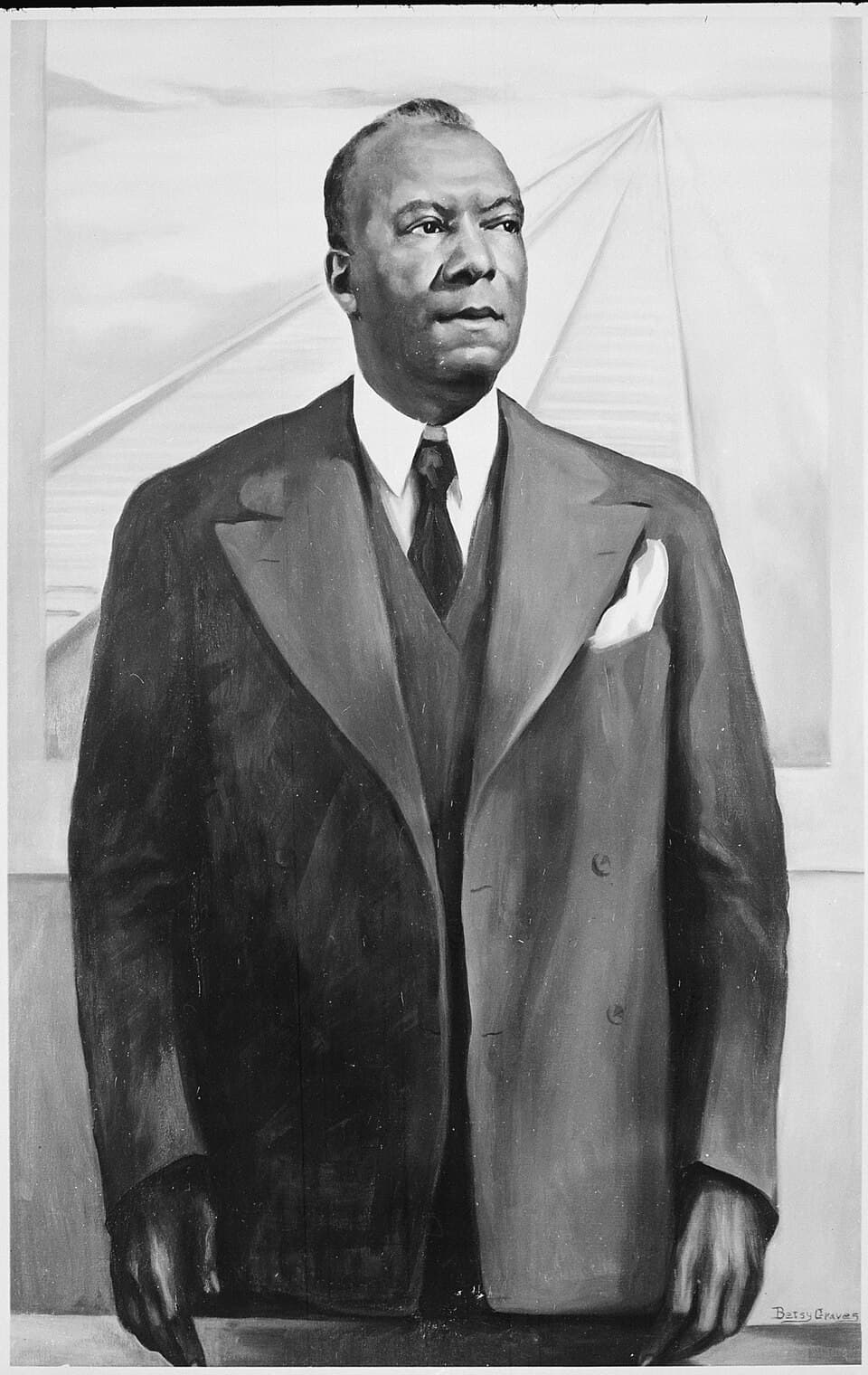
It is in a modest office of the Brotherhood, in Harlem, that Reverend Martin Luther King Jr. meets A. Philip Randolph on an autumn afternoon in 1962. The light falls obliquely on stacks of leaflets and the yellowed poster of the Pullman victory of 1937. They have known each other since Montgomery, where the elder had supported the younger's boycott; today King comes to seek, from the patriarch, the memory of half a century of struggle to prepare what they still call, in hushed tones, a great march.
—Mr. Randolph, before I could even read a Bible, you were already fighting Pullman. Twelve years, until 1937 — how do you hold out so long without victory?
My young friend, you hold out because you refuse to measure time the way the boss does. When I founded the Brotherhood in 1925, the porters had neither voice nor name — they were all called “George,” after old Pullman’s first name, as if they were his property. I understood that the first battle was not over wages, it was over dignity: to turn a humiliated man into a union member who carries his card like a title. Pullman starved me, he bought spies, he fired my loyalists. But a porter standing in a railcar sees the whole nation pass before him. In 1937, when the company finally signed, we had not only won a contract. We had proved that a Black union could make the largest employer of our race yield.
The first battle was not over wages, it was over dignity.
—You spoke of organized nonviolence in The Messenger long before the world knew Gandhi. Where did that conviction come from, so early?
You who preach love of neighbor will understand: I did not wait to be taught from the East. In The Messenger, as early as 1917, I wrote that the power of Black people would lie neither in the gun nor in supplication, but in organized numbers. The boss does not fear our tears; he fears that the train will not leave. The strike, the march, the boycott — these are weapons that the poor already possess in their own bodies. I told the porters: your strength is your discipline. An angry man who breaks a window gives the sheriff an excuse to beat him. A man who folds his arms in silence, by the thousands, leaves him nothing. Nonviolence is not gentleness; it is strategy.
The boss does not fear our tears; he fears that the train will not leave.
—In 1941, you threatened Roosevelt with a march on Washington — and you never made it. Some criticized you for that. Do you regret it?
Not for a second, my brother. On January 25, 1941, I wrote to the president that a hundred thousand Black people would march on the capital if the war industry continued to close its doors to us. Roosevelt needed those factories, and he needed domestic calm while he spoke of freedom to Europe. He yielded: the Executive Order 8802 banned discrimination in defense. I was told: “You bluffed.” I reply that a threat is only a bluff if you are not prepared to carry it out — and I was ready. The lesson applies to you who will come after: the announced march already weighs before it takes place, provided the adversary knows you will truly march.
A threat is only a bluff if you are not prepared to carry it out.
—After the war, you took the fight into the army. Why risk prison for soldiers, when your union work was done?
Because no work is ever done as long as a man in uniform serves a country that separates him from his white comrades. In 1948, I publicly said that young Black men would be right to refuse a segregated draft — and I knew I was flirting with a charge of sedition. But what logic is there in dying for a democracy that you are forbidden to live? Truman eventually signed the order to integrate the armed forces. It was neither immediate nor total; the army drags its feet like any institution. You see, I have learned one thing: every fortress of segregation that falls makes the next less impregnable. The army yesterday, your Montgomery buses today, the schools tomorrow.
What logic is there in dying for a democracy that you are forbidden to live?
—You turned these porters, these men called “George,” into the pride of our race. What did they teach you in return?
They taught me the patience and cunning of the weak. A porter spends his life smiling at those who despise him, reading the traveler’s mood before he speaks. That science, my friend, is survival diplomacy, and it served me with Pullman executives as well as with Washington ministers. They also taught me that dignity is not claimed; it is worn: the neat suit, the measured speech, punctuality. Many find me too stiff, too ceremonious. But when a Black man presents himself impeccably before a power that would have him servile, his very bearing is an argument. My porters knew this in their bones, before all the theorists.
Dignity is not claimed; it is worn.
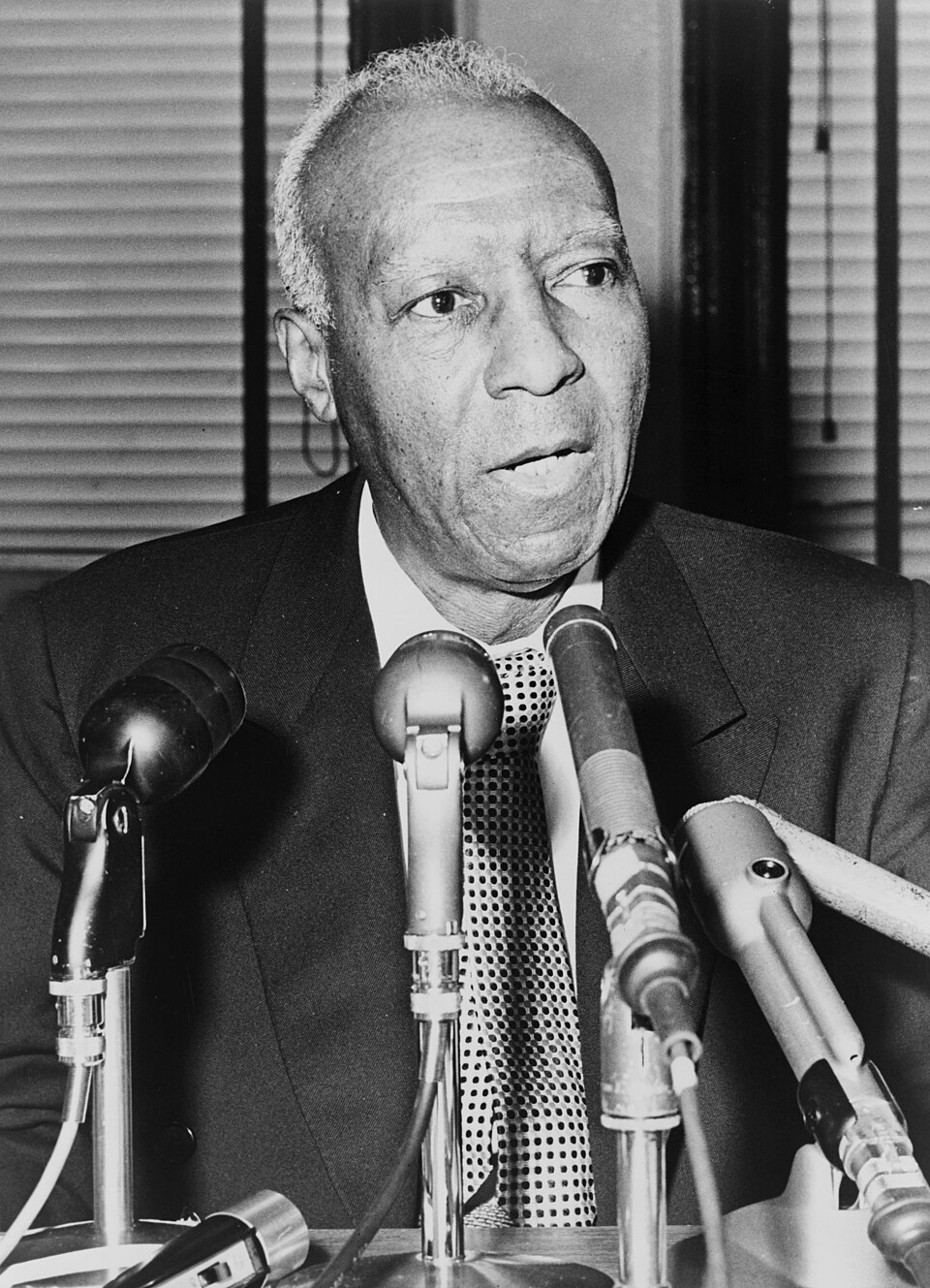
—You know the president better than I do, through experience. Can we truly trust these men in the White House, or must we always compel them?
One never trusts a man of power; one puts him in a position where he cannot act otherwise. Roosevelt was not my friend; he was my adversary momentarily aligned with my interest. The politician does not move by virtue; he moves by necessity — and our job is to manufacture that necessity. That is why I distrust tepid promises as much as declared enemies: the enemy, at least, does not lull you to sleep. You who will one day meet these people at the table, remember: arrive with your strength already gathered behind you. Without the numbers in the street, your words in the office weigh nothing. Negotiation is only the polished face of pressure.
The politician does not move by virtue; he moves by necessity — our job is to manufacture that necessity.
—You refuse any compromise on full equality. Isn't there a risk, with this intransigence, of losing allies who would go less far with us?
Compromise on tactics, yes, always; compromise on the goal, never. That is the line I have drawn all my life, and it has cost me friendships on the left as well as cautious supporters. I have been urged to accept half-measures: a little equality now, the rest later. But “later” is the cruelest word in the American language; it has buried three generations of our people. I can discuss the timetable, the path, the steps. I will never discuss whether a Black man deserves the same rights as a white man — that is non-negotiable, it is foundational. An ally who does not accept this foundation is not an ally; he is a laggard who must be convinced by marching.
“Later” is the cruelest word in the American language.
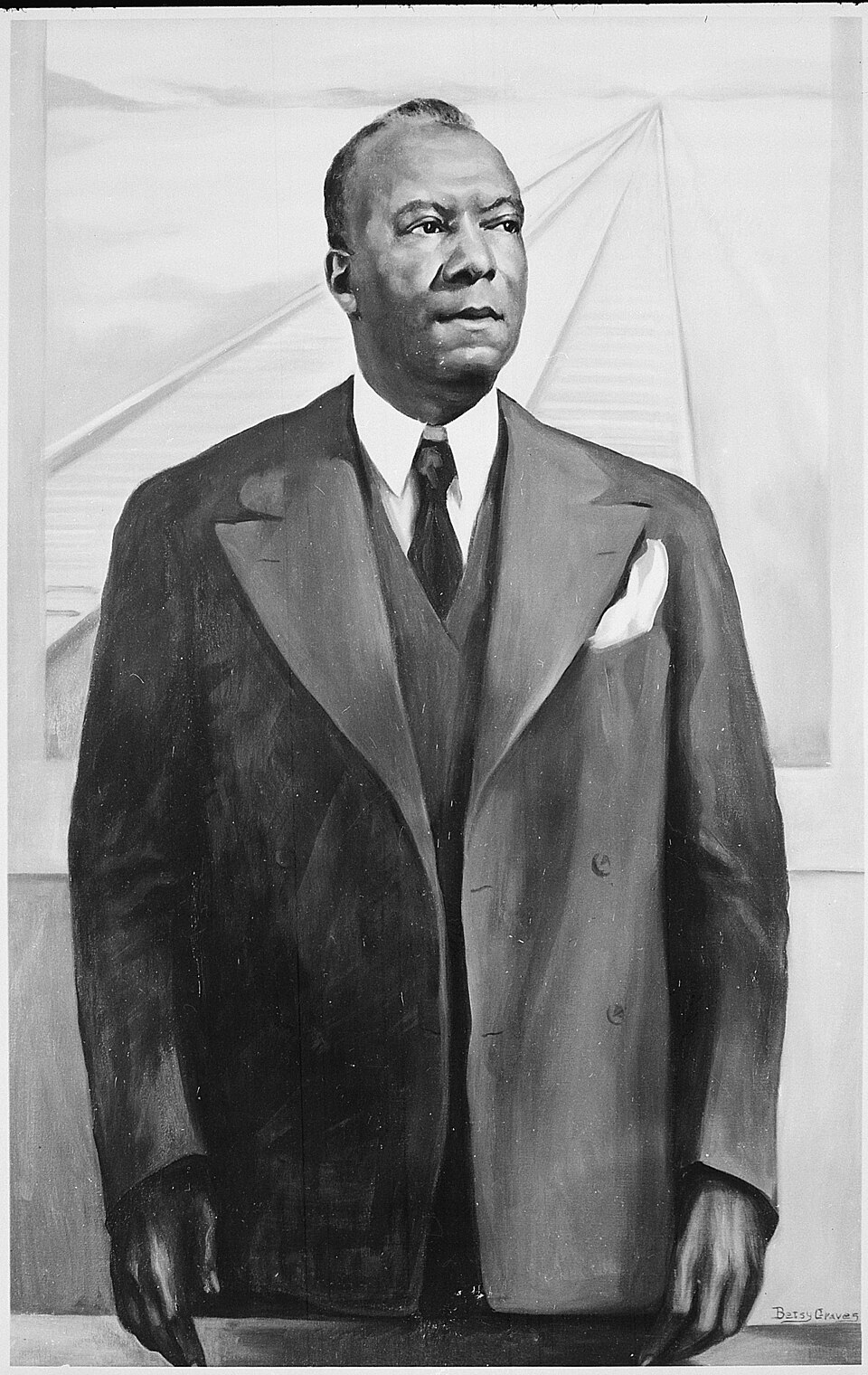
—We dream together of a great gathering in the capital. You have carried this project since 1941 — why do you believe the time has come?
Because the generation you embody, my brother, has brought fear into the streets and replaced it with the crowd. In 1941, I had the threat but not yet the tide; today, Montgomery, the sit-ins, the young people filling the prisons have proven that the people are ready to come. A march on Washington must not be a parade of anger, but an orderly demonstration of moral power: tens of thousands of disciplined bodies demanding jobs AND freedom, for without bread freedom is a hollow word. I have waited for this day for twenty years. If I see it with my aging eyes, I will be able to say that my life as a porter among porters has not been in vain.
Without bread freedom is a hollow word.
—If that day comes, you would be the elder at the podium, and I among your followers. How do you, the senior, want to open such a gathering?
Soberly, and without putting myself forward. The elder’s role is not to occupy the spotlight but to open the door for those who will carry it further. If I mount that podium, it will be to remind us where we come from — the railcars, the fields, the closed factories — and to pass the word to voices younger and more ardent than mine. Yours, among others; don’t act surprised. An old unionist knows how to recognize who should speak when the moment comes. I will set the scene, I will name the struggle, then I will step aside. What the world remembers that day will not be my name, and that is just as well — a movement that depends on one man is already doomed.
A movement that depends on one man is already doomed.
—You supported me in Montgomery without my asking. In your eyes, what connected that bus boycott to your fight on the rails?
The same thread, my friend, stretched from one end of the century to the other: the conviction that the power of the humble lies in their ability to withdraw. My porters could stop the train; your faithful in Montgomery could stop the buses by walking. In both cases, the man thought powerless discovers he holds the oppressor’s economy in the palm of his hand. I supported your boycott because I recognized my own grammar, transposed onto asphalt. You clothed it with a spiritual power I never had, I the old dry socialist. But the muscle beneath is identical. We are not waging two struggles; we are waging one, you with the soul, I with the machinery.
The man thought powerless discovers he holds the oppressor’s economy in the palm of his hand.
This imaginary interview was generated by artificial intelligence from sources documented in A. Philip Randolph's profile. It dramatises what the figure might have said based on what we know about them, but does not constitute attested historical testimony. For primary sources and factual documentation, refer to the full profile.