Imaginary dialogue between Voltaire and Abbé Prévost
by Charactorium · Abbé Prévost (1697 — 1763) · Literature · 5 min read
It is in a house in Chantilly, on an afternoon in 1762, that Voltaire comes to visit the Abbé Prévost, now aged and retired near the estate of the Condés. On the table, bound volumes of the Histoire générale des voyages sit next to a porcelain inkwell and a still-damp goose quill. The two men have known each other by letter for years — one made the devout tremble, the other wore the cassock while singing of profane love. Voltaire did not come to flatter: he comes to push his colleague to explain himself, one last time, on this paradox that fascinates him.
—My dear abbé, I am told you fled the Jesuit seminary more than once before taking to the roads of Holland. What drove you away?
You hit the mark, my friend, and you who have tasted the Bastille, you know what flight means. I entered the Jesuits very young, in 1713, convinced I would find peace there. But something in me refused confinement: I took up the habit, I left it, I enlisted as a soldier, then again a religious. In 1728 I crossed the border and reached The Hague, then England. Some see an inconstant man; I see a heart that could not resign itself to lying to itself. All my wanderings, I poured them into my novels. My characters flee as I fled, and fall as I fell.
My characters flee as I fled, and fall as I fell.
—Let us speak of this Manon Lescaut from 1731. A courtesan, a knight lost in love — were you not afraid of censorship, you, a man of the Church?
I was afraid, of course. But success overtook me: the work was seized, and immediately clandestine editions multiplied under the cloak. The more it was banned, the more it was read. I did not intend to apologize for vice, you see; I wanted to paint an honest man carried away despite himself, struggling between virtue and his passion. Des Grieux is not a monster: he is you, he is me, he is anyone who has loved against reason. If the picture frightens the devout, it is because it is true. You do not instruct men by hiding their own hearts from them.
The more it was banned, the more it was read.
—That is what intrigues me about you: the cassock on your back, and under your pen the most burning pages ever read in France. How do you hold the two together?
Ah, you put your finger on my wound, and you do so as a friend. I lived with the Benedictines, at Saint-Wandrille, at Jumièges, in the silence of the Norman cloisters. I prayed there, sincerely. But the same man who chanted the office in the morning wrote in the afternoon the aberrations of passion. I do not believe this is a contradiction: who better than a religious knows the strength of desire, since he has vowed to fight it? The libertinage I describe, I do not celebrate it — I understand it. To paint the fall is still to speak of the grace one has lost.
Who better than a religious knows the strength of desire, since he has vowed to fight it?
—Des Grieux has been so loved that his weakness has been forgotten, it is said. Do you not fear having made vice lovable, as your detractors whisper?
The reproach is old, and I have heard it a hundred times. But consider: if I had made my knight a soulless rogue, who would have followed him to the end of his degradation? It is precisely because he is lovable that he instructs. The reader becomes attached, then is frightened to see where love leads when it overturns all duties. The lesson is not in a sermon tacked on at the end: it is in the shiver one feels. You yourself, my dear colleague, do you not lodge your hardest truths in tales that make one laugh or weep? We work the same wood, you and I.
It is precisely because he is lovable that he instructs.
—You devoted nearly twenty years to your Histoire générale des voyages — so many volumes! What were you seeking at the ends of the earth, from your study?
You smile, and I deserve it a little: a novelist who becomes a compiler! But this task, begun in 1746, fascinated me as much as my fictions. Gathering the accounts of navigators, comparing them, correcting them, is traveling without moving. And what mattered to me was not only the route or the coast: it was man. I wanted to know how the peoples being discovered live, believe, and love, for history must instruct us about customs as much as facts. The century wants to know the whole earth; I wanted to give it the most faithful mirror my patience could polish.
Gathering the accounts of navigators is traveling without moving.
—Twenty years of patience on scholarly volumes, you the novelist of passions: did you never regret those hours stolen from fiction?
Regret? Sometimes, when the pen burned me with a story I put off until later. But this work nourished me, literally and figuratively: it gave me bread, for a man of letters without an income lives by his labor. And besides, the scholar and the novelist are one man. Everything I learned about distant lands, shipwrecks, savages, and kings fed my imagination. People think history and fiction oppose each other; I have always seen them join hands. Truth and verisimilitude are brothers.
Truth and verisimilitude are brothers.
—You once wrote to me that you wished to paint the human heart without fear of showing its weaknesses. Do you still hold that ambition, in the age of the Encyclopédie and the great treatises?
I hold it more than ever, and you were the right recipient of that confession. Look at our time: Montesquieu dismantled laws, Diderot piles up all human knowledge, and our Genevan friend has just made Europe weep with his La Nouvelle Héloïse. Each illuminates a corner of the soul or the world. As for me, my territory has always been the heart — its contradictions, its impulses, its cowardices. I do not have the science of a geometer nor the audacity of a court philosopher, but I know the ravages of passion. If the Enlightenment wants to understand man, let it not forget that he weeps as much as he reasons.
If the Enlightenment wants to understand man, let it not forget that he weeps as much as he reasons.
—It is less known that you translated, and a lot — even Cervantes's Don Quixote. Why this labor of a go-between, when you had your own fictions to write?
Because a great book belongs to no nation, my friend. Translating is opening a door between peoples: what the Spaniard or the Englishman has felt, I want the Frenchman to feel in turn. Our century feeds on this trade of ideas — yours crossed the Channel, those of the English came to us. I made myself this water carrier of literature, drawing elsewhere to water our gardens. And there is a salutary humility in serving another's genius: one learns one's craft better there than in any academy. Cervantes taught me to laugh at my own knights.
Translating is opening a door between peoples.
—Here you are at Chantilly, peaceful at last, after so many exiles and storms. What remains, this evening, of the man who fled constantly?
There remains a tired man, but reconciled, I think. I ran across Europe fleeing now the Church, now my creditors, now myself. Today I walk under these trees and flee nothing more. Strange peace that comes at the end, when the blood calms and passions die out. My characters, they never knew this respite — I left them to burn. Perhaps I gave them the torment I spent so many years fleeing. When you are seen again, you will say that in this garden the abbé had finally laid down his pilgrim's staff.
Today I walk under these trees and flee nothing more.
—One last question as a friend: if only one thing were to be kept of you, the man of the Church or the painter of passions, which would you choose?
You ask me to cut myself in two, and you know well that I cannot. The cassock and the pen both carried me; one gave me silence, the other a voice. If you take away the priest, you no longer understand why my lovers tremble before sin. If you take away the writer, only one more mediocre religious remains. So keep the whole man, with his contradiction — it is that which made me. I never reconciled heaven and earth within me, but I spent my life telling the story. And after all, is that not the lot of every man?
The cassock and the pen both carried me; one gave me silence, the other a voice.
Read further
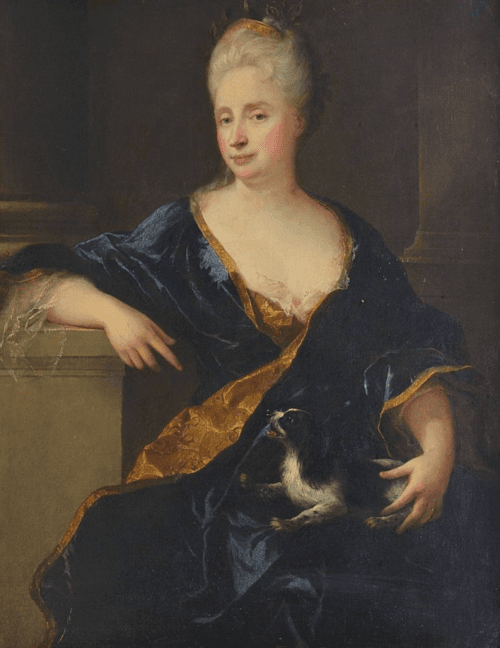
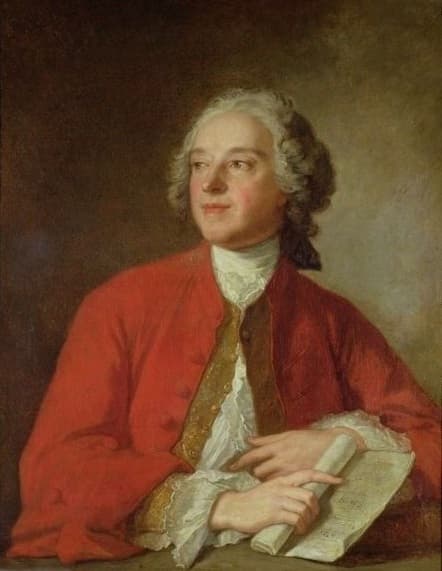
This imaginary interview was generated by artificial intelligence from sources documented in Abbé Prévost's profile. It dramatises what the figure might have said based on what we know about them, but does not constitute attested historical testimony. For primary sources and factual documentation, refer to the full profile.