Imaginary dialogue between Caïn and Adam and Eve
by Charactorium · Adam and Eve · Mythology · 6 min read
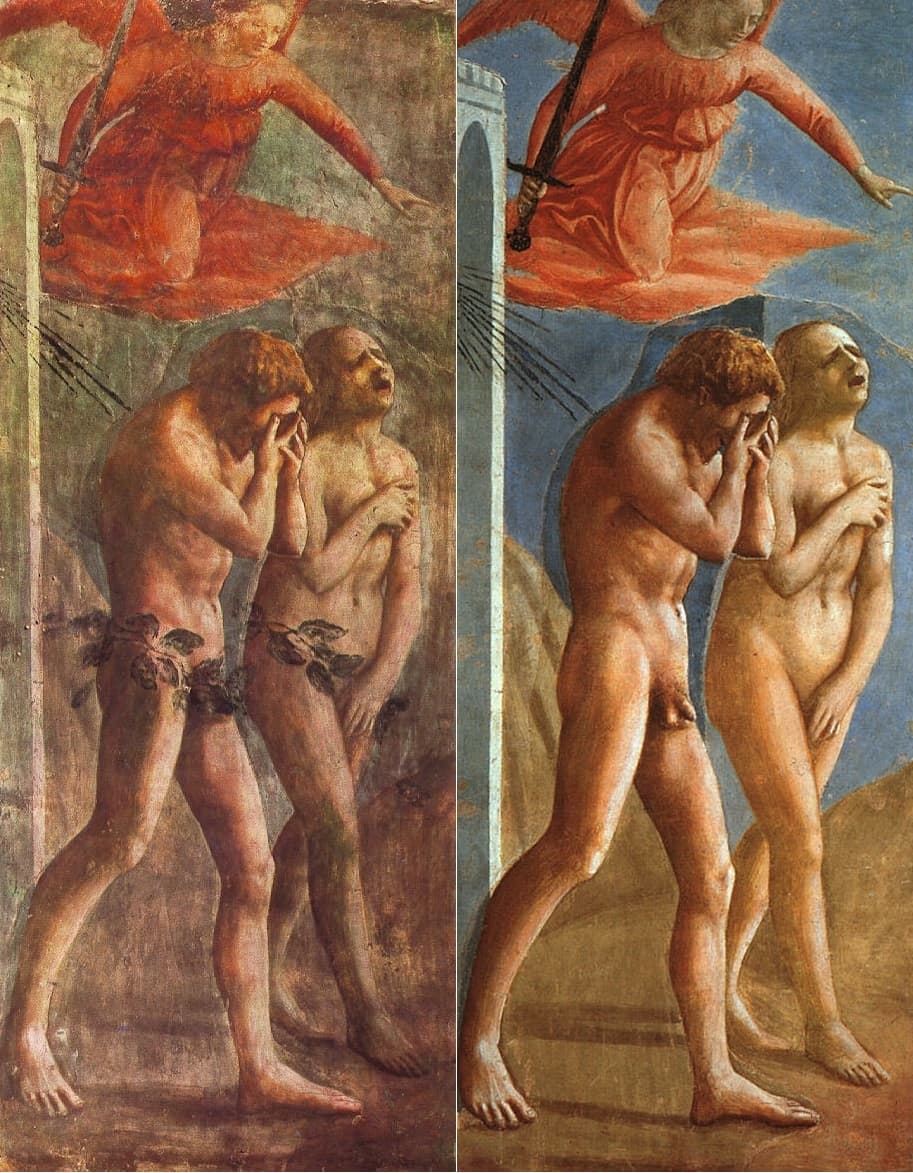
It is east of Eden, on the harsh earth that Cain turns each day with his plow, that the eldest son comes to sit beside Adam and Eve at dusk. Dust still clings to his hands, and the smell of a wood fire rises in the dry air. Born outside the garden, Cain has never seen that paradise his parents sometimes speak of in hushed words. Tonight, he wants to understand: what was that lost place, and why must he, the firstborn, pay for it in sweat?
—My father, my mother, you sometimes speak of a garden where the earth gave itself without effort. What were your days like there, before me?
Imagine, my son, a light that did not burn. In the morning, we rose without fear, and the garden was already fully given: fruits hung within reach, springs ran clear. Your father walked among the beasts and gave them names, and each name seemed right. I, Eve, would pick without ever exhausting the tree. We knew neither the hunger that twists the belly nor the evening cold. God himself came in the cool of the day, and we walked near Him without lowering our eyes. You plow a land that resists you; we kept a garden that loved us. That is what you have never seen, and what I can only describe to you in tears.
You plow a land that resists you; we kept a garden that loved us.
—You say, father, that you named the beasts. I drive them from my furrows. What was it like to give a name on the first day?
God brought them to me, my son, one after another, to see what I would call them. And the name I spoke became their name. I named the lion without it baring its fangs, the lamb without it trembling, the serpent without suspecting anything. None fled from me, none bit me: they came to me as to a brother. You who must raise a stone against the beast and close your furrows, you cannot know what that peace was. But in naming them all, I looked among them for a helper like myself, and I found none. Then God put me to sleep, and he drew your mother from my side.
—My mother, they say you were taken from my father's side. How did you experience your first breath, your first look?
My first memory is his face, Cain. I awoke and your father was there; he said I was bone of his bones and flesh of his flesh. We were two yet like a single being, made in the image of the One who formed us. We were given the whole earth, the command to increase and fill the world — and from that promise you were born, the first child of mankind. I bear a name that means life: I am called mother of all the living. But see the bitterness of that name: the first life I brought into the world, I bore outside Eden, in the pain God had foretold me.
—And that perfect garden, what could have broken it? They whisper that a cunning beast slipped between you and God.
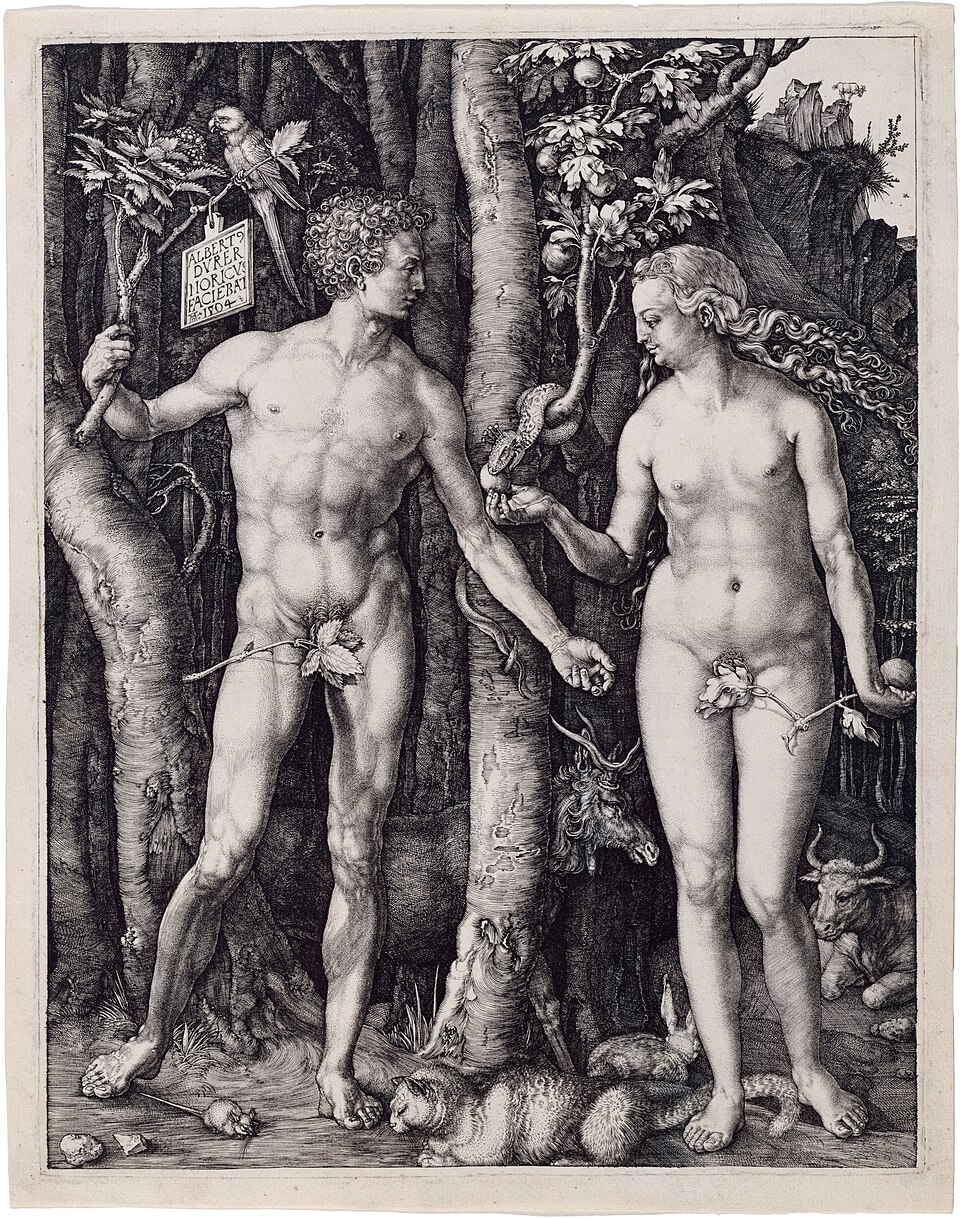
The serpent was the craftiest of the beasts your father had named. It came to me, near the tree planted in the middle of the garden, and spoke softly. God had told us that if we ate the fruit of that tree, we would die. The serpent, however, whispered that we would not die — that our eyes would be opened and we would be like gods, knowing good and evil. I looked at the fruit: it was beautiful to see, good to eat, desirable for gaining wisdom. And I reached out my hand. I do not lie to you, my son: no one forced me. It was I who wanted to know, and that wanting cost us everything.
—And you, father, what did you do when she handed you that fruit? Why was that one tree forbidden to you?
One tree, my son — just one. Everything else was given to us without measure. That tree God had kept for Himself, as the limit that made us free men and not beasts: the power to obey Him, or not. When your mother handed me the fruit, I did not argue, I did not call the serpent a liar. I ate. And immediately my eyes were opened, but not as promised: I did not see God, I saw that I was naked. The wisdom they sold us was only shame. Never believe, Cain, that disobedience makes you greater. The only thing we gained by wanting to be gods was to stop being happy to be men.
Never believe that disobedience makes you greater.
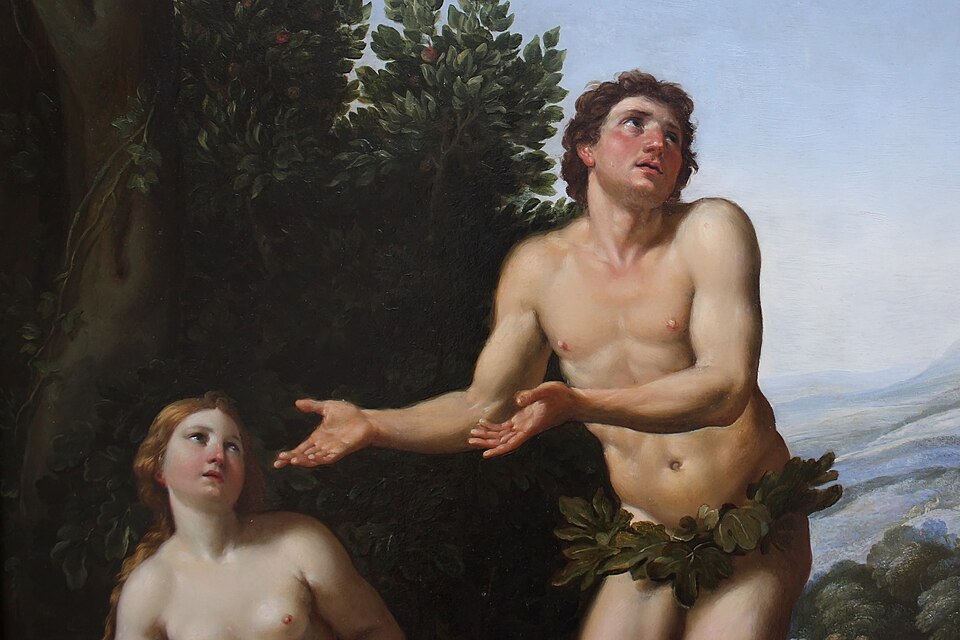
—You speak of shame, father. You who lived naked without a thought, what did you feel when God returned to the garden?
Before, my son, we were both naked and felt no shame. Our bodies were like the garden's light, without secrets. But as soon as the fruit was swallowed, something in us changed: we looked at each other and felt shame. We sewed fig leaves to cover ourselves, as if a leaf could hide anything from the One who formed us. When we heard His step in the cool of the evening — that step we once awaited with joy — we ran to hide among the trees. That was the first effect of the fault: not death right away, but fear and distance. For the first time, we fled from the One who loved us.
—My mother, it is my sweat that perhaps pays for this fault. Did God tell you, when He drove you out, what it would cost your children?
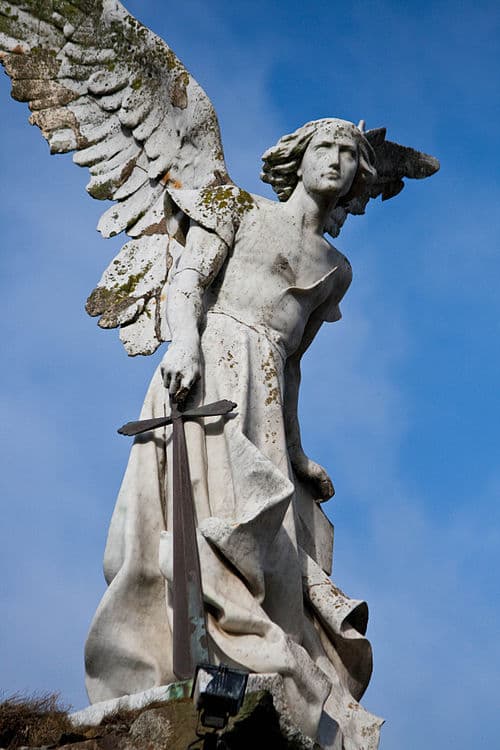
He told us everything, and each word weighed like a stone. To your father, Adam, He said that the ground would be cursed because of him, that it would bring forth thorns and thistles, and that he would eat his bread by the sweat of his brow until he returned to the dust from which he was taken. To me, He announced that I would bring forth children in pain. Then He drove us from the garden, and placed a flaming sword to guard its entrance. When I see you bent over your furrows, my son, I know it is our fault that you plow. It is not only the earth that resists you: it is Eden closed behind us. That is the inheritance we left you, and it burns me more than it burns you.
—Abel leads his flocks, I break the clods. Are we then, my brother and I, the first men born of a woman?
You are the first, yes — the first whom no one shaped from dust nor drew from a side, but whom I carried and brought forth. When I held you, Cain, my firstborn, I believed for a moment that God was giving back what He had taken. Then Abel came, your brother, and the house was filled. You the plowman, he the shepherd: already you share the world between you. From you will come sons, and sons of your sons, down to peoples I will not see. All this comes from my opened side and my painful womb. I am the mother of all the living, yet none of my children will know the garden where I was born. That is my joy, and that is my grief.
—How will you keep the memory of all this, father, when you are no more? Who will tell my sons what the beginning was?
It is for you, and your brother, and those who come after, to retell it. We have neither carved stone nor scroll — only our mouth and your ear. I will tell you, evening after evening, how God formed man from the dust and breathed into him the breath of life; how He drew your mother from my side; how we lost the garden. Keep these words, pass them on faithfully, add nothing and take nothing away. One day, perhaps, men will come to write them down, righteous men who will retell them after great calamities. As long as a son of man repeats this story to his child, Eden will not be entirely lost.
Memory, my son, is the only garden they did not take from us.
—Is there any hope, my mother, that this fault may one day be erased? Or are we condemned without return?
When God cursed the serpent, Cain, He spoke a word that I keep like an ember under ashes. He declared enmity between the serpent and the woman, between its offspring and mine: one day, a descendant born of me would crush its head, even though the serpent would strike his heel. I do not know when or how. But it means that all is not closed, that the flame at Eden's gate is not the final word. Perhaps one of my distant sons will lift up what we dropped. That is why I continue to bear children in pain without despairing: every child I bring into the world is a step toward that promise. You too, my son, perhaps carry within you a part of that return.
Sources
This imaginary interview was generated by artificial intelligence from sources documented in Adam and Eve's profile. It dramatises what the figure might have said based on what we know about them, but does not constitute attested historical testimony. For primary sources and factual documentation, refer to the full profile.