Kids interview Adelaide Hall
by Charactorium · Adelaide Hall (1901 — 1993) · Music · Performing Arts · 5 min read
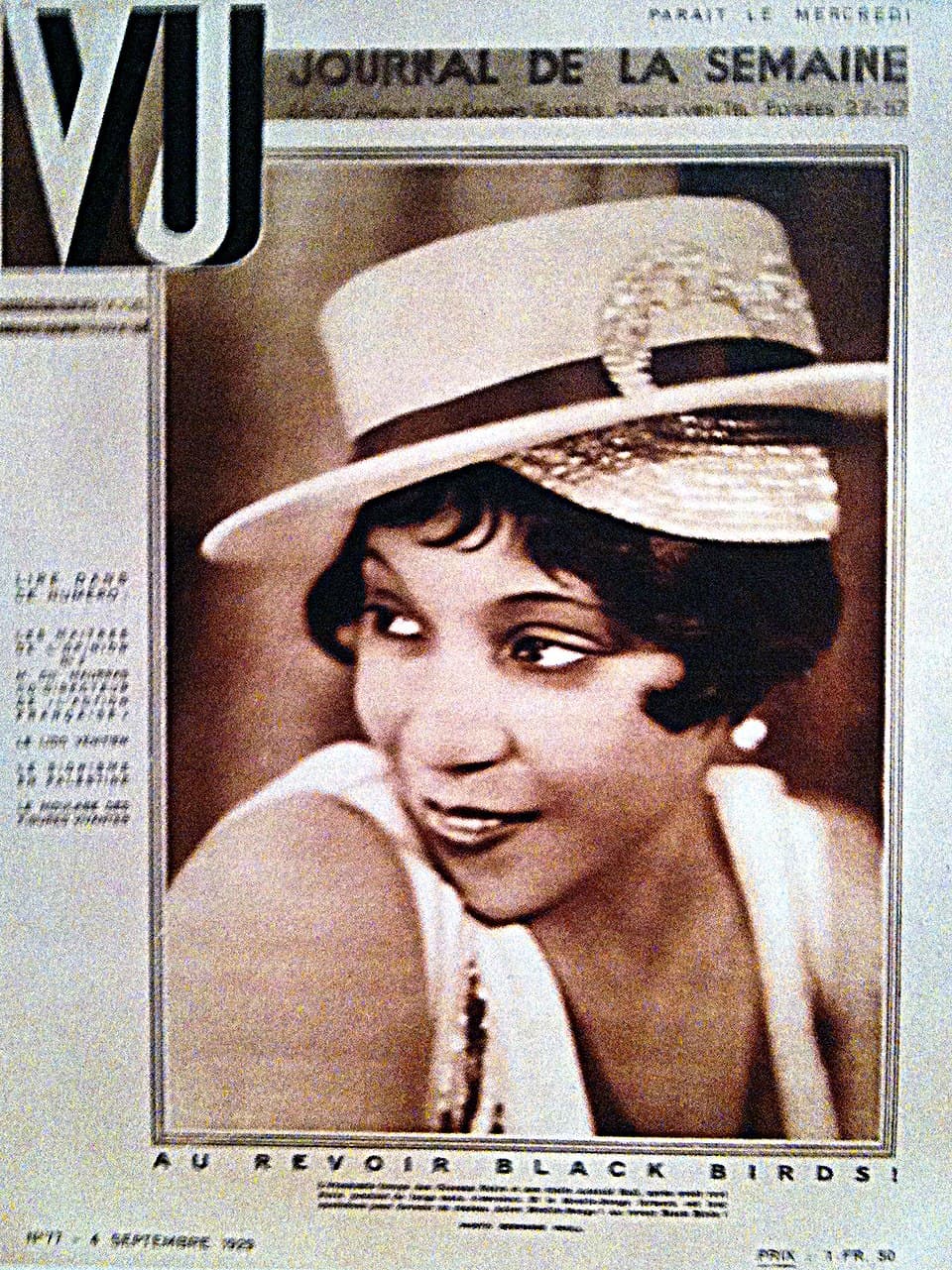
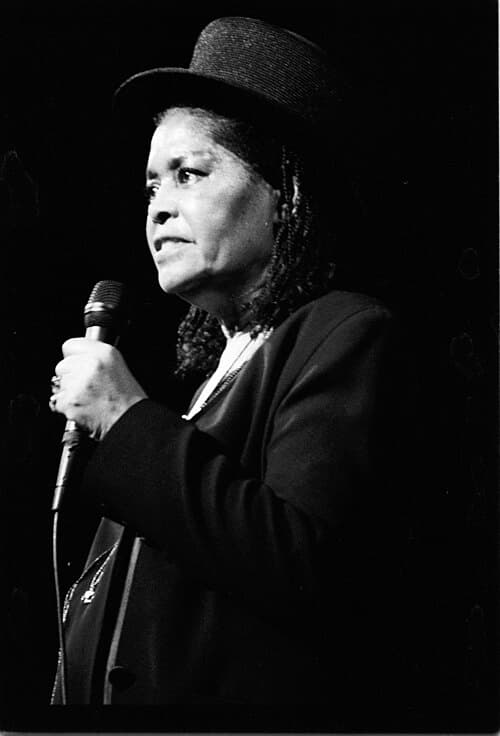
That morning, two middle school students push open the door of a small theater dressing room in London. An elegant elderly lady awaits them, a shawl on her shoulders and a smile in her eyes. Her name is Adelaide Hall, and her voice spanned nearly the entire 20th century.
—How old were you when you first stepped on stage?
Oh, I was very young, my dear, barely out of my teens. In 1921, I was hired for a musical called Shuffle Along. Imagine: a show entirely created by Black artists, on Broadway, when that was very rare at the time. They called this great awakening of Black culture the Harlem Renaissance. In the evening, the spotlights would come on, the orchestra would start, and my heart would beat so hard! I was just a little singer in the chorus. But I told myself: one day, my name will be on the marquee. You have to dare to dream big, even when you're small.
You have to dare to dream big, even when you're small.
—Is it true your voice became an instrument? How do you do that?
Ah, you've touched on my fondest memory! One evening in 1927, I was singing with Duke Ellington's orchestra. From the wings, without thinking, I started inventing a melody... but without any words. Just sounds that rose and floated above the musicians, like a trumpet. They call it scat. Duke was so captivated that he recorded it right away: it's called Creole Love Call. Imagine your voice becoming a violin, a bird, whatever you want. That's what I discovered that night, almost by magic.
My voice didn't say words: it floated like an instrument.
—What was it like to record a record in those days?
You know, it wasn't like today. The music was engraved onto large, fragile black discs, 78 rpm records. Fragile as a plate: if you dropped it, it would break! In the studio, you had to get everything right in one take, without mistakes, because you couldn't easily start over. So when I sang in front of the microphone — a brand-new invention at the time — I held my breath. That little mic was magical: it carried my soft voice to the back of the hall without me having to shout. My Creole Love Call from 1927 is still there, engraved forever.
—Why did you move to Paris?
Because in Paris, my child, they were crazy about jazz! In the 1930s, the city loved our music and our artists so much. You may know Josephine Baker? She was triumphant there, and many Black American artists finally felt free. So I opened my own cabaret in Montmartre, on the hill. I called it La Grosse Pomme — that's the nickname for New York, my hometown, which I carried with me. In the evening, we sang and danced until late. It was my little piece of America set in the heart of Paris.
I brought New York to my cabaret, on the hill of Montmartre.
—Did you also sing with French musicians?
Yes, and with one of the greatest! In 1938, in Paris, I recorded alongside Django Reinhardt, a genius guitarist. Imagine: his left hand had been burned in a fire, two fingers almost immobile, yet he played like no one else in the world! Our music responded to each other: my voice from America, his guitar from Europe. They called it jazz crossing the ocean. It was pure joy, two worlds meeting in a single song. Music, you see, knows no borders.
Music knows no borders.
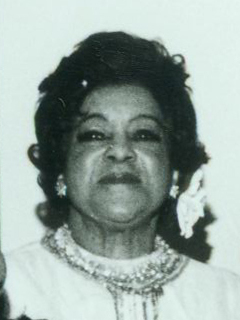
—Were you afraid during the war, when the bombs were falling?
Yes, my child, we were all afraid. I lived in London, and in 1940 the German planes came to drop their bombs at night. They called it the Blitz. One of those nights, the club I ran with my husband was destroyed. Everything, gone. I could have cried and given up. But you know what? I decided to keep singing. For the soldiers, for the people in the shelters, to give courage. When everything falls apart, a song can still warm hearts.
When everything falls apart, a song can still warm hearts.
—How could people hear you if they were hiding at home?
Thanks to the wireless, my child — that's what we called the radio back then. Every home had its big wooden set in the living room. In the evening, families would huddle around it, in the dark because of the bombs, and listen. I sang in the studios of the BBC, the great British radio, between 1939 and 1945. My voice traveled through the air to their ears. Imagine: people I never saw, but who waited for me every evening like a friend. That's the power of a song in the night.
—Is it true you sang for more than seventy years?
It's true, and I'm very proud of it! I started in the 1920s and was still singing in the 1990s. The Guinness Book of Records even recognized me for it: more than seven decades of recordings. Imagine all the things those years saw! From horses in the streets to great illuminated cities. The secret? I simply loved to sing, like breathing. I never put my voice away in a drawer. As long as an audience listened, I continued.
I never put my voice away in a drawer.
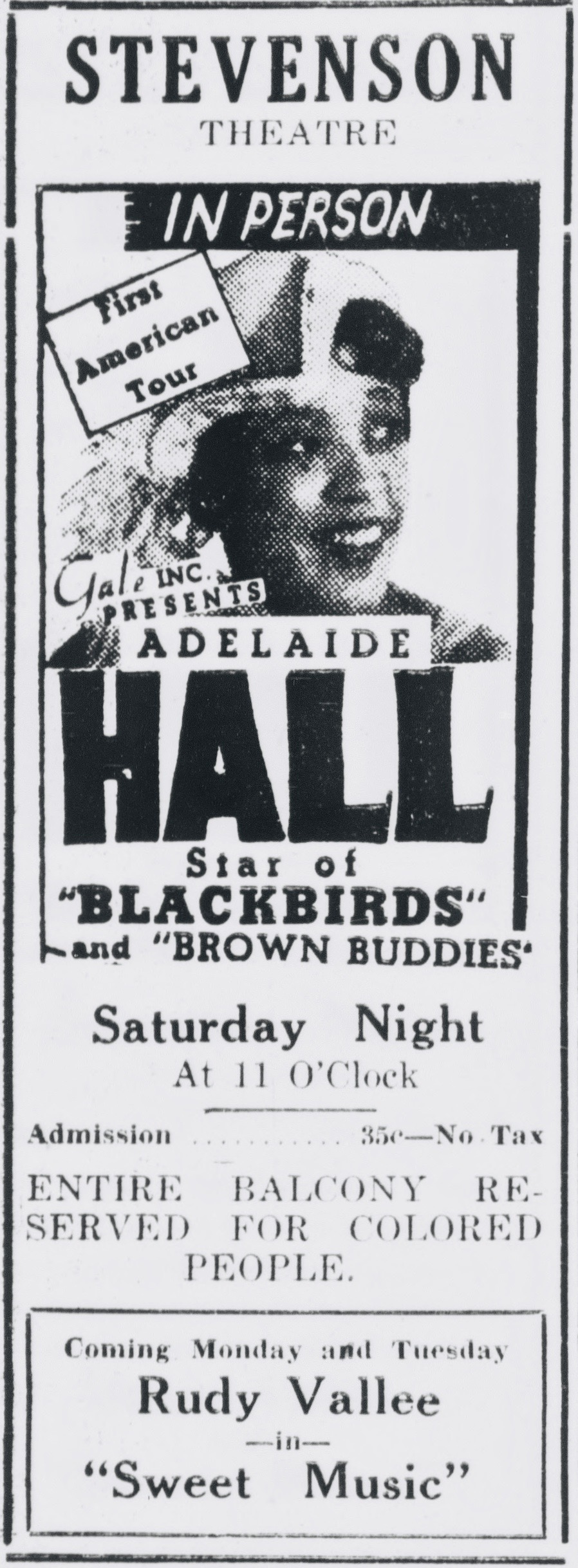
—What does it feel like to go back on a big stage when you're very old?
In 1988, my child, I was 86 years old. And yet I was invited to one of the most beautiful stages in the world: Carnegie Hall in New York, the city where I was born. When I walked in, my legs were trembling a little, I admit. But as soon as the light touched me, everything came back: the joyful stage fright, the orchestra, the audience. I sang, and people had tears in their eyes. They were hearing a voice that had traveled through almost their entire century. That night, I felt eternal.
As soon as the light touched me, everything came back.
—What did you eat to protect your voice?
Ah, that's a true singer's question! The voice, you see, is like a fragile instrument that needs to be pampered. I avoided drinks that were too cold, which tighten and damage it. I mostly drank very hot tea with honey — it's soothing, it caresses the throat. Since I sang very late in cabarets, I went to bed in the early morning and slept a long time to rest my voice. We often had supper after the show, in the middle of the night, when you children had been asleep for hours. An artist's life is the opposite of yours!
—If we met you today, what would you want to leave us?
I would want to leave you with a very simple idea, my curious little ones. I was a little girl from Brooklyn, born in 1901, and no one expected me on the great stages of the world. But I dared, in Harlem, Paris, London. I turned my voice into an instrument when no one had done it before me. So if one day someone tells you, 'this isn't for you,' remember me. What you truly carry within you, that's what can travel the world. Sing your song, the one no one else knows.
Sing your song, the one no one else knows.
This imaginary interview was generated by artificial intelligence from sources documented in Adelaide Hall's profile. It dramatises what the figure might have said based on what we know about them, but does not constitute attested historical testimony. For primary sources and factual documentation, refer to the full profile.