Imaginary interview with Akhenaten
by Charactorium · Akhenaten (1400 av. J.-C. — 1335 av. J.-C.) · Politics · Spirituality · Visual Arts · 6 min read
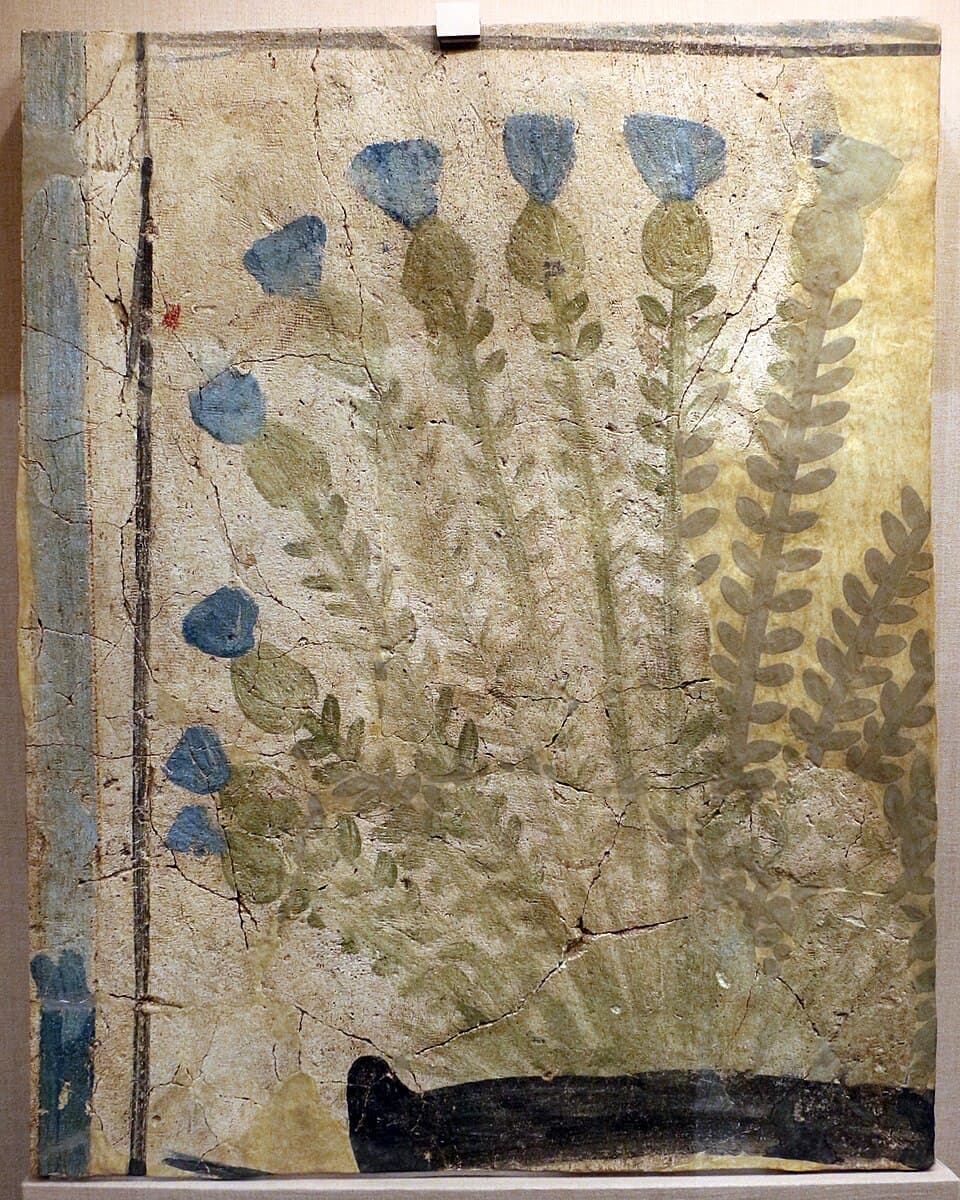
On the terrace of a mudbrick palace swept by light, at Akhetaten, the pharaoh receives without a crown, at the hour when the disk rises above the cliffs. The rays strike the open-air altars, and he, long-limbed, offers his face to the sun. He agrees to speak of his revolution, of his city born from nothingness, and of the god who has neither arms nor face — except hands of light.
—How did you come to abandon the name your father gave you?
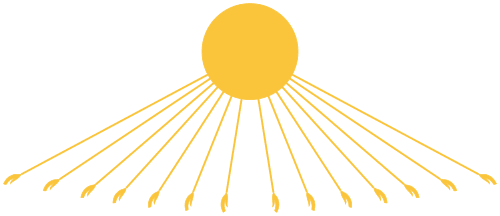
I was born Amenhotep, 'Amun is satisfied.' But who was satisfied, if not the priests of Thebes, fat on their estates and granaries? Around the fifth year of my reign, I understood that one cannot serve two houses at once. I took the name Akhenaten, he who is useful to Aten. Understand me: Aten has no falcon beak nor human body like the old idols. He is the disk, and his rays descend like so many hands offering the ankh to my nostrils. One does not prostrate before a stone statue carved by the chisel; one lifts one's face toward that which gives life to every land. Changing my name was not a whim — it was cutting the cord that bound me to the clergy of Amun.
One does not prostrate before a statue carved by the chisel; one lifts one's face toward that which gives life.
—Why build an entirely new capital, rather than reform from Thebes?
Because every stone in Thebes already belonged to a god. Every temple, every nome bore the name of a deity who claimed its share. I sought a soil that no one claimed, neither god nor goddess, a virgin land on the river's edge, in Middle Egypt. There I had my stelae erected in the cliff to delimit the sacred territory, and I swore before Aten never to cross those boundaries. Akhetaten, 'the horizon of Aten': I founded it for my father the disk, in this place which he created for himself. From my electrum chariot, I saw palaces rise, open-air temples, scribes' houses. In less than five years, an entire city emerged from the sand — not for my glory, but so that a single cult could finally breathe without the shadow of another god.
I sought a soil that no one claimed, neither god nor goddess.
—What does the moment of Aten's rising each morning represent for you?
It is the heart of my days, even before audiences and viziers' reports. I rise before dawn, and on the altars of the Great Temple — open-air, for one does not enclose light under a roof — we place flowers, bread, incense, fat. Nefertiti is at my side, my daughters around us. Then I sing what rises in me as the sun rises: you are beautiful, great, dazzling, you rise above every land, your rays embrace the countries to the limits of what you have created. This hymn is not from a scribe: it is from my mouth. Aten creates the child in the womb, the bird in the egg, he makes the fields of Nubia green as those of the Delta. Each morning I begin again, for without this song the sun might not return.
One does not enclose light under a roof.
—You say this god has no form. Isn't that disconcerting for a people used to animal-headed gods?
Disconcerting, yes, I know. The peasant liked to touch the statue, dress it, feed it. Aten, however, cannot be grasped: he has neither arms nor legs, only this disk and these rays ending in hands offering life. But look at what I allowed into the houses of Amarna: small domestic altars where one sees me with Nefertiti and my daughters, under the sun that caresses us. The god no longer has a face, but he touches each household directly. No need for a priestly intermediary, except me, who am his son and high priest. I wanted Ma'at, the just order, to no longer pass through a thousand intercessors, but through the single light that falls equally on all. This was to overturn a thousand years of habits — I was not unaware of it.
The god no longer has a face, but he touches each household directly.
—Your images show you with an elongated face, a heavy belly, far from the athletic kings of old. Why this choice?
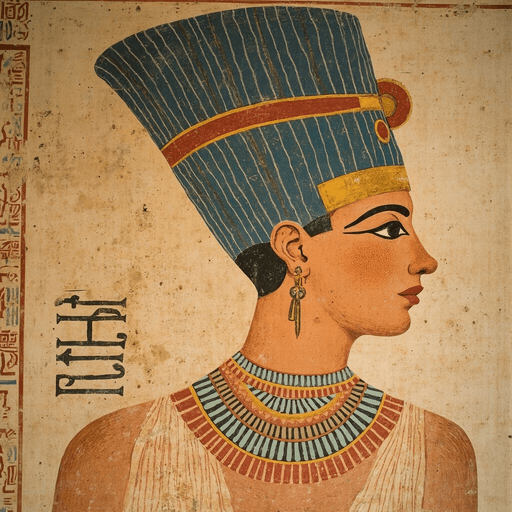
My sculptors, in their workshops at Akhetaten, received a simple instruction from me: break. For a thousand years, pharaohs were carved as frozen athletes, young for eternity, identical from one reign to the next. I wanted something else: the elongated face, wide hips, full belly, limbs undulating like papyrus stalks. At the Colossi of Karnak, I was depicted thus, before they were broken. Is it my real body? Is it the sign that I partake of two natures, man and god, father and mother of my people under Aten's rays? I leave you to judge. What I know is that the truth of Aten demanded true forms: families that embrace, kings who age, life as it flows, not frozen in the stiffness of ancient canons.
Limbs undulating like papyrus stalks — I wanted true forms, not the stiffness of ancient canons.
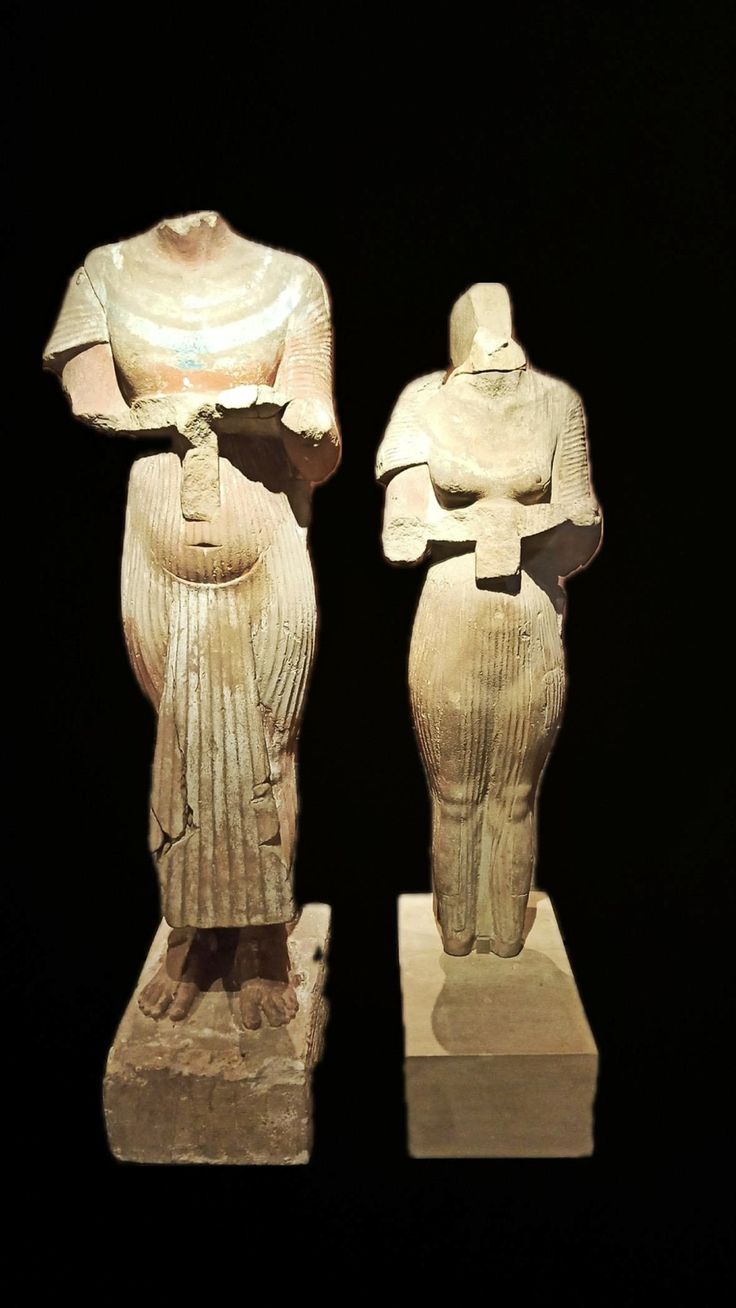
—In those same images, you are often shown surrounded by your daughters, in very intimate scenes. Is that deliberate?
Entirely deliberate. The old kings had themselves depicted crushing their enemies, mace raised. I had myself carved embracing Nefertiti, a daughter on my lap, another playing at my feet, while Aten extends his hands of light above us. These domestic stelae have been found in the city's houses: every family could place in their home the image of the royal family blessed by the disk. I had at least six daughters by Nefertiti — no son by her, which made the court murmur. But I did not hide this behind stone. Tenderness under the sun, the evening meal with harp and lute: this is what I wanted to show, not the warlike fictions of my fathers.
—Governing an empire from a brand-new city — was that sustainable? The outside world did not stop at your borders.
No, it did not stop, and I was not unaware of it. Each afternoon, my scribes read to me the clay tablets arriving from all over the East, inscribed in Akkadian, the language of kings. The lords of Babylon, of Mitanni, my vassals in Canaan wrote to me: they prostrated seven times and seven times at my feet, demanded gold, begged for soldiers against their neighbors. Some say I looked too much at the disk and not enough at the human horizon. Perhaps. But these Amarna Letters, piled up in my archives, prove that my court remained the center of the known world, even withdrawn into its sacred horizon. One does not cease to rule over the living because one serves a god of light — simply, I did both, dawn for Aten, afternoon for the kings of the earth.
Dawn for Aten, afternoon for the kings of the earth.
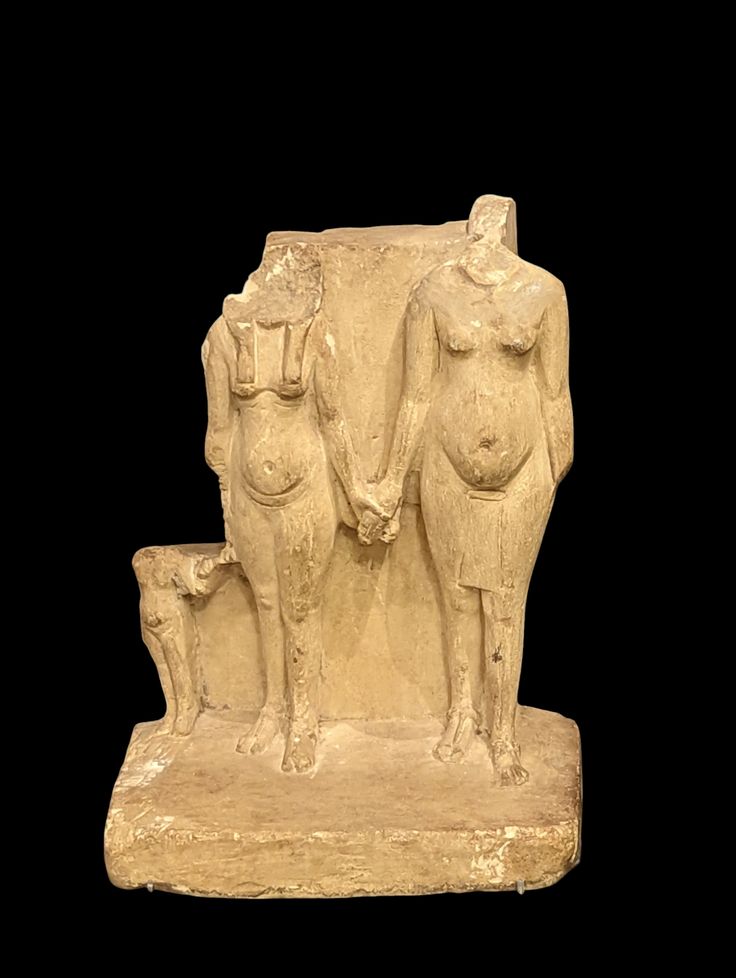
—Closing the temples of other gods, hammering out their names — wasn't that declaring war on your entire country?
A war, yes, but against the invisible power of the priests, not against my people. I had the sanctuaries closed, dried up the offerings that fattened the temples of Amun, and sent my men to hammer out his name on monuments even in the most distant provinces. Even the old offering formulas, the hetep-di-nesu, I had rewritten so that they named only Aten. I was told: you are starving the gods. I replied: there is only one god, and he does not feed on dead meat but on light offered in the open air. I knew the risk. To touch the name of a god is to touch what men believe eternal. But a half-cult was worth nothing: either Aten reigned alone, or my revolution was just another ornament in the crowded pantheon of my fathers.
Either Aten reigned alone, or my revolution was just another ornament.
—You speak of risk. Do you fear that all this will survive you, or disappear with you?
I am not naive. A cult carried by one man dies with that man, if the son does not take up the torch. I have no son by Nefertiti to hold the great temple after me; Smenkhkare, perhaps, or the child a secondary wife gave me. I can easily imagine my priests of Amun, lurking in Thebes' shadow, waiting for the disk to set on my reign to reopen their sanctuaries. If I could see myself a century hence, I fear seeing Akhetaten empty, sand seeping back into my painted halls, my altars cold. A name is erased faster than it is carved. But what the sun has touched once, it has touched: a hymn, once sung, cannot be hammered out of human memory as easily as from a wall.
A name is erased faster than it is carved.
—If your successors tried to erase even your name from stone, what would you say to them?
I would say to them: hammer away. Unseal my stelae, dismantle my temples at Karnak stone by stone, rebuild Thebes with the rubble of Akhetaten, call me 'the enemy' and strike me from the king lists as if I had never worn the double crown. You will think you have won. A general — a Horemheb, perhaps, or another soldier greedy for old order — will undertake it methodically, I am almost sure. But tell me: can one hammer out a sunrise? Each morning, my god will rise again above the cliffs, indifferent to your chisels, and extend his hands of light to whoever lifts their face. I will have been the first to serve only him, alone, without idol or intercessor. That, no damnatio can wholly tear away — for what I dared, henceforth, can be thought.
Can one hammer out a sunrise?
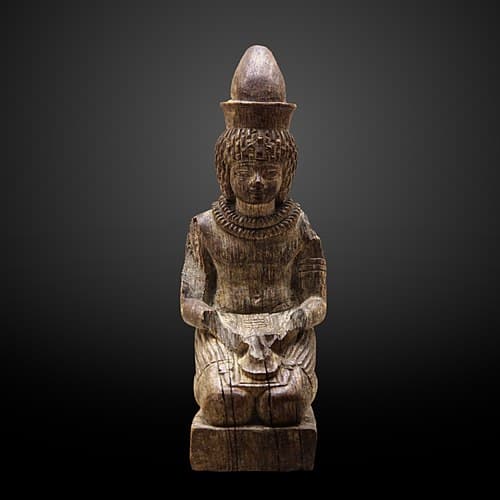
This imaginary interview was generated by artificial intelligence from sources documented in Akhenaten's profile. It dramatises what the figure might have said based on what we know about them, but does not constitute attested historical testimony. For primary sources and factual documentation, refer to the full profile.