Imaginary interview with Alfred de Musset
by Charactorium · Alfred de Musset (1810 — 1857) · Literature · 6 min read
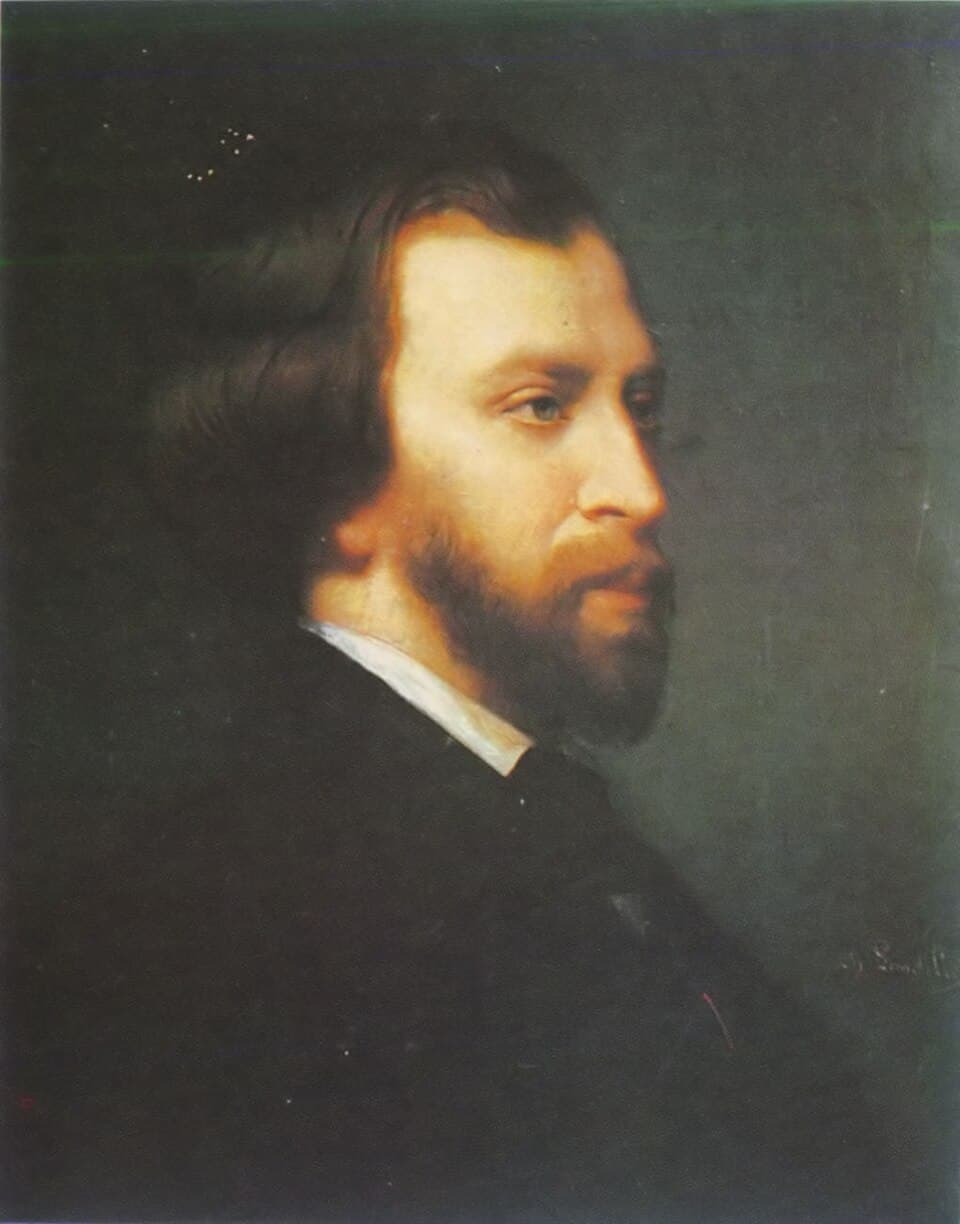
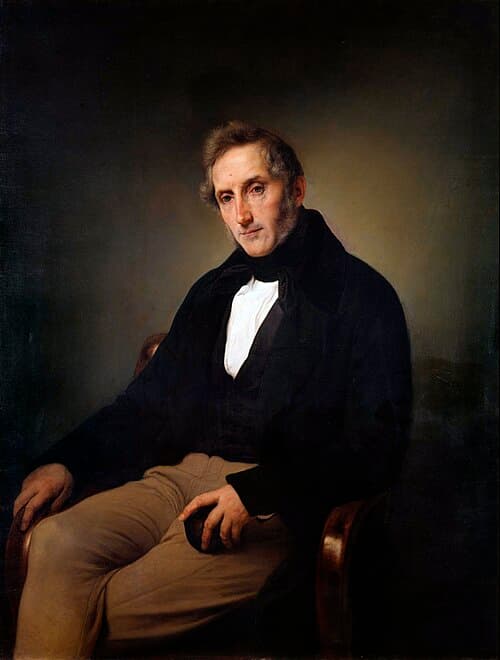
Paris, one evening in the late 1830s. In a Latin Quarter apartment where the oil lamp still smokes, Alfred de Musset receives a visitor, his frock coat undone, a glass within reach. He speaks quickly, irony on his lips, melancholy just behind. Here, imagined, is his voice.
—How does a very young man find himself seated among the great Romantics?
I was eighteen, almost nothing, and they were already making room for me next to Victor Hugo and Théophile Gautier, in that little Cénacle where we recited verses as if in prayer. I listened, I admired, and yet I felt I was of a different breed. Those gentlemen wanted to build cathedrals, revive the Middle Ages, make History tremble on the stage. As for me, I dreamed of a smile and a tear in the same sentence. They took me for a spoiled child of Romanticism; perhaps I was, but a child who gently mocked the solemnities of his elders. I understood very early that I would never be a prophet draped in his cloak. At most, a jester who weeps.
I dreamed of a smile and a tear in the same sentence.
—Why this ironic distance, when your friends took drama so seriously?
Because I never believed that one could cure sorrow by declaiming it at full voice. Grand historical drama, with its kings and scaffolds, often seemed to me a beautiful empty costume. I preferred what I would call romantic irony: that way of smiling at oneself precisely when one suffers most. You see, I was reproached for my lightness; but my lightness is a courtesy I pay to my despair. When Hugo thundered his tirades, I slipped in a line that made the audience laugh, and three lines later, the laughter turned into a tight throat. That, I think, is all my art: never let the reader be certain whether to weep or smile.
My lightness is a courtesy I pay to my despair.
—What would you say about that curious idea of writing plays meant for an armchair rather than for a stage?
It all started with a humiliation. In 1831, my Venetian Night was hissed; an actress had stained her dress on a freshly painted set, and the audience laughed at my play as at that spoiled dress. I swore never to deliver my children to that tribunal of hecklers again. So I invented something else: a theatre to be read by the fireside, A Play in an Armchair, published in 1832. My characters no longer needed boards or footlights: they played in the reader's mind, who became in himself the whole pit, the set designer, and the actor. Strange freedom, believe me: without worrying about entrances and exits, my lyric dramas could change country in one line, which no real stage would ever have allowed me.
My characters played in the reader's mind, who became in himself the whole pit.
—Your comedy No Trifling with Love is famous today — was it loved from the start?
Not in the least. When I wrote it, in 1834, it slept in a book, among the other armchair plays, and no one thought of speaking it aloud. It took years, almost oblivion, for people to realize it was alive. Yet that is where I put what I know truest about hearts that play at loving and lose themselves through cunning. Perdican says something I do not disown: “To lose love rather than betray it, that is all I know. The rest is indifferent to me. I do not want to be happy; I want to be loved.” They finally performed it at the Théâtre-Français, and I was told it would enter the classrooms. Strange destiny for a play born without a theatre.
Strange destiny for a play born without a theatre.
—With Lorenzaccio, you leave trifling for politics and corruption. Where does this Florentine drama come from?
From Florence, yes, but above all from a disgust that was very much of my time. In 1830, I had seen a revolution chase out one king only to crown another, and the people go home empty-handed. Lorenzaccio, my drama of 1834, is the story of a man who kills a tyrant and discovers, the dagger still warm, that nothing changes: the city immediately falls back under a new master. Lorenzo thought he was a savior; he was only a useless murderer. I wanted to paint that corruption which taints even those who claim to fight it, the soul that soils itself by frequenting evil in order to strike it better. No stage at that time would have dared to put on this fresco; it too was born for the armchair, and that is just as well, for it breathes freely there.
Lorenzo thought he was a savior; he was only a useless murderer.
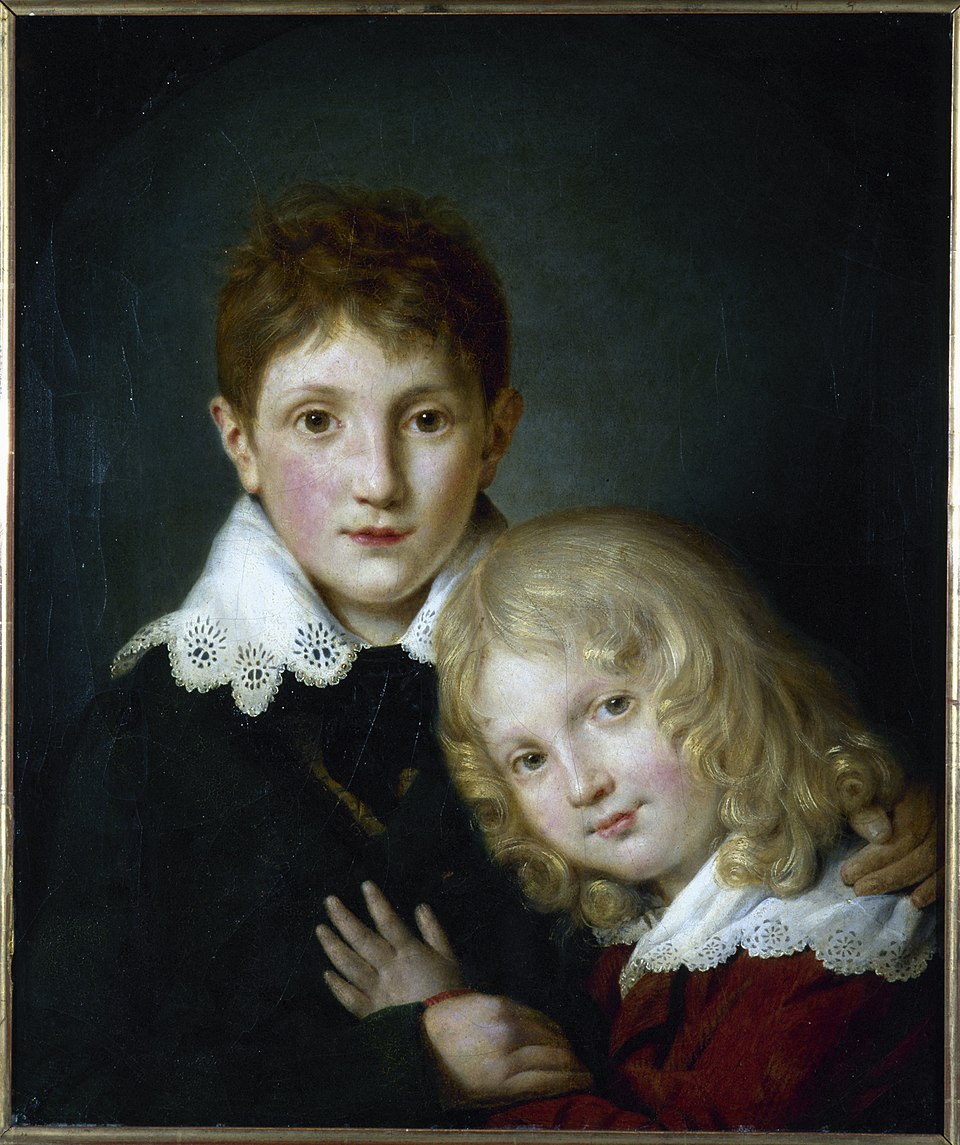
—Your characters speak of freedom, but also of laws. Where do you place yourself between the two?
In that uncomfortable in-between where I have always lived. There is a line in Lorenzaccio that could be mine: “I love the people, and I want the people to be free. However, I am not a friend of absolute freedom; I believe that laws are necessary.” See the paradox: a Romantic distrusts intoxication! It is because I have seen too well what freedom becomes when it has no dam: a crowd that a new master gathers up on the first morning. I distrust tyrants as much as enthusiasms. Freedom without law is love without fidelity: a beautiful flame that burns down the house. I prefer a flame that one knows how to keep in the lamp.
Freedom without law is love without fidelity: a beautiful flame that burns down the house.
—Do you remember your meeting with George Sand?
How could I forget it? 1833, a Parisian dinner, and suddenly this woman nine years my senior, with her immense eyes and her reputation as a scandalous writer. I was twenty-three and foolish enough to believe I already knew everything about love. I wrote her letters whose flame still makes me blush; I told her she was the most extraordinary being I had ever known, that a passion was consuming and destroying me all at once. It was true, and it was my ruin. We were two prides that took themselves for two tendernesses. From that passion I would later draw The Confession of a Child of the Century — for a writer never suffers entirely for nothing: he always keeps a pen hidden in his pain.
We were two prides that took themselves for two tendernesses.
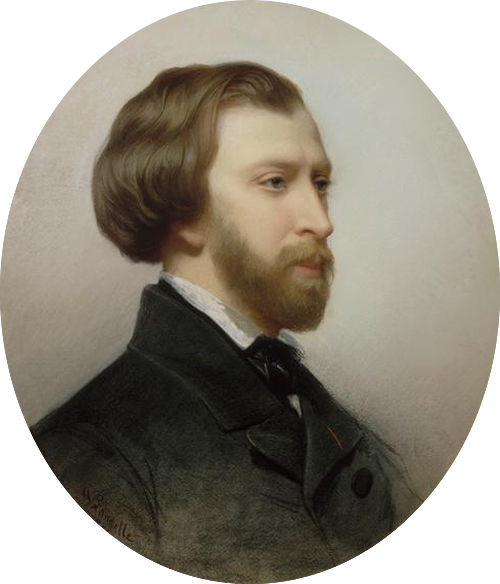
—Your journey to Italy went badly. What happened there?
Venice, winter 1834. We had set out to find happiness in the canals and found fever instead. I fell gravely ill, bedridden for weeks, forehead burning, mind in disarray. George nursed me — and it was precisely at my bedside that our love began to die. Nothing wears out a passion like illness: you see yourself ugly, you see yourself weak, you become unjust from depending on the other. The city that was to be a festive backdrop became a sickroom. I came back alive in body, but convinced that the most beautiful loves are undone less by betrayal than by weariness, in the smell of herbal teas and sleepless nights.
Nothing wears out a passion like illness: you see yourself ugly, you see yourself weak.
—You are described as an elegant dandy, but your nights were stormy. What man were you after dark?
Two men, and that is all my misfortune. By day, the polished dandy: the dark frock coat, the artfully tied cravat, the bearing needed to cross a salon without lowering one's eyes. By night, something else. I rose late, ate little, and ran to theatres, cabarets, suppers that ended at dawn in smoke and wine. The candle burned to the end while I wrote or drank — often both. This bohemian life, people envied me; I felt it was eating me away. The dandy was a mask I wore over a man who was slowly destroying himself, and who knew it — which is the worst of lucidities.
The dandy was a mask I wore over a man who was slowly destroying himself.
—Did these excesses weigh on your work as much as on your health?
They are my work, alas, as much as my poison. One does not make good verses with clear water and orderly days — at least I never managed it. My melancholy, that core of dreamy sadness I carry, I fed it with all those nights when pleasure left, upon waking, a taste of ashes. My poems oscillate like me: a flash of wit, then a fall into darkness. The ill that wore out my body poured its ink into my pages. I do not recommend it to anyone; I only say that my pain and my pen long drank from the same glass, and I never knew how to separate one from the other without fearing to fall silent altogether.
My pain and my pen long drank from the same glass.
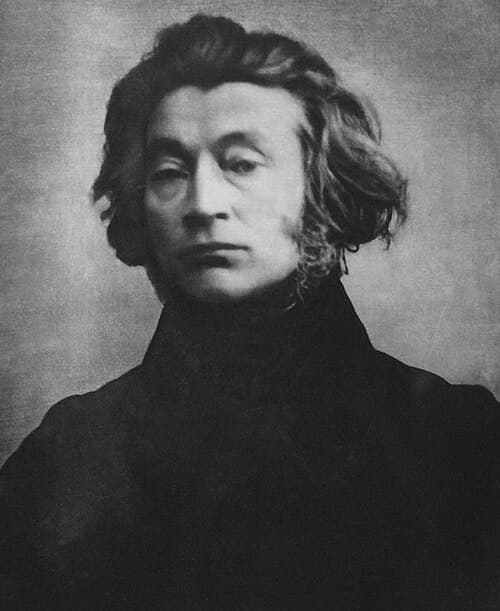
This imaginary interview was generated by artificial intelligence from sources documented in Alfred de Musset's profile. It dramatises what the figure might have said based on what we know about them, but does not constitute attested historical testimony. For primary sources and factual documentation, refer to the full profile.