Imaginary dialogue between George Sand and Alfred de Musset
by Charactorium · Alfred de Musset (1810 — 1857) · Literature · 5 min read
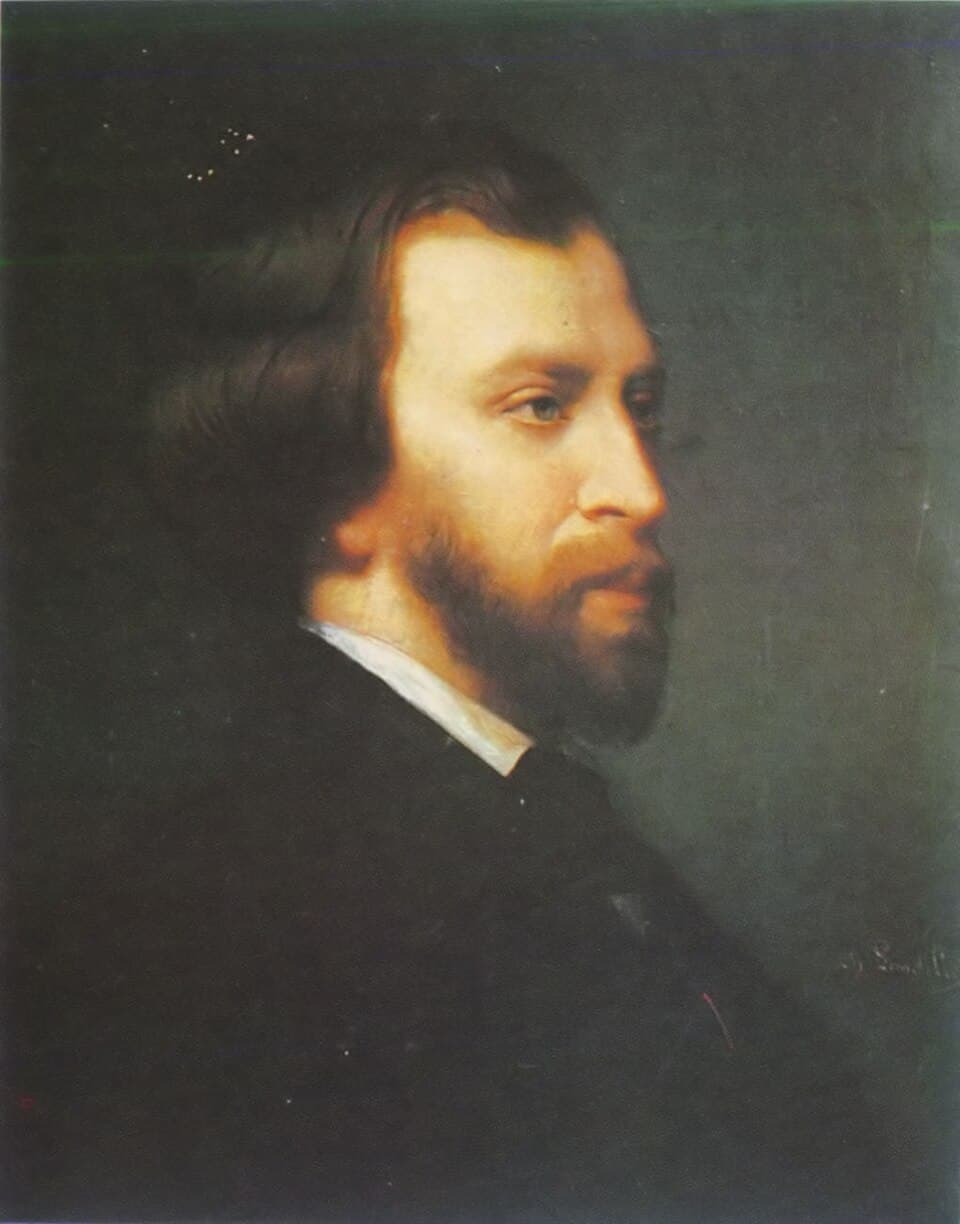
It is in a small drawing room in the Latin Quarter, on a late winter afternoon in 1845, that George Sand meets Alfred de Musset again. An oil lamp dimly lights the room; on the table, a bundle of yellowed letters that neither dares to name. They have known each other for twelve years now — since that Parisian dinner in 1833 where it all began — and Sand comes without resentment, only with the desire to understand the man behind the verses. The fire crackles, and a long silence precedes the first question.
—Alfred, do you remember that dinner where we met, in 1833? I was nine years older than you. What did you see in me that evening?
How could I forget it, George? You were the most singular person at the whole table, and I knew it even before I spoke to you. They thought me frivolous, the young man who rhymed for fun; but before you I felt something tear inside me. You were no drawing-room muse, the kind one covers with madrigals. You wrote, you lived, you refused to be governed — and I, who was only twenty-three, threw myself into that passion as one throws oneself into an abyss, with eyes wide open. You, who know it better than anyone, I have never loved halfway. That evening, I understood that you would be both my joy and my ruin.
I threw myself into that passion as one throws oneself into an abyss, with eyes wide open.
—Let's talk about Venice, in 1834. You fell so gravely ill there that I watched over you for weeks. What memory do you keep of those nights?
Memories of fever, George, where I could no longer distinguish dream from the room. I see myself burning, the shutters closed, the canal water lapping under the window like a lament. And you, leaning over me, making me drink, wiping my brow when I was delirious. I owe you my life, I have always known it. Yet — must I say it? — it was there, in that city that should have united us, that I felt for the first time something coming undone between us. Illness wears down love as much as it wears down the body. Venice gave me back my life and took your heart in the same month; I have never untangled whether I should bless it or curse it.
Venice gave me back my life and took your heart in the same month.
—When you wrote La Confession d'un enfant du siècle in 1836, two years after our breakup, did you know you were putting our story into it?
I knew it, and I could not do otherwise. You know how much I hesitated to publish that book — it was laying our wounds open before the whole world. But I am not a man who invents; I bleed onto the paper, that is all my art. La Confession is not a revenge, George, whatever they say: it is the confession of a boy of my century, raised in the ruins of the Empire, incapable of believing in anything and yet burning with everything. Our passion was only the mirror in which this mal du siècle saw itself. I put my fault as much as my pain into it. If I was cruel in life, I wanted at least to be honest in the book.
I am not a man who invents; I bleed onto the paper, that is all my art.
—You who made me laugh so much, how do you explain that On ne badine pas avec l'amour, written in 1834, ends in tears?
Because laughter and tears are two sides of the same coin, George — you know it, you who saw me pass from one to the other in an hour. I wanted a sparkling comedy, young people who seek and flee each other out of pride, who think they are trifling. And then pride kills, in the end; Rosette dies of it, and the two lovers lose each other for not having been able to say a simple word in time. All my theater lies in that lesson. Perdican cries out: I do not want to be happy; I want to be loved. It is that one does not mock the heart with impunity. We play, we show off our wit, we tremble at seeming naive — and one fine day the game closes in on us like a trap.
One does not mock the heart with impunity.
—In Il ne faut jurer de rien, in 1836, you mock oaths. Is it the libertine speaking, or the love-scarred lover I knew?
Both at once, my friend, and that is precisely what amuses me. The title is a whole program: we swear never to love, and we love; we swear to love forever, and we forget. I have laughed too much at my own oaths to make tragedies of them. You see, I like to mix irony with tenderness, to slip in a barb where one would expect a sigh. That is what they sometimes reproach me for — that one never knows if I am joking or crying. But the truth of the heart lies precisely in that trembling. Doubt, inconstancy, the fear of being duped: that is what we are made of, you and I, like my characters.
We swear never to love, and we love; we swear to love forever, and we forget.
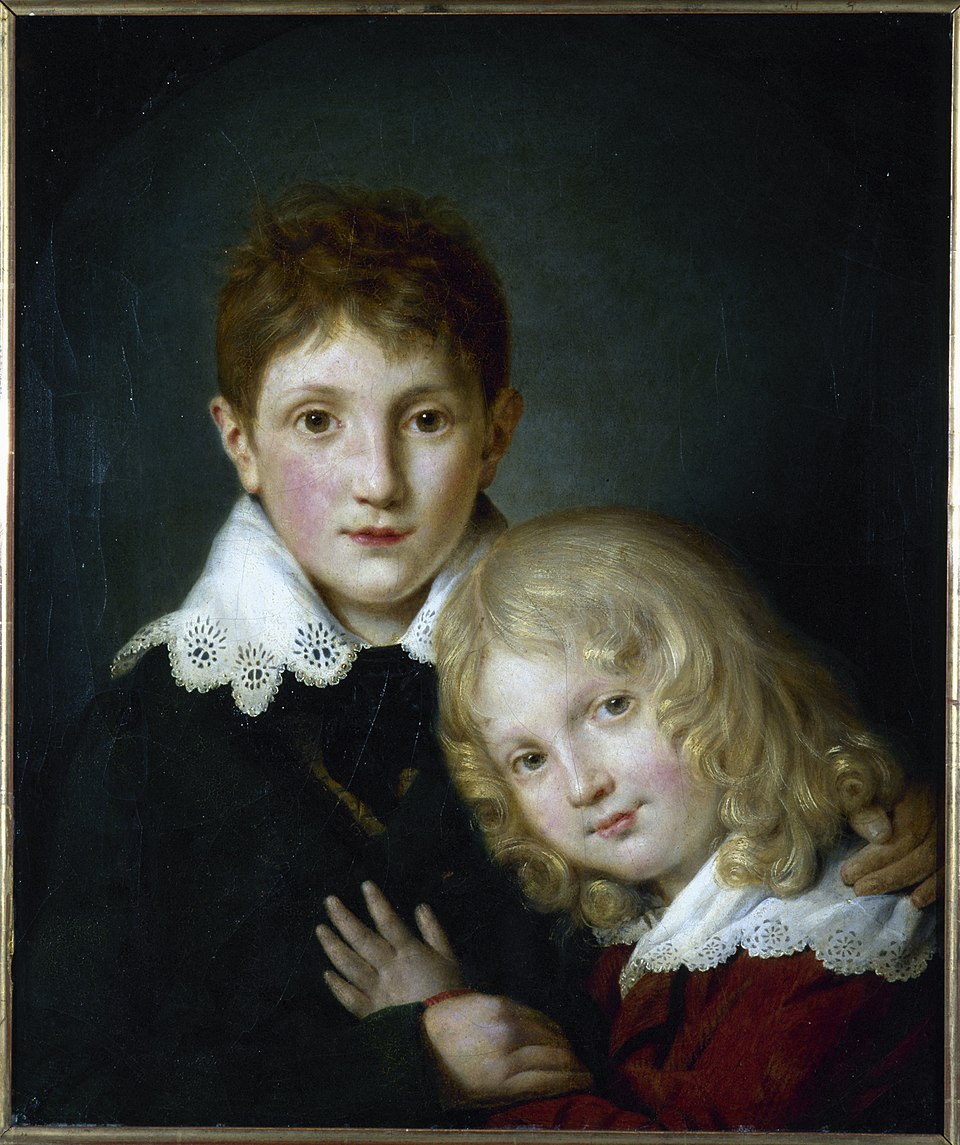
—Remember the failure of La Nuit vénitienne in 1831 — hissed from the first performance. How did you live through that youthful humiliation?
Like a burn whose scar I still carry. I was twenty, my heart full of audacity, and the public sent me back to my verses in a single evening of catcalls. They say an actress leaned against a freshly painted set and came out smeared — the audience burst out laughing, and my drama with it. I swore that evening never again to deliver a play to the stage. You will tell me it was wounded pride; I will answer you that it was lucidity. The stage is a fair, George, where the tenderest work gets flayed by the first laugher. I preferred to withdraw rather than beg for applause.
The stage is a fair where the tenderest work gets flayed by the first laugher.
—The following year, in 1832, you published Un spectacle dans un fauteuil. Why a theater that is not performed but read?
Because I turned my defeat into freedom, you see. Since they did not want me on the boards, I would write for the reader alone, in the silence of his armchair, by the fire. There, no more actors to satisfy, no more director to fear, no more audience to cajole. I could make my characters leap across centuries, change scenery in a line, mix verse with prose, dream with irony. My lyric dramas had no other theater than the imagination of the one who reads me — and what theater is vaster, more sumptuous than that? I invented, without meaning to, a genre where I obeyed only myself. It is from this forced retreat that my best plays were born.
My dramas had no other theater than the imagination of the one who reads me.
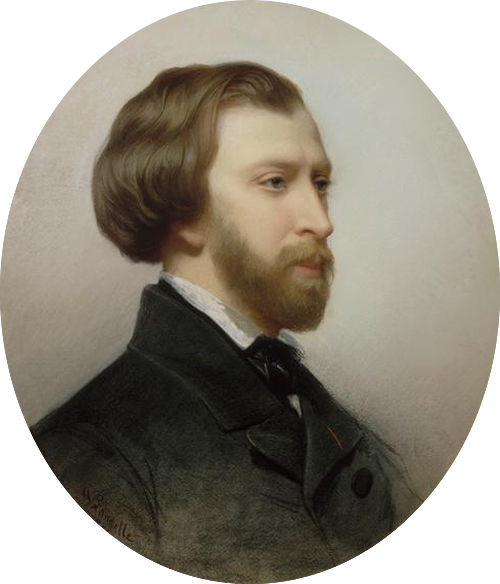
—You frequented the Cénacle, alongside Hugo and Gautier. Why did you always keep somewhat apart from those great Romantics?
Because I never liked banners, my dear. Hugo wanted to remake the world in alexandrines, to erect cathedrals of words, to paint frescoes where the Middle Ages thundered. I admired him, but that breath was not mine. I preferred the murmured confession to the harangue, the light song to the grand historical drama. They thought me frivolous for that; they mistook my irony for laziness. Yet I believe it takes as much courage to smile at one's pain as to declaim it. I wanted to be myself, a French heart that laughs to keep from crying, rather than a disciple in the wake of a master. The glory of schools never tempted me.
It takes as much courage to smile at one's pain as to declaim it.
—You know I worry about you, Alfred. These nights, these excesses, this wine that never leaves you — what are you really looking for?
Oblivion, George, and I will not lie to you. When inspiration flees me or memory gnaws at me, I seek in the evenings and in the wine a dizziness that delivers me from myself. You knew me coming home at dawn, brilliant and broken. That is the price of my bohemian life: I want to feel everything, burn everything, and the body cannot resist. I know I am ruining my health, they tell me often enough. But a poet who economizes writes only tepid things. I prefer a short, vivid flame to a lamp that lasts and illuminates nothing. If I burn out, at least it is from having lived too much.
I prefer a short, vivid flame to a lamp that lasts and illuminates nothing.
—One last question, my child. In our old letters, you wrote that your love devoured you. Do you regret it, today?
Regret it? Never. A passion that devours is worth a hundred lukewarm feelings that bore. Yes, I loved you with a love that destroyed me as it made me live — and I would write it again, word for word, if I had it to do over. You gave me my most beautiful tears and my most beautiful verses; one does not write the night without having known the storm. What we went through, George, in Venice as in Paris, in fever as in breakup, that is what made me a poet and not a rhymester. Tranquil happiness would have taught me nothing. I prefer this wounded heart that knows, to an intact heart that ignores.
A passion that devours is worth a hundred lukewarm feelings that bore.
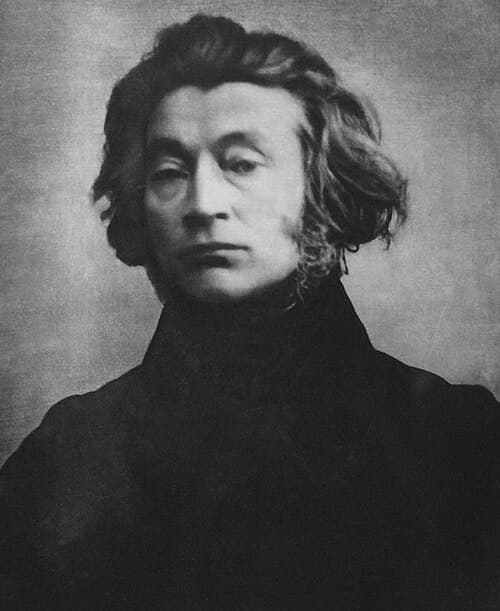
This imaginary interview was generated by artificial intelligence from sources documented in Alfred de Musset's profile. It dramatises what the figure might have said based on what we know about them, but does not constitute attested historical testimony. For primary sources and factual documentation, refer to the full profile.