Kids interview Andrea Dworkin
by Charactorium · Andrea Dworkin (1946 — 2005) · Society · Philosophy · Literature · 5 min read
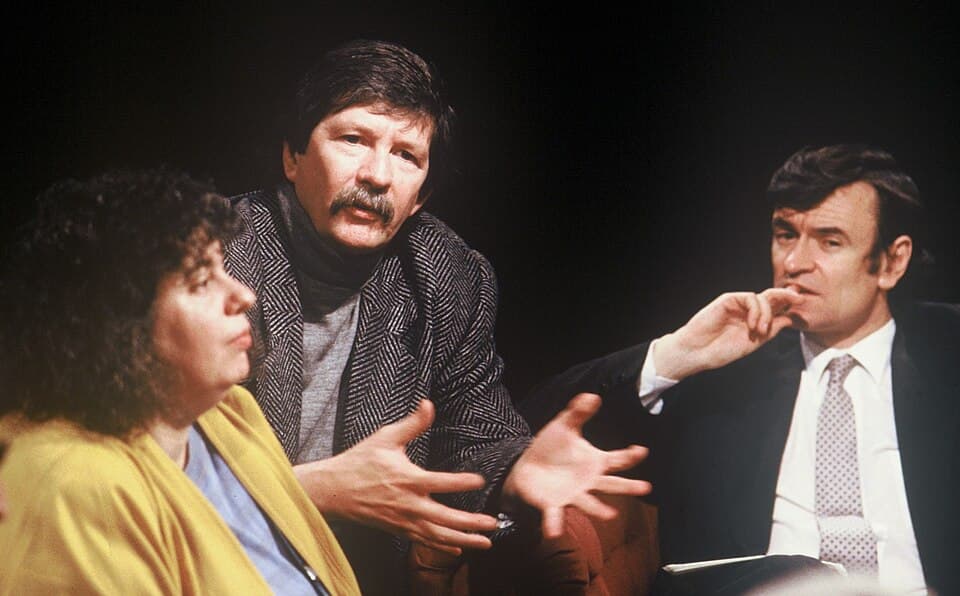
Two middle school students, on a field trip, pushed open the door of a small New York apartment cluttered with books and files. A woman in denim overalls waited for them, sitting amid her manuscripts covered in cross-outs. Her name is Andrea Dworkin, and she agreed to answer their questions.
—What was your life like in Amsterdam when you were young?
You know, I arrived in Amsterdam in 1968. I was barely over twenty, and I thought I would find freedom there. Imagine a city full of canals, very beautiful to look at. But I often had an empty stomach. I knew misery, the real kind, where you count every coin. And I saw how, when a woman is poor, some men think they can buy her like an object. Those three years taught me everything. Not from books, no. In my own skin. That's where I began to understand what I would fight my whole life.
—Was your husband mean to you?
Yes, my child. I got married there, in 1969, to a man named Ivar. At first, I loved him. Then he started hitting me. Again and again. I was afraid, especially at night. But you know what saved me? Other women. Almost strangers who opened their door to me, hid me, fed me, until I could escape in 1971. Alone, I would never have made it. That's why, later, I always believed in one simple thing: women must stick together. When one falls, the others pick her up.
—How old were you when you were arrested?
I was 18, in 1965. I was a rebellious kid. I was protesting in front of the big United Nations building in New York against a faraway war, in Vietnam. The police arrested me. And in detention, they subjected me to a brutal and humiliating medical exam, with no respect for my body. I was in pain. I was ashamed, even though I had done nothing wrong. But I did something the powerful hate: I spoke. I told everyone who would listen what they had done to me. That day, without knowing it, an activist was born.
—Why did it change you so much?
Because I understood something that day. It wasn't just a mean cop, an accident. It was the system itself, the institutions, that allowed them to harm a woman's body. There's a word for it, coined in my time: violence against women. It refers to all the violence we suffer just because we are girls. At school, I was taught that the law protects. I discovered it could also hurt. So I decided to devote my life to making sure women are heard, and above all believed when they tell their stories.
—Why do you always wear those denim overalls?
Ah, you noticed! Look: denim overalls, a simple t-shirt, flat shoes. I wear this almost every day. It's not by chance, you know. In my time, women were expected to squeeze into uncomfortable clothes, wear makeup, be pretty for men to look at. I said no. I dress to be free in my movements, to work, to walk tall. These overalls are like a little flag. A silent way of saying I don't dress to please anyone.
My body is not a decoration to be looked at.
—What was your day like when you were writing?
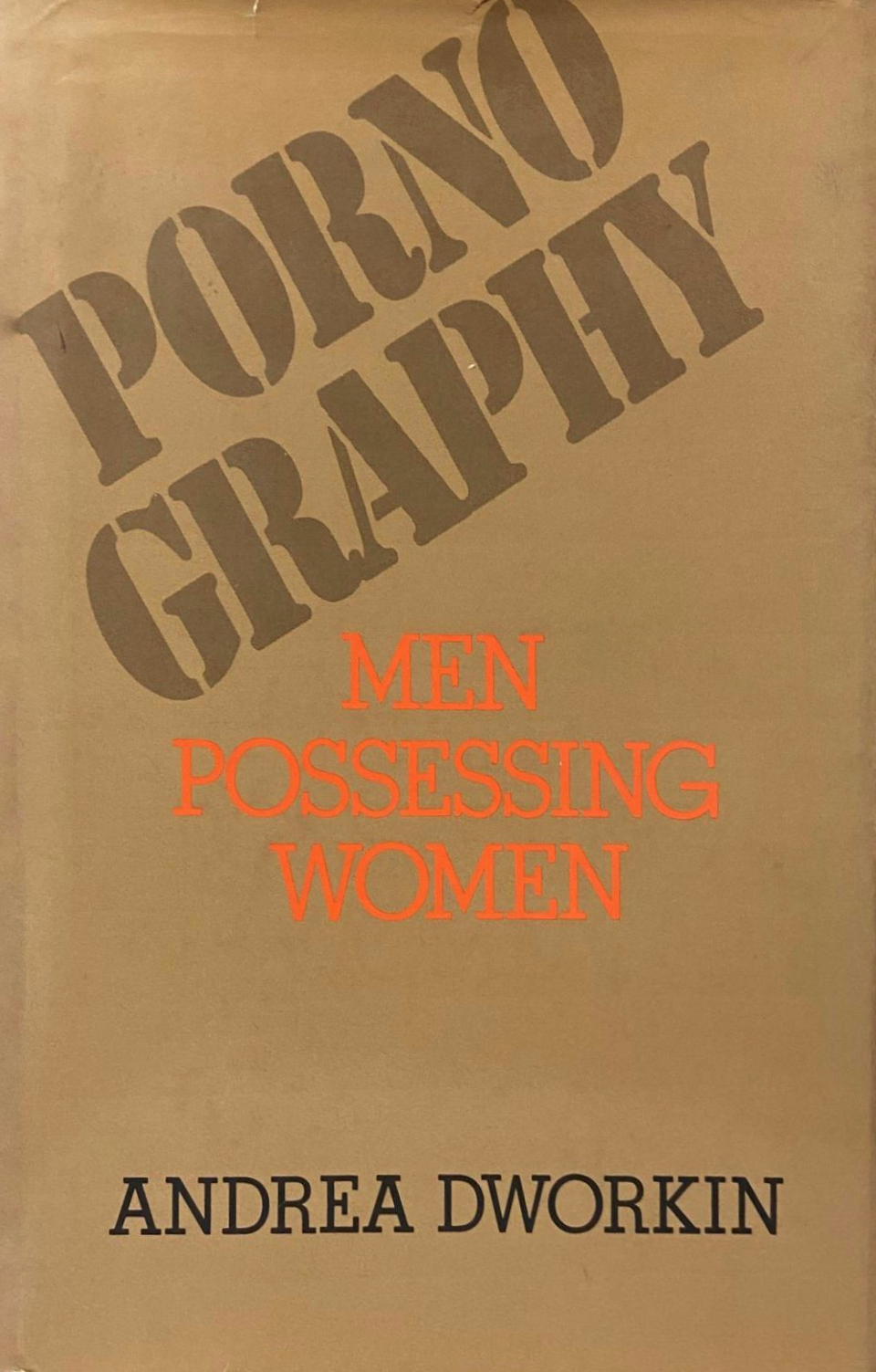
Well, you'd be surprised! I didn't write sitting nicely at a desk. No. I wrote standing up, at a high table, for hours on end. Often in the afternoon, sometimes part of the night. Once I got going, I couldn't stop. It was as if the ideas flowed on their own, and my hand raced after them to catch up. They call it being in a kind of trance. Around me, piles of books, notes, files everywhere. My pages were covered in cross-outs and words added in pencil. My thinking took shape right there, directly on paper.
—Didn't writing standing up hurt your back?
A little, yes! But you see, I needed that. Standing up, I felt ready for battle, like a boxer before a match. Writing, for me, wasn't relaxing. It was fighting. Every sentence had to hit the mark. I would reread, cross out, start over ten times. Nearby lived a man I loved, John Stoltenberg, a writer too. We shared a small apartment full of papers. I ate little, quickly, without really thinking about it. Food bored me. Only words mattered, and the idea that they could, one day, change a woman's life somewhere.
—Is it true you wrote a whole book on a forbidden subject?
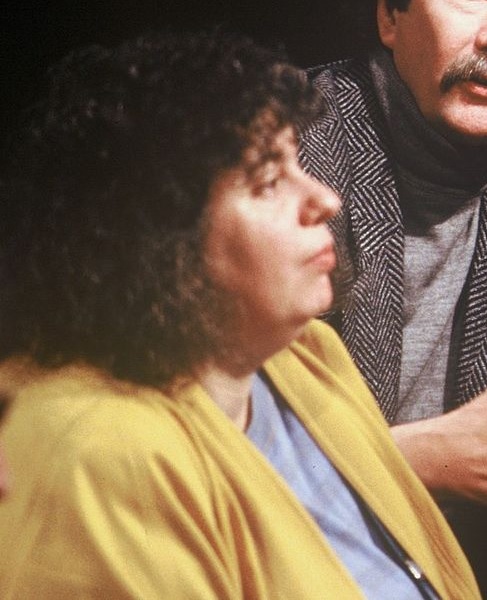
Yes. In 1981, I published a book with a difficult title: Pornography: Men Possessing Women. Let me explain it simply. There are images that show women as objects to be used, hurt, then discarded. That revolted me. I wanted to show that it wasn't just 'for fun,' but that it harmed real women, in real life. I spent years studying everything, documenting everything, like an investigator. My book sparked a huge debate worldwide. Many hated me. But I never regretted saying out loud what others preferred to keep quiet.
—And you also tried to change the law?
Exactly. In 1983, with a very brilliant lawyer, Catharine MacKinnon, we had a new idea. In Minneapolis, we wrote a city law, an 'ordinance.' Until then, people talked about these images as a moral issue, good and evil. We said something else: it's a violation of women's civil rights, that is, their right to be treated equally. Imagine: for the first time, a harmed woman could file a complaint. The law was passed twice... and blocked twice by the powerful. We lost the battle. But the idea traveled everywhere.
We lost the battle, but the idea traveled around the world.
—If girls like us read your story one day, what do you want them to remember?
Oh, that question touches me, my child. I want them to remember one very simple thing. When a woman tells what she has lived through, when she says 'I was hurt,' she must be believed. The greatest contempt is not being believed about your own life. My whole existence, from the steps of the United Nations to my last books, I fought for that. I wasn't always gentle, I know. I was angry, often. But it was an anger that wanted to protect. So to you and your friends, I say: never be ashamed to tell the truth. And stick together.
The greatest contempt is not being believed about your own life.
This imaginary interview was generated by artificial intelligence from sources documented in Andrea Dworkin's profile. It dramatises what the figure might have said based on what we know about them, but does not constitute attested historical testimony. For primary sources and factual documentation, refer to the full profile.