Imaginary dialogue between Marlene Dietrich and Anna May Wong
by Charactorium · Anna May Wong (1904 — 1961) · Performing Arts · Society · 5 min read
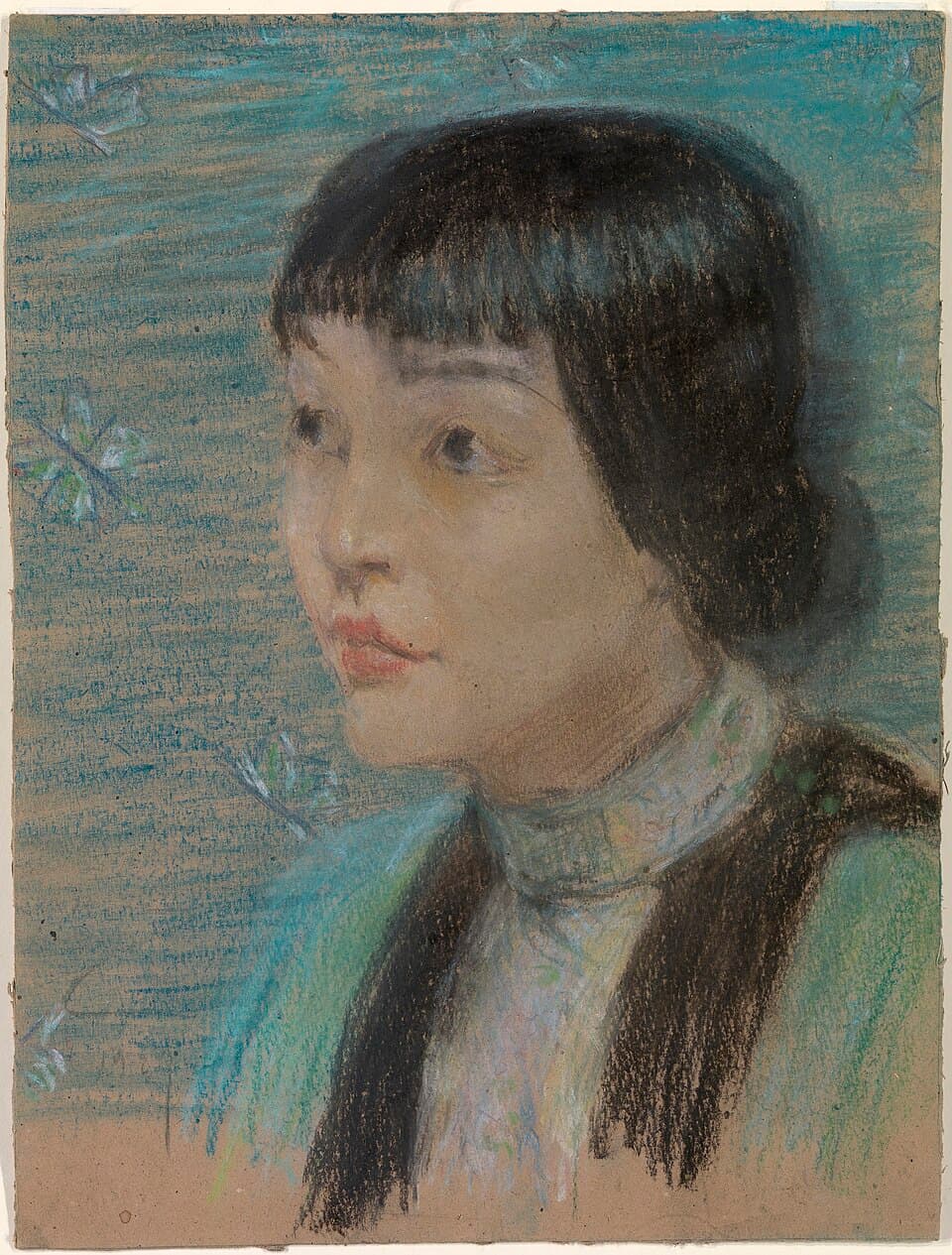
It is in a quiet Berlin salon, one evening during the filming of Shanghai Express in 1932, that Marlene Dietrich meets her friend Anna May Wong. Cigarette smoke mingles with the dim light of the lampshades, and a phonograph plays softly in the background. They have known each other since the cosmopolitan nights of the German capital, where Anna learned German and frequented artistic circles. Marlene, complicit and curious, wants tonight to hear what her friend never confides to journalists.
—Anna, on our set you're playing Hui Fei again, a lost and tragic woman. Since The Toll of the Sea, why does this shadow follow you everywhere?
You who see me every morning at makeup, Marlene, know that it's not I who choose. Since The Toll of the Sea in 1922, I've been given abandoned Oriental women, women who cry and then die before the last reel. Hui Fei is a prostitute with a tragic fate, like almost all my roles. I am condemned to play the wicked Oriental, the treacherous dragon lady, with no way out. They find me too Asian to love a white man on screen, and too much an actress to disappear. So I die, again and again, under the lights. Each time, I slip into these characters a dignity that wasn't written for them — that's my only freedom.
I am condemned to play the wicked Oriental, with no way out.
—When they reduce you to the Dragon Lady, the treacherous slant-eyed woman, what do you feel deep inside, you who are so different from those women?
I feel the injustice of a distorting mirror, Marlene. Why is the Chinese woman on screen always the villain, so cruel, a snake in the grass? We are not like that. How could we be, when China bears the richest, most mature civilization in the world? I already said that to a journalist some years ago. These roles of murderesses and traitors don't tell my story; they tell the fears of those who write them. I take them on because I have to work, but I refuse those that are too degrading. One day, I hope a film will finally tell the truth about the Chinese. You who have known exile, you understand that one can love a people that one is forced to betray on screen.
How could we be treacherous, when China bears the most mature civilization in the world?
—They say that MGM denied you the role of O-Lan in The Good Earth. How does one live through such humiliation, you the most famous Chinese actress in the world?
It is the deepest wound, Marlene. The studio was adapting Pearl Buck's novel, a Chinese peasant woman at the heart of the story — a role made for me. I was set aside. It was given to Luise Rainer, an Austrian made up in yellowface, because the anti-miscegenation laws forbid an Asian actress from kissing a white partner on screen. Understand the absurdity: they make up a white woman to play a Chinese woman, and they refuse the real Chinese woman. They even offered me a role as a traitor in that same film; I declined. I could not play the only ignoble figure in a Chinese story that I know better than anyone. That refusal marked me like a branding iron.
They make up a white woman as a Chinese woman, and they refuse the real Chinese woman.
—This yellowface, these contracts that limit your roles even before the first shot — do you feel trapped in a system built against you?
Trapped, yes, but clear-eyed. The studio system holds our entire lives: our roles, our public faces, even whom we can love. The contracts I sign sometimes contain clauses that limit what I have the right to portray — racism written in black and white. While they make up white actors as Asians, I am barred from major roles in the name of supposed morality. The Hays Code forbids interracial love on screen, so I remain forever in the background. But a contract does not buy my conscience. I refuse scripts that demean, and these refusals are rare for a woman without power. You who know the power of the studios, you know what a simple 'no' costs.
A contract does not buy my conscience.
—Do you remember our evenings right here, in Berlin, when you were learning German? What did you come to Europe to find when you left Hollywood?
I came to find open air, Marlene. In 1928, tired of Hollywood's racism, I crossed the ocean. London, Paris, Berlin offered me what America refused: ambitious roles, a critical acclaim, artistic circles where I was seen as an actress, not an exotic curiosity. In London, I filmed Piccadilly in 1929 — finally a complex character, Shosho, a dishwasher who becomes a star. Here, in Berlin, I learned your language, frequented your theaters, and met free spirits like you. Those European years restored my artistic dignity. I breathe differently on this side of the Atlantic — and our laughter together is part of that.
I came to find open air — Europe restored my artistic dignity.
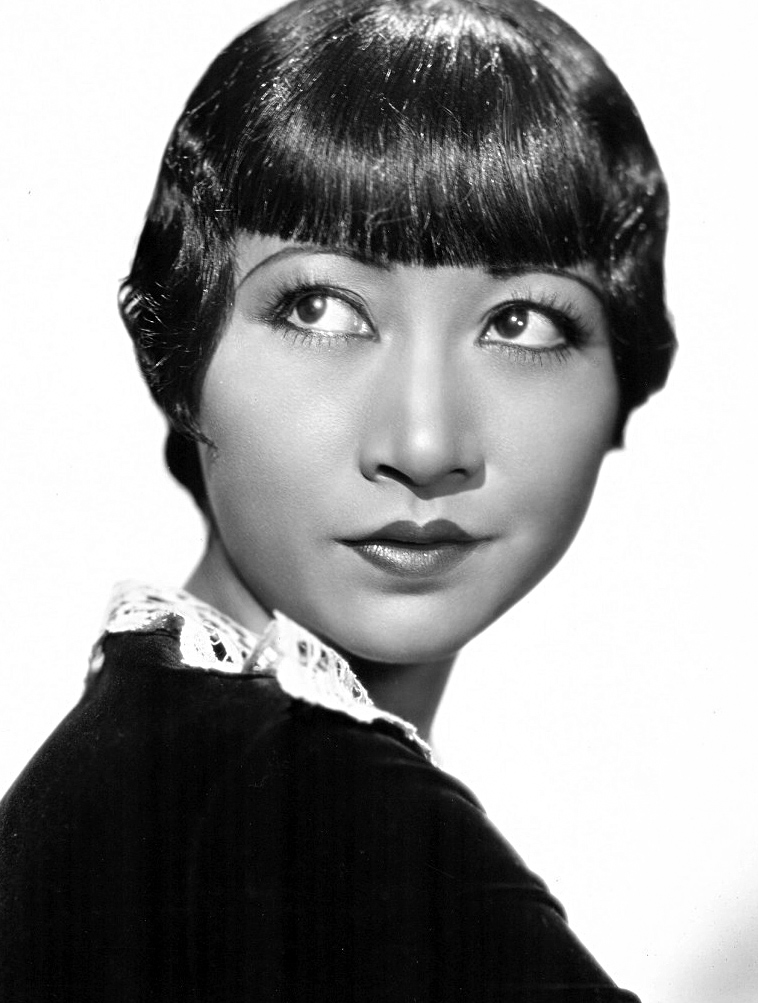
—On our set I see you lighter than people imagine. Does this freedom here really change the way you act?
It changes everything, Marlene. In Hollywood, I acted tense, knowing that a single mistake would have me replaced by another — the Asian actress has no right to fail. Here, they trust me, so I dare. In Piccadilly, I was able to give Shosho a depth that would never have been allowed in Los Angeles. The transition to talkies, which so many feared, was a chance for me: I speak English, Cantonese, Mandarin, French, your German. My voice finally becomes an asset, not a handicap. Working alongside you in Shanghai Express is to rediscover that pure pleasure of acting, between friends who understand each other with a glance. I act better when I am seen as an artist.
I act better when I am seen as an artist.
—You went to China last year to reconnect with your roots. I felt you changed when you came back — what happened to you there, my friend?
A rejection I had not imagined, Marlene. In 1936, I traveled through Shanghai and Beijing, seeking my father's country, improving my Mandarin. I hoped to find a home there. But the nationalist press greeted me coldly: they reproached me for my roles of venal women and traitors, accusing me of tarnishing China's image. Understand the cruel irony — those roles were imposed on me in America, and now I was being punished for them in China. A stranger in Hollywood because Asian, a stranger in China because American. I returned shaken, without a land fully my own. You who left your Germany, you know what it is to have belonging denied from both sides.
A stranger in Hollywood because Asian, a stranger in China because American.
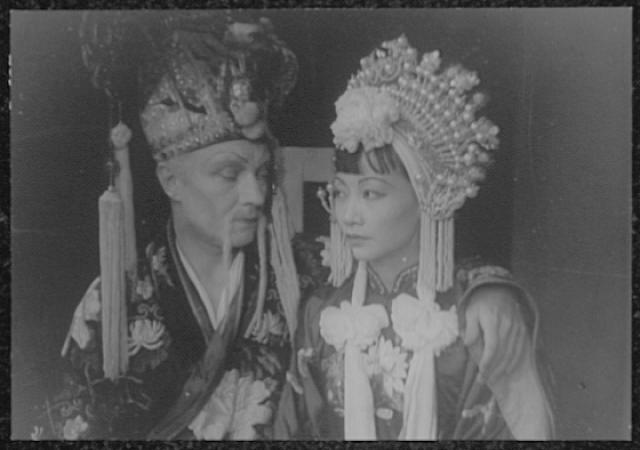
—This double rejection, neither fully American nor fully Chinese — how do you carry this rift without it breaking you?
I carry it like a second skin, Marlene. I was born in Los Angeles, in Chinatown, the daughter of a laundryman; America is my native country, my passport says so. Yet Hollywood treats me as a perpetual foreigner, and China sees me as a prodigal child unfaithful. So I have stopped waiting for a place to claim me. My home, I build in my work, in my friendships — in evenings like this one. This rift, instead of breaking me, sharpens my will: I want that one day our people on screen will no longer be caricatures. If I belong to no country entirely, perhaps I am the bridge between two — and a bridge serves to let others cross.
If I belong to no country entirely, perhaps I am the bridge between two.
—Tonight you are wearing a magnificent qipao again. The couturiers adore you, they say you are among the best-dressed women — what does this garment say about you?
It says my pride, Marlene. The qipao is not a stage costume I take off at night; I wear it in public by choice, at a time when everything Asian is mocked. When I put it on, I affirm that Chinese civilization is beautiful, that it deserves to be seen with respect. The couturiers of Paris and London tailor dresses for me, I am cited among the world's elegant women — but my finest adornment remains this garment of my ancestors. I blend your Western fashions with this fitted silk, and I make it a statement. Since exoticism is imposed on me on screen, I choose, in life, the noblest part of my heritage.
Since exoticism is imposed on me on screen, I choose, in life, the noblest part of my heritage.
—Behind the elegance that the world admires, is there a battle you fight that the public never guesses, you who seem so light at premieres?
The battle is constant, Marlene, beneath every premiere smile. They see me laughing at artists' dinners, they praise my attire, but they ignore the scripts I throw away: submissive maids, criminals, traitors that I refuse to embody. Each 'no' costs me a role, sometimes a studio. I read a great deal, I write to my family in Los Angeles, I cultivate five languages — not out of coquetry, but to remain master of myself when everything tries to reduce me. Elegance is my armor, not my frivolity. You who also hide behind an image, you know that public lightness is often the mask of a tenacious gravity. I smile to survive, and I resist so that those who come after will no longer have to smile like that.
Elegance is my armor, not my frivolity.
This imaginary interview was generated by artificial intelligence from sources documented in Anna May Wong's profile. It dramatises what the figure might have said based on what we know about them, but does not constitute attested historical testimony. For primary sources and factual documentation, refer to the full profile.