Kids interview Anousheh Ansari
by Charactorium · Anousheh Ansari (1966 — ?) · Exploration · Technology · Society · 4 min read
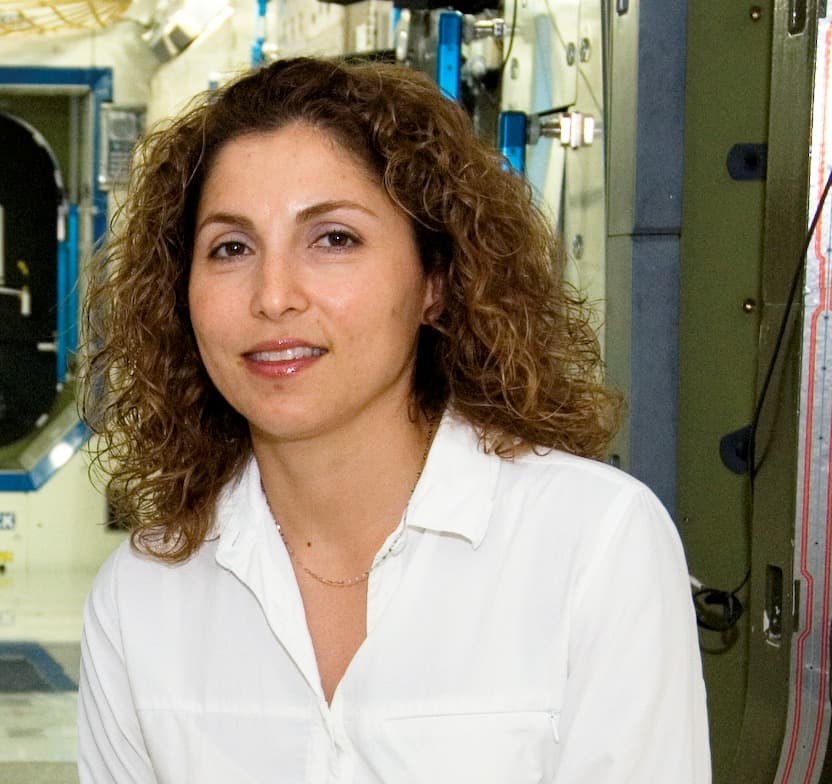
Two middle school students, on a field trip to the planetarium, have been preparing their questions all week. Before them, a smiling woman who, one day in 2006, left Earth. She settles in and tells them to go ahead without shyness.
—What were you like as a little girl in your city in Iran?
You know, I was born in Mashhad, a big city in Iran, in 1966. In the evening, I would lie on my back in the courtyard of our house. And I would look at the stars. Imagine a huge sky, with no light around, just thousands of shining dots. I dreamed of touching them one day. Around me, no one told me that was possible for a little girl from Mashhad. So I kept that dream to myself, like a precious secret. I didn't yet know that this secret would guide my whole life.
I kept my dream of the stars like a precious secret.
—What was it like having to leave your country?
It was hard, my child. In 1979, there was a great revolution in Iran, everything changed. A few years later, my family packed their bags to go live in the United States. Imagine: you arrive in a country where you don't speak the language well, where everything is new, the streets, the smells, the faces. We settled in Plano, a town near Dallas, Texas. I was scared, but also bursting with energy. When you lose your country, you learn one thing: your dream, you can carry it anywhere. No one can take it from you.
They can take your country. Your dream, never.
—How do you get rich enough to go to space?
Ah, it didn't fall from the sky, that's for sure! In 1993, with my husband and brother-in-law, I started a company, Telecom Technologies. We made devices to let people communicate remotely, by phone. We worked very, very hard, endless days. And then one day, in 2000, we sold that company for 750 million dollars. A huge sum, can you imagine? But money wasn't the goal. For me, it was a key. A key to open the door to the stars I dreamed of in my courtyard, a little girl in Mashhad.
Money wasn't the goal. It was a key to the stars.
—What's that prize that bears your family name?
Good question! With my family, we decided to support a great idea. We funded a competition, the Ansari X Prize: 10 million dollars promised to the first team able to build a private spaceship that goes into space and returns. Not a government machine, no — a machine built by ordinary people, passionate engineers. In 2004, a small ship called SpaceShipOne won. It was the beginning of what we call NewSpace: space open to everyone, not just big agencies. We lit a spark. And that spark still burns today.
We wanted to open space to everyone, not just governments.
—How did you get your seat on the rocket?
By a twist of fate, almost! At first, it wasn't me who was supposed to go, but a Japanese man, Daisuke Enomoto. I was training as a backup, just in case. And then, a few weeks before launch, he fell ill and couldn't fly. They told me: "It's your turn." My heart leaped! I had paid about 20 million dollars for this trip. And on the big day, I launched from the Baikonur Cosmodrome, in Kazakhstan, aboard the Soyuz TMA-9. The same place where Gagarin, the very first man in space, had left in 1961.
I was training just in case. And the "just in case" happened.
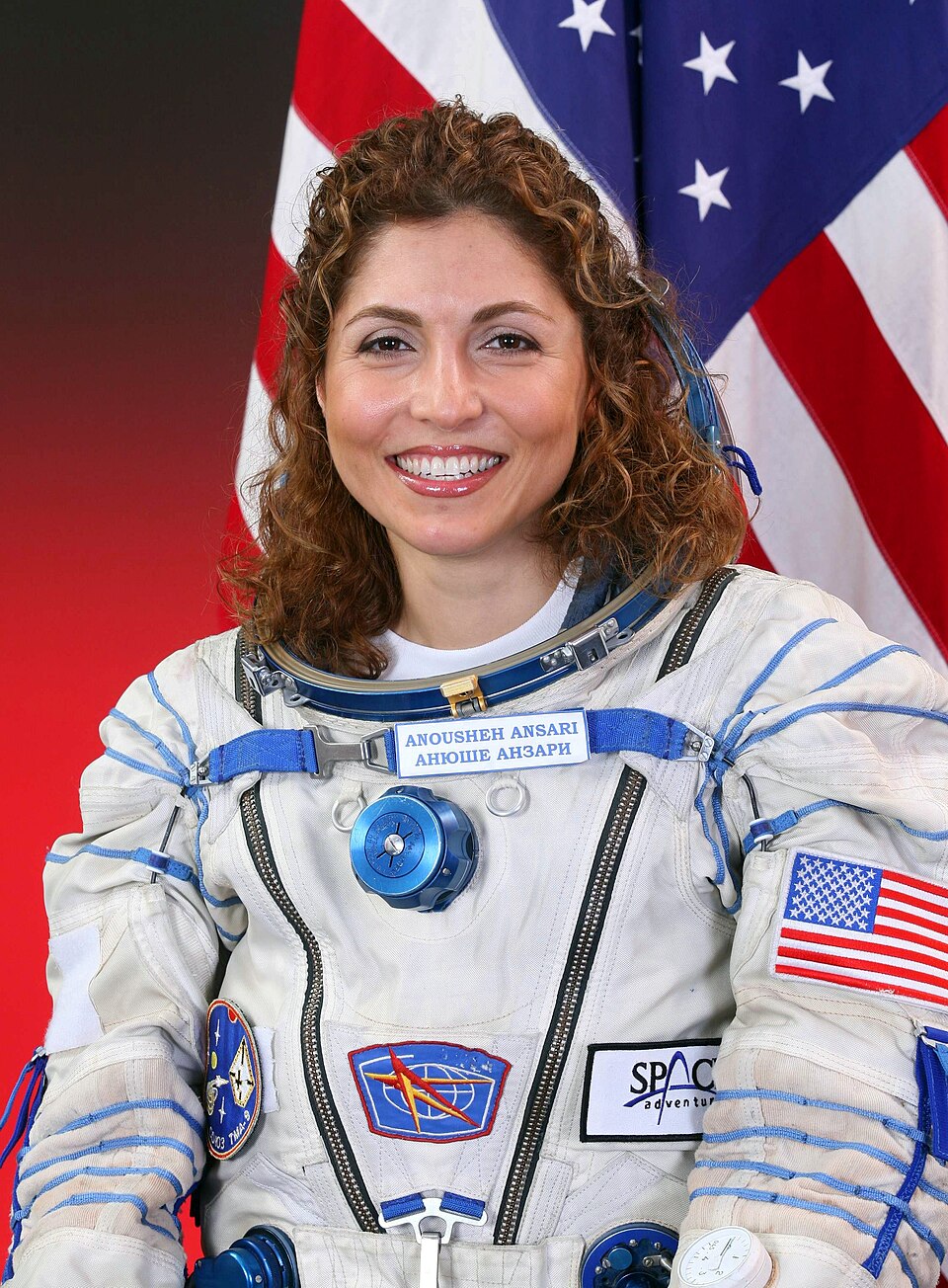
—Was the training tiring, before you left?
Oh yes, very! For six months, I lived in Russia, at Star City, a small town hidden in the forests near Moscow. There, they taught me everything. Put on a special suit, the Sokol, an orange suit that protects you during flight. Check that it lets no air through. Sit in a fake spaceship, a simulator, and repeat the same actions a thousand times. Imagine learning to survive if your capsule falls into a frozen lake! It was hard on my body and my mind. But every morning, I thought of the stars, and the fatigue disappeared.
Every morning I thought of the stars, and the fatigue disappeared.
—What was a day like up there?
It was a topsy-turvy world, you can't imagine! The alarm went off at 6 a.m. I got out of my sleeping bag, strapped to the wall so I wouldn't float around like a bubble while asleep. To wash? No shower! Wet wipes, and a toothbrush. The funniest thing: water doesn't flow, it turns into little round balls that fly away in the air. You almost have to catch them with your mouth! Every simple gesture became a little adventure. Even brushing your teeth was magical.
Up there, even brushing your teeth became an adventure.
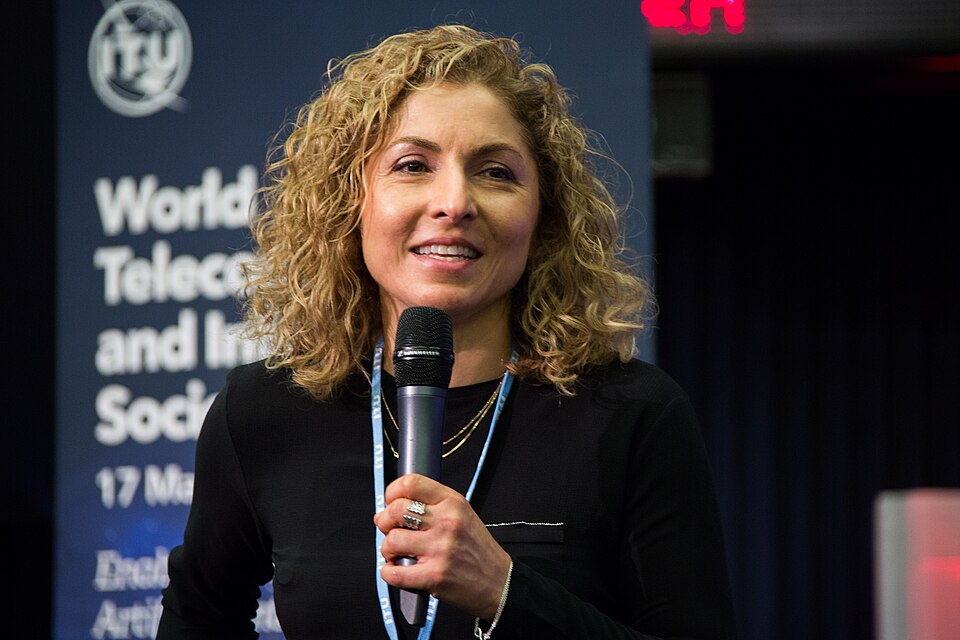
—What experiments did you do on the station?
I wasn't just a visitor, you know. I had a real scientist's job! I took care of small closed boxes containing stem cells — those are tiny body cells, so small you can only see them under a microscope. Researchers wanted to understand how they behave when there's no weight, in microgravity. Microgravity is that state where everything floats, because you're falling endlessly around Earth. The first few days, I had a bit of space sickness, my head spinning. But I completed my whole program, right to the end.
I wasn't a visitor: I had a real scientist's job.
—Is it true you wrote a diary from space?
Yes, and I'm very proud of it! Every day, from the station, I wrote short texts that millions of people on Earth could read. And guess what: I wrote them in three languages, in Persian, French, and English! I told what I saw, what I felt. Before me, no one had done that live from space, like an ordinary person sharing their wonder. I wanted every child, every family, to feel like they were traveling with me. Words were my gift to Earth, given from up there.
My words were my gift to Earth, given from up there.
—How does seeing Earth from up there change you?
It changes everything, my child. Everything. When you look at our planet through the porthole, you see no lines, no borders between countries. I wrote in my diary: "all borders disappear" — just a beautiful blue ball we all share. I had brought a small Iranian flag, for my city of Mashhad, for all the girls who dream while looking at the sky. My message is simple: don't let anyone tell you a dream is too big for you. Me, the little girl in the courtyard, I touched my stars.
Never let anyone tell you a dream is too big for you.
This imaginary interview was generated by artificial intelligence from sources documented in Anousheh Ansari's profile. It dramatises what the figure might have said based on what we know about them, but does not constitute attested historical testimony. For primary sources and factual documentation, refer to the full profile.