Kids interview Ares
by Charactorium · Ares · Mythology · 5 min read
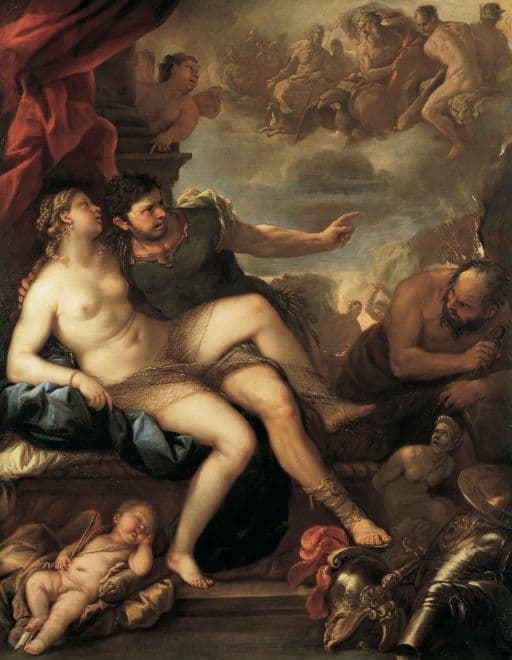
Two twelve-year-old visitors discover the hall of Greek gods with their class. In front of the helmeted statue of Ares, god of war, they dare to ask their questions. The god, initially surprised, leans gently toward them.
—What was your armor like? Did it shine a lot?
You know, my child, when I put on my armor, it's quite a ritual. First the Corinthian helmet, a great bronze helm that covers my entire face. Imagine a cold metal mask against your skin, where only your eyes gleam. Then the thorax, my bronze cuirass that protects my chest. I grasp my spear, the weapon of Greek warriors, as long as three men. And behind me flows my scarlet red cape. When the sun strikes all this bronze, I shine like a wildfire. Soldiers spot me from afar and their hearts beat faster.
When the sun strikes my bronze, I shine like a wildfire.
—Why did they offer you a red rooster? That's weird!
Ah, you noticed that! Yes, in my temples, they often sacrificed a red rooster to me. Why that bird? Because he is like me: brave, combative, never late for a fight. Imagine two roosters facing off in the barnyard, crest high, not backing down an inch. That's my character. The Greeks chose this animal to honor me because it carried the rage and virility of the warrior. I also moved about on a great chariot drawn by horses, from which I dominated the battlefields. The charging rooster, the rolling chariot: everything about me moves toward combat.
The rooster never backs down an inch — that's my character.
—Is it true that a human managed to wound you? Did it hurt?
Yes, my child, and I will tell you without shame. It was during the great Trojan War. A Greek hero named Diomedes struck me in the midst of battle. Me, a god! I let out such a terrible cry that it was heard from one end of the battlefield to the other, as if ten thousand men were howling together. Believe me, it hurts, even for a god. In the great poem called the Iliad, I am described as the most hateful of the gods. But that day, I suffered like a simple wounded soldier. You see, even we, the powerful of Mount Olympus, are not invincible.
Even a god of war can cry out in pain.
—I heard you were locked in a jar? How is that possible?
You know that story? It embarrasses me a little, I admit. Two giants, the Aloadae, captured me by surprise. They locked me in a great bronze jar, closed, dark, narrow. Imagine being stuck in a huge jar, unable to move your arms or legs. And I stayed there for thirteen whole months, me, the god of combat! Not thirteen days, thirteen long months in the dark. Humiliating, isn't it? But that's the truth as the Iliad tells it. You see, my child, in our stories, even the strongest know defeat and imprisonment. No one escapes everything.
Thirteen months in the darkness of a jar — even gods know defeat.
—Who is Athena? Why do they say you two are different?
Athena is a goddess, and we both represent war — but not the same war! Listen carefully. Athena is wisdom, strategy, the plan thought out before battle. She helps heroes who think before they strike. Me, Ares, I am raw rage, fury, the chaos of combat. Imagine two ways of fighting: one advances calculating every step like in chess, the other throws himself into the melee screaming. Athena calculates, I charge. In the Odyssey, it is said that I take pleasure in massacres. The Greeks understood something important: war has two faces, intelligence and blind violence.
Athena calculates, I charge: war has two faces.
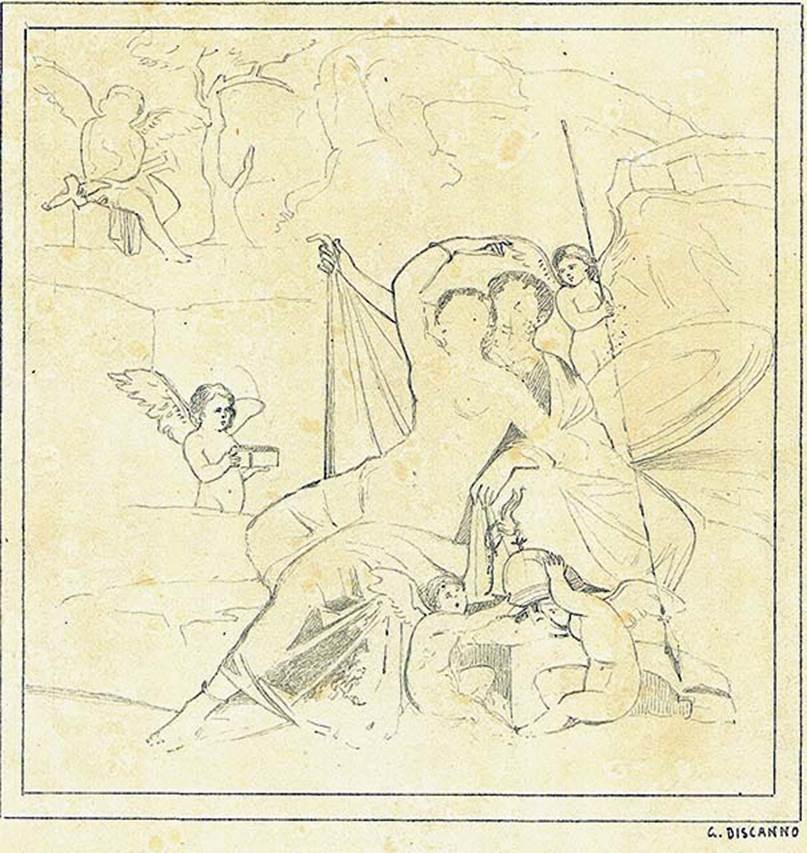
—So, which one won more often?
Ah, the good question! You will be surprised, my child. Often, it was Athena, the thoughtful one, who prevailed over me, pure strength. Remember Diomedes who wounded me before Troy? Well, it was Athena who guided his spear that day! Rage alone is not enough. A furious warrior who charges without thinking falls into the trap of the patient warrior. That's why the Greeks sometimes respected strategy more than brute force. I embody courage and the rush of combat. But without Athena's head, Ares' arm tires quickly. The two together, that's what makes a true warrior.
Without Athena's head, Ares' arm tires quickly.
—Did everyone in Greece like you the same?
Oh no, my child, not at all! That is something that pained me greatly. In Athens, people were wary of me. In their plays, they mocked me, laughed at my brutal character and my rages. They preferred Athena, wiser in their eyes. But far north, in Thrace, it was the complete opposite! There lived peoples of fierce warriors who worshipped me as a noble and powerful god. Imagine: despised on one side, adored on the other, for exactly the same reasons. You see, depending on where you are born, the same god can be a hero or a scarecrow.
Depending on where you are born, the same god can be a hero or a scarecrow.
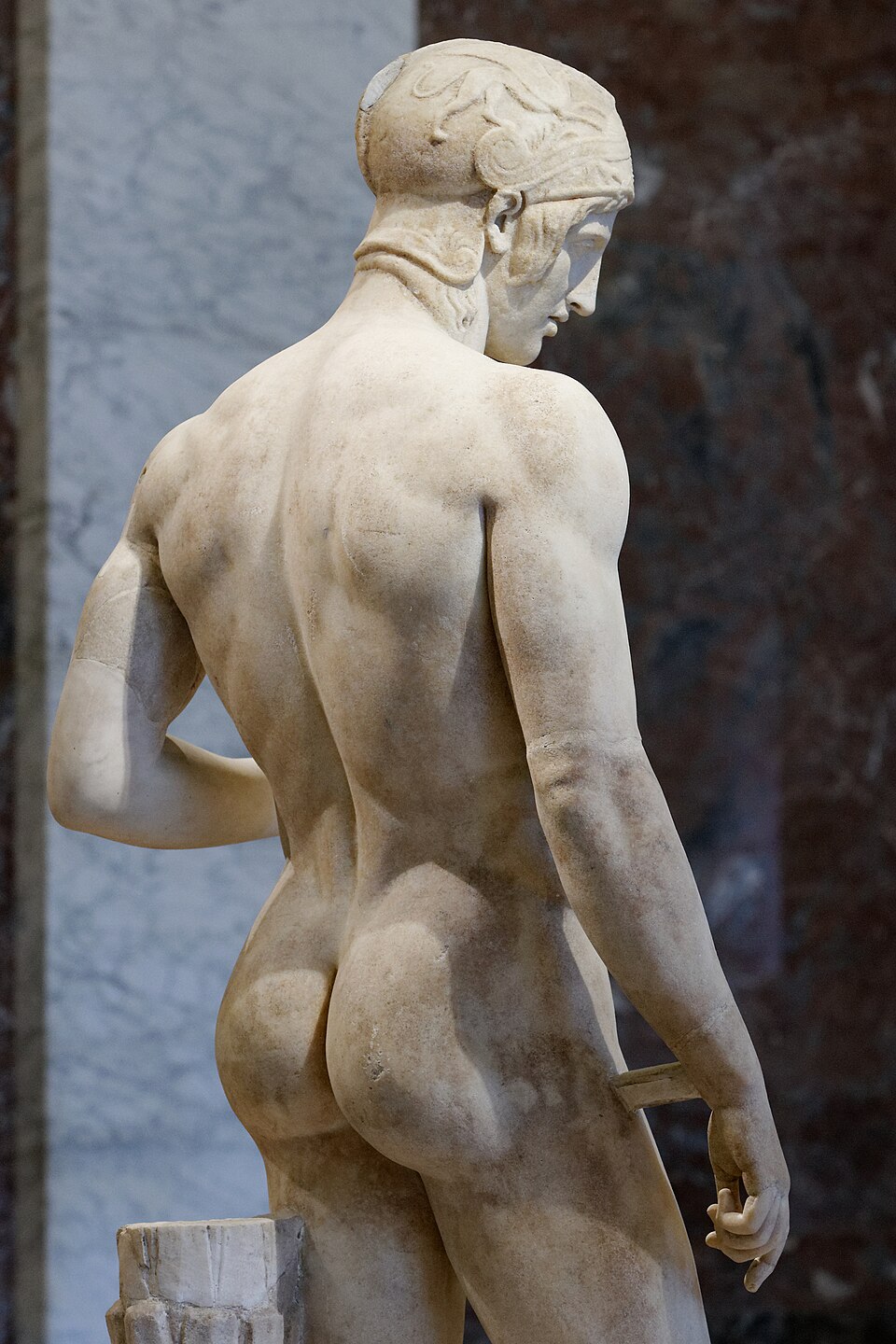
—Were there other places where you were liked, like in Thrace?
Yes! Think of Sparta, that Greek city entirely devoted to war. There, children learned to fight almost as soon as they could walk. The Spartans were a people of soldiers, tough and brave. Naturally, they saw in me the image of their own values: bravery, strength, sacrifice in battle. They didn't laugh at me, they! Imagine an entire city where the warrior is admired above all. That was Sparta. You see, my child, people love a god when he resembles what they are. Peaceful peoples feared me, warrior peoples cherished me.
People love a god when he resembles what they are.
—Did it make you sad that they mocked you?
You touch on something true, my child, and I thank you for asking. Yes, sometimes it hurt me. Even at the top of Mount Olympus, where I feast in the evening with the other gods, they often mocked my impulsive character. Imagine coming home proud of having been brave, and having them laugh at you at the table. It stings the heart. And then that cry of pain torn from me by Diomedes, heard by all... You see, they think I am made of bronze, without feelings. But in our old stories, even a god of war can feel lonely and misunderstood. Strength does not protect from sadness.
Strength does not protect from sadness.
—What was a normal day like for you?
A day for me? In the morning, I wake up in my palace on Mount Olympus, already impatient. I put on my gleaming bronze armor, grasp my weapons, and descend to the battlefields of mortals. In the afternoon, I watch the fights or throw myself into them to breathe fury into the hearts of warriors. Imagine the dust, the shouts, the clash of shields: that is my element. And in the evening, I go back up to feast on Olympus with the other gods, telling my battle stories. I feed on ambrosia and nectar, the foods that make one immortal. A full day, from clamor to feast!
From clamor to feast: that's a day for a god of war.
This imaginary interview was generated by artificial intelligence from sources documented in Ares's profile. It dramatises what the figure might have said based on what we know about them, but does not constitute attested historical testimony. For primary sources and factual documentation, refer to the full profile.