Imaginary dialogue between Martin Luther King Jr. and Aretha Franklin
by Charactorium · Aretha Franklin (1942 — 2018) · Music · Society · 5 min read

It is in the New Bethel Baptist Church of Detroit, one winter evening in 1968, that Reverend Martin Luther King Jr. meets Aretha Franklin again, between two wooden pews where the smell of spent candles still lingers. An upright piano stands near the pulpit, that of Reverend C.L. Franklin, friend and ally in the struggle. King knew Aretha as a child, in this house where gospel and politics mingled; he comes tonight not to preach, but to listen to her speak about her voice and what it carries. Outside, the snow muffles the working-class city; inside, the light falls on the worn keys of the keyboard.
—Aretha, my sister, it is here, in your father's church, that I saw you as a child near this piano. They say no one ever taught you. Is that true?
That's the plain truth, Reverend. I never took a single lesson. From age five, I would climb onto the stool and play back what the radio had just sung, just by ear. You know better than anyone what went on in this house: my father hosted Clara Ward, Mahalia Jackson, and I listened to them like other children learn their ABCs. That was my school, except there was no desk and no teacher. Music came to me like breathing comes — without thinking. Even today, on stage, I sit at the piano and accompany myself, because these keys I know better than my own hands.
I never really learned — I just remember always knowing how to play.
—We are in your father's church, where I myself have preached. Tell me, Aretha: what did this place, this gospel, really give you?
Everything, Reverend. Absolutely everything. I started singing here, in this choir, at age eight, with a Bible in one hand and a hymnbook in the other. These walls taught me to open my throat and let out what I felt, without restraint, because before God you don't cheat. When I step onto a secular stage today, what the audience hears is still that church. Gospel is not a genre for me; it is the backbone of my life. You who preach know this: voice alone is not enough; there must be what lies behind it. And what lies behind mine is this house, my father, and the faith passed on to me.
The Church gave me everything: my voice, my faith, my strength.
—Wherever I go, young and old ask for that song, Respect. Yet it was not originally yours. What did you do with it, my sister?
Originally it was Otis Redding's, Reverend, the complaint of a man coming home from work and asking for respect from his wife. I turned it all around. I rewrote part of it, added that spelling — R-E-S-P-E-C-T — so that no one could ever forget it, and I put my sisters behind me to chant the refrain. Suddenly, it was no longer a man asking; it was a woman demanding, and behind her a whole people. The record went to number one, but the number matters less to me than what happened in homes. People adopted it as if it had always been theirs. Otis himself said laughing that I had stolen it from him — I think rather that I liberated it.
It was no longer a man asking; it was a woman demanding, and behind her a whole people.
—They sing Respect in marches as much as in kitchens. Did you really intend it to carry our struggle, or did the world decide that?
Both, I think. I didn't wake up one morning thinking: I will write an anthem. But when I laid my voice on it, I knew very well what the word 'respect' means for a Black woman in this country. We were denied it in our homes, in our communities, even in stores where we were served last. So when the song came out, people heard what they were living. And the world, yes, seized it to make even more of it. I didn't try to separate the woman and the cause, because for us, Reverend, it is the same fight.
Respect wasn't just a song. It was a declaration.
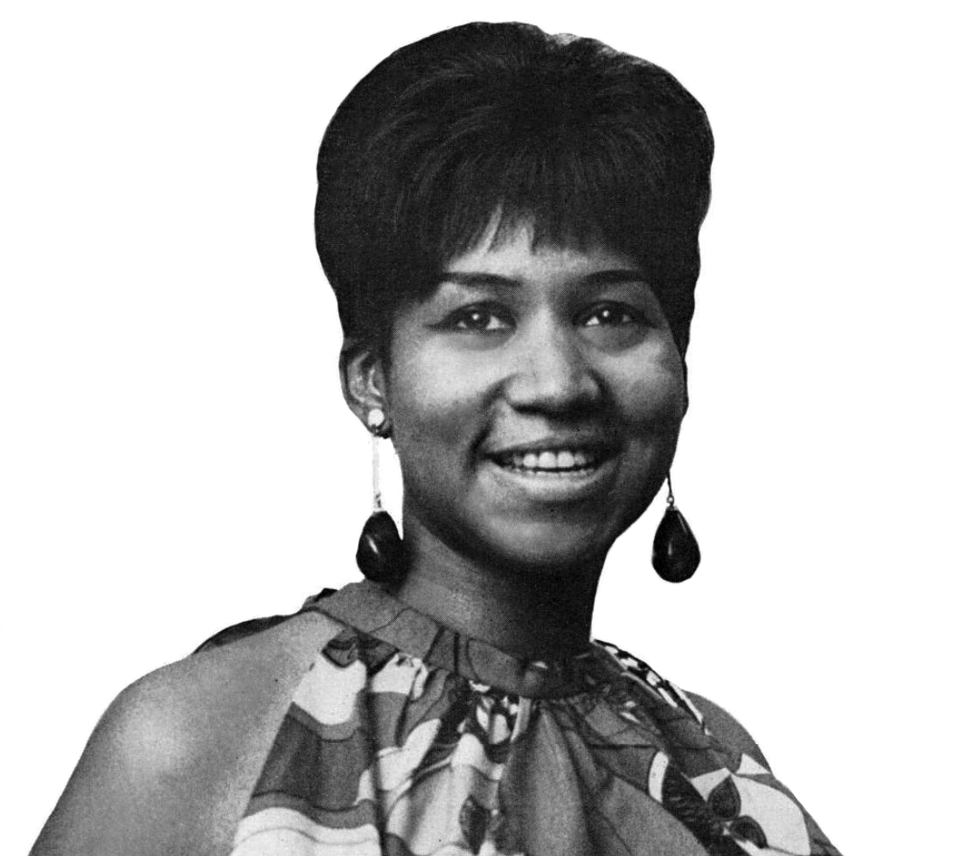
—Do you remember, in 1963, that immense crowd where your father and I marched shoulder to shoulder? What did those days change in you?
I remember it as if it were yesterday, Reverend. Seeing my father at your side, seeing all those ordinary people standing, dignified, without a single violent gesture — it marked me forever. I was young, but I understood that day that my place was not only behind a microphone to entertain. Singing could serve something greater. Since then, whenever I have been asked to support the movement, I have said yes, whether through my presence, my voice, or what I could give. You who carry this struggle on your shoulders know that it needs everyone — speakers, marchers, and sometimes a song to hold on until the end of the night.
I understood that day that my place was not only to entertain.
—I preach to sustain hearts. But tell me, my sister, what can a song do that speech cannot, in a struggle like ours?
A song goes where words hit a wall, Reverend. You convince, reason, call for courage. A melody, on the other hand, slips in from below: it grabs people in the gut before they have time to think. When marchers are exhausted, frightened, beaten, it is not always an argument that gets them back on their feet — it is a chorus they all know and can sing together. Music does what gospel does in church: it turns a room full of strangers into a single body. And that body, united, no one can truly break. That is what I try to give: something to hold on for one more day.
A song goes where words hit a wall.
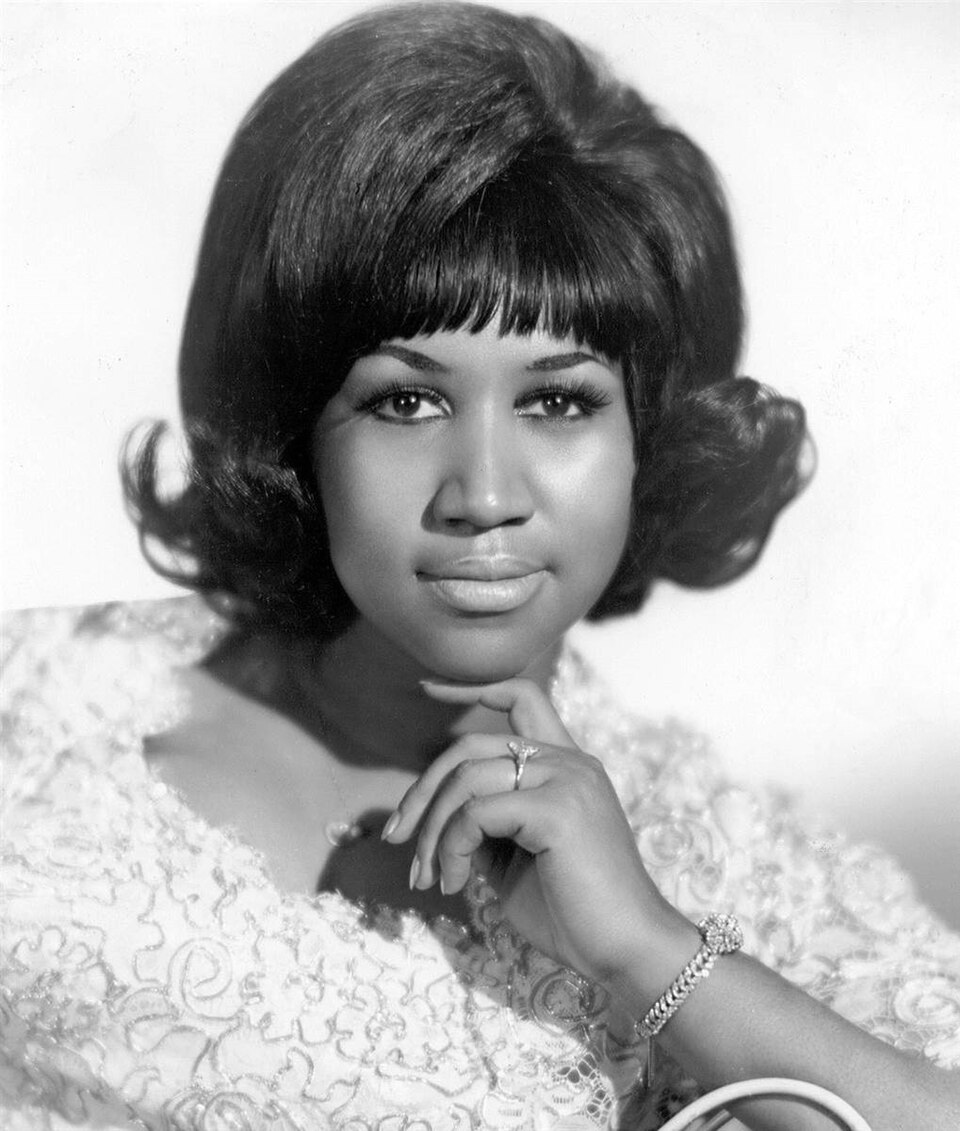
—They say you sometimes keep an entire audience waiting until a certain dish is ready backstage. What does this cooking mean to you?
Ah, they told you that? It's a little true, I admit with a smile. Fried chicken, macaroni and cheese, slow-cooked greens, sweet potato pie — these are not whims, Reverend; they are my roots on a plate. My family is from the South, and that cuisine, soul food, is the memory of a whole people who made beauty out of what was left to them as the humblest. I often cook it myself, and I have it brought to the dressing rooms because an artist with a nourished heart sings better. Eating these dishes, for me, is a way of saying where I come from and never forgetting it, even when the stage is far from home.
These are not whims: they are my roots on a plate.
—You go on stage in sumptuous gowns, draped in furs, when so many of our people have nothing. Some wonder about that. What do you put into it, my sister?
Pride, Reverend, nothing else. I know what they whisper, but let me explain. I grew up in a country that told us at every street corner that we were less than nothing, that a Black woman had no right to elegance or the spotlight. So when I step forward under the lights in an embroidered gown, head high, I answer all that. It is not vanity; it is an affirmation: we are worthy, we are beautiful, and we do not have to apologize for existing. Every sequin is a way of saying no to those who wanted to keep us in the shadows. Backstage, you would find me much simpler — but on stage, I carry the dignity of my people.
Every sequin is a way of saying no to those who wanted to keep us in the shadows.
—The road is long and hard, you know. Where do you find the strength to go on, when fatigue and doubt overcome you, as they overcome us all?
Where I have always found it, Reverend: in the faith given to me under this roof. When I am spent, I return to what I learned as a little girl in this church — that one is never alone, that the voice that rises carries farther than oneself. I pray in the morning, I read the Scriptures, and I sit at the piano as others meditate. My strength does not come from numbers or packed halls; it comes from an older source. You who endure trials far heavier than mine understand that better than anyone. As long as I have this faith and this voice, I will hold on, and I will sing for those who no longer have the strength to do so.
My strength does not come from packed halls: it comes from an older source.
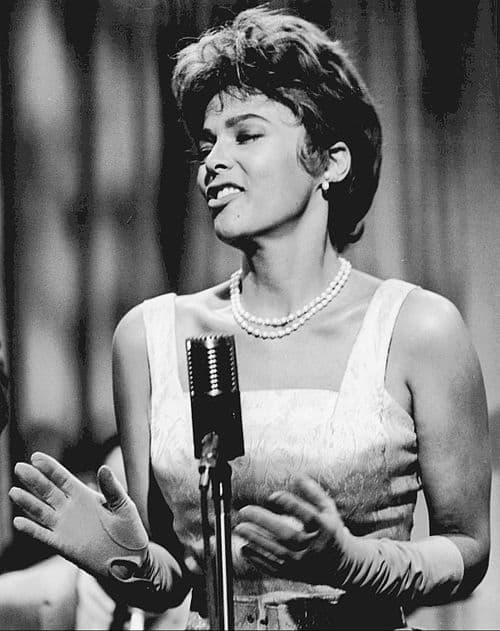
This imaginary interview was generated by artificial intelligence from sources documented in Aretha Franklin's profile. It dramatises what the figure might have said based on what we know about them, but does not constitute attested historical testimony. For primary sources and factual documentation, refer to the full profile.