Kids interview Aretha Franklin
by Charactorium · Aretha Franklin (1942 — 2018) · Music · Society · 5 min read
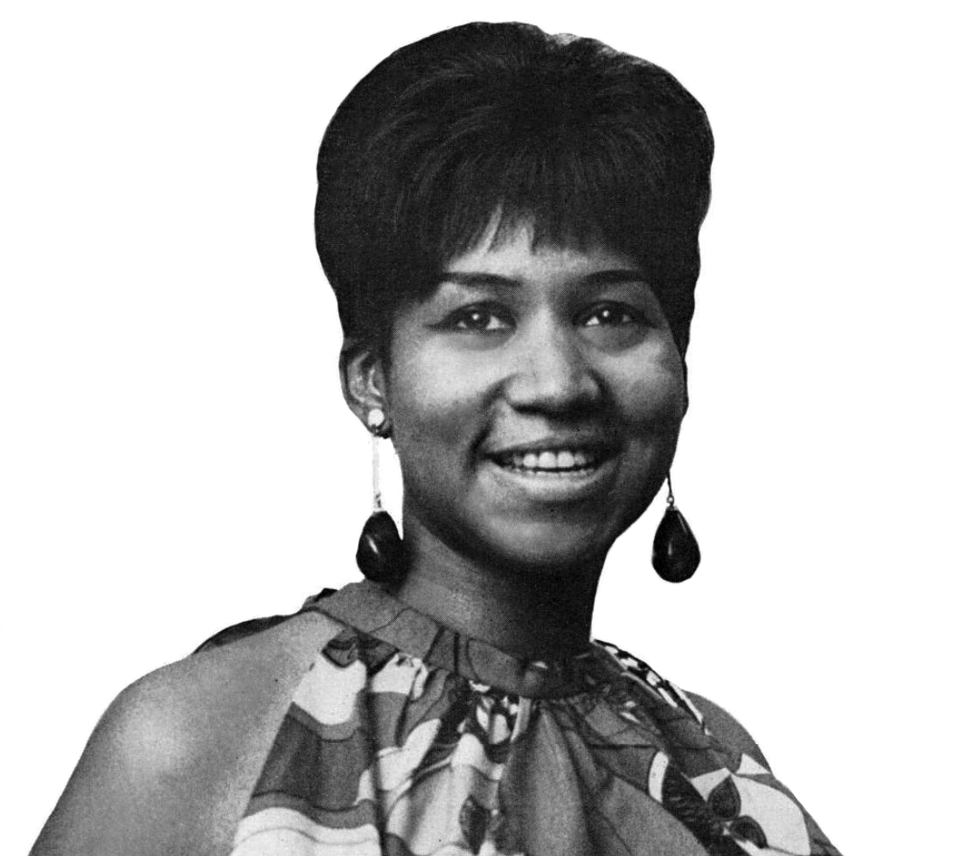
Two twelve-year-old students push open the door of a velvet-lined dressing room. On a low table, a gray hat with a large bow waits. The 'Queen of Soul' motions for them to sit down, a smile in her voice.
—Is it true you taught yourself piano when you were little?
Yes, child, and it drove my teacher crazy! I never took real lessons. From the age of five, I'd hear a melody on the radio, run to the piano, and find it all by myself, note by note. Imagine a child who hears a bird and by evening can already whistle it. That was me. My father was the Reverend C.L. Franklin, pastor in Detroit. Great gospel singers like Mahalia Jackson would come through the house. I listened from the stairs. That was my school, without desk or notebook, just ears wide open.
I never learned music—I just remember always knowing it.
—You sang in your daddy's church? What was that like?
Oh, I sang at the New Bethel Baptist Church from age eight. Picture a big room full of people, and when everyone sings together, the floor shakes under your feet. Gospel is the sacred music we sing in church, to pray through song. It wasn't a show; it was a prayer rising strong. There I found everything: my voice, my faith, my strength. Much later, in 1972, I recorded a whole gospel album in a church, Amazing Grace. It remains the best-selling gospel album of all time. You see? I never really left that church.
The church gave me everything: my voice, my faith, my strength.
—Was your song 'Respect' your own idea?
The song already existed! It was written by a man, Otis Redding. In his version, it was a husband coming home from work demanding attention from his wife. In 1967, I flipped it entirely. I changed some lyrics, added that moment where I spell the word letter by letter — R-E-S-P-E-C-T — like a teacher writing a word on the board so you never forget it. Suddenly, it wasn't a couple's story. It was the cry of every Black woman demanding respect. The song went number one all over the country.
I took a man's song and turned it into every woman's cry.
—Why did that song become so important to everyone?
Because it came at the right time, child. In my day, in the southern United States, laws still separated Black and White people: the same schools were forbidden, the same restaurants. We called it segregation. Many people were fighting to end it, alongside Martin Luther King. And then a song said out loud: 'respect me.' As I said once, it wasn't just a song, it was a statement. People sang it in the streets, in marches. A seven-letter word became a flag you could sing.
A seven-letter word became a flag you could sing.
—What was a day like when you were recording an album?
Long and joyful! In 1967, I signed with Atlantic Records and went to record in a small studio down South, at Muscle Shoals, with a producer named Jerry Wexler. We'd work for hours in the afternoon. I'd sit at the piano — my old companion — and search for harmonies, which is how several voices respond to each other to sound beautiful together. I'd do it ten times if I had to. Around me, great musicians followed my every move. That first album, I Never Loved a Man, that's where my true voice finally came out fully.
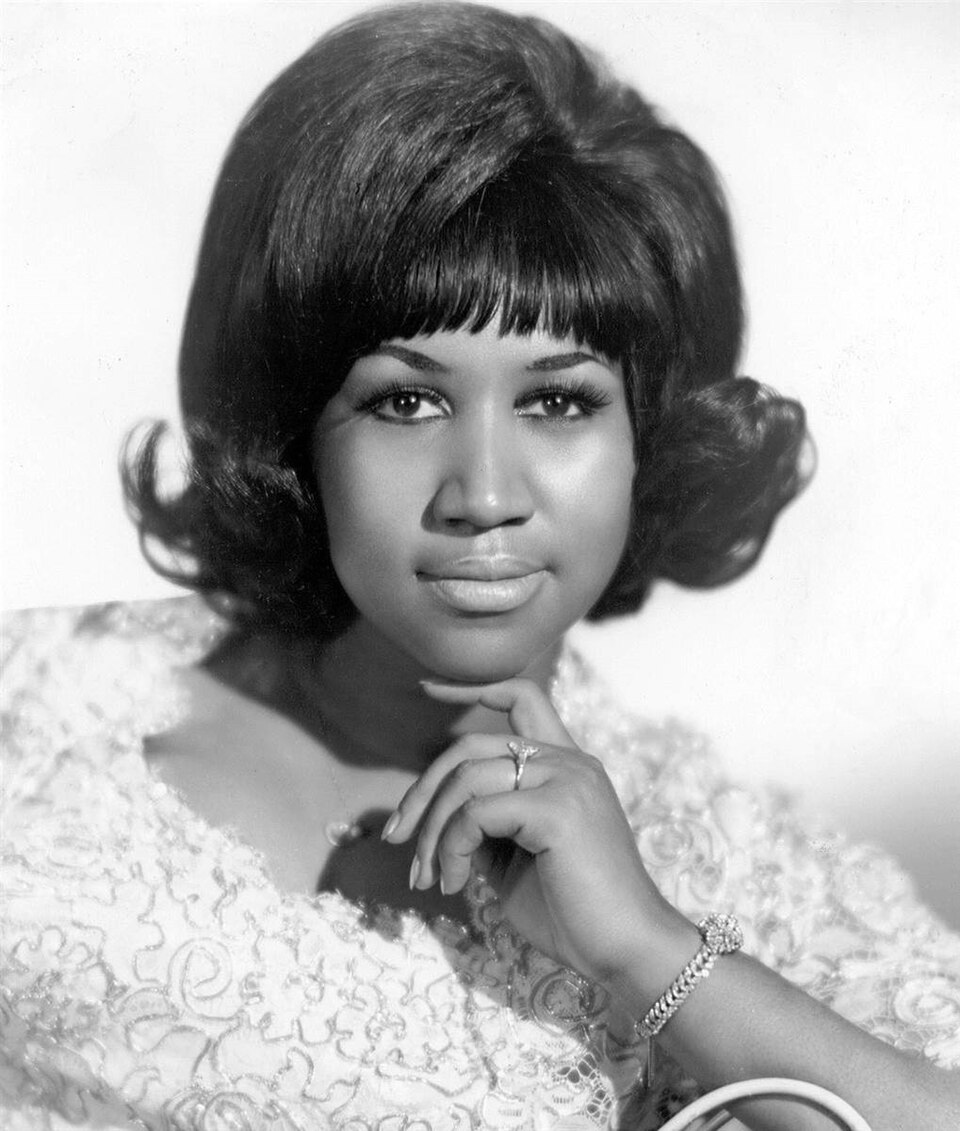
—Did the big men in the studio really listen to you, a young woman?
They learned to listen, yes! You know, a Black woman making decisions at that time wasn't common. But in the studio, I knew which harmony sounded right. I never shouted. I'd say softly, 'No, let's do it again,' and we'd do it again. A quiet authority, but one that doesn't give in. I also wrote my own songs: Think, in 1968, I wrote it, and it's about freedom. So when you're the one holding the melody in your head, no one can truly boss you around. The music decided for me.
I never shouted: I'd say 'let's do it again,' and we'd do it again.
—Is it true you loved to cook? What dishes did you make?
Ah, you touch my heart! I loved cooking soul food, the cuisine of my Southern ancestors. Golden fried chicken, gooey macaroni and cheese, collard greens simmered for hours, sweet potato pie to finish. I'd prepare big meals myself and loved gathering my family around the table in Detroit. To me, it wasn't just eating. Every dish told where I came from, my grandparents' kitchens. Imagine a warm smell of frying and sugar filling the whole house: that was home.
Every dish told where I came from.
—They say sometimes you refused to sing before eating—is that true?
Ha! The tour organizers loved telling that story. It's a little true, I admit. Sometimes, before a concert, I wanted my real meal—not three crumbs grabbed in a hurry. I'd have my fried chicken delivered right to the dressing room! And until it was ready, I took my time. It wasn't a tantrum, you know. For a woman who grew up in an America that looked down on people like her, demanding a good meal was saying, 'I deserve to be taken care of.' My cooking was also my pride.
—Did you know Martin Luther King? What was the day of his funeral like?
Yes, child, I knew him, and I supported his fight. So when he was assassinated in 1968, it was an immense grief for all of us. I sang at his funeral, before a crowd broken with sorrow. Imagine an entire country mourning the same person on the same day. My voice trembled, but I had to hold on, for him. He had dreamed out loud of a country where my nephews would walk free. That day, as I sang, I thought of all those who had marched and suffered for that dream. I sang so as not to let them die in silence.
—And that famous hat, the one you wore to sing for President Obama?
Ah, my gray hat with the big bow! On January 20, 2009, I sang for the inauguration of Barack Obama, the first Black president of my country. It was bitterly cold, so I wore that wide-brimmed hat. I didn't know it would become famous! Today, it's kept in a great museum, the Smithsonian, in Washington. That morning, as I sang, I thought of my father, of Martin Luther King, of all those who hadn't lived long enough to see this. The dream King spoke of was there, before my eyes. So I sang for all of them.
That day, the dream King spoke of was there, before my eyes.
This imaginary interview was generated by artificial intelligence from sources documented in Aretha Franklin's profile. It dramatises what the figure might have said based on what we know about them, but does not constitute attested historical testimony. For primary sources and factual documentation, refer to the full profile.