Imaginary interview with Aretha Franklin
by Charactorium · Aretha Franklin (1942 — 2018) · Music · Society · 5 min read
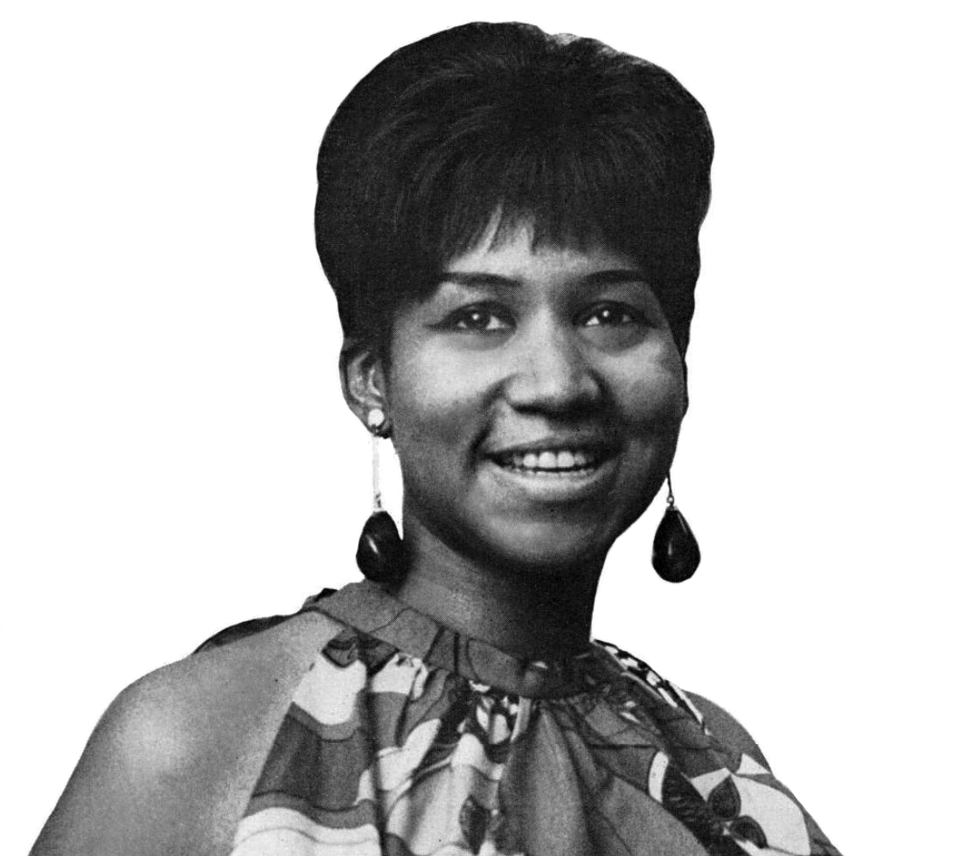
Detroit, a late winter afternoon. In the living room of a large house in Bloomfield Hills, an upright piano occupies the back wall, lid raised. Aretha Franklin receives us with a cup of black coffee in hand, her voice calm, that quiet confidence of someone who has nothing left to prove but everything to tell.
—How did you learn music, before you even knew the word "career"?
No one ever sat me down at a keyboard and said, "Here's a C." I was five years old and I would replay by ear whatever came out of the radio, note for note. At home, at my father's New Bethel Baptist Church, Reverend C.L. Franklin, the house was a conservatory without teachers: Clara Ward and Mahalia Jackson would come for dinner, and I listened to them like one drinks. I often say, without coyness: music always felt natural to me, like breathing. I never really learned — I just remember always knowing how to play. The Church gave me everything: my voice, my faith, my strength. The piano has never left my side since.
The Church gave me everything: my voice, my faith, my strength.
—What did recording Amazing Grace in a Los Angeles church in 1972 mean to you?
They could call me the "Queen of Soul," but I was first and foremost a gospel girl. In 1972, I wanted to come home — not Detroit, but the place where it all came from: a church, a choir, clapping hands, an open Bible on the lectern. Just two evenings, a live congregation in front of me, no studio artifice. That album became the best-selling gospel album ever, but that number matters less to me than the truth of those nights. Singing Amazing Grace in front of those people was giving back to the Church what it had lent me since I was eight. I wasn't transcending anything; I was coming home.
I wasn't transcending anything; I was coming home.
—Do you remember the moment when "Respect" stopped being just a song?
1967. Otis Redding wrote it as a man demanding his wife treat him right when he got home from work. I turned it around. With my sister Carolyn, I added that spelling — R-E-S-P-E-C-T — and suddenly it wasn't the same song, nor the same gender speaking. Number one on the Billboard Hot 100, yes, but above all: Black women saw themselves in it, and the movement too. I told Rolling Stone at the time, and I stand by it: "Respect" wasn't just a song. It was a declaration. Black women wanted to be respected — in their homes, in their communities, in this country. It had never been asked so loudly.
It wasn't the same song, nor the same gender speaking.
—How do you explain that a love song became a political cry?
Because the word itself was denied to millions of us. When you grow up under Jim Crow laws, in an America where your dignity is negotiated at a lunch counter, demanding respect is not trivial — it's already insubordination. I wrote Think the following year, in 1968, in the same spirit: a direct plea for freedom, sung at the piano with a conviction I felt burning inside me. People think a soul singer just makes emotion. But emotion, when it comes from a people who have been silenced, is already a weapon. I never separated the stage from the street.
Emotion, when it comes from a people who have been silenced, is already a weapon.
—How did you experience your involvement alongside Dr. King?
My father and Martin Luther King Jr. knew each other well; the doctor came to the house, he wasn't a TV image for me but a familiar voice. So when 250,000 people marched on Washington in 1963, I didn't hesitate to support the movement in my own way, with what I had: my voice. We sang in halls, raised funds, held firm. The Civil Rights Act of 1964 crowned years of courage that weren't mine alone. I was just a singer among thousands of anonymous people who risked much more. But a hymn can unite a crowd better than a speech sometimes. That was my part of the work.
A hymn can unite a crowd better than a speech sometimes.
—What do you remember from the day of Martin Luther King Jr.'s funeral in 1968?
Memphis, 1968. They shot him in the city where I was born. Singing at his funeral, in front of millions of viewers, was the heaviest thing I was ever asked to do — far more than a number one. My throat knew the gospel of funerals since childhood, but there, I had to carry the grief of an entire country without breaking down. I thought about my father, about what the doctor had built, about everything left unfinished. Segregation didn't die with him; on the contrary, it reminded us of its violence. I sang like you pray when you have no words left: so that silence wouldn't win.
I sang like you pray when you have no words left.
—On January 20, 2009, in front of the Capitol, what were you thinking as you went up to sing?
I had a big gray hat with a bow — people only talked about that afterward; it's now at the Smithsonian, which still amuses me. But under that hat, my mind was elsewhere. In front of the Capitol, a Black man was taking the oath as president, and I was singing My Country, 'Tis of Thee. How could you not see the line connecting that morning in 2009 to all those marches? I said it that day: singing that day was for all those who marched, suffered, and dreamed. I was thinking about my father, about Martin Luther King Jr., about all those who didn't see it but made it possible.
Under that hat, my mind was elsewhere.
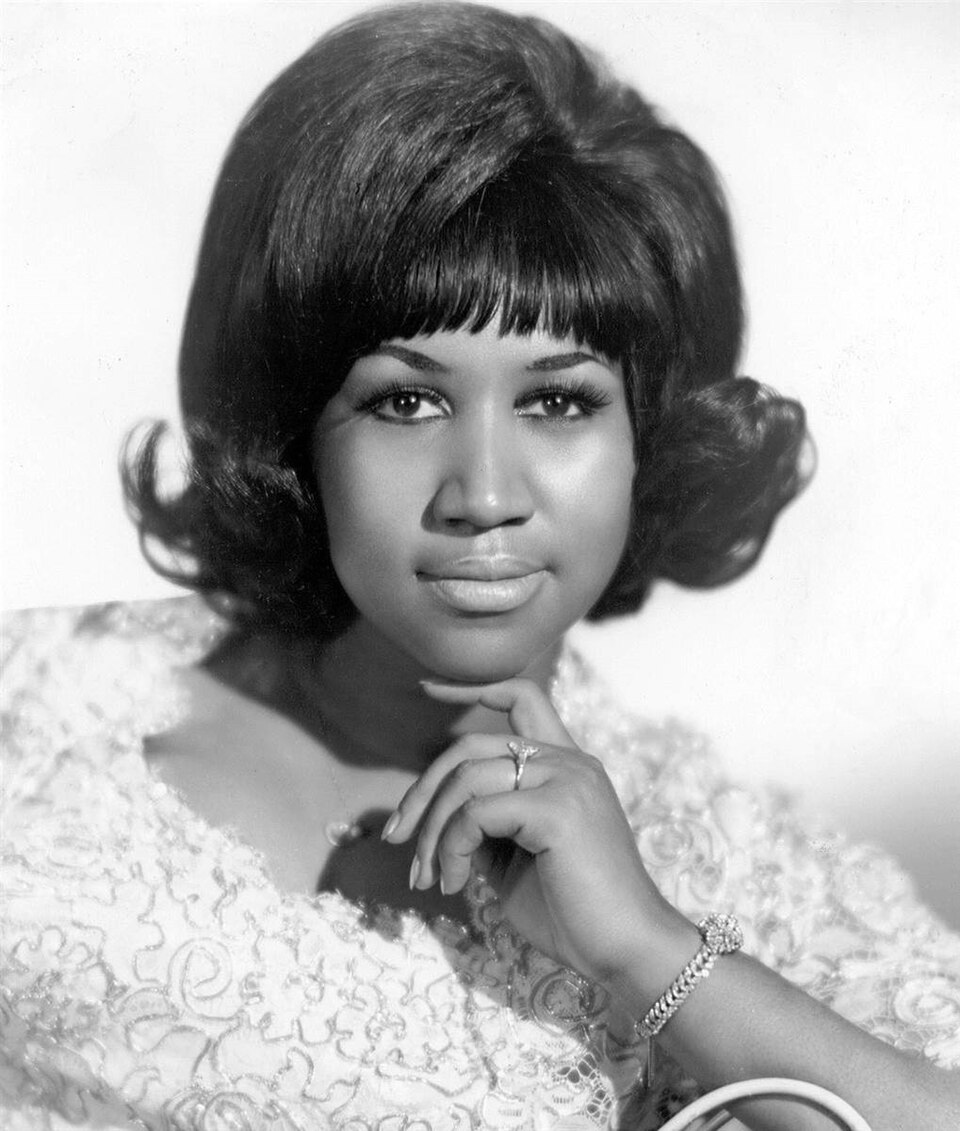
—What does it feel like to become, in 1987, the first woman inducted into the Rock and Roll Hall of Fame?
Pride, but tinged with a strange loneliness — being "the first" means measuring how closed the door was to women, and even more to Black women. On that stage in 1987, I didn't want to play the diva. I said what I truly believe: I am deeply honored, I am my father's daughter, the daughter of the Church, and the daughter of all those who believed in me when it wasn't obvious. People forget that last part. Nothing was obvious. An embroidered dress, furs — it wasn't vanity: it was affirming that a Black woman had the right to occupy the spotlight fully.
Being "the first" means measuring how closed the door was.
—It's said that your culinary demands on tour were legendary. What should we make of that?
People laughed a lot about my backstage quirks — the fried chicken, the greens, the macaroni and cheese that had to be delivered before I went on stage. But they weren't diva whims; they were about roots. I come from the South, from Memphis, from a family where soul food wasn't a menu but a memory. Preparing a big meal, a sweet potato pie, is for me as cultural an act as a song. In an America that had despised everything that came from us, sitting down at that table and saying, "This is where I come from, and it's good" — that too, believe me, was a form of dignity.
Sitting down at that table and saying, "This is where I come from, and it's good" — that was a form of dignity.
—What was a typical day like, between cooking, the piano, and the studio?
I'm not a morning person — rarely up before ten, black coffee, eggs, cornbread, and a moment of prayer with my Bible, the habit of the pastor's daughter that I remain. Afternoons belonged to work: hours at the piano tweaking an arrangement, trying a vocal harmony that no one else could hear yet. I always supervised my sessions very closely, gently but firmly — even with producers like Jerry Wexler at Atlantic. And in the evening, often the stage or a big dinner table at home. Singing and feeding people, in the end, are the same gesture: you give something alive, and you watch to see if they want more.
Singing and feeding people, in the end, are the same gesture.
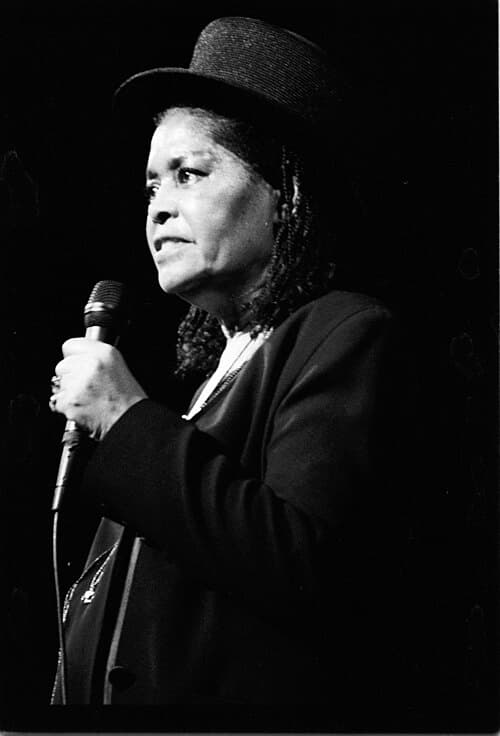
This imaginary interview was generated by artificial intelligence from sources documented in Aretha Franklin's profile. It dramatises what the figure might have said based on what we know about them, but does not constitute attested historical testimony. For primary sources and factual documentation, refer to the full profile.