Kids interview Augustus
by Charactorium · Augustus (62 av. J.-C. — 14) · Politics · 5 min read
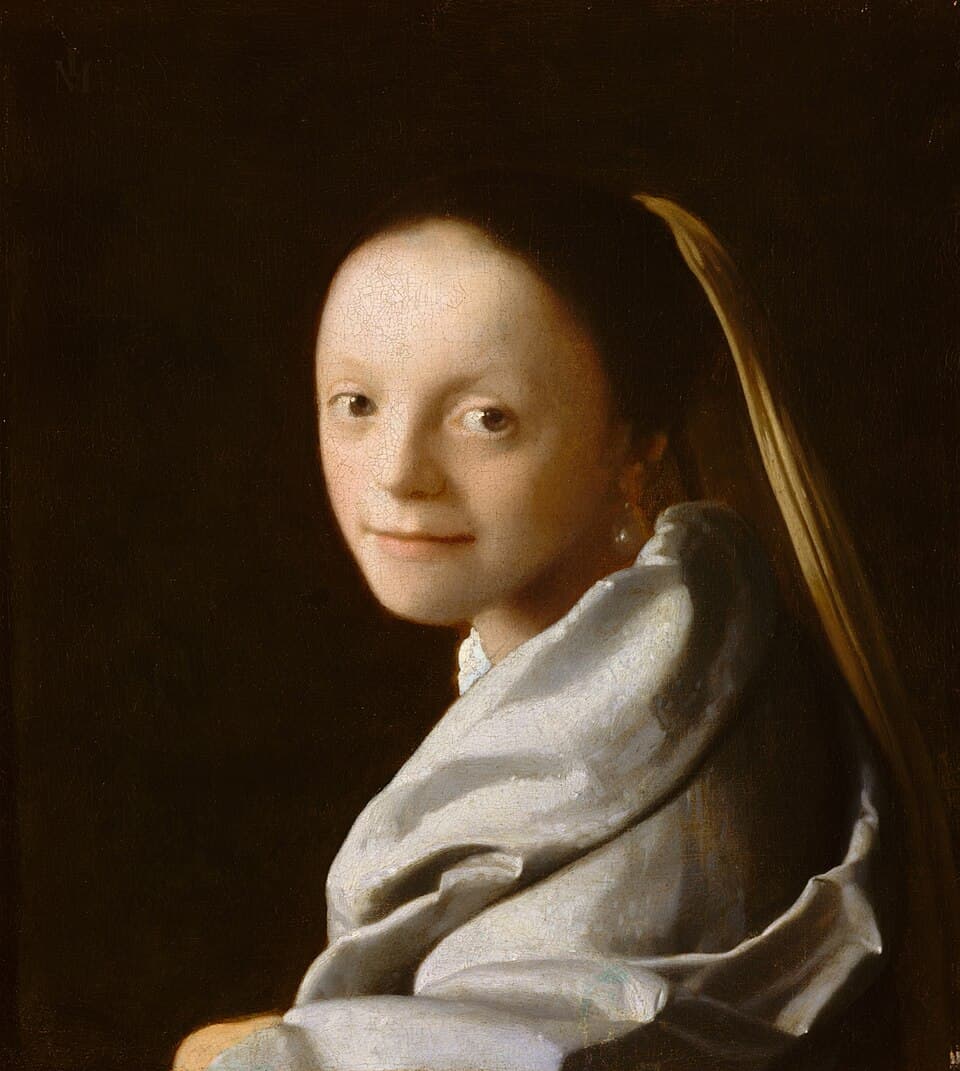
That morning, two young visitors on a school trip pushed open the door of a surprisingly modest house on the Palatine. An old man with a laurel crown awaited them, a smile on his lips. The first emperor of Rome had agreed to answer their questions.
—How old were you when your life really changed?
I was nineteen years old, my child. Imagine: you suddenly learn that your great-uncle, Julius Caesar, has just been stabbed in the Senate. And that before dying, he adopted you as his son. Overnight, I inherited his name and fortune. It was terrifying and exhilarating at the same time. I raised an army at my own expense, at an age when you're still almost a boy. Many mocked me. They thought I was too young, too fragile. They were wrong. When destiny knocks on your door so early, you don't have the right to tremble.
At nineteen, destiny knocked on my door. I didn't have the right to tremble.
—What was the great battle you won like?
You mean Actium, in -31. Imagine hundreds of wooden ships, oars beating, off the Greek coast. Facing me: Mark Antony and the Queen of Egypt, Cleopatra. The sky smelled of salt and smoke. That day, the whole world was at stake on the water. I won. Antony and Cleopatra fled, then took their own lives. But do you know something? I wasn't just fighting for power. I wanted to avenge Caesar. That's why, later, I built a temple to Mars Ultor, 'Mars the Avenger'. A promise kept weighs deeper than a thousand speeches.
That day, the whole world was at stake on the water.
—What did you eat in the morning, you, the most powerful man?
You'll laugh: almost nothing! A piece of bread soaked, a bit of fresh cheese, a few olives. That was my breakfast. In the evening, fish, green figs, and wine that I always diluted with water. I ate like a simple citizen. My wife, Livia, spun the wool for my togas herself, like an ordinary mother. You wonder why? Because the Romans hated the pride of kings. By living simply, I showed them that I remained one of them. True power, my child, is not shown on your plate. It is shown in what you build.
True power is not shown on your plate.
—Did your house look like a palace with gold everywhere?
Oh no! Many would have been disappointed entering my home. My house, on the Palatine Hill, was small, almost ordinary. No rare marble, no giant columns. Just frescoes painted with flowers and images of the gods. Imagine a large family home, simple and warm, with a corner for work, a room for meals, and a small altar to pray to our guardian gods, the Lares. I could have lived in a glittering palace. I refused. Because he who surrounds himself with gold ends up believing he is himself a god. And that is the beginning of the fall.
He who surrounds himself with gold ends up believing he is a god.
—And you, were you afraid of anything?
You want the truth? Yes! I, the master of Rome, had a terrible fear: lightning. One day, on campaign, a bolt struck very close to me and nearly killed me. After that, whenever a storm rumbled, my heart raced. I would run to hide in an underground place, beneath the earth, until the sky calmed. And I always carried a sealskin on me, because it was said that lightning never strikes that animal. You see, one can command millions of men and tremble like a leaf before a flash of lightning. No one is all-powerful, my child. No one.
One can command millions of men and tremble before a flash of lightning.
—Did you ever lose a battle? How did it feel?
Alas, yes. In the year 9, in the dark forests of Germania, three of my entire legions were massacred by the Germans. A legion is nearly five thousand soldiers. Three at once, gone! Their commander was called Varus. When the news arrived, I collapsed. They say I beat my head against the walls, crying: 'Varus, give me back my legions!' That pain never left me. You know, winning teaches pride, but losing teaches wisdom. That defeat reminded me that no empire, however great, is ever safe from misfortune.
Winning teaches pride, but losing teaches wisdom.
—What are you most proud of having built?
Ah, what a beautiful question! It was often said that I had 'found Rome in brick and left it in marble.' It's true. I covered the city with temples, squares, fountains. But my favorite monument is the Ara Pacis, the 'Altar of Peace,' erected in -9. Imagine a white marble altar, carved with flowers, animals, and families in procession. It celebrated the Pax Romana, the Roman peace. After decades of wars among Romans, I had finally brought calm. Stone, you see, lasts longer than men. I wanted that peace to be seen, to be touched.
I found Rome in brick, I left it in marble.
—Why did everyone talk about your famous 'peace'?
Because before me, my child, Rome was tearing itself apart. Romans were killing Romans, generation after generation. Imagine a great family that fights constantly, where brothers kill each other in the street. That was civil war. When I restored order in -27, the Senate gave me the name Augustus, 'the revered one.' And peace settled in for nearly two centuries. Merchants traveled without fear, farmers cultivated in safety, children grew up without hearing the drums of war. Building temples is beautiful. But giving a people the right to sleep peacefully—that is my greatest work.
Giving a people the right to sleep peacefully—that is my greatest work.
—Why didn't you want to be called 'king'?
Ah, you touch on a great secret! The Romans hated the word 'king.' To them, a king was a tyrant. So, even though I held all the power, I had myself called Princeps, which simply means 'first citizen.' Not a master above others: just the first among them. I kept the Senate, the old institutions, the appearances of the Republic. It was a bit of a theater, I admit. But this theater avoided many revolts. Sometimes, my child, to make people accept something new, you must dress it in familiar clothes.
I was not the master above others: just the first among them.
—Is it true that on your deathbed you made a joke?
Yes! And I am glad you know it. I was old, in the year 14, in a room of the small town of Nola. Feeling the end coming, I asked my close ones if I had played the comedy of my life well. Then I added, in Greek: 'If the play has pleased you, applaud!' You see, I always thought that governing was a bit like playing a role on a stage. All my life, I wore the mask of the modest first citizen. And in the last moment, I wanted to salute the audience, like an actor at the end of the show. One can leave this world smiling, my child.
If the play has pleased you, applaud!
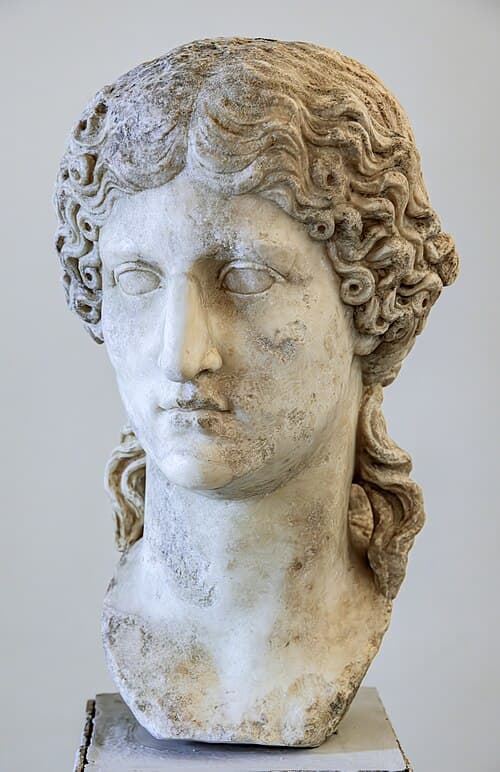
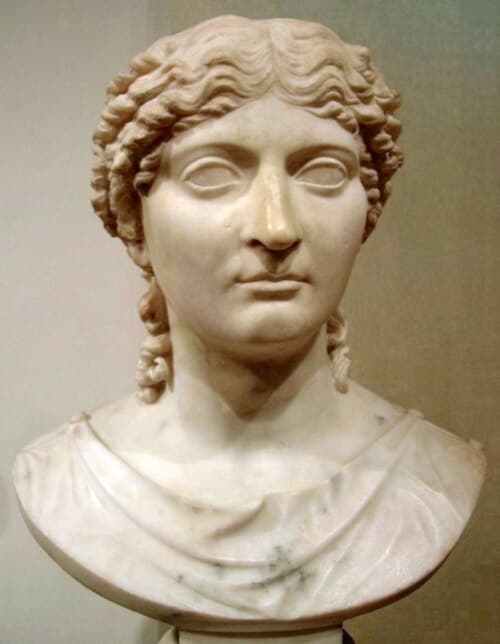
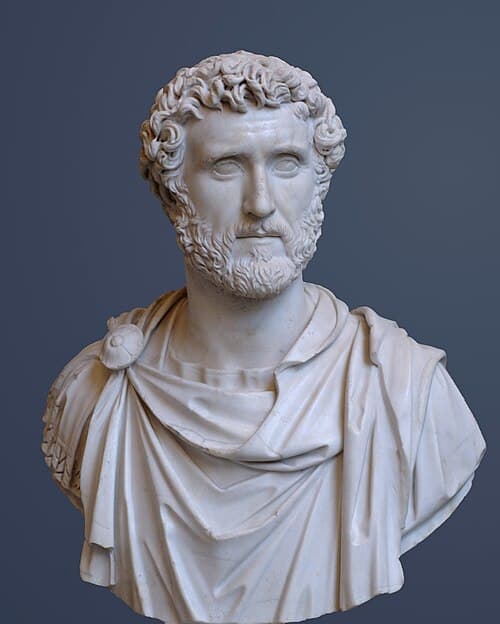
This imaginary interview was generated by artificial intelligence from sources documented in Augustus's profile. It dramatises what the figure might have said based on what we know about them, but does not constitute attested historical testimony. For primary sources and factual documentation, refer to the full profile.