Imaginary dialogue between Nathan le prophète and Bathsheba
by Charactorium · Bathsheba (1008 av. J.-C. — 936 av. J.-C.) · Spirituality · Society · Politics · 5 min read
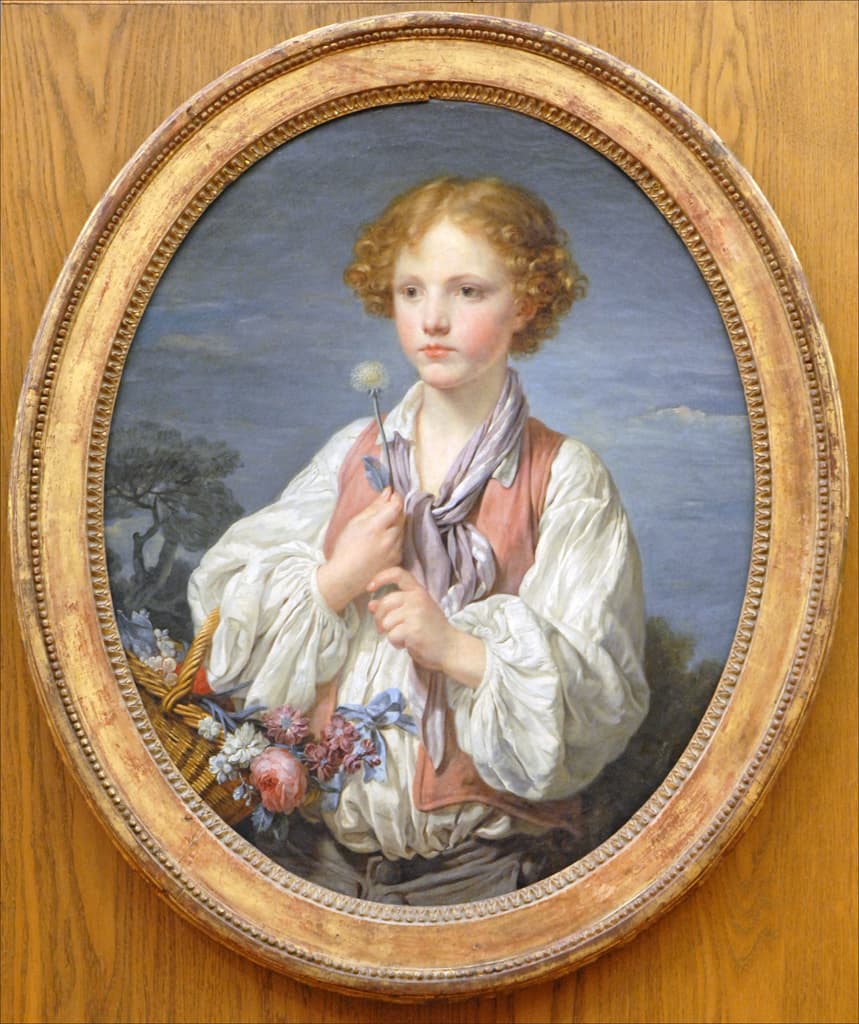
It is in the apartments of the queen mother, in the cedar palace of Jerusalem, that Nathan finds Bathsheba one late summer evening, shortly after Solomon's coronation. The oil lamp casts shadows on the embroidered tapestries, and from the terrace rises the murmur of the City of David. They have known each other since the difficult days of the court, from the time of the parable and the king's tears; Nathan has come to gather, from the very mouth of the woman he counseled, the story of a life that the texts will never cease to ponder.
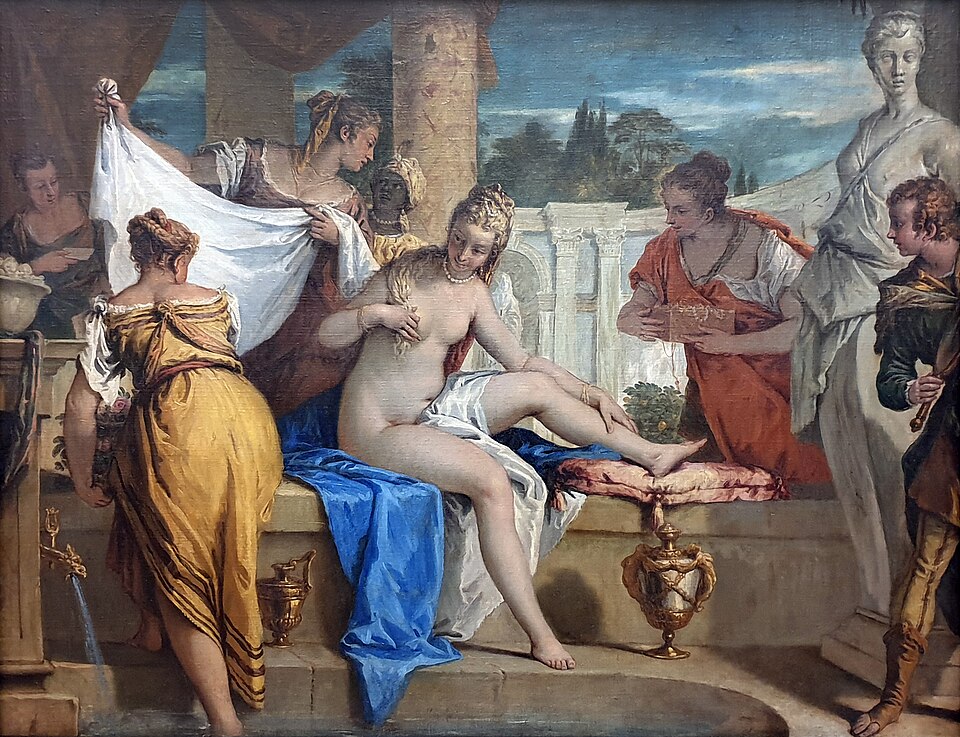
—Bathsheba, they still tell of the spring evening when the king saw you from his terrace. What were you really doing that evening?
I was doing what every woman in Israel does, Nathan: my ablutions, my purification in running water, as the Law commands. The mikveh is nothing scandalous — it is an act of purity, not seduction. I was the wife of Uriah the Hittite, an honorable man, and I lived in seclusion. I did not know that the king had not gone to war that year, that he was wandering on his terrace instead of commanding his armies. I did not seek him out. I was sent for, and a woman summoned to the palace does not say no to the king. That evening of water and lamps, which I thought would be like any other, overturned the house of David.
The mikveh is nothing scandalous — it is an act of purity, not seduction.
—You knew Uriah better than anyone. Do you understand why he refused to come home to you when he was recalled from the siege of Rabbah?
I understand, and it still breaks me. Uriah was a tsadiq, a righteous man. He was brought back from the front in hopes that he would sleep with me and believe the child was his. But he slept at the palace threshold with the servants, refusing wine, bed, and rest, as long as the Ark and his comrades remained under tents. How could a man of such honor serve as cover for a sin? His very integrity condemned him. Then they placed in his hand the letter ordering his death, and he carried it himself to Joab, unknowing. A righteous man sent to the front line to fall: that is the price my life cost an innocent.
His very integrity condemned him.
—You who were well placed to know, Nathan — do you remember how the king received your parable of the poor man's ewe lamb?
How could I forget? You came before him with the story of the rich man with countless flocks who steals the one ewe lamb of a poor man to serve a traveler. David burned with anger against that man, swearing he deserved death — and you answered him that he was that man. I saw the king collapse. He did not silence the prophet, he did not have your head cut off: he acknowledged his sin before the Lord. From that brokenness came his prayer, that Miserere still sung today, where he begs to be cleansed of his iniquity. Few kings, Nathan, let a word pierce them to the bone like that.
Few kings let a word pierce them to the bone.
—After those days, your first child died, and many saw it as punishment. How did you bear that grief, tried woman?
I bore it in silence, as one bears a descent to Sheol. The child fell ill, and David fasted, lay on the ground seven nights, pleading with the Lord. Then the child passed away, and the king got up, washed, ate — for no one returns from the abode of the dead. I wept as a mother weeps. But the Lord did not withdraw his hand from our house: soon after, Solomon was born to me, the one God loved. There I learned that punishment and grace sometimes walk in step, and that a woman can bury one son and cradle another in the same season.
Punishment and grace sometimes walk in step.
—When Adonijah was about to seize the throne, it was I who urged you to go to the king. What did you feel entering his chamber?
I felt that everything hung in that moment, Nathan — and it was you who had shown me the way. Adonijah had already had himself acclaimed, with Joab and the priest Abiathar behind him, and if I kept silent, my son and I would be lost by daybreak. I entered to David, aged, bedridden, and I reminded him of the oath he had sworn by the Lord: that Solomon would reign after him and sit on his throne. It was not audacity; it was a berith, a covenant I demanded be kept. You entered behind me to confirm my words. The king roused himself one last time to order the coronation. A promise whispered long ago saved a dynasty.
It was not audacity; it was a covenant I demanded be kept.
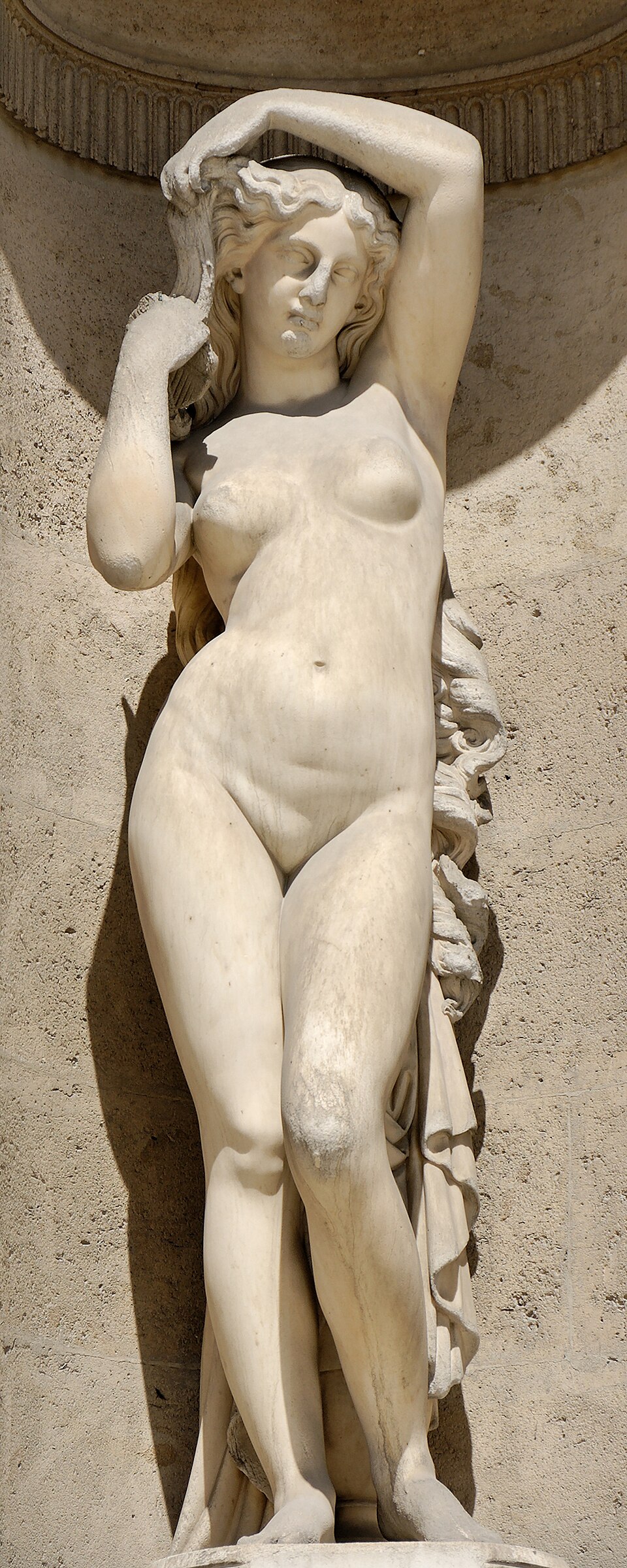
—That day, at the spring of Gihon, you saw Solomon anointed king while his father still lived. What did you feel at the sound of the horn?
I felt that God kept his word. They made Solomon mount the king's mule, and the priest Zadok anointed him with the sacred oil from the Tabernacle, at Gihon, near the water. Then the horn sounded, and all the people shouted: Long live the king! so that the earth seemed to split with their clamor. Adonijah and his guests, feasting nearby, grew pale at the noise. My son was now mashiach, the Lord's anointed, legitimate and recognized king by Heaven. I was the mother of a king. From a woman summoned one evening, I had become the root of a house that no one could ever uproot.
—Since the coronation, you sit differently at court. Tell me, my queen, what does that throne at your son's right hand change?
It changes everything, Nathan, and yet I am wary of it. When I came to Solomon, he rose, bowed before his mother, and had a seat placed at his right. It is not merely a tender honor: it is the place of the gebirah, the great lady, who has a voice in council and whom supplicants come to entreat for intercession. I have rank, the king's ear, access to the affairs of the kingdom. But I have learned at what price favors are granted: Adonijah came to ask me to intercede for a wife, and that request sealed his doom. The king's right hand is a throne, yes — but it overlooks an abyss.
The king's right hand is a throne — but it overlooks an abyss.
—What do your days look like now, in this cedar palace where I find you in the evening?
They begin before dawn, with ablutions and prayer, as on the first day. Then I receive news that messengers bring from the borders of the kingdom, I attend to the maidservants, the stores, the ties with the clergy of the Temple my son wants to build. In the afternoon, dignitaries seek an audience, hoping I will bring their cause before Solomon — for it is known that a word from the queen mother carries weight. In the evening, like this evening with you, the lamp burns, psalms are recited, and I savor a little silence. Court life is endless protocol, Nathan. But after so many storms, I bless every day when no messenger brings me tidings of disaster.
—You who have known sin and the word that denounces it, do you believe a king can truly be cleansed of his sin?
I believe so, Nathan, because I have seen it with my own eyes. David did not deny, did not silence the nabi who accused him, did not seek excuses: he said, I have sinned against the Lord. And his prayer did not ask that the consequences be erased — the child died, the sword never left his house — but that his heart be cleansed and a right spirit renewed within him. That is what seems to me to be forgiveness: not forgetting the sin, but a broken heart that does not close. A king who thinks himself above the word is lost. He who bends under it, even guilty, can still serve.
Forgiveness is not forgetting the sin, but a broken heart that does not close.
—One last thing, Bathsheba: what would you want to be remembered about you, when these days are told after us?
Let me not be reduced to that spring evening when I was seen from the terrace. I was the wife of a righteous man, Uriah, whose name perhaps will no longer be spoken without shame for the king. I was a mother who buried one son and had the other crowned. I was the woman who, when everything wavered, entered the chamber of the dying king to uphold an oath. Let it be remembered that nothing was given to me without pain, and that from a sin and a grief was born the lineage that will bear the hope of Israel. If I must be named, let me be named mother of Solomon — and let Uriah the Hittite not be forgotten.

This imaginary interview was generated by artificial intelligence from sources documented in Bathsheba's profile. It dramatises what the figure might have said based on what we know about them, but does not constitute attested historical testimony. For primary sources and factual documentation, refer to the full profile.