Kids interview Bathsheba
by Charactorium · Bathsheba (1008 av. J.-C. — 936 av. J.-C.) · Spirituality · Society · Politics · 4 min read
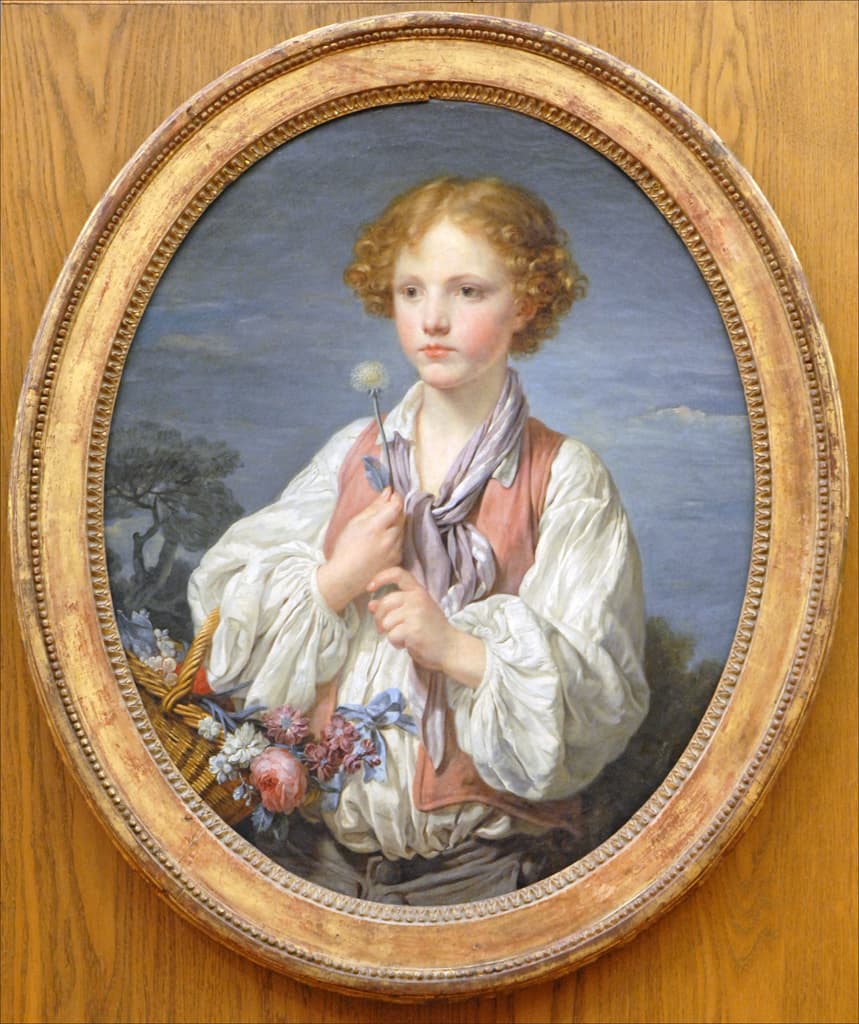
Two young twelve-year-old visitors, on a school trip, enter a cool room with stone walls. Before them stands Bathsheba, queen-mother of Israel, a white linen veil on her hair. She smiles at them and invites them to sit near her.
—What was it like, the evening King David first saw you?
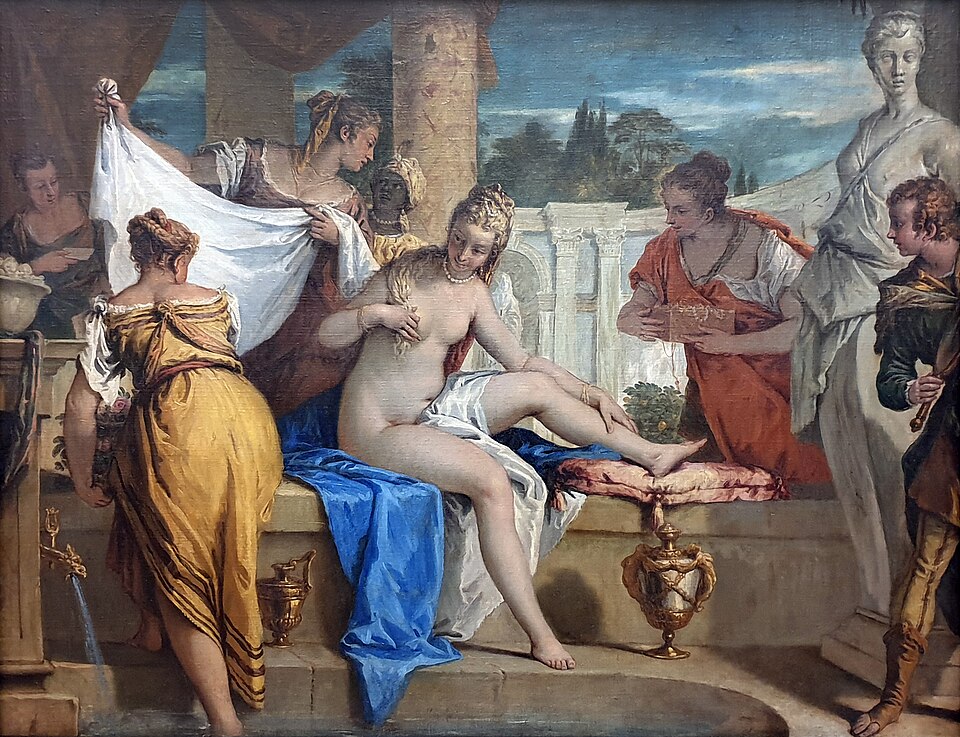
You know, my child, it was a spring evening, mild and calm. I was at home, performing my purification bath, what is called a mikveh — a basin of living water to make oneself pure before God. I did not know I was being watched. Up there, on the terrace of his palace in Jerusalem, King David was walking. Imagine a flat roof overlooking the whole city, without the sound of an engine, just the wind. From there, he saw me. That simple glance, my child, shook an entire kingdom. Such a small moment can change a whole life.
Such a small moment can change a whole life.
—And your first husband, Uriah, what was he like?
Uriah was an upright man, a faithful warrior, what was called a tsadiq — a righteous man, a man of honor. When David recalled him from battle, he could have come home and slept peacefully. But no. He refused to rest while his comrades slept in the mud, at the siege of Rabbah. Imagine a soldier who prefers the hard ground near his brothers-in-arms to the comfort of his own bed. That was Uriah. His loyalty, my child, shone brighter than that of kings. He is a man one does not forget.
His loyalty shone brighter than that of kings.
—There's a story about a ewe, right? Can you tell it?
Yes, my child, and it is a story I love very much. After the misfortune, the prophet Nathan — a nabi, one who bears the word of God — came to see David. He did not rebuke him directly. He told a little story: a rich man, with a thousand sheep, had stolen the only ewe of a poor man. David became angry at that thief. Then Nathan said: 'You are that man!' You see the ruse? He made David judge himself. Sometimes, a little story tells the truth better than a shout.
Sometimes, a little story tells the truth better than a shout.
—After all that, did the king regret what he had done?
Deeply, my child. David had a heavy heart. They say he took his harp — that harp that accompanied him everywhere in the palace — and sang a prayer of repentance. It is called Psalm 51, the Miserere. In it he asks God: 'Have mercy on me, O God, according to your steadfast love.' Imagine a powerful king, on his knees, weeping like a guilty child. That song is still sung today, thousands of years later. A true king, you see, is not one who never errs. It is one who knows how to acknowledge his fault.
A true king is not one who never errs, but one who acknowledges his fault.
—Why did you go to see the king when he was old? Was it serious?
Very serious, my child. David had grown old and weak. Meanwhile, his son Adonijah wanted to seize the throne quietly, without waiting. But David had made me a solemn promise — a berith, a sacred covenant: my son Solomon would be king. So, with the prophet Nathan, I gathered my courage. I entered his room and reminded him of his word. Imagine a mother who, with a single visit, decides the future of an entire people. My voice that day averted a war. A mother protecting her child can move a kingdom.
A mother protecting her child can move a kingdom.
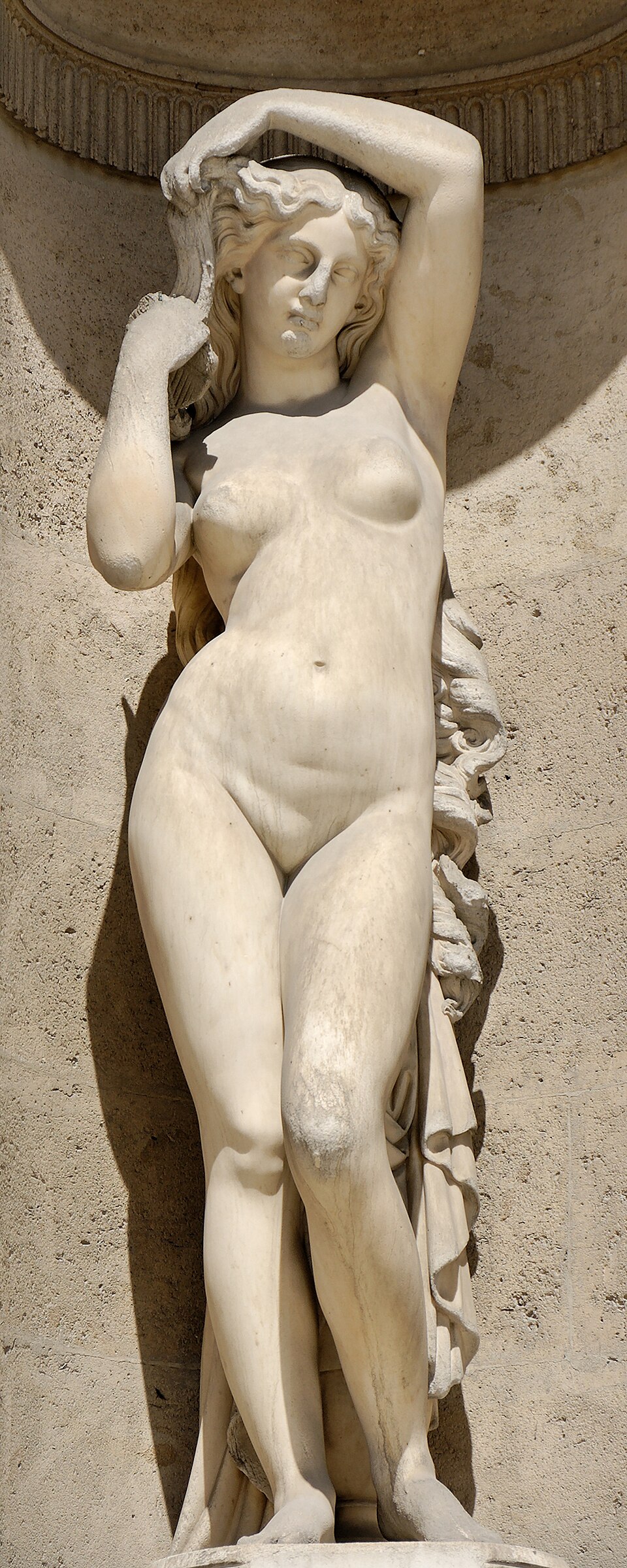
—And how did one become king in your time? Was there a ceremony?
Yes, and it was magnificent, my child! They took Solomon near the spring of Gihon, at the foot of the city. There, the high priest Zadok poured sacred oil on his head, taken from the Tabernacle. This is called anointing: it makes you a meshiah, an 'anointed one,' chosen before God. Imagine the perfumed oil flowing, the trumpets sounding, and all the people shouting for joy. Solomon was crowned king while his father was still alive. That day, my kept promise became a crown placed on my son.
My kept promise became a crown placed on my son.
—Once your son became king, what did you do with your days?
Ah, my days were full, my child! I rose before dawn for my ablutions and prayers. Then I supervised the palace servants and listened to the news brought by messengers. In the afternoon, dignitaries came to see me: they hoped I would speak in their favor to the king. I had become a gebirah — the 'great lady,' the queen-mother. Imagine a respected woman, whose words are heeded at court. In the evening, I sat on a throne placed at Solomon's right hand. Respect, you see, is not given: it is earned.
Respect is not given, it is earned.
—What did your palace smell like? What good things did you eat?
What a lovely question, my child! My palace smelled of cedar wood from Lebanon, imported from far away, and of lamp oil in the evening. The walls were of hewn stone, cool even in summer. At table, we lacked nothing: warm barley bread, olives, figs and sweet dates, pomegranates, sheep's cheese, and roasted lamb for great feasts. We drank wine from Judea, always mixed with water, as is proper. Imagine dishes set on embroidered tapestries, by the flickering light of lamps. It was a sweet life, after so many storms.
It was a sweet life, after so many storms.
—Is it true that your name is written in a book still read today?
It is true, my child, and it moves me every time. Centuries after me, a gospel was written, that of Matthew. It tells the long lineage of ancestors, from David to a child called Jesus. And in that list of names, I am there. They do not call me by my name, but 'the wife of Uriah.' You see? Even there, Uriah has not been forgotten. Imagine a chain of hands holding across a thousand years, and mine in it. A little story on a terrace became the beginning of a very great hope.
A chain of hands holds across a thousand years, and mine is in it.
—If you could tell us one thing to remember, what would it be?
Listen well, my child. My life began in misfortune: a glance, a fault, a lost husband. I could have remained a broken woman. But I became queen-mother, gebirah, she whose word crowned a king and founded the Temple of Jerusalem through my son Solomon. You see, we do not always choose what happens to us. But we can choose what we make of it. Never let a bad start decide your whole path. Your life, like mine, can still rise and bear good fruit.
We do not always choose what happens to us, but we can choose what we make of it.

This imaginary interview was generated by artificial intelligence from sources documented in Bathsheba's profile. It dramatises what the figure might have said based on what we know about them, but does not constitute attested historical testimony. For primary sources and factual documentation, refer to the full profile.