Imaginary dialogue between Ada Lovelace and Charles Babbage
by Charactorium · Charles Babbage (1791 — 1871) · Sciences · 5 min read
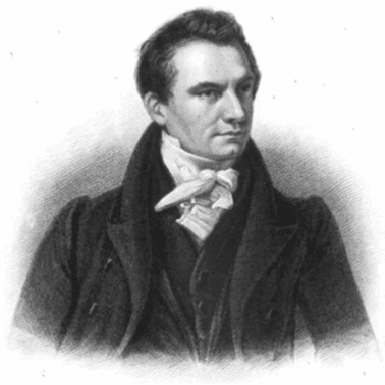
It is in the drawing room at 1 Dorset Street, in Marylebone, that Ada Lovelace meets Charles Babbage on an autumn afternoon in 1843, a few weeks after the publication of her notes on the Analytical Engine. On the workshop table, the brass cogwheels catch the gray London light, and the fragment of the first machine stands like a relic. They have known each other for ten years already, since that evening when the seventeen-year-old girl, fascinated, had leaned over his gears. This time she comes as an accomplished collaborator, determined to make him say what he keeps from the public.
—My dear Babbage, do you remember the first of your Saturday evenings to which I was brought? I was seventeen and your fragment seized me. What did you see, yourself, in those receptions?
I remember it perfectly, Ada — you were the only one, that evening, to understand that this mechanism was not a parlor toy. On Saturdays, I opened my house to scholars, ministers, artists, and all came to admire the fragment of my first machine like a fairground curiosity. But behind the conversation and tea, I conducted an inquiry: I observed who grasped the idea and who merely marveled. Those evenings were my true worldly laboratory. One met duchesses and engineers, and I insisted that science leave the academies and enter the life of a gentleman. You did not look at the machine; you questioned it.
You were the only one to understand that this mechanism was not a parlor toy.
—You name the organs of your Analytical Engine the Mill and the Store. Why borrow these words from manufacture rather than from the mathematics we cherish?
Because these words tell the truth of the thing better than any formula, my dear. The Store is the place where numbers wait, arranged on their columns of cogwheels, like grains in a granary. The Mill is the organ that seizes them, grinds them, transforms them into results — that is where calculation proper takes place. I spent my youth observing workshops and factories for my work On the Economy of Machinery and Manufactures; I learned there that the division of labor applies to the mind as much as to the hand. My machine separates memory from operation exactly as a factory separates the warehouse from the workshop. The language of industry gave me the architecture of mechanized thought.
The language of industry gave me the architecture of mechanized thought.
—In my notes, I wrote that your machine weaves algebraic patterns just as Jacquard's loom weaves flowers. Does this image seem faithful to your design?
Faithful? It is truer than anything I have been able to formulate myself in thirty years, Ada. When I saw Jacquard's punched cards controlling a loom weaving flowers and leaves, I understood that these same cards could control operations of analysis. But it is you who knew how to tell the world with that image of weaving. Where I described gears, you saw a language. I conceive the wheels; you conceived the scope of what they do. Your notes far surpass the memoir I had inspired — you guessed that the machine might one day handle something other than numbers, symbols of any kind, provided one knew how to code them. That is why I call you the Enchantress of Numbers.
I conceive the wheels; you conceived the scope of what they do.
—You wrote to the Duke of Wellington, in 1834, that all arithmetic was henceforth within the power of mechanics. Is that not a bold promise, dear friend?
Bold, certainly, but not rash — I weighed every word. At that date, I had left the simple Difference Engine, which could only add tables, to conceive a machine of quite another ambition: a universal machine, capable of executing any formula that did not contain an infinite number of terms. I wrote it to the Duke because it was necessary to convince a government, and a minister only understands clear promises. The Difference Engine was only a calculator; the Analytical Engine is an instrument of analysis itself. It possesses a memory, a faculty of judgment through its cards, the ability to go back over its own operations. I did not promise the impossible — I described what brass and patience could accomplish, if only I were given the means.
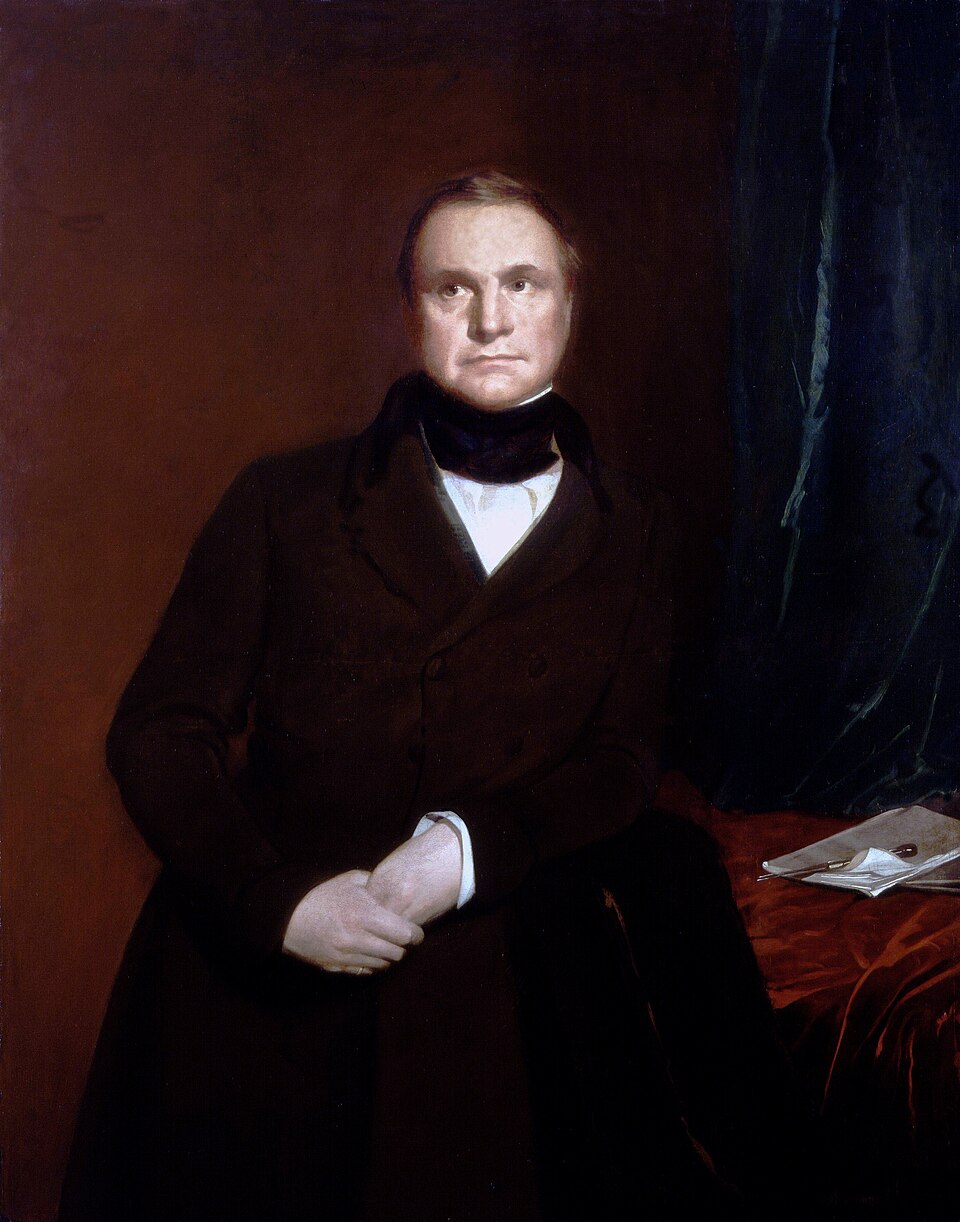
—Let us speak of those means, precisely. It is whispered that you have swallowed up seventeen thousand pounds of public funds. How do you experience the government's break last year?
As a betrayal, I do not hide it from you who know my accounts better than my friends. Seventeen thousand pounds from the Treasury, and my personal fortune on top — a gentleman's fortune, dissipated in cogwheels and plans on vellum. For more than ten years, I maintained the best craftsmen in London, demanding a precision that no workshop had ever achieved. And last year, 1842, my funding was cut off, on the pretext that the first machine was not finished — while my mind was already entirely given to the second, infinitely superior. I am reproached for having completed nothing; it is forgotten that I had to invent the tools before inventing the machine. The government paid for an invention and complained at not having received a clock.
The government paid for an invention and complained at not having received a clock.
—Do you fear, my friend, never seeing your machines completed in your lifetime? That thought must weigh heavily on your nights of work.
It weighs, yes, and more than I admit in society. I have designed a new Difference Engine, simpler, more elegant, requiring a third fewer parts than the first — it exists entirely in my plans, perfect, and no one wants to build it. It may well be that I die without seeing a single one of my great machines run. But you see, I have stopped working for my contemporaries. My drawings are so exact that a man from another century, if he finds them, will be able to build what I thought. I sow for a harvest I will not reap. It is a bitter consolation, but it is the only one left to me, and it is better than silence.
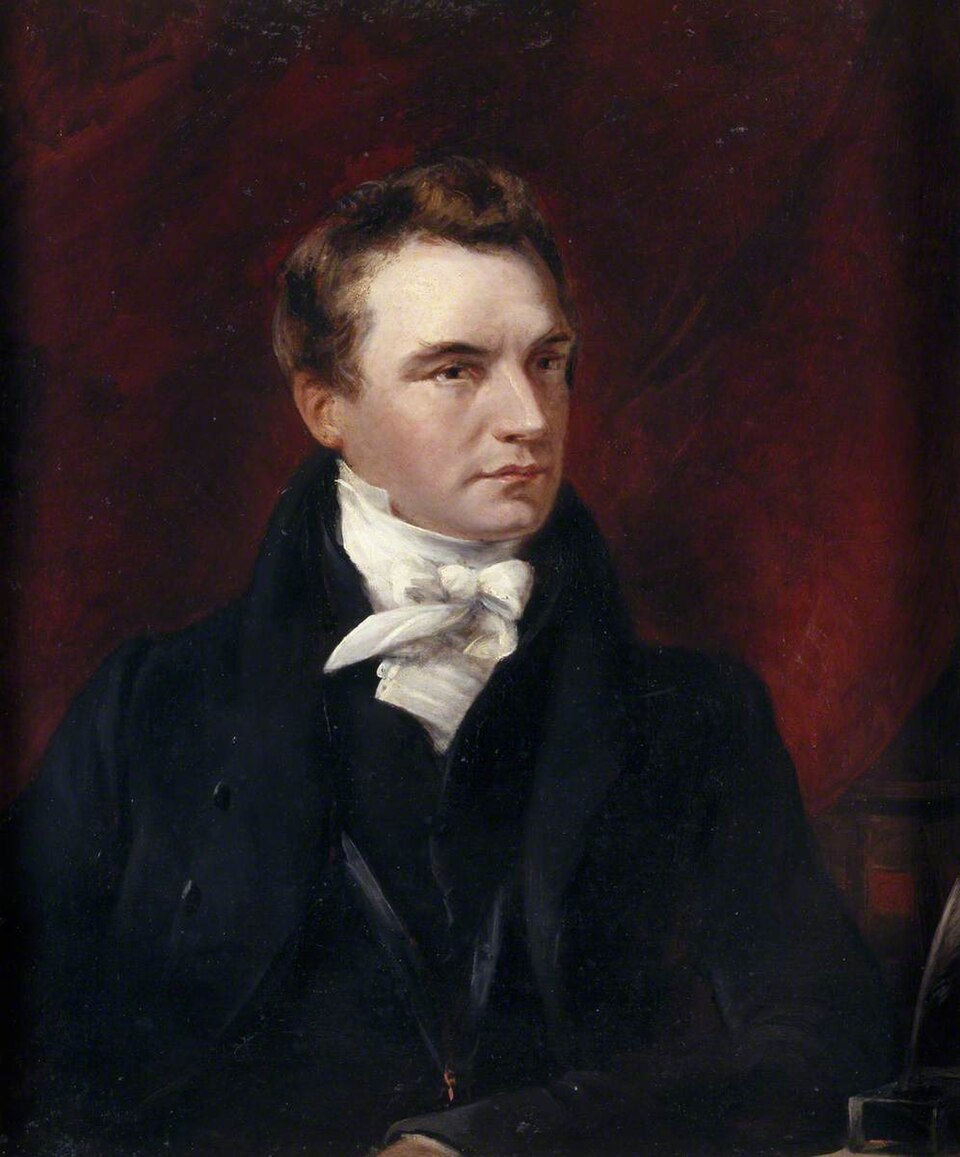
—Let us leave the machines for a moment. All London laughs at your war against street musicians. What is it that puts you in such a fury, dear Babbage?
Laugh if you will, Ada, but this war is serious. Those barrel organs that set up under my windows rob me of a quarter of my intellectual faculties — I have calculated that these rackets cost me a quarter of my useful working time. A man trying to follow a chain of reasoning who is assailed by blaring ditties is a man being killed by inches. I chase these musicians, I note their names, I file complaints, and the populace amuses itself by coming to play louder under my door out of pure malice. The press portrays me as a grumpy old bear. So be it. But let someone tell me how one designs a universal machine amidst a fairground din. Silence, for one who thinks, is not a luxury: it is a tool of work.
Silence, for one who thinks, is not a luxury: it is a tool of work.
—When I visit you, I find you sometimes in frock coat in the drawing room, sometimes in apron in the workshop. How do you divide your days between society and mechanics?
I lead two existences under one roof, and you have seen both. In the morning, I go through correspondence arriving from all over the world — scholars, ministers, manufacturers — before going down to the workshop to inspect the craftsmen's work. The afternoon belongs to the Royal Society, clubs, visits from engineers. And in the evening, either I open my drawing room and become again the gentleman in dark frock coat receiving duchesses, or I put on the apron and handle the brass parts myself late into the night. My dress is always neat — my rank demands it — but my hands, under the cuffs, often bear the trace of oil and file. People think me a man of the salon; I am above all a man of the workshop. The two never leave each other in me.
—One last question, my friend. If our joint works were to leave a mark, which of us, in your opinion, would have borne its essence?
What a question, and how like you to ask it with such frankness. The truth, Ada, is that I could not have done alone what we did together. I gave the mechanism; you gave it a voice. My plans sleep in boxes that the government scorns; your notes, they live and reason. You understood before I did that this machine was not a matter of arithmetic but a matter of thought — that it might one day weave combinations of a complexity whose extent I dare not measure. I am an old man stubborn about cogwheels; you are the spirit that saw further than metal. If a mark remains, let it not be forgotten that the Enchantress of Numbers walked beside the clockmaker, and often ahead of him.
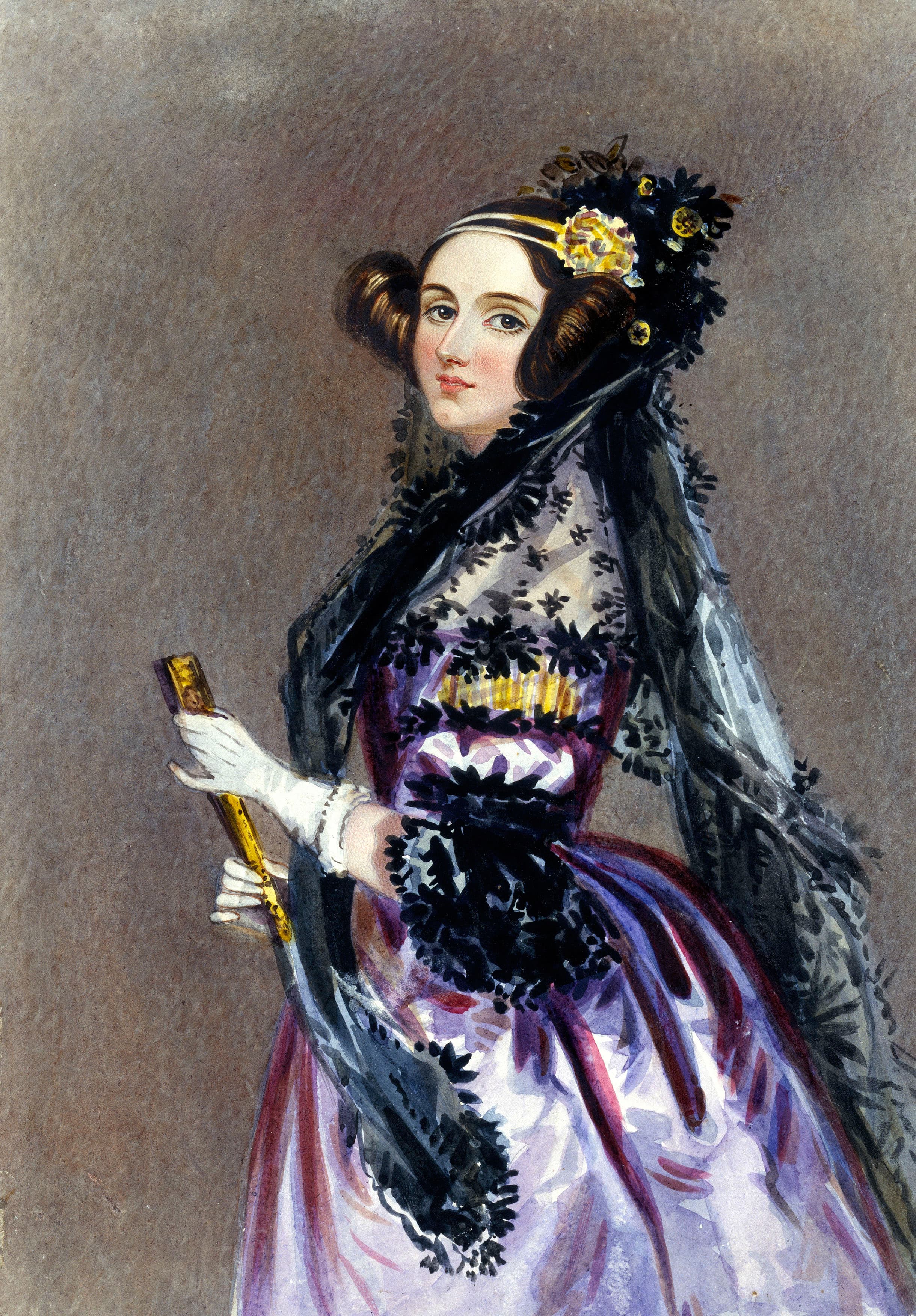
This imaginary interview was generated by artificial intelligence from sources documented in Charles Babbage's profile. It dramatises what the figure might have said based on what we know about them, but does not constitute attested historical testimony. For primary sources and factual documentation, refer to the full profile.