Imaginary interview with Charles Babbage
by Charactorium · Charles Babbage (1791 — 1871) · Sciences · 5 min read
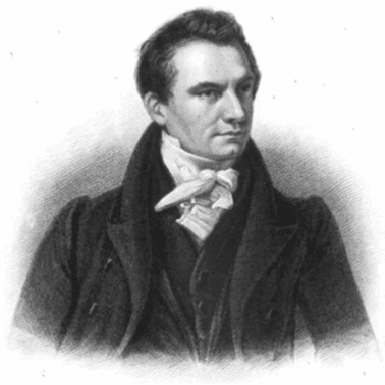
London, a Saturday evening in the winter of 1864. At 1 Dorset Street, candles illuminate the brass fragment that sits like a relic in the middle of the drawing room. Charles Babbage, in a dark frock coat with a sharp gaze, receives us between sips of tea, his ear still irritated by a barrel organ fading down the street.
—How did the idea of entrusting calculation to a machine come to you?
It all started with annoyance. I was rereading some logarithmic tables riddled with errors — each mistake by a copyist became a shipwreck at sea, a bridge miscalculated. I told myself that a tired man makes mistakes, but a gear never tires. As early as 1821, I undertook my Difference Engine, based on the method of finite differences: add, and add again, and let brass cogwheels carry the carry for me. Each wheel represented a digit, and their meshing unfolded the calculation without any hand trembling. I wanted to remove from human error the privilege of governing numbers. It was not pride — it was mathematical hygiene.
A tired man makes mistakes, but a gear never tires.
—You spoke of a 'mill' and a 'store' to describe your second machine — why those words?
When I designed the Analytical Engine, I realized it required two distinct organs, and I needed words to think about them. I borrowed the vocabulary of the industry I knew well. The store, the store, is the warehouse: columns of cogwheels where numbers are kept waiting, like grain in a silo. The mill, the mill, is the living workshop: it takes the numbers, grinds them, multiplies them, returns them transformed. Memory on one side, factory on the other. I could have spoken of head and hands, but the manufacturer in me preferred the image of the millstone. It was while visiting textile mills that I learned that every operation, even mental, can be divided like factory work.
—You poured considerable sums into these machines. What remains of that money?
Nearly seventeen thousand pounds of public funds, and a personal fortune I prefer not to tally tonight. The government funded my Difference Engine for over ten years, then cut off support in 1842, weary of waiting for a marvel that never left the workshop. I am blamed for an unfinished machine; I blame the powers that be for backing away just as precision mechanics was finally catching up with my plans. The fragment you see there, those two thousand assembled pieces, is all the nation has for its money. I paid in years what others spend on illusions. And yet, I do not regret a single guinea.
I am blamed for an unfinished machine; I blame the powers that be for backing away.
—It is said that the 1862 Exhibition deeply wounded you. What happened?
I had requested a space to exhibit part of my Analytical Engine. The committee refused: too unfinished, they said, too abstruse for the public. Do you see the irony? They were loudly celebrating the wonders of British industry, yet closed the door on the most ambitious of all — one that weaves not cloth but operations of the mind. I devoted decades to this design, thousands of plans on vellum paper, and they treated me like a bothersome tinkerer. I know what is whispered: that old Babbage rehashes his grievances. So be it. But a man who has seen so far has every right to suffer being kept in the dark.
A machine that weaves not cloth but operations of the mind.
—How would you describe your collaboration with Ada Lovelace?
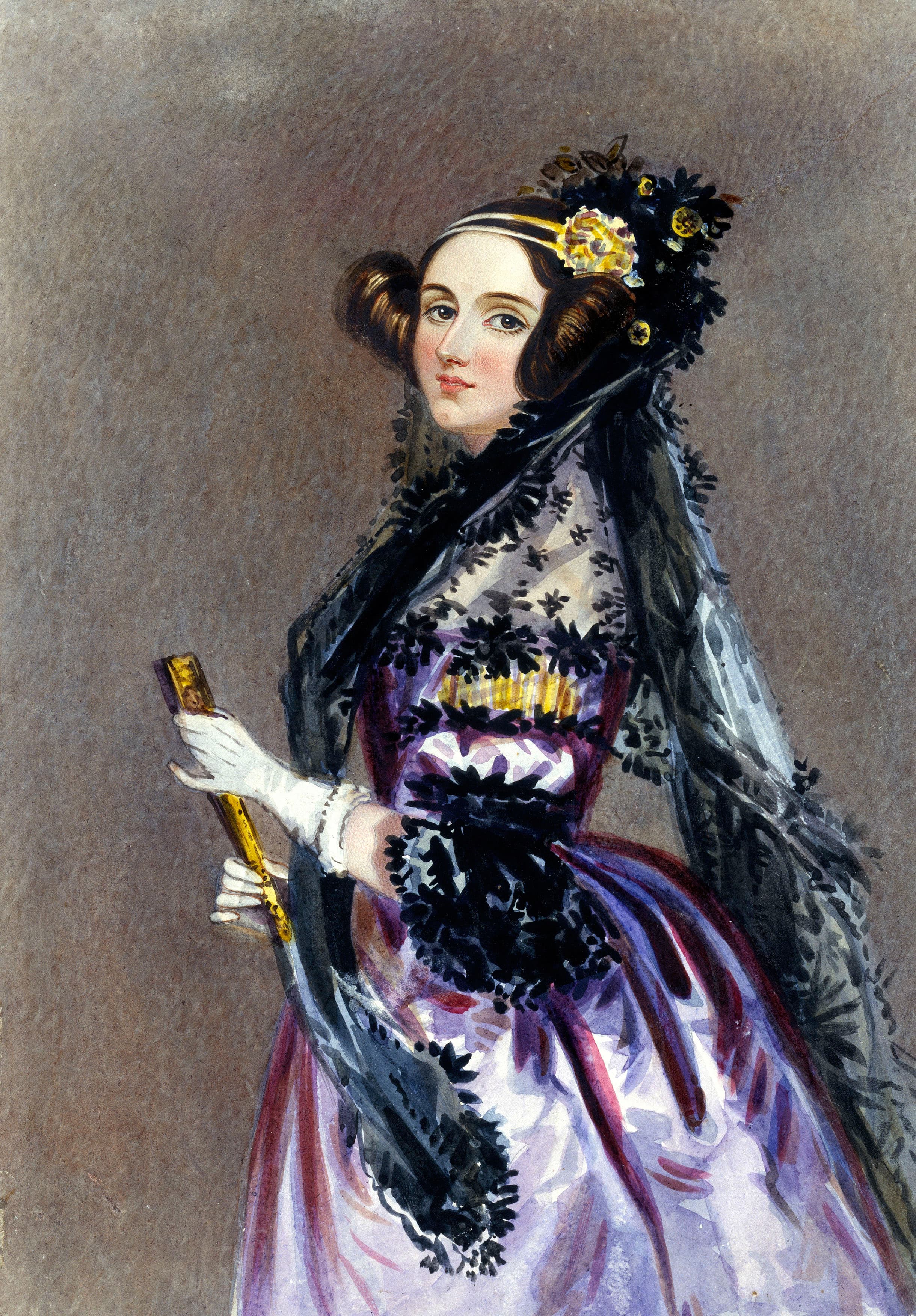
I called her the Enchantress of Numbers, and the word was not mere gallantry. The daughter of Lord Byron had inherited her father's fiery imagination, but she had harnessed it to algebra. In 1843, when she wrote her notes on the Analytical Engine, she saw further than I did: where I saw a calculator, she glimpsed a machine capable of composing music or drawing figures, provided one knew how to translate things into symbols. She wrote that admirable phrase, that the machine 'weaves algebraical patterns just as the Jacquard loom weaves flowers and leaves'. Few people understood my gears; she understood what they could become.
Where I saw a calculator, she glimpsed a machine that composes.
—Where did you get the idea of punch cards to control the machine?
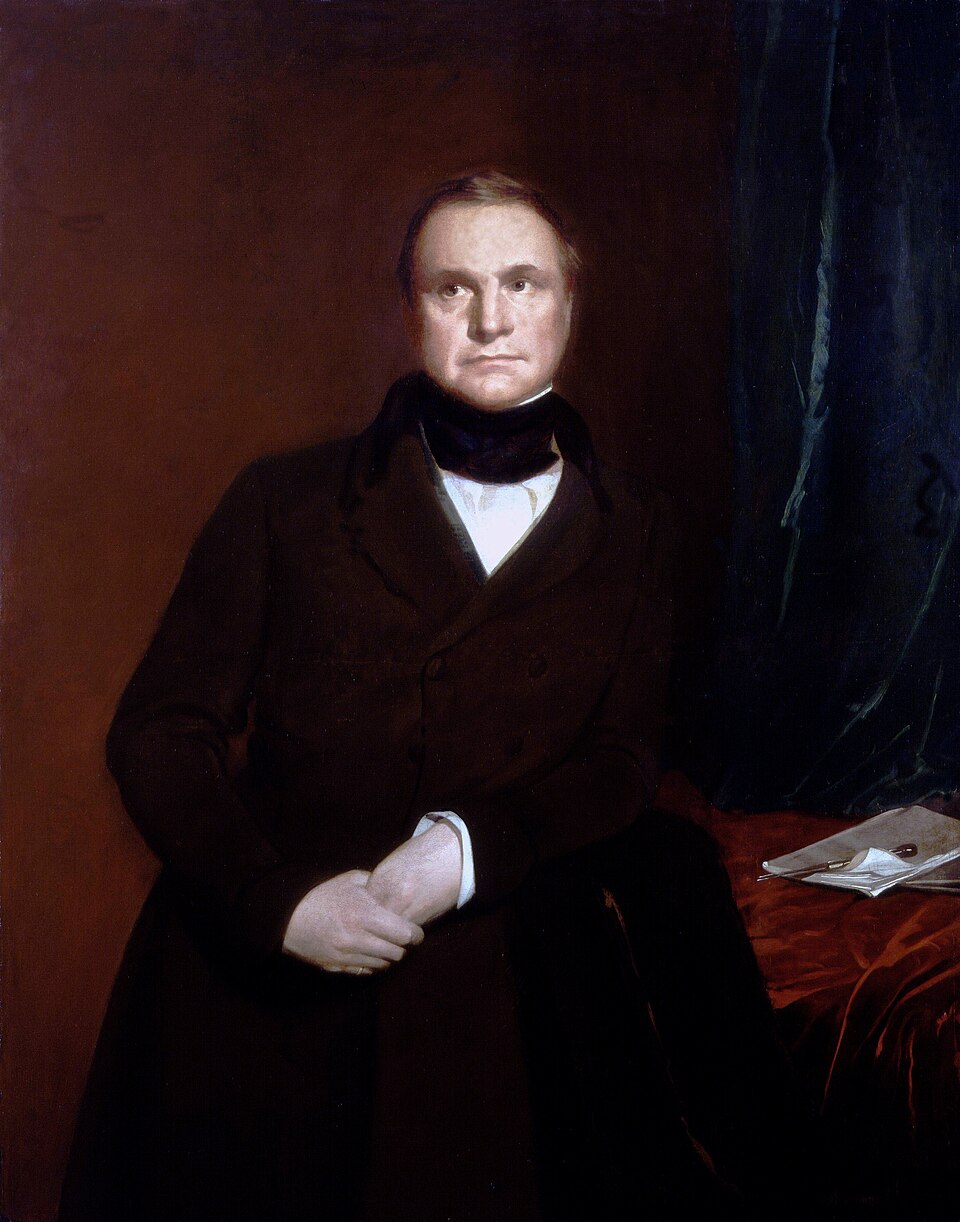
From the loom. During my travels, I had admired the Jacquard loom, where cards punched with holes control the threads and create flowers and leaves in silk without any worker guiding the pattern. I had this intuition: if a card can order needles to weave a design, why could it not order my wheels to weave a calculation? The punch cards became the language of my Analytical Engine — its score, so to speak. One writes on them the sequence of operations, and the machine obeys, docile, what has been punched. That, I believe, is what separates a simple clock from a true thinking machine: one repeats, the other lets itself be instructed.
A card that commands threads can command a calculation.
—You are known for your war against street musicians. Isn't that a strange crusade for a scientist?
Strange? Try solving a differential equation while a barrel organ bellows under your windows on Dorset Street! I once calculated how many hours of thought this racket had stolen from me: a quarter of my productive life, devoured by jingles. I fought all the way to Parliament, and in 1864 obtained a law to drive these noisemakers from certain streets. The press mocked me, children played under my windows out of pure spite, I even received threats. No matter: silence is the workshop of the mind. One may smile at my anger, but no one ever composed a great work in a din.
Silence is the workshop of the mind.
—It is reported that you wrote to the poet Tennyson to correct his verses. Really?
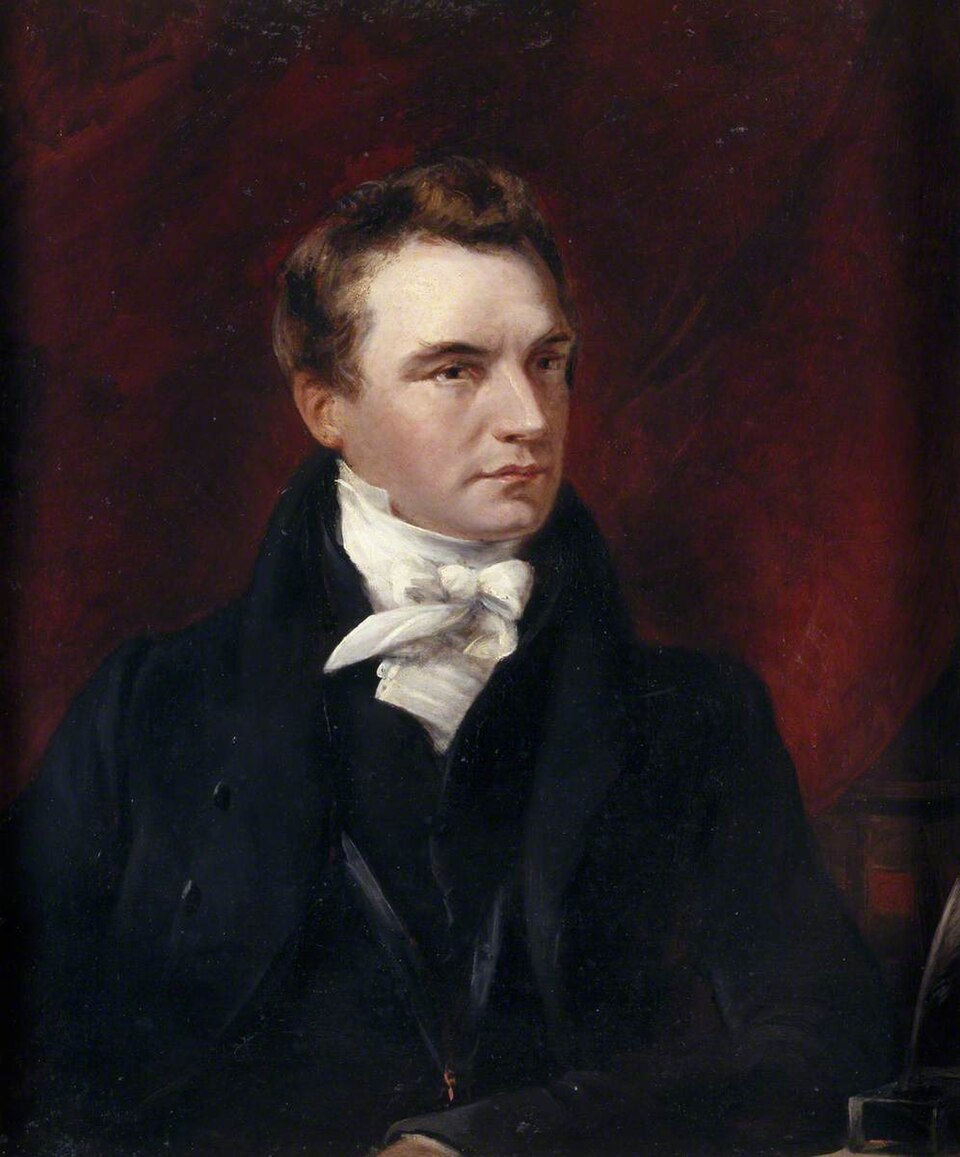
That is true, and I admit it without blushing. The poet had written that 'every minute a man dies, every minute a man is born.' Pretty, but false! If that were the count, the population of the globe would remain eternally static, which the records deny. So I suggested to him, by letter, to correct it by saying that every minute a man and one-sixteenth is born — an approximate figure, for the exact number would not fit the meter. You laugh, but that is my whole character: I cannot abide a false table or a false rhyme. Accuracy is not the enemy of beauty; it is its condition. A poet who lies about numbers lies twice.
I cannot abide a false table or a false rhyme.
—Tell us about your famous Saturday soirées. Who came, and to see what?
The drawing room at 1 Dorset Street filled with the great and good of science and letters: engineers, writers, politicians, sometimes an inquisitive duchess. The centerpiece was not the buffet but the fragment of the Difference Engine, placed there like a brass idol. I would set it running before the guests, and they would see numbers align by themselves, without pen or inkwell — a spectacle that rivaled any conjuring trick. As a gentleman and natural philosopher, I insisted that science not be confined to learned societies, but that it converse with the world. My days ended late, bent over my correspondence; but on Saturdays, my machine received in my stead.
The centerpiece was not the buffet, but a brass idol.
—What was an ordinary day like in that house?
I rose early, and immediately tackled my voluminous correspondence — continental scientists, artisans, recalcitrant ministers — over tea and a few toasts. Then I went into the adjoining workshop, where workers were machining my parts, to judge progress and curse the slowness of brass. The afternoon took me to the Royal Society, of which I have been a member since 1816, or to some engineer's home. And in the evening, when no organ troubled Marylebone, I drew plans on vellum paper until hours that my candle disapproved of. It is a busy gentleman's life: no trade constrains me, but a fixed idea governs me more harshly than any master. I never knew how to distinguish work from pleasure — for me, they were always the same gear.
No trade constrains me, but a fixed idea governs me more harshly than any master.
This imaginary interview was generated by artificial intelligence from sources documented in Charles Babbage's profile. It dramatises what the figure might have said based on what we know about them, but does not constitute attested historical testimony. For primary sources and factual documentation, refer to the full profile.