Kids interview Charles Babbage
by Charactorium · Charles Babbage (1791 — 1871) · Sciences · 5 min read
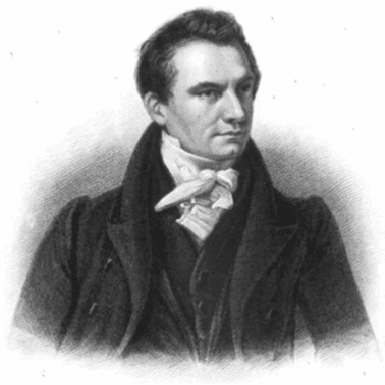
Two young visitors of twelve push open the door of the drawing room on Dorset Street, London. An old gentleman in a dark frock coat welcomes them amid brass cogwheels. His name is Charles Babbage, and he seems very moved that children want to listen to him.
—What gave you the idea to build a calculating machine?
You know, my child, it all started with anger. In my day, sailors, astronomers, and engineers used big books full of numbers called logarithmic tables. Imagine pages and pages of numbers, copied by hand by tired men. And those men made mistakes! One wrong digit, and a ship could be lost at sea. One day in 1821, I was checking these tables with a friend, and I found error after error. I sighed: "If only a machine could do this for us!" That sentence changed my entire life.
A machine never makes mistakes from fatigue.
—And how can a machine do calculations all by itself without making mistakes?
Come closer. You see these brass cogwheels? Each one carries digits from zero to nine. When a wheel makes a full turn, it pushes its neighbor by one notch — exactly like carrying a digit when you do addition. I called this the Difference Engine. The secret is that it only needs additions, over and over, to produce entire tables. Between 1821 and 1832, I built a piece of it, two thousand interlocking parts. In the evenings, in my drawing room, I would run it for my amazed guests. A machine that calculates without ever yawning: in my day, that was magic turned into metal.
—Did you stop with that machine, or did you dream of a bigger one?
Oh, I never knew how to stop! As early as 1833, a much wilder idea seized me. What if a single machine could do any calculation, as requested? I called it the Analytical Engine. Imagine two parts: a place where numbers wait patiently, which I named the store, and another where they meet to multiply or add, which I called the mill. The store keeps, the mill works. I wrote to the Duke of Wellington that my machine could calculate any formula. No one before me had dared such a dream.
The store keeps the numbers, the mill makes them work.
—But how do you tell the machine what calculation to do? Did you talk to it?
Ha! If only it had ears. No, my idea came from a surprising place: weavers' workshops. In my time, there were looms invented by a Frenchman, Jacquard. To weave flowers into cloth, you slid cards with small holes into the machine. Where there is a hole, the thread passes; where there isn't, it stops. I thought: why not punch punch cards to command my calculations? The loom makes flowers; my machine would make numbers. That was the first time one could program a mechanism.
—Did you work alone, or did someone help you imagine all this?
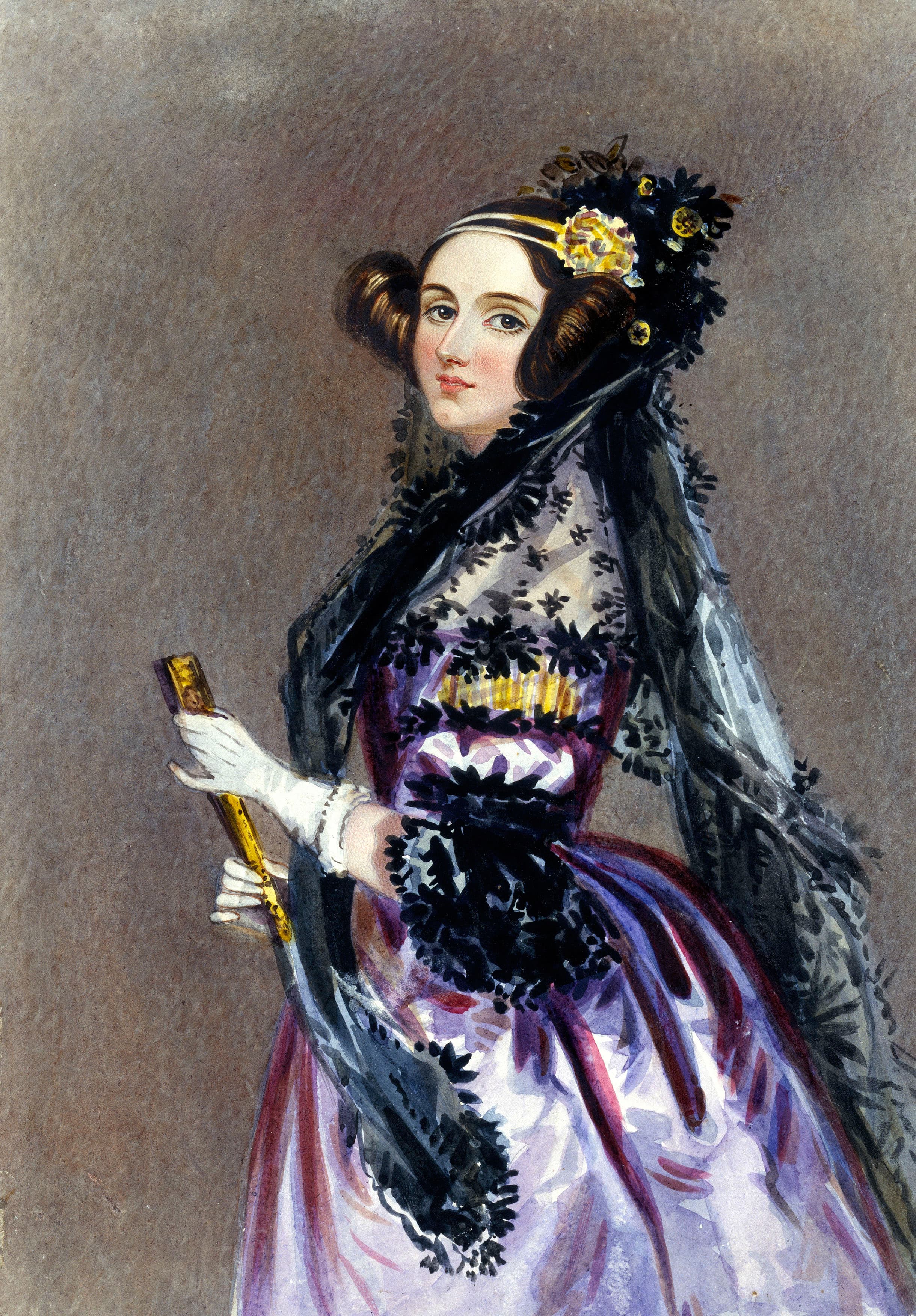
One person understood me better than all the scholars of London, and she was a young woman. Her name was Ada Lovelace, and her father was a very famous poet, Lord Byron. But she loved numbers. In 1843, she wrote notes on my Analytical Engine so profound that I was speechless. She understood that the machine would not only calculate: it might one day compose music, like the loom weaves its flowers. I fondly called her the "Enchantress of Numbers." She saw much further than my own machine.
She saw in my machine much further than I did.
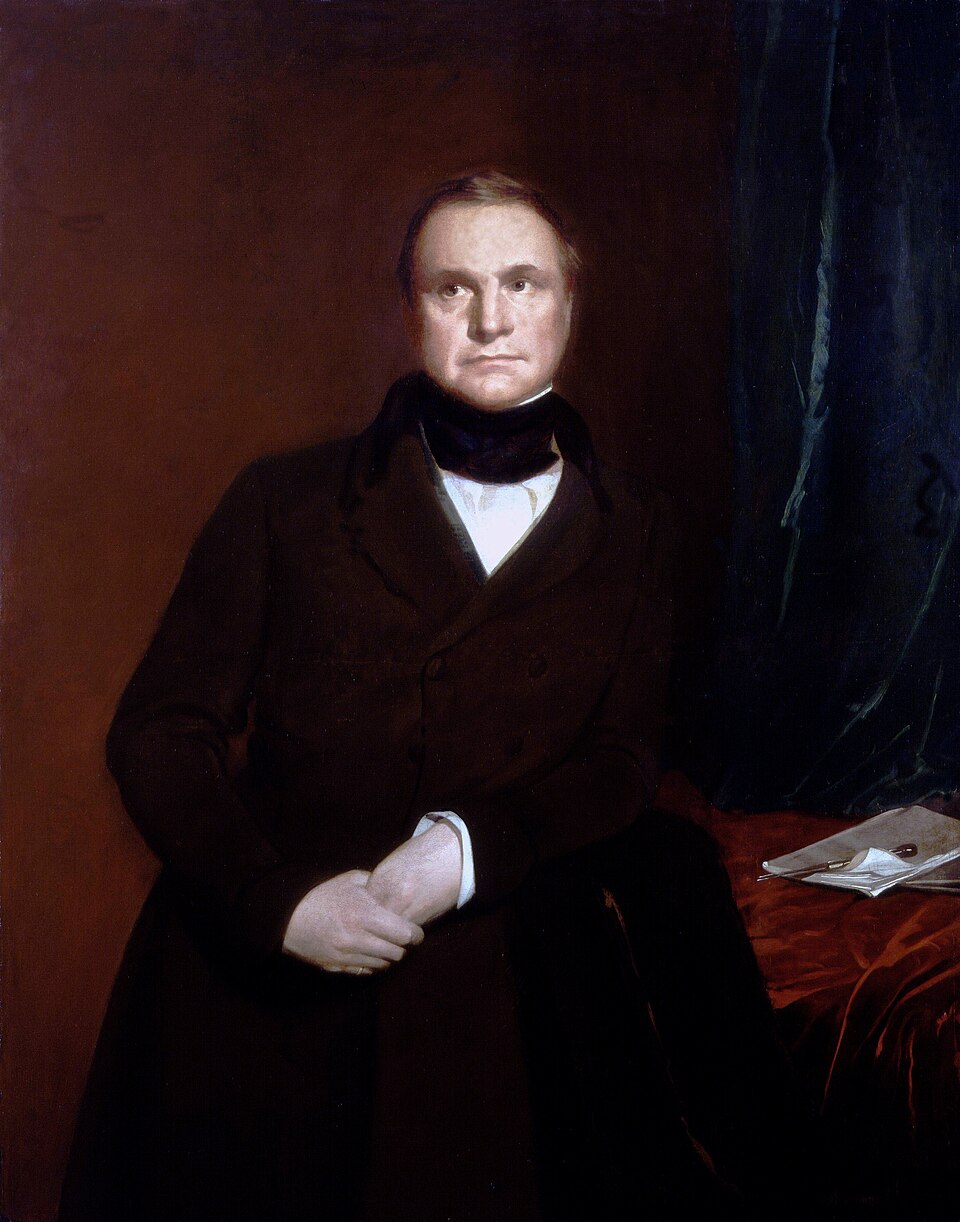
—Why did you call her 'the Enchantress of Numbers'? That's a pretty name.
Because it was true, my child! When Ada wrote about my machine, it was as if numbers danced under her pen. She imagined a sequence of operations that the machine could follow on its own, step by step. Today, people say it was the very first program in history — the first recipe given to a thinking machine. In my time, many men didn't believe a woman could do mathematics. What nonsense! Ada proved the opposite with every letter. An enchantress, yes, because she turned boring columns of numbers into pure wonder.
—Is it true you hated street musicians?
Ah, you've heard that story! Yes, I admit it, and I blush a little. In my day, men roamed the streets of London with a music box called a barrel organ. You turned a crank, and it played the same screechy tune under my windows. I was trying to think about my machines, and that racket drove me mad! I calculated that this noise had stolen a quarter of my working life. So, in 1864, I fought to pass a law against them. The newspapers mocked me, I even received threats. But silence, you see, is the scholar's bread.
Silence, you see, is the scholar's bread.
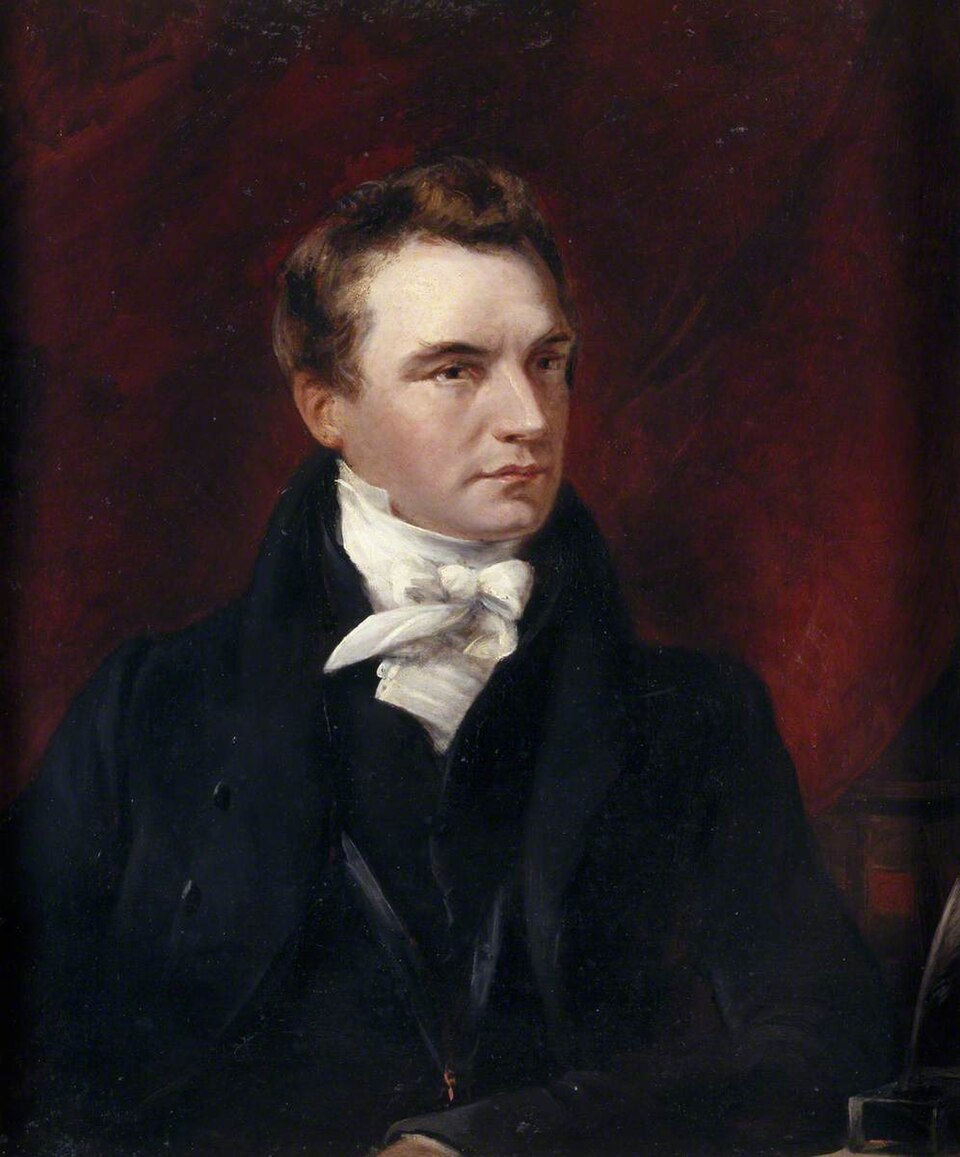
—Did you have other crazy ideas like that, which made people laugh?
Oh, my mind never rested! One day, I read a poem by a great poet, Tennyson. He wrote that every moment a man dies and a man is born. With my calculator's mind, I took up my pen and wrote to him. "My dear sir," I said politely, "if that were exact, the population would never change!" I suggested he write that every moment a man is born "and a sixteenth." Of course, I was half joking. But you see, I couldn't help looking for errors everywhere, even in poetry. It was stronger than me.
—Were these machines expensive? Who paid for them?
Very expensive, alas. The British government gave me public money — nearly £17,000, a huge sum for the time, enough to buy several large houses. And I added my own fortune. Craftsmen worked in the workshop of my house on Dorset Street, filing each wheel to perfection. But it was slow, so slow. In 1842, the ministers lost patience and cut off my funding. My great machine was still unfinished. Imagine giving ten years of your life to a treasure, and having the tools taken away just before the end. My heart was heavy as lead.
—And in the end, did you get to see one of your machines actually work?
No, my child, and that is my great sorrow. I died in 1871 without ever seeing one of my great machines completed. Worse: in 1862, at a huge exhibition in London, they refused to show my Analytical Engine to the public, judging it too complicated. That wounded me deeply. But listen to the rest, for it is beautiful. More than a hundred years after my death, in 1991, scholars at the Science Museum in London followed my plans on vellum paper. They built my Difference Engine No. 2. And it worked, perfectly! My dreams just had to be patient.
My dreams were not wrong, they were only ahead of their time.
This imaginary interview was generated by artificial intelligence from sources documented in Charles Babbage's profile. It dramatises what the figure might have said based on what we know about them, but does not constitute attested historical testimony. For primary sources and factual documentation, refer to the full profile.