Kids interview Che Guevara
by Charactorium · Che Guevara (1928 — 1967) · Politics · 5 min read
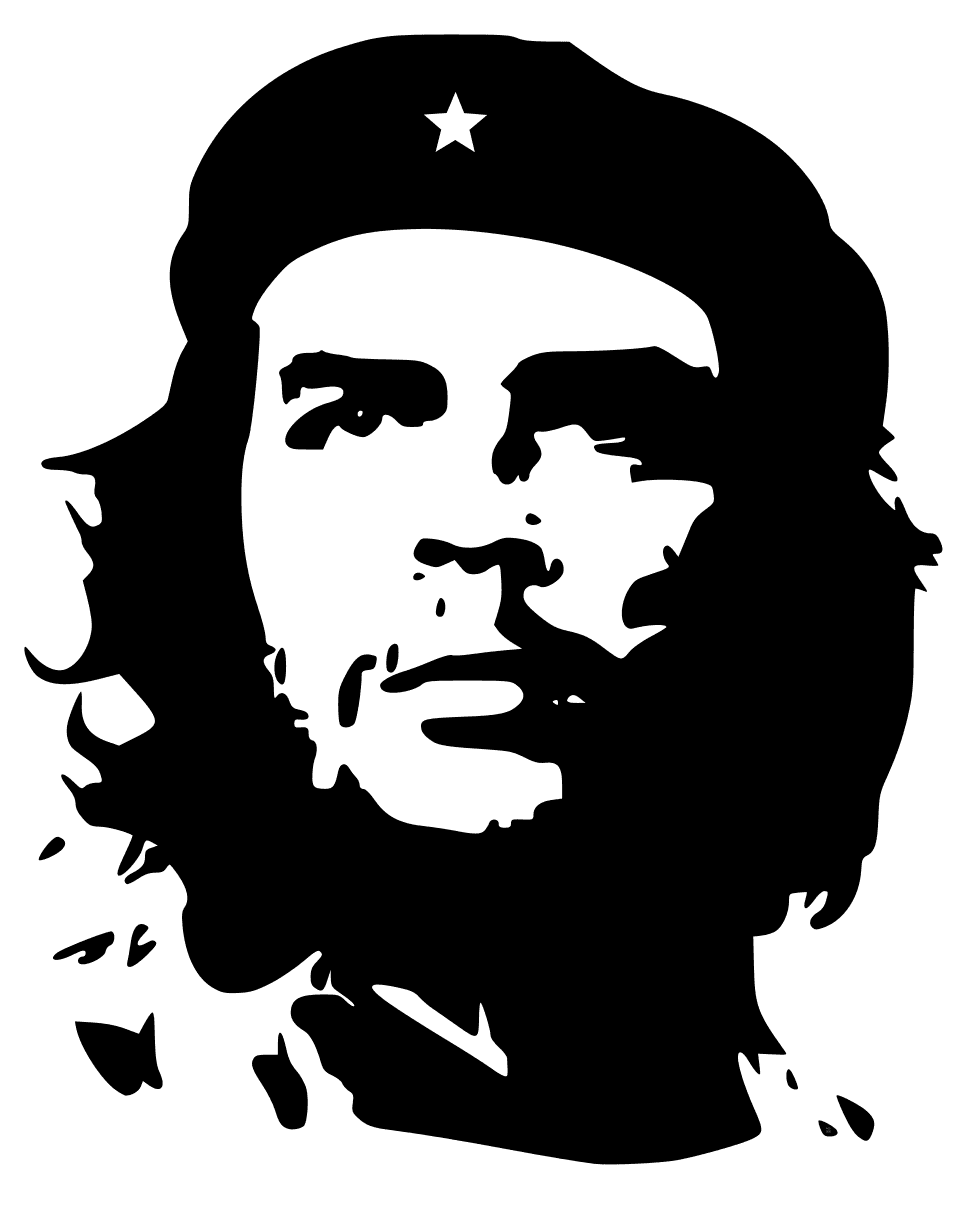
Two 7th-grade students, on a discovery field trip, have been preparing their questions all week. Before them, a man in green fatigues, beret resting on his knee, looks at them with a tired smile. "Sit down, my little ones. Ask me anything you want."
—What was your big motorcycle trip like when you were young?
Ah, that! I was 23. With my friend Alberto Granado, we set off on an old motorcycle we called La Poderosa — "the Mighty One." Funny name, because it broke down all the time! We rode for eight months across South America in 1952. Imagine two boys covered in dust, sleeping in barns, sharing bread with the poorest. That's where I saw miners coughing up their lungs, Indian families driven off their land. You know, you go on a trip to have fun. I came back changed. My eyes had opened.
You go on a trip to have fun; I came back changed.
—What made you saddest during that trip?
One night, in the cold of the mountains of Chile, I met an old couple. They had no blanket, no work, just their worn hands. We shared our mate — a hot drink from my native Argentina, drunk from a small gourd. They didn't even have that. I wondered: why do a few own vast lands, and others nothing at all? In my time, we called those large estates latifundios. That night, my child, I couldn't sleep. Misery, when you touch it with your finger, never leaves you.
Misery, when you touch it with your finger, never leaves you.
—What were your days like when you lived in the forest?
Hard, but simple. I woke at dawn in the Sierra Maestra, those mountains in eastern Cuba. Some mate, then I pored over maps with my officers. In the afternoon, we marched for hours in the jungle, training young recruits. Since I had studied medicine, I also treated peasants from the villages. In the evening, around the fire, I wrote in my diary. We ate rice, black beans, and meat only when we hunted. You see, I didn't sleep in a bed, but in a hammock, sometimes right on the ground. That was our life as guerrillas.
—How could a few men defeat an entire army?
Good question! We were few, poorly armed — I had an old rifle, an M1 Garand. But we were fast and knew the mountains. I called it the foco, the "focus." Imagine a small ember: if you feed it well, it can light a great fire. A small determined group can awaken a whole people. We also had a secret weapon: Radio Rebelde, our radio station in the Sierra Maestra. We spoke to the peasants, told them the truth while the dictatorship lied. A regular army is heavy, my child. We slipped through their fingers like water.
A small determined group can awaken a whole people.
—Were you afraid at night, with your illness choking you?
You've read my story well. Yes, since childhood, I had asthma. It's when your chest tightens and you can't breathe, as if someone is sitting on you. Some nights, deep in the jungle, attacks pinned me to the ground. I always kept my inhaler nearby — a small device to open my lungs. My comrades heard me gasp in the dark. But you know what? I never stopped. In the morning, I marched on. I had understood one thing: a weak body does not prevent a strong will. The head commands, not the lungs.
A weak body does not prevent a strong will.
—Is it true you read books even during the war?
Always! In my backpack, next to the cartridges, there were books. Philosophy, economics, poems. During breaks, I read under the trees. And in the evening, I did something close to my heart: I taught reading and writing to peasants and fighters who didn't know how. Imagine a 40-year-old man tracing his name for the first time — his eyes shone! Later, in Cuba, in 1961, a great campaign taught nearly the whole country to read. Illiteracy dropped dramatically. For me, a rifle frees a country, but a book frees a mind.
A rifle frees a country, but a book frees a mind.
—Is it true you signed money just with "Che"?
Ha! That's true. After the victory, in 1959, I was appointed president of the National Bank of Cuba. Me, a guerrilla, in charge of the vaults! On the banknotes, instead of writing my full name in a serious way, I simply signed Che. The suited gentlemen from the big banks were shocked. But it was intentional: I was showing that a new world was beginning, without pretentious manners. You know, "Che" is a little Argentine word used to call a friend. Putting that on the country's money was saying: this wealth belongs to the people, not the powerful. A simple word can be a message.
—Why did you work for free cutting sugarcane, even though you were a minister?
Because I believed in what I called the new man. Let me explain simply. Many people work only to earn money. I dreamed of men who work out of love for others, out of pride in building together. So on Sundays, minister or not, I went to cut sugarcane in the fields, under the sun, with the workers. We called it voluntary work. My hands bled like the peasants'. How can you ask for an effort if you don't do it yourself? I wrote all this in a book, Socialism and Man in Cuba. Giving without expecting anything in return — that was my most precious idea.
Giving without expecting anything in return — that was my most precious idea.
—Why did you leave Cuba when everything was going well for you?
That's the hardest question, my child. In Cuba, I had honors, positions, friends. I could have lived there in peace. But other peoples were still suffering, in Africa, in Latin America. How can you stay warm when brothers are struggling in the cold? In 1965, I wrote a farewell letter to my friend Fidel Castro. I told him that other lands needed my modest efforts, and that the time to leave had come. I left my family, my children, in secret. It wasn't easy. But I couldn't ask others for a courage I didn't have myself.
How can you stay warm when brothers are struggling in the cold?
—How did it end for you in Bolivia?
I'll tell you honestly, because you are old enough to hear it. In 1966, I entered Bolivia secretly to take up the struggle there. But this time, nothing worked. The peasants, suspicious, didn't join us. In my last diary, I wrote that morale was dropping and our forces were weakening. We were hunted, starving, sick. In October 1967, the army captured me in a small village, La Higuera. There, my road ended. You know, you don't always win. But losing while staying true to what you believe — that's not really losing. That's what I'd like you to remember.
Losing while staying true to what you believe — that's not really losing.
This imaginary interview was generated by artificial intelligence from sources documented in Che Guevara's profile. It dramatises what the figure might have said based on what we know about them, but does not constitute attested historical testimony. For primary sources and factual documentation, refer to the full profile.