Kids interview Coco Chanel
by Charactorium · Coco Chanel (1883 — 1971) · Visual Arts · 5 min read
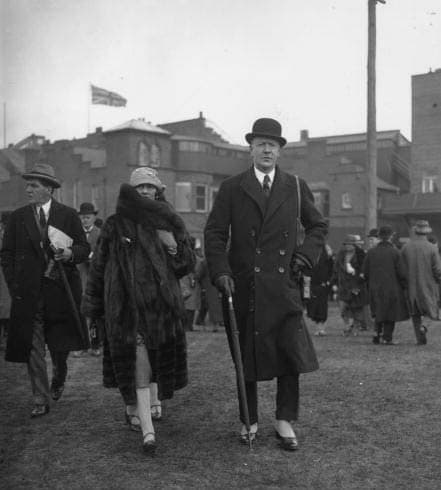
That morning, two middle-schoolers on a field trip push open the door of a grand fashion salon on Rue Cambon. An old lady in a tweed suit waits for them, a measuring tape around her neck. She gestures for them to sit down: Coco Chanel is ready to tell them everything.
—How old were you when you arrived at the orphanage?
You know, my child, I was twelve, about your age. My mother had just died, in 1895, and my father dropped me off at the orphanage of Aubazine, in the Corrèze. Imagine an old monastery lost in the countryside: all white walls, stone corridors, no decoration, nothing superfluous. At first, that emptiness scared me. And then I learned to sew there, with the nuns. All my life, I loved simple lines, clean and bare things. That taste, you see, was born in those cold corridors. You think you hate a place, and it shapes you forever.
You think you hate a place, and it shapes you forever.
—Were you sad there, or was it okay?
I was often sad, yes. You feel abandoned when your father leaves and doesn't come back. But I'll let you in on a secret: I didn't like being pitied. So I told myself stories, I invented another life. Later, around 1905, I became a singer in a café in Moulins, for officers. I sang a song about a little dog named Coco. That's where my nickname comes from! From that song name. You see, the sad little orphan girl became "Coco." I turned my sorrow into strength. It's the only thing to do with sorrow.
I turned my sorrow into strength; it's the only thing to do with sorrow.
—Why do you say you "freed" women's bodies?
Because, my child, the women of my time were prisoners of their clothes! Imagine for a moment: corsets so tight you couldn't breathe, layers of lace, cushions sewn under dresses. They sweated in there like in armor. I said: enough. From 1916, I used jersey, a soft, supple fabric previously reserved for men's underwear. Suddenly, a woman could walk, raise her arms, almost run! I gave women's bodies the freedom to move. For me, a garment that stops you from breathing is not beautiful. Comfort, you see, is part of elegance.
A garment that stops you from breathing is not beautiful.
—Is it true you invented the little black dress? Why black?
In 1926, yes, I presented a very simple little dress in black silk crepe. At the time, black was the color of mourning, worn when someone died. People were shocked! But I found black clean, pure, elegant. A dress that the maid and the duchess could wear alike. A magazine wrote a funny thing: that my dress would be worn by the whole world, like a single model for all. And they were right. The same dress for the rich and the poor, you see: that was my way of making women equal before the mirror.
The same dress for the rich and the poor: that's my idea of elegance.
—And the bag with the chain, what was that for?
Ah, the 2.55! I created it in February 1955 — its name is just its birth date. Before it, women held their bag in hand, tight under the arm, always encumbered. That annoyed me! I liked having my hands free to live. So I sewed a long gold chain, to wear it on the shoulder. You see that simple gesture: freeing two hands. Well, that's my job. I looked at the little daily annoyances, and I made them disappear with a needle and a bit of chain.
I looked at the little daily annoyances and I made them disappear.
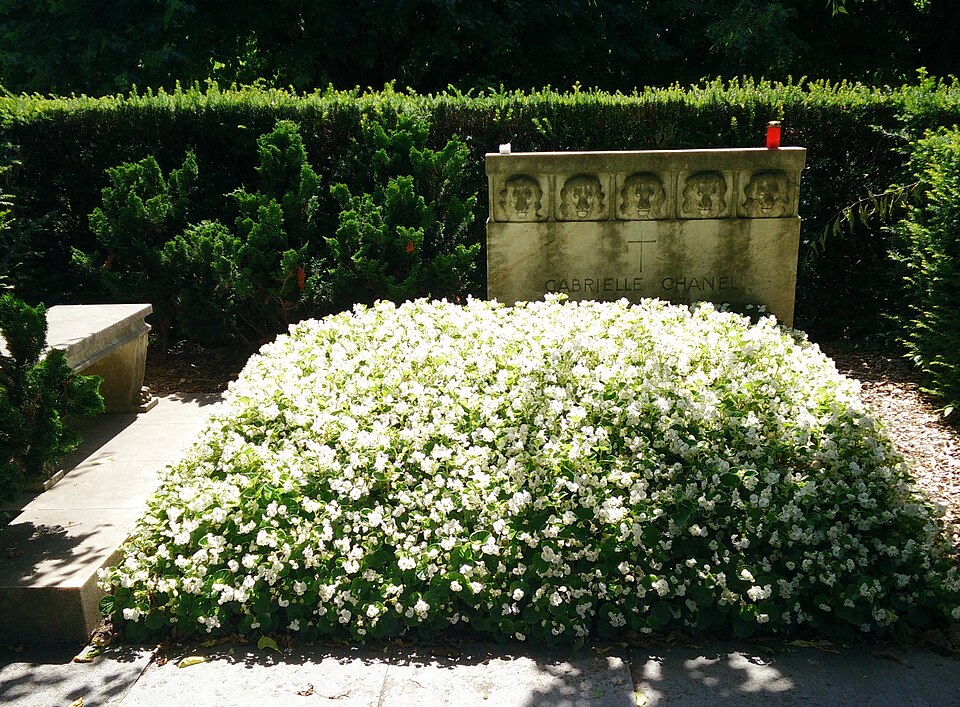
—What was your day like when you worked?
I got up late, around ten, in my room at the Ritz, and I crossed the street to my workshops. In the afternoon, the real work began. And listen: I never drew on paper! I worked directly on young women standing, live models. I had my scissors in hand, I cut, I pinned, I adjusted the fabric on their bodies for hours. Imagine a sculptor, but instead of stone, I had fabric and a living body. My premières d'atelier, my best seamstresses, helped me. I was tough, yes. But you don't make anything beautiful without demanding a lot.
I didn't draw my dresses: I sculpted them on a living body.
—Why did you cut directly on people instead of drawing?
Good question, my child! Because a drawing lies. On paper, everything is pretty; but a woman moves, walks, raises her arm. The fabric must follow her body, not a sketch. So I first made a toile — a trial version in cheap fabric — then I adjusted it on the model, again and again. I circled around her, my sewing scissors in hand. Sometimes I undid everything for a badly falling pleat. A sleeve, I could redo it ten times. You see, the secret of a beautiful jacket is that you never see the trouble it cost.
A drawing lies; only a moving body tells the truth of a garment.
—What is a "garçonne"? Does it mean a boy?
Almost! In the 1920s — they called them the Roaring Twenties — young women wanted to live differently. They cut their long hair very short, shortened their dresses, and adopted a straight, free look, a bit like boys'. They were called garçonnes (flappers). It was a little revolution! And guess what, at the same time, on the French Riviera, I started tanning in the sun. Before, an elegant lady had to have very white skin. I made golden skin fashionable. People laughed, danced, invented everything. It was a bold era, and I was part of it.
Cutting your hair, tanning in the sun: for us, it was inventing freedom.
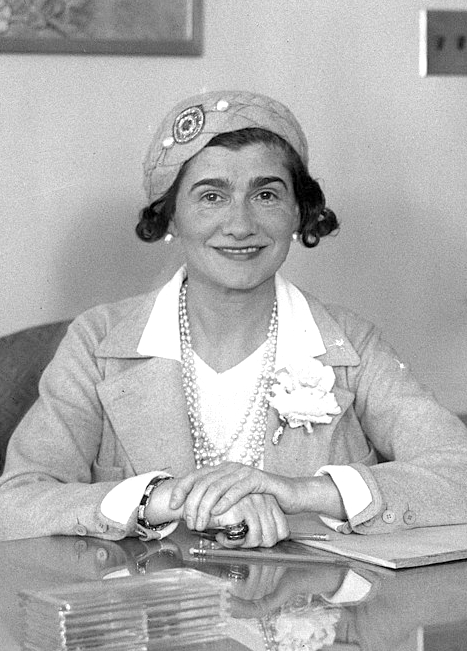
—Did you know famous artists?
Oh yes! In my villa on the Riviera, La Pausa, I hosted painters and musicians. The poet Cocteau, the painter Picasso, the composer Stravinsky came to my home. In 1924, I even designed the costumes for a ballet, Le Train bleu, staged by Diaghilev with a text by Cocteau. Imagine: dancers in beach and tennis outfits on stage! Fashion and art joining hands. I always loved being surrounded by people who create. They taught me things, and I taught them things. You never grow alone, you see.
You never grow alone: you always learn from other creators.
—Is it true you stopped everything during the war?
Yes. When World War II broke out, in 1939, I closed my fashion house. It was no longer time for dresses. For fifteen years, I created almost nothing. A long, long pause. Many thought Chanel was finished, an old story. You know, it's hard to be silent for so long when you've spent your life creating. But I kept one thing deep inside: the desire to start again. You can turn off a lamp without breaking the bulb. The light simply waits to be turned back on.
You can turn off a lamp without breaking the bulb.
—How old were you when you came back? Were you afraid?
I was 71, in 1954! An age when many people rest. And yes, my heart was tight. I presented my new tweed suit — a comfortable jacket and skirt, easy to wear. And then, disappointment: the Paris press mocked me. "The old lady is out of touch," they said. It hurt, I admit. But in America, women loved it! They understood that I was offering them clothes to live in, not to show off. Their enthusiasm relaunched me. The lesson? Never believe those who tell you it's too late.
Never believe those who tell you it's too late.
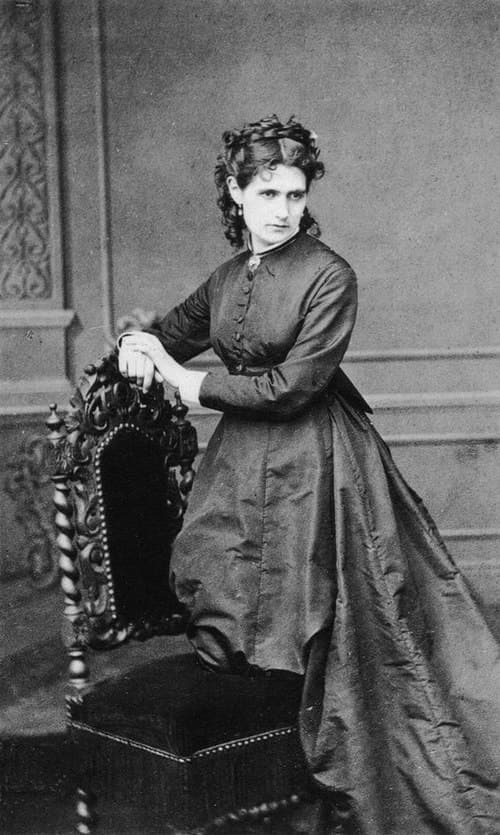
This imaginary interview was generated by artificial intelligence from sources documented in Coco Chanel's profile. It dramatises what the figure might have said based on what we know about them, but does not constitute attested historical testimony. For primary sources and factual documentation, refer to the full profile.