Imaginary dialogue between Marguerite Moreno and Colette
by Charactorium · Colette (1873 — 1954) · Literature · 5 min read
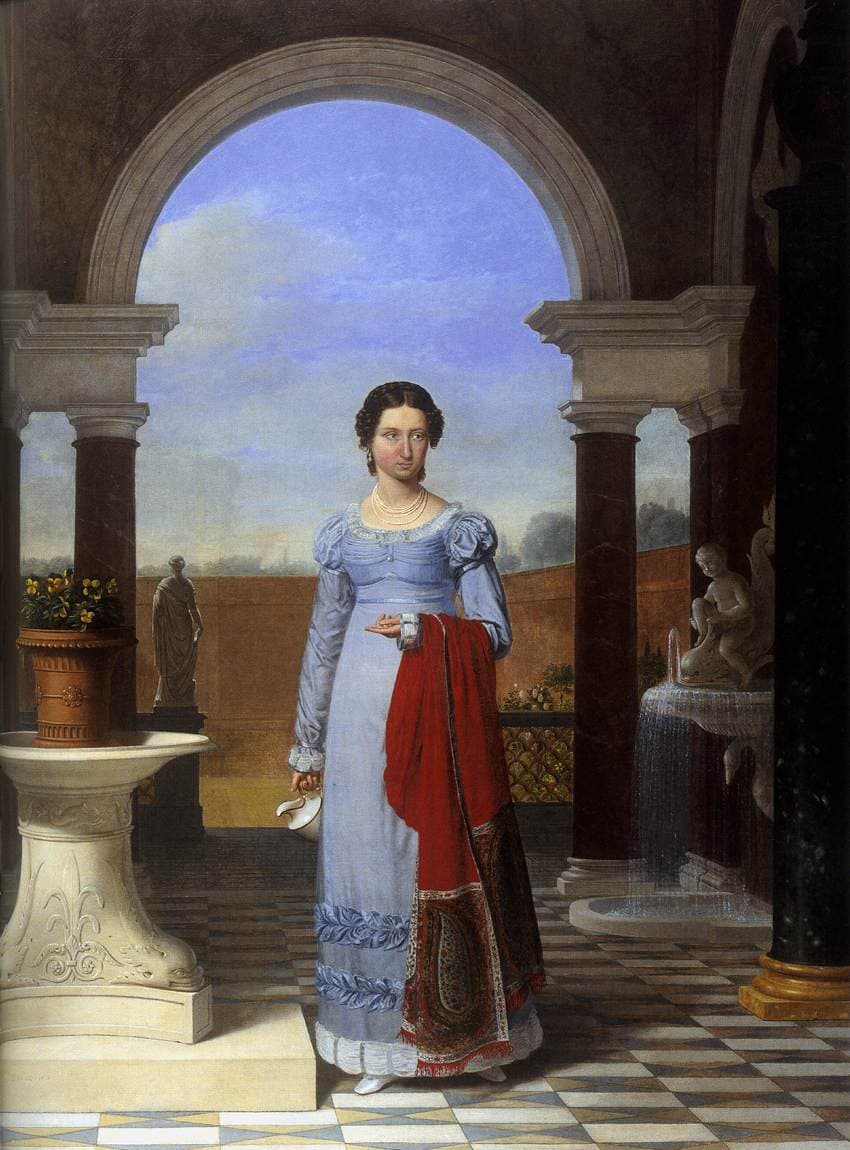
It is on a gray afternoon in 1950, in the apartment at the Palais-Royal, that Marguerite Moreno finds her friend settled on her divan-raft, a blanket over her knees and the blue paper within reach. The soft light of a lamp glides over the crystal paperweights that fill the room. They have known each other for so many years that no sentence needs to be finished between them. Marguerite has come, without a notebook or ceremony, to make Colette talk about the path she has traveled, from Willy to honors.
—My dear Colette, you who write to me today from your divan, do you remember the time of the Claudine novels, when the name Willy was displayed on the covers?
How could I forget, Marguerite? I wrote Claudine at School locked in a small room, and he pocketed the glory and the money. They said I was his ghostwriter — the word is ugly, but it rings true. I was twenty, I didn't yet know that those pages were mine. It took the separation, and that first signature alone at the bottom of The Vagabond in 1910, for me to finally feel under my pen a ground that did not give way. They called me a bluestocking, you know how that word hurt. But I understood then a simple thing: writing was not Willy's trade that I was doing — it was mine, which I was reclaiming.
Writing was not Willy's trade — it was mine, which I was reclaiming.
—When you finally signed with your own name, were you afraid that the public, used to Willy, would turn their backs on you?
Afraid, yes, a gut fear. Leaving a famous name for your own is like jumping off a moving train. But I was even more afraid of remaining someone else's shadow. The Vagabond told exactly that: a woman who earns her own bread, who refuses to be possessed. I wrote it while proving it to myself. The public followed me, more faithful than I had hoped. And then, you see, once you've tasted your own signature, you never trade that for tranquility again. Freedom costs dearly, but it is not returned.
Leaving a famous name for your own is like jumping off a moving train.
—You who told me about your evenings at the music hall, tell me: how did a novelist come to dance and mime on those Parisian stages?
Out of necessity, first, Marguerite — I had to eat after the divorce, and I had only my body and my courage. But what a discovery! The music hall taught me what no salon could have: healthy fatigue, backstage camaraderie, the smell of makeup and sweat. I mimed, danced, appeared half-naked, and I don't regret it for a second. They thought I was fallen; I felt alive. Those years of pantomime nourished The Vagabond better than any books. The theater gave me back what marriage had taken: the feeling of belonging to myself.
They thought I was fallen; I felt alive.
—And that famous evening in 1907 at the Moulin Rouge, that kiss with the marquise that made the audience howl — would you do it again, knowing the scandal?
Without hesitation. Dream of Egypt was performed only once, so much did the audience erupt — they whistled, threw objects, the police had to intervene. Missy was by my side, and we did what the show required. The press made it a state affair, as if a kiss could overthrow the Republic. I found that fury comical and a little sad. Two women were punished for having appeared to love each other in public. That night I learned that scandal is often just the fear of others shouting. I am not ashamed of having been that fear.
Scandal is often just the fear of others shouting.
—You always write on that blue paper I've known you with for so long. Tell me about Sido, about Burgundy, about everything your pen draws from there.
My mother, Marguerite, is the well I always go down to. My Mother's House, then Sido, I didn't write them, I exhaled them. I see Saint-Sauveur again, Sido's garden, her hands that couldn't see a flower without touching it or a fruit without biting it. She gave me eyes for the world, an appetite for smells, animals, light. On my blue paper, I think I find the sky of my childhood. Everything I truly know about the love of life, she taught me, without a lesson, just by living in front of me.
My mother is the well I always go down to.
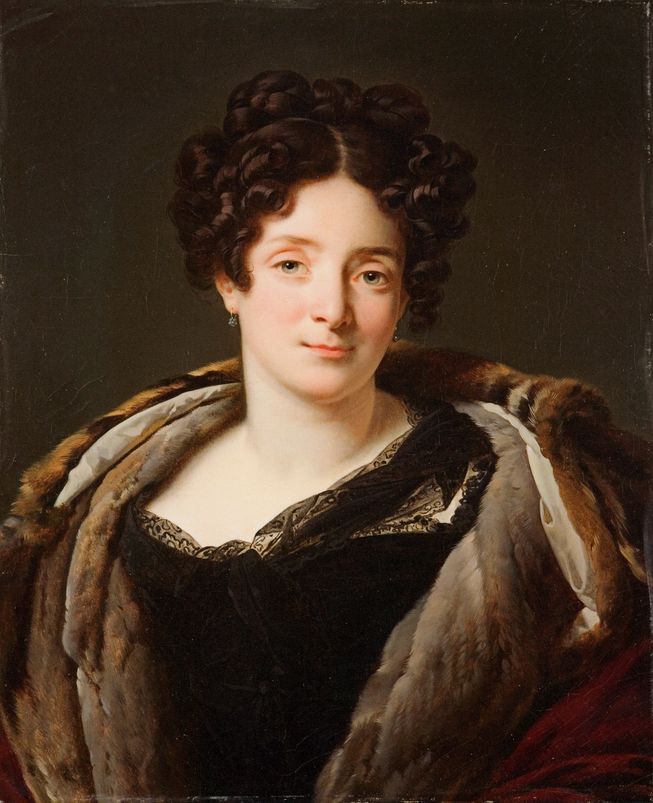
—You are now nailed to this divan by arthritis, as you wrote me in your last letter. How do you continue to write despite the pain?
You read it from my own words, so you know. I still write because it's the only thing I know how to do a little better each day, and because I cannot move from this divan where arthritis nails me. I have christened this piece of furniture my raft — it carries me on a motionless sea. The window gives me the Palais-Royal, the passersby, the changing sky. My body betrays me, but my eye remains greedy and my hand still obeys. Pain teaches patience, and patience, you see, strangely resembles happiness when you no longer expect anything but the right sentence.
I have christened this piece of furniture my raft — it carries me on a motionless sea.
—When you wrote Chéri, they say Proust and Gide praised you. What did you want to capture in that aging Léa and her young lover?
Time, Marguerite, nothing but time passing on women's flesh. Léa is a demi-mondaine in decline, and Chéri, his insolent beauty, his torment. I wanted to paint the moment when a mature woman understands she must give back the youth she held in her arms. That Gide wrote me his surprise, that Proust liked it, touched me more than I usually admit — these are men who do not distribute their praise lightly. I knew that world of the demi-mondaines of the Belle Époque, its splendors and cruelties. One only paints well what one has brushed up against closely.
One only paints well what one has brushed up against closely.
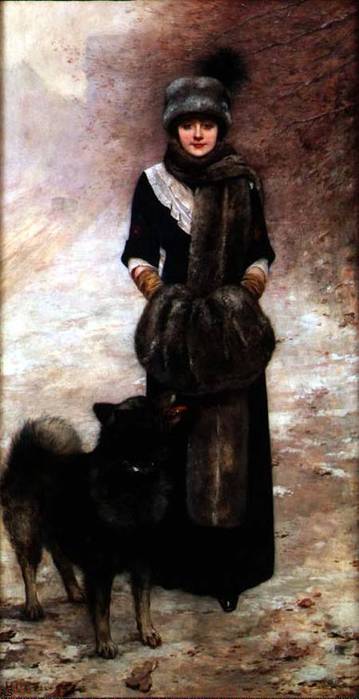
—And your Gigi, that little girl raised to become a courtesan who escapes — did you dream her as a revenge on that milieu you know?
A revenge, perhaps, but gentle, without bitterness. Gigi learns to choose good cigars and jewels, she is trained like a plant trained to climb a wall. And yet she prefers to be married rather than kept — she refuses the mapped-out destiny. I wrote her during the Occupation, in those dark years when one still had to believe in a bit of freshness. This little girl amused and consoled me. The milieu of demi-mondaines, I have described it enough to have the right to smile at it finally. Gigi is my way of saying that one can be born in a cage and invent wings for oneself.
One can be born in a cage and invent wings for oneself.
—You are now president of the Goncourt since 1949, the first woman in that seat. You who were called a bluestocking, what does this consecration taste like?
A strange taste, Marguerite, bittersweet. Imagine: the same woman who danced half-naked at the Moulin Rouge now presides over the most serious of literary academies. The little girl from Saint-Sauveur, Sido's daughter, at the head of those gentlemen. I don't begrudge my pleasure — it took a long time for a woman to sit there. But honors always make me smile a little; they arrive when you no longer need them so much, when the body falters. I would have preferred they gave them to me at thirty, when I was hungry. Today I receive them as one receives a beautiful autumn evening: grateful, and without illusion.
Honors arrive when you no longer need them so much, when the body falters.
—It is sometimes whispered that the Church looks unfavorably on your two divorces. Has this disapproval ever weighed on your heart?
Weighed? No, Marguerite, I never asked its permission to live. I loved, I was mistaken, I started again — two husbands left, and I do not disown any of those lives. If the Church judges me, let it judge; I believe in gardens, in animals, in the smell of rain on warm earth, in everything Sido showed me. That is my religion, and it has never refused me its sacraments. What matters to me is to have been free and to have written true. The rest, anathemas and pardons, I leave to those it concerns. I have better things to do: watch the light fall on the gardens.
I never asked anyone permission to live.
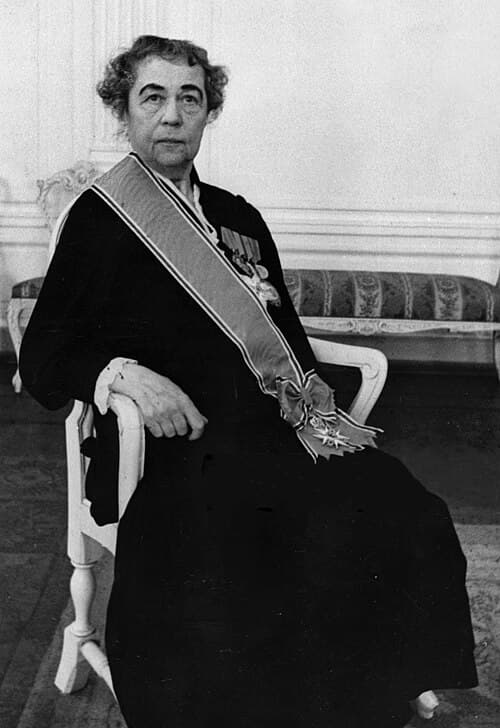
This imaginary interview was generated by artificial intelligence from sources documented in Colette's profile. It dramatises what the figure might have said based on what we know about them, but does not constitute attested historical testimony. For primary sources and factual documentation, refer to the full profile.