Imaginary interview with Colette
by Charactorium · Colette (1873 — 1954) · Literature · 6 min read
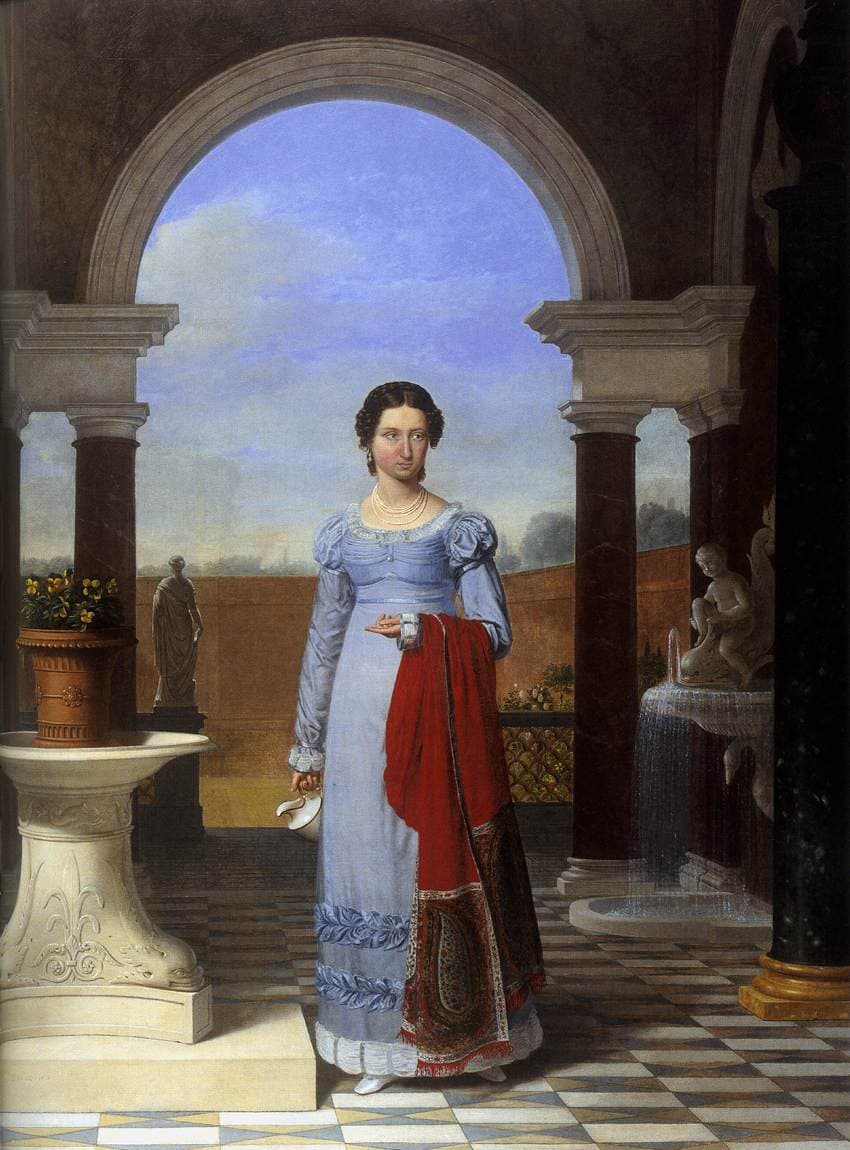
A gray afternoon in 1950, rue de Beaujolais. On the first floor of the Palais-Royal, an old woman with a mop of bluish hair receives from a wide sofa pushed against the window, a blanket over her knees and a cat curled against her hip. On the table, blue paper, a lamp with a low shade. She speaks slowly, with the relish of one who weighs each word like a fruit.
—Do you remember the childhood you spent in Burgundy?
I was born in Saint-Sauveur-en-Puisaye, in 1873, in a village house that a large garden extended on both sides, one sloping downward, the other climbing toward the sky. The morning belonged to sun-warmed currants; the afternoon, to sunken lanes where I would go alone, sometimes before dawn, to listen to the woods awaken. That is where I learned to touch the world before knowing how to name it: a fruit, an animal, a wet leaf against my cheek. I was allowed to run, and that freedom never closed up inside me. When I write today, it is always that childhood I draw up, like pulling a bucket from a cool well. My Mother's House is nothing but that: the memory of having once had a green kingdom and of having known it.
—How would you describe your mother, this Sido who haunts all your work?
My mother, I called her Sido, and it took me thirty years to understand that she was my true subject, the one standing behind all the others. Listen, I wrote her like this: “Sido, my mother, could not see a flower without touching it, nor a child without caressing it, nor a fruit without biting into it. She was prodigal with everything she owned.” She read the hour of a blossom in the sky, guessed the storm from the smell of the earth, spoke to animals as if to neighbors. She died in 1912, and I was not at her bedside: a fault that my writing has never ceased to repair since. Everything I know about freedom and attention to living things, it was that woman who gave it to me, without ever making a lesson of it.
—What did that 1893 marriage to Henry Gauthier-Villars mean to you?
At twenty, I left my province to marry Willy — Henry Gauthier-Villars — and Paris at the same time, both in a single dizziness. He was a witty man of letters, famous, who held a salon and ran other people's pens under his own name: a little book factory of which he was the sign. He locked me up, they say, so that I would write; above all, he locked me into a condition I only measured later. I had become his ghostwriter, the one who blackens paper in the shadows while another signs in the light. I loved this man and I feared him; he opened the cage of Paris and closed upon me that of his name. It took me years to understand that the two gestures were one and the same.
—How did you experience the success of the Claudine novels, signed by another name than yours?
Claudine at School appeared in 1900 under Willy's name alone, and all of Paris became infatuated with my little wild country girl. They sold Claudine collars, perfumes, Claudine cigarettes; my girl was everywhere, and not a line bore my own name. It took our separation, in 1906, for me to begin the long work of reclaiming what belonged to me — the paternity of my work, the word sounds wrong for a woman, let's say the maternity. The Vagabond was the first book signed Colette, and Colette alone. Many women after me had to wage that singular battle: not to write, they had always done that, but to finally obtain recognition that they had written.
The battle was not to write — they had always done that — but to finally obtain recognition that they had written.
—Why did you go on stage after your separation?
I had to live, and I had only my body and a half-confiscated name. The music hall took me as I was, without asking for my diplomas or my virtue. I danced, mimed, performed pantomime in smoky halls, from 1906 to 1912: icy dressing rooms, cracking makeup, the smell of hot dust that the spotlights raise. It was this life that gave me The Vagabond, that divorced woman who earns her bread on the stages and refuses to sell herself again to the first protector who comes along. I was never ashamed of those years. They taught me my own body, its fatigue, its joy, its limits; and a body that knows, believe me, a pen always ends up knowing it too.
A body that knows, a pen always ends up knowing it too.
—What would you say about the uproar caused at the Moulin Rouge in 1907?
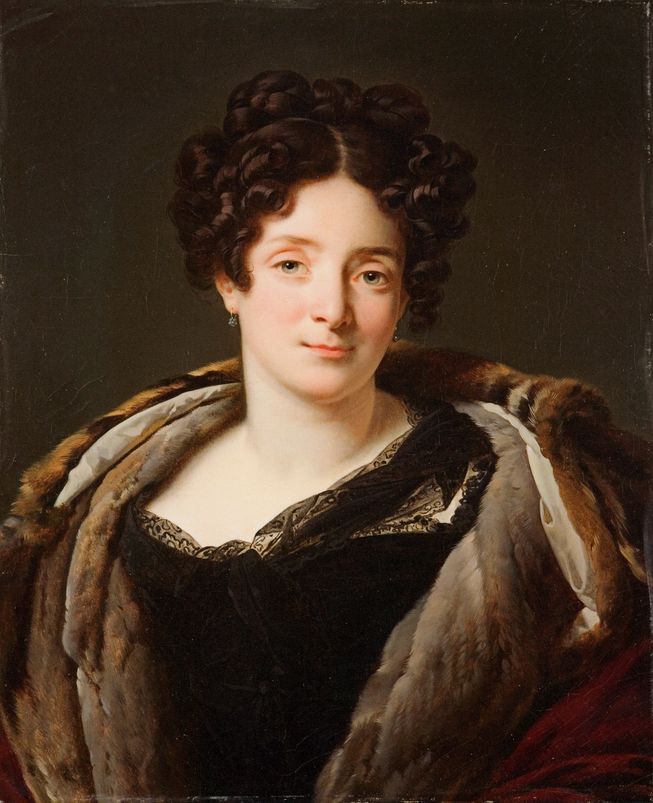
Dream of Egypt, January 1907, at the Moulin Rouge: a pantomime in which the Marquise de Belbeuf — Missy, dressed as a man — and I appeared. On stage, we exchanged a kiss, a real one, and the hall erupted: people shouted, threw objects, the police had to drop the curtain before the end. The press milked it for weeks of venom; the word bluestocking was still the kindest they addressed me. I laughed it off, or learned to laugh it off, which comes to the same thing when you mean to last. For what scandalized, deep down, was not a theatrical kiss: it was that a woman should dispose of herself, of her desire and her life, without asking anyone's permission.
—You very early adopted a look that defied conventions. What were you seeking?
I cut my hair short long before it became a fashion; they called me a garçonne years before the word was invented for the flappers of the Roaring Twenties. At the music hall, I wore light tunics, leotards; in town, trousers, men's jackets, sandals — anything that let the body breathe and the gesture be free. I never sought to shock for the mere pleasure of shocking; I sought ease, full possession of my movements, the same I had as a child on the paths of Puisaye. They wanted to read provocation into it: it was mostly common sense. Elegance, for me, was never an discomfort accepted out of submission to custom.
—Tell us about your way of working, that famous blue paper.
I write on blue paper, always, for so long that a white sheet would seem naked to me, almost hostile. A lamp with a low shade makes only a circle of warm light on the table, and the rest of the room fades into shadow, which suits me: you see better what you have inside when the outside goes dark. I write slowly, I cross out, I start a sentence ten times over to track not an idea but a sensation — the exact color of a fruit, the warm weight of an animal on my knees, almost always one of my cats, who weigh on my pages as much as on my heart. Writing is not for me a matter of the head: it is a skin, which feels before it understands.
Writing is not for me a matter of the head: it is a skin, which feels before it understands.
—Today, immobilized, how do you continue to work?
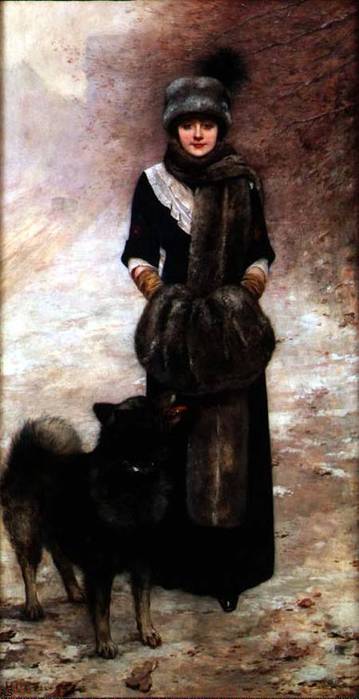
Arthritis has confined me. I hardly leave this sofa pushed against the window of the Palais-Royal, from where I see the gardens and the square of sky that serves as my walk. I call it my raft: you drift without moving, and some days it takes real courage not to sink with it. But my hand still holds the penholder. I wrote to my friend Marguerite Moreno this very simple thing: “I still write, because it is the only thing I know how to do a little better each day, and also because I cannot move from this sofa where arthritis pins me.” There: they have taken my legs, my travels, my nights; I have words left, and they suffice for me to live.
—In 1949, you became the first woman to preside over the Académie Goncourt. What does that mean to you?
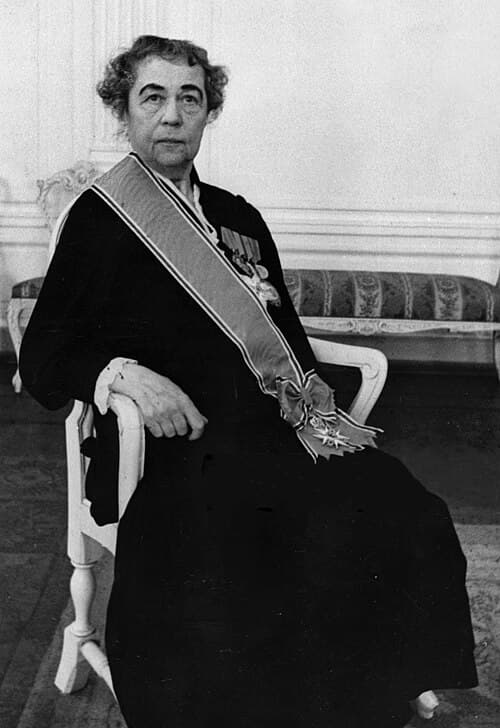
In 1949, my colleagues of the Académie Goncourt elected me to their presidency — the first woman to occupy that chair since the founding of the institution. Think of what that overturns: this society that each autumn crowns a novel and makes and unmakes reputations, now led by one they once called a mountebank and a bluestocking. I saw in it less an honor for my person alone than a door finally ajar for those who will come. They made me a knight of the Légion d'honneur in 1928, and that touched me; but to preside over the Goncourt, amid books and the living who write them, was worth more than a ribbon in the buttonhole. It was, for once, a seat at the table.
More than a ribbon in the buttonhole: for once, a seat at the table.
—Your two divorces earn you the Church's reluctance. How do you envision the idea of your own end?
I divorced twice, and I know what it costs me with the Church: if I were to die tomorrow, they would probably deny me prayers and consecrated ground. That hardly frightens me. I have lived according to my nature, without cheating, and I wrote in The Pure and the Impure: “These pleasures that one lightly calls physical… Only the animal is pure.” If I could imagine being read still in a century, I would want them to find not a scandalous woman, but a woman who looked at the world very closely, to the marrow of things. For the rest, let them leave me my lost garden of Puisaye and my cats: that is the only eternity I have ever truly desired.
This imaginary interview was generated by artificial intelligence from sources documented in Colette's profile. It dramatises what the figure might have said based on what we know about them, but does not constitute attested historical testimony. For primary sources and factual documentation, refer to the full profile.