Imaginary interview with Constantine I
by Charactorium · Constantine I (272 — 337) · Politics · 5 min read
The Great Palace of Constantinople, an evening in the year 336. From the imperial box, the murmur of the Hippodrome emptying can still be heard. The emperor Constantine, his diadem removed for the night, agrees to answer, his gaze turned toward the waters of the Bosphorus.
—Let's go back to the autumn of 312. What happened before the confrontation with Maxentius?
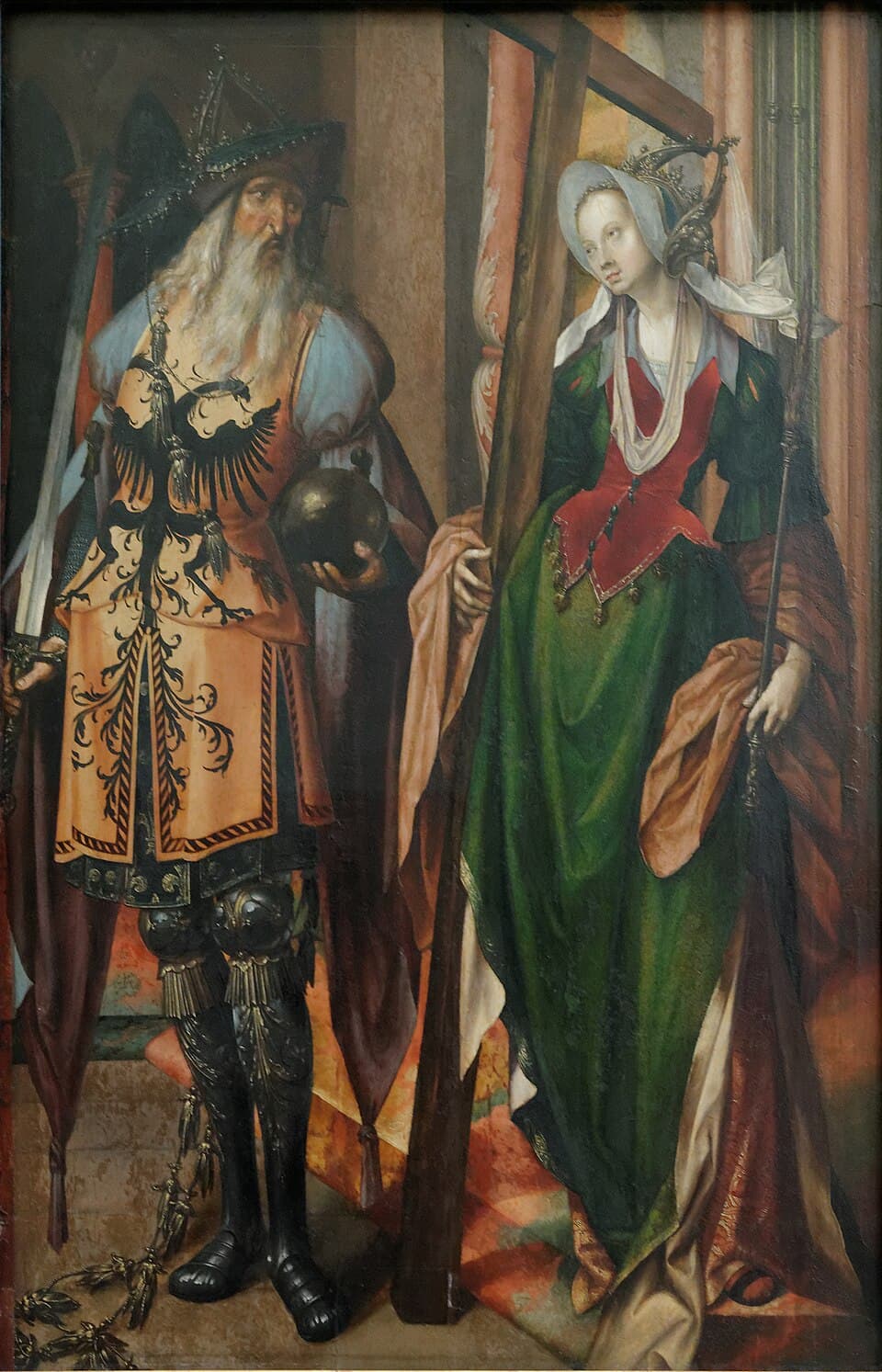
It was the autumn of 312. Maxentius held Rome, and my legions were fewer than his. One day, before the battle, I saw in the sky, above the sun, a sign of light in the shape of a cross — my soldiers saw it too, ask those who still live. That night, I received the order to mark this sign on their shields: the chi-rho, those two intertwined Greek letters that open the name of Christ. At dawn, near the Milvian Bridge, Maxentius fell into the Tiber with his guard. By this sign, you shall conquer: I did not read it in a book, I carried it on the standard. Since then, that labarum marches before my armies.
I did not read it in a book, I carried it on the standard.
—This vision is told in several ways. Which is yours?
My friend Lactantius, who tutored my son, says the command came to me in a dream, the night before: to mark on their shields the sign sent from heaven. Bishop Eusebius of Caesarea, who gathered my words much later, speaks of a trophy of light above the sun, and swears the whole army witnessed it. Both speak truly in their own way — a man marching into battle does not keep an exact count of his dreams and waking hours. What I know is that I changed the sign on my standards, and I conquered. The rest belongs to those who will write my history.
—Why leave Rome to build a new city at Byzantium?
Rome stifled me. Too many temples, too many senators jealous of their ancestors, and the Tiber facing west when the Empire already breathed toward the East. I sought a new city and found it at Byzantium, on that promontory where two seas meet. From 324 to 330, I designed there a senate, a hippodrome, forums, churches. I wanted my palace attached to the race box, so one could pass from the throne to the Hippodrome without touching the street. They named it after me, and I swore no city would be compared to it. I built it not for my reign, but so it would last long after my ashes had fallen silent.
—The Greek cities accused you of plundering their sanctuaries. What do you say to them?
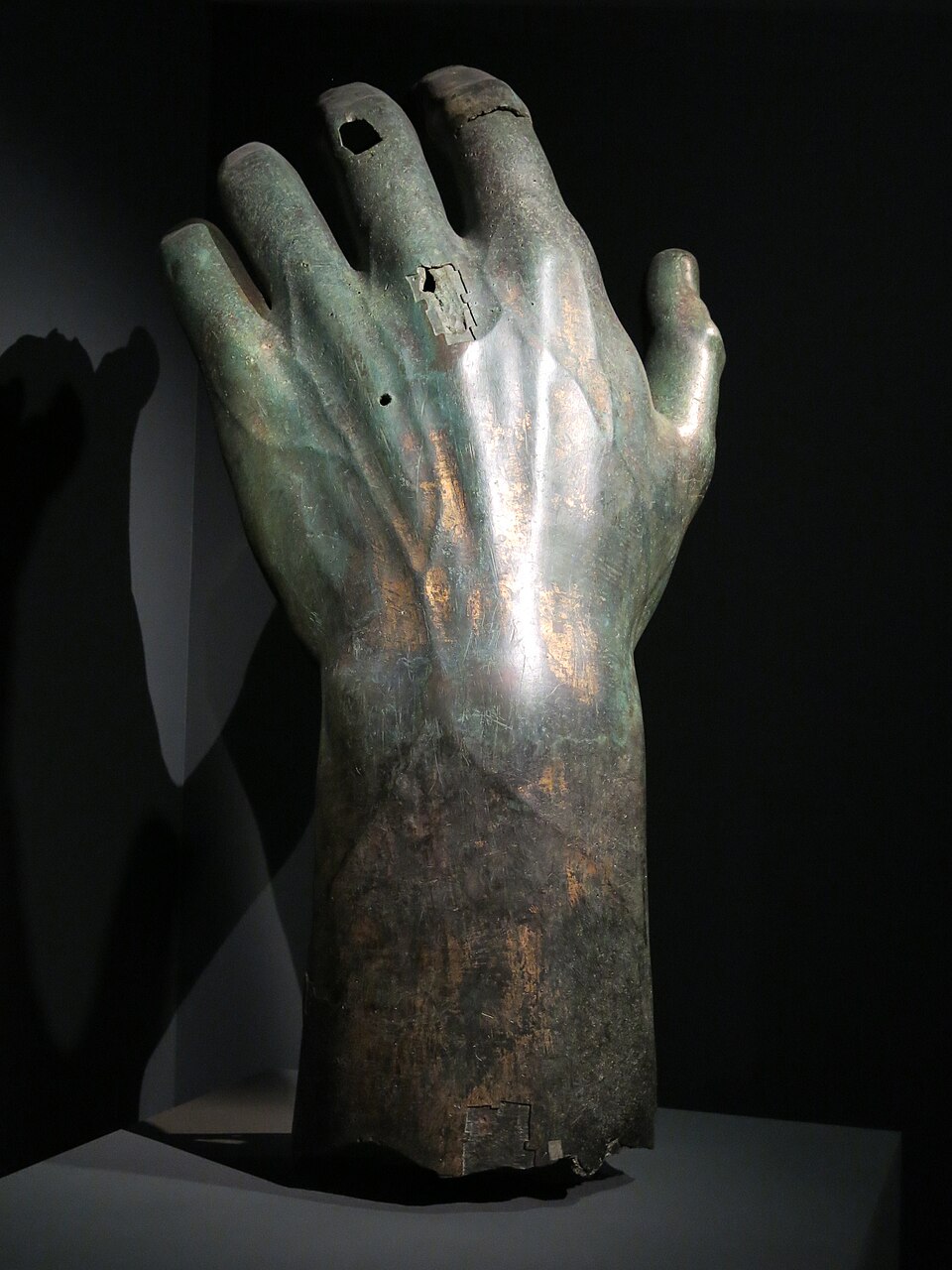
A city is not born naked. To adorn Constantinople, I sent my men throughout Greece and Asia: they brought me statues, columns, tripods torn from old sanctuaries. The cities cried that they were being stripped of their gods — and it is true, I emptied temples to adorn my forums. But what use were those bronzes, except to sleep in the shadow of altars that no one anymore sprinkled with blood? I gave them back the daylight, along my squares. Let the priests of the old world lament: their idols now adorn a Christian city, and that, in my eyes, is their finest end.
—In 325, you gathered the bishops at Nicaea. What did you expect from them?
In 325, the Church was tearing itself apart over a question: is the Son equal to the Father, or His creature? A priest of Alexandria, Arius, held Him to be created, and half the East rallied behind him. I was not about to let my house split when I had barely reunited it after my victory over Licinius. I summoned the bishops to Nicaea, fed them, housed them, listened to them. I, who am only a layman, sat among them so they could decide. They wrote a Creed, they named Arianism a heresy. The concord of the Empire was worth the emperor acting as doorkeeper of a council.
—It is surprising that the protector of Christians kept the title of high priest of the gods of Rome.
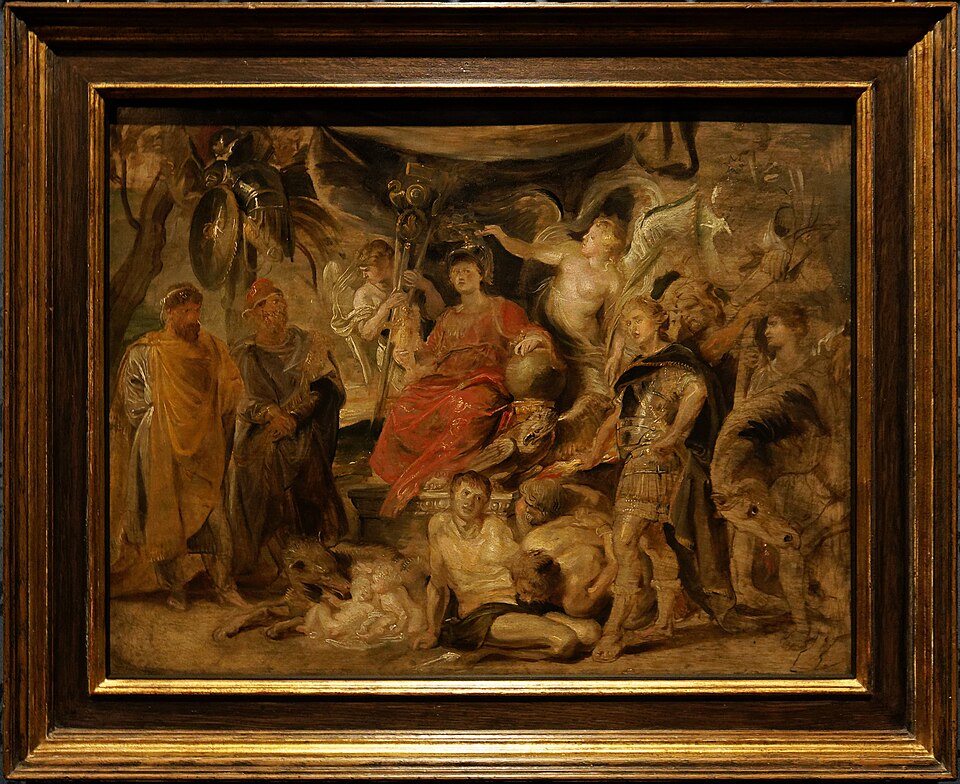
It surprises, but I see no contradiction. I bear the title of pontifex maximus because an emperor does not tear his fathers' mantle in one stroke: Rome was born of its gods, and too many of my subjects still burn incense to them. As early as 314, I had gathered the bishops at Arles to calm the Donatism, that African schism where they argued whether a priest who wavered during persecution kept his powers. I settle the quarrels of Christians, but I also hold the staff of the ancient cults. The new faith will win by light, not by tearing away. My time was one of passage, not of rupture.
—You changed even the emperor's bearing. Why all this pomp?
Because a master who can be touched is no longer a master. My predecessors showed themselves as Augustus crowned with a simple laurel, like a general on the evening of a triumph. I permanently wear the diadem set with gems and the purple fastened at the shoulder, and no one else has the right to that murex color on pain of law. When I receive, my advisors stand in the consistorium while I sit alone, elevated. This is not vanity: whoever wants a man to be obeyed like an order from heaven must surround him with gold and silence. I made the emperor an image to be venerated before even being heard.
—Beyond symbols, how does one hold such a vast empire?
An empire is also held by its coinage. When I took power, Roman gold had shrunk from fraud to fraud, and no one believed in it anymore. Around 309, I struck the solidus, a gold coin of proper weight, minted seventy-two to the pound, which no one could clip without being noticed. On one side, my profile crowned with the diadem: a stable face for a stable value. The merchants of the Propontis, the soldiers on my frontiers, all found a common measure. They call me builder of churches and founder of cities; I hold equally to this little piece of gold which, I believe, will travel farther than my legions.
—There is a silence in your reign: the death of your son Crispus, then that of your wife Fausta. What can you say about it?
You touch where the purple covers nothing. Crispus was my eldest, my best captain on the Rhine — and in 326, I had him put to death. Shortly after, Fausta, my wife, died locked in the heat of a bath. It is whispered that she had accused Crispus, and that she paid for her accusation with her life. I will not unfold to you what I believed, what I feared, what was whispered in my ear. An emperor who errs concerning his own errs only once, and blood cannot be poured back into veins. I built many basilicas after that; some saw a man seeking to wash something away. Let them think it.
There are nights that no labarum illuminates.
—You waited until the very end to receive baptism. Why so late?
Because the water of baptism washes only once, and an emperor's hands are too full to wash early. All my life I governed, judged, condemned, waged war — a man burdened with the Empire cannot remain spotless. I wanted to keep that pure bath for the end, when I would have nothing left to soil. In 337, at Nicomedia, feeling the end approach, I stripped off the purple and received the water from the hands of Bishop Eusebius. I had kept until then the title of pontifex maximus; I left it white, as a simple believer. They will marvel that I waited so long. But I never believed in ruptures.
I spent my life sliding a world from one god to another, without breaking it.
This imaginary interview was generated by artificial intelligence from sources documented in Constantine I's profile. It dramatises what the figure might have said based on what we know about them, but does not constitute attested historical testimony. For primary sources and factual documentation, refer to the full profile.