Imaginary dialogue between Camille Desmoulins and Danton
by Charactorium · Danton (1759 — 1794) · Politics · 5 min read
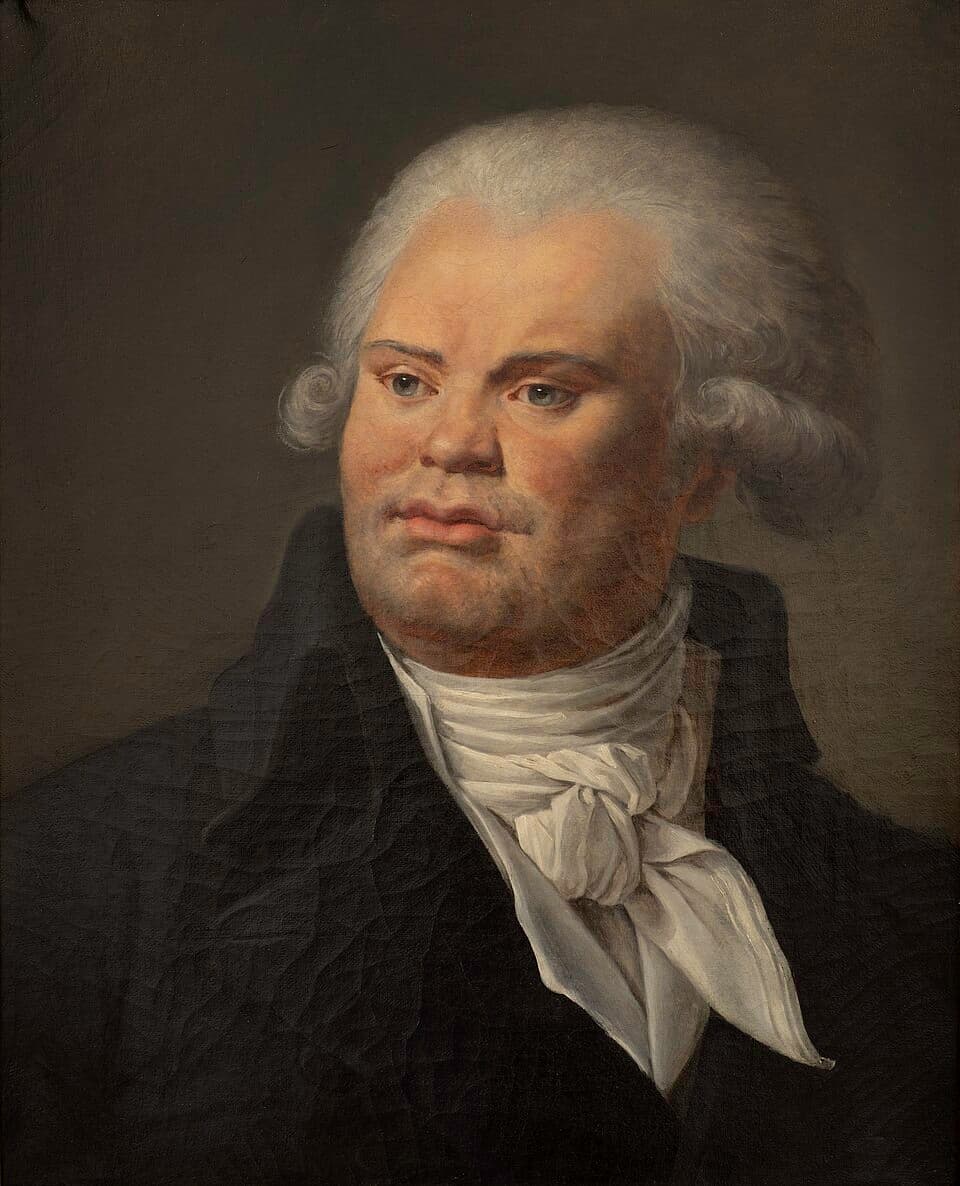
It is in the apartment on the cour du Commerce-Saint-André, on a freezing evening in January 1794, that Camille Desmoulins meets his old comrade. A log crackles, a glass of Champagne glistens on the table cluttered with proofs of Le Vieux Cordelier. They have known each other since the early days of the Cordeliers, shouted together against tyranny, and tonight Camille comes to find the man behind the tribune, while the Terror rumbles outside.
—Georges, I was there on September 2, 1792, when the Prussians were marching on Paris. Where did that cry of audacity come from?
You who were in the hall, Camille, know I had prepared nothing. Fear was everywhere: the enemy at Verdun, traitors behind us, and the Assembly trembling. I felt we had to cast fear out like a sick animal. I said we need audacity, more audacity, always audacity, and that France would be saved. It was not rhetoric; it was an order I gave myself. A few weeks later, Valmy proved us right. I never believed in speeches that lull; I believe in those that put a gun in your hands and fire in your belly.
I never believed in speeches that lull, but in those that put fire in your belly.
—Last March, you wanted this Revolutionary Tribunal. Do you not fear today that you have forged too sharp a weapon?
I said then we must be terrible so that the people need not be — that was true in the blood of September, when massacres stained the prisons. I wanted a justice that replaces the riot, a sword of the state rather than a thousand knives in the street. But a weapon, my friend, has no soul: it obeys the hand that wields it. Today that hand is no longer mine, and I see well what is done with it. They strike for striking's sake, they confuse suspicion with proof. If I have sinned, it is in believing that an instrument would remain wise because I had willed it wise. The Revolution quickly devours those who gave it teeth.
A weapon has no soul: it obeys the hand that wields it.
—You know what I risk with my newspaper. Why did you push me to call for clemency in the midst of the Terror?
Because your Vieux Cordelier says aloud what many think in whispers, Camille, and someone mad and tender enough had to write it. The Republic did not conquer Valmy and Toulon to end in a slaughterhouse. The people are weary; you cannot long govern men who fear their own shadow. I wanted the prisons opened to the innocent, justice made less greedy. They call us Indulgents as an insult: I hold clemency as the last courage of the strong. Believe me, it is easier to sign heads than to save one. But I know this path puts us both in danger.
Clemency is the last courage of the strong; signing heads is easier than saving one.
—Between us, do you fear an open break with Robespierre? Yet you were both Montagnards on the same benches.
Maximilien and I fought side by side against the Girondins, and I still hold esteem for him, do not think otherwise. But we are not made of the same wood. He believes you make men virtuous through laws and suspicion; I believe you set them free and they become better by breathing. He has the Republic in his head, I have it in my blood. I do not want a break; I want us to stop before the abyss. If I must choose between endless Terror and the risk of displeasing, you know me: I prefer to displease. It remains to be seen whether I will still be allowed to mount the rostrum to say so.
He has the Republic in his head, I have it in my blood.
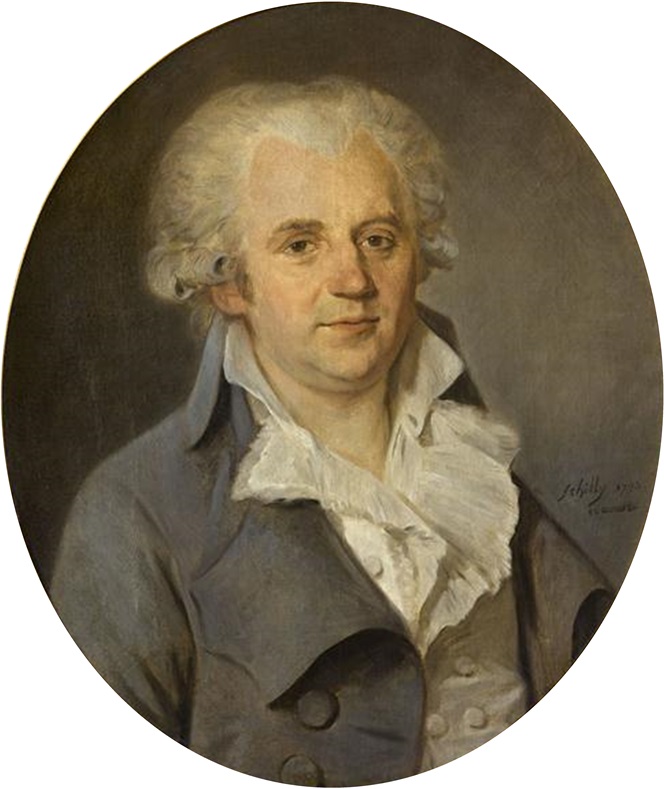
—You've always been mocked for your face. Where do those scars that pamphlets love to caricature come from?
Ah, my poor mug! As a child in Arcis-sur-Aube, a bull gored my lip, pigs trampled my face, and I nearly drowned on top of that. The Champagne countryside did not make me handsome; it made me tough. My enemies see a brute's mask; I see the mark of a boy who never stayed sheltered. In truth, this face has served me: they listen not for my prettiness, but because my voice comes from a mouth that has known beasts and mud. A too-smooth orator, the people distrust him. Me, they see that I come from their own.
The countryside did not make me handsome; it made me tough.
—When you withdrew to Arcis last autumn, after Gabrielle's death, what did you seek there far from Paris?
I went to seek the earth, Camille, the real one, that does not lie. In Paris you dine on plots; there you dine on bread, cheese, and a wine that smells of my youth. I needed to walk in my fields, see the Aube flow again, hold my sons close away from the din of the tribunes. With Gabrielle gone, I thought for a moment to abandon everything, live simply, fat and happy. Then Louise came, young as spring, and life resumed despite me. But do not be mistaken: you no more leave the Revolution than you leave a table. It called me back. One always returns where one lit the fire.
In Paris you dine on plots; in Arcis you dine on bread, cheese, and a wine that smells of my youth.
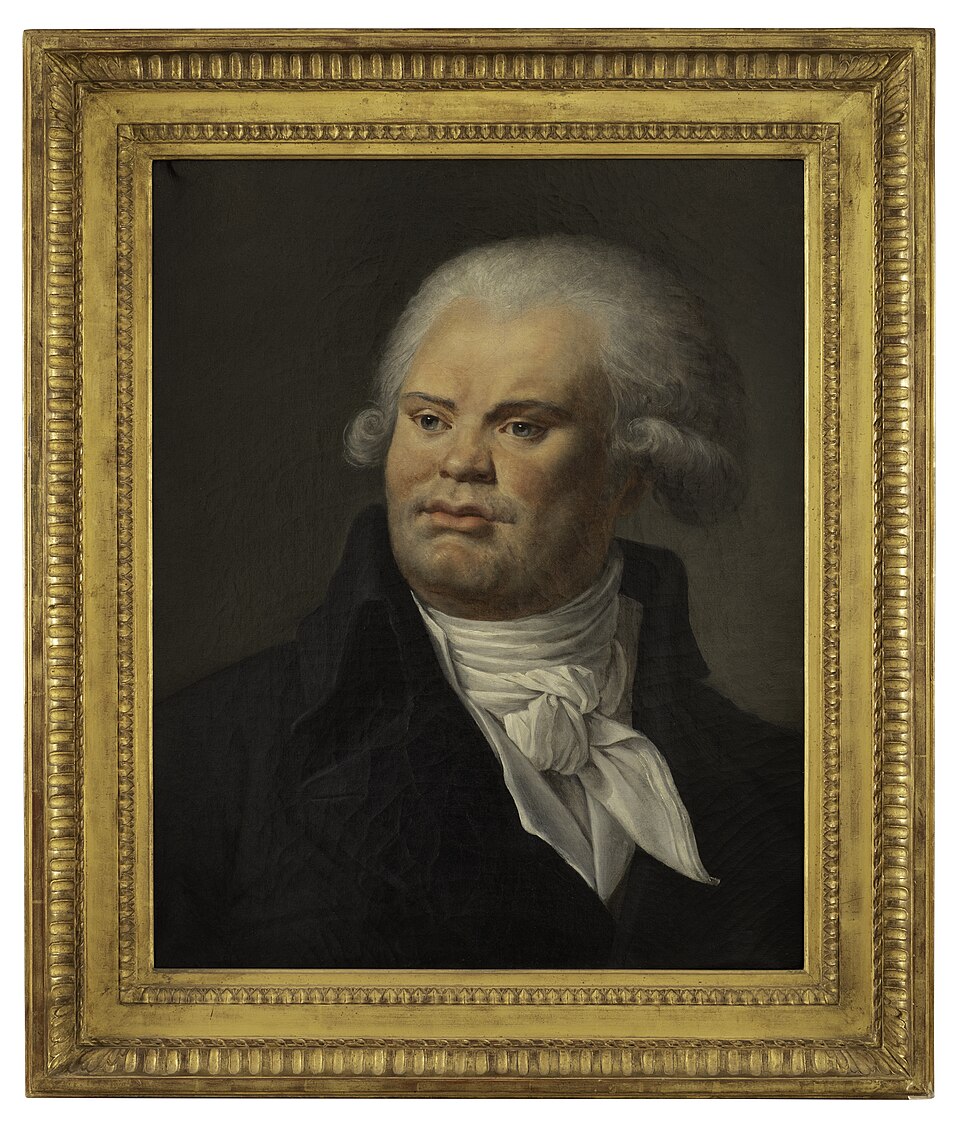
—You who have seen so many men mount the scaffold, tell me true: does death on the Place de la Révolution frighten you?
Death? I rubbed shoulders with it too early to fear it like a child fears the dark. What grips my heart is not the blade, but leaving the table before the meal's end, leaving Louise and the little ones, leaving you. But look: a man who shouted audacity before all Europe cannot tremble before a blade. If I must be led there, I want to go with head held high, without giving the onlookers the pleasure of seeing me blanch. Courage, you see, is not avoiding death; it is dying without renouncing what you have been. The rest is the executioner's work.
Courage is not avoiding death; it is dying without renouncing what you have been.
—And your name, Georges, after us? Do you care what the future will say of Danton?
I care as one cares for a child he will not see grow up. They will reproach me my audacities, my rages, perhaps my taste for money and good food — let them reproach me, I never played the saint. But let them not forget that on the day Paris was about to fall, it was I who said to hold firm. I prefer a stormy memory to a bland reputation. If my head must fall one day, well, let them show it: it was full, alive, and this battered face will still be worth the trouble. Nothingness will take my body, Camille, but not quite my name.
I prefer a stormy memory to a bland reputation.
—One last thing, my friend: if you were dragged before that Tribunal you founded, how would you defend yourself?
I would not plead like an accused; I would thunder like an accuser. You have heard me at the rostrum: my voice carries to the Seine quays when anger takes me. I would tell them who I am, what I have done for the Republic in days when others hid. They might oppose me with their decrees and clerks, but I would force them to listen, or they would have to tear the word from me by force to silence me. For that is their weakness, you see: they can cut off heads, but they do not know how to answer. A man who is not afraid to die is the most dangerous orator in the world.
They can cut off heads, but they do not know how to answer.
Read further
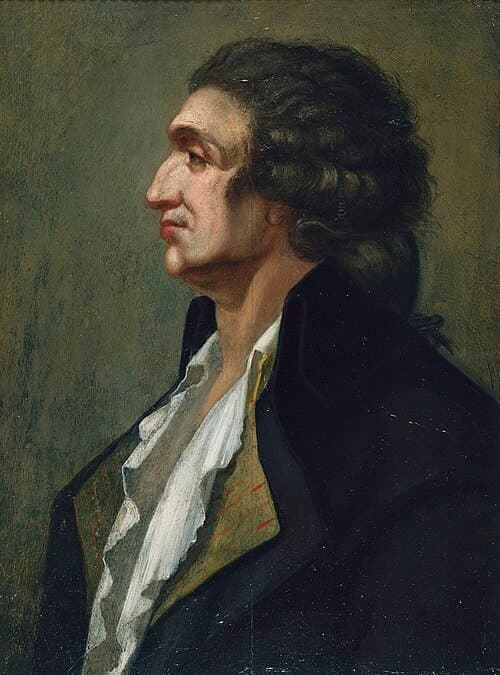
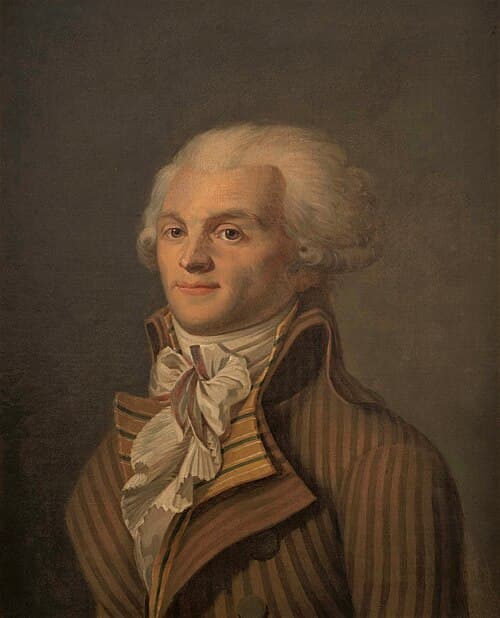
This imaginary interview was generated by artificial intelligence from sources documented in Danton's profile. It dramatises what the figure might have said based on what we know about them, but does not constitute attested historical testimony. For primary sources and factual documentation, refer to the full profile.