Imaginary dialogue between Cocalos, roi de Sicile and Daedalus and Icarus
by Charactorium · Daedalus and Icarus · Mythology · 5 min read
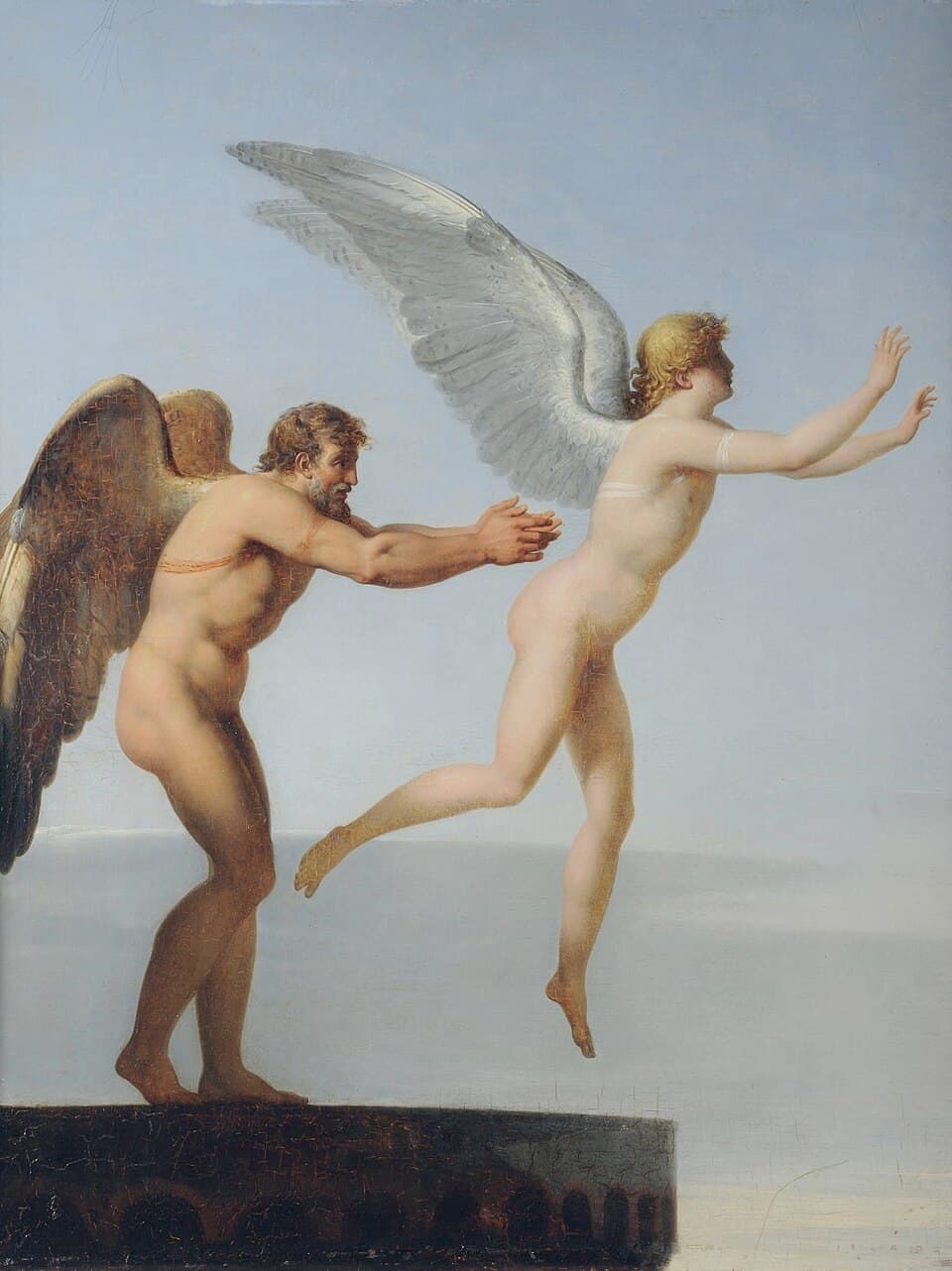
It is in the fortified courtyard of Camicos, on the heights of Sicily, that Cocalus finds Daedalus one evening when the wind carries the smell of molten bronze from the workshop he had set up for his guest. The craftsman arrived recently, bent by grief, after the sea had swallowed his son Icarus. The king who took him in knows the value of his hands — and the depth of his pain. He comes to sit beside him, not as a sovereign, but as a friend who wants to hear the man behind the wonders.
—Daedalus, when my fishermen pulled you from the shore and brought you before me, you no longer spoke. What did you hope to find on my lands?
You who opened your door to me without asking anything, Cocalus, I hoped for nothing more than an end to the flight. I had left Athens long ago, then Crete, where Minos held me prisoner of the very work I had built. When I set foot on your Sicily, I still carried the salt of the sea where my boy had drowned. You offered me a workshop, metal, fire — and the silence I needed. A man who has lost everything no longer seeks glory, only a corner of land where his hands can still be of use. You gave me that, and I will not forget it.
A man who has lost everything no longer seeks glory, only a corner of land where his hands can serve.
—Whispers in my palace say you built in Crete a prison from which no one returns. Tell me: what did you really build for Minos?
I raised the Labyrinth, a dwelling of corridors that cross and fold back endlessly, designed so that one would be lost forever. Minos wanted to imprison the Minotaur, that creature half-man half-bull born from the shame of his house. I traced the passages so narrow, so deceptive, that the exit eluded even the one who had drawn it. I confess to you, Cocalus: I, the architect, had to count my steps not to remain trapped there. It was my masterpiece and my curse — for a work too perfect eventually turns against its master. That wall without exit later became my own cell.
I, the architect, had to count my steps not to remain trapped in my own work.
—I have seen your statues move their limbs as if alive. Is it true that your art borders on the miraculous, even the magic of the gods?
People say magic because they do not see the gears. My statues, I made them of gold and bronze, and I fitted them with joints so fine that they seemed to breathe; people swore they would walk off their pedestals. I forged automata that imitate human gestures. And yes, I also served Queen Pasiphaë when she was seized by an unnatural desire: I built her a hollow wooden heifer into which she could slip. A shameful work, perhaps, but the craftsman obeys the client. The whole difficulty of my art, Cocalus, lies there: to give dead things the appearance of life, without ever giving them a soul — for that, only the gods can do.
To give dead things the appearance of life, without ever giving them a soul — that, only the gods can do.
—To escape the island where Minos held you, it is said you invented an art that no man had dared. How did you escape?
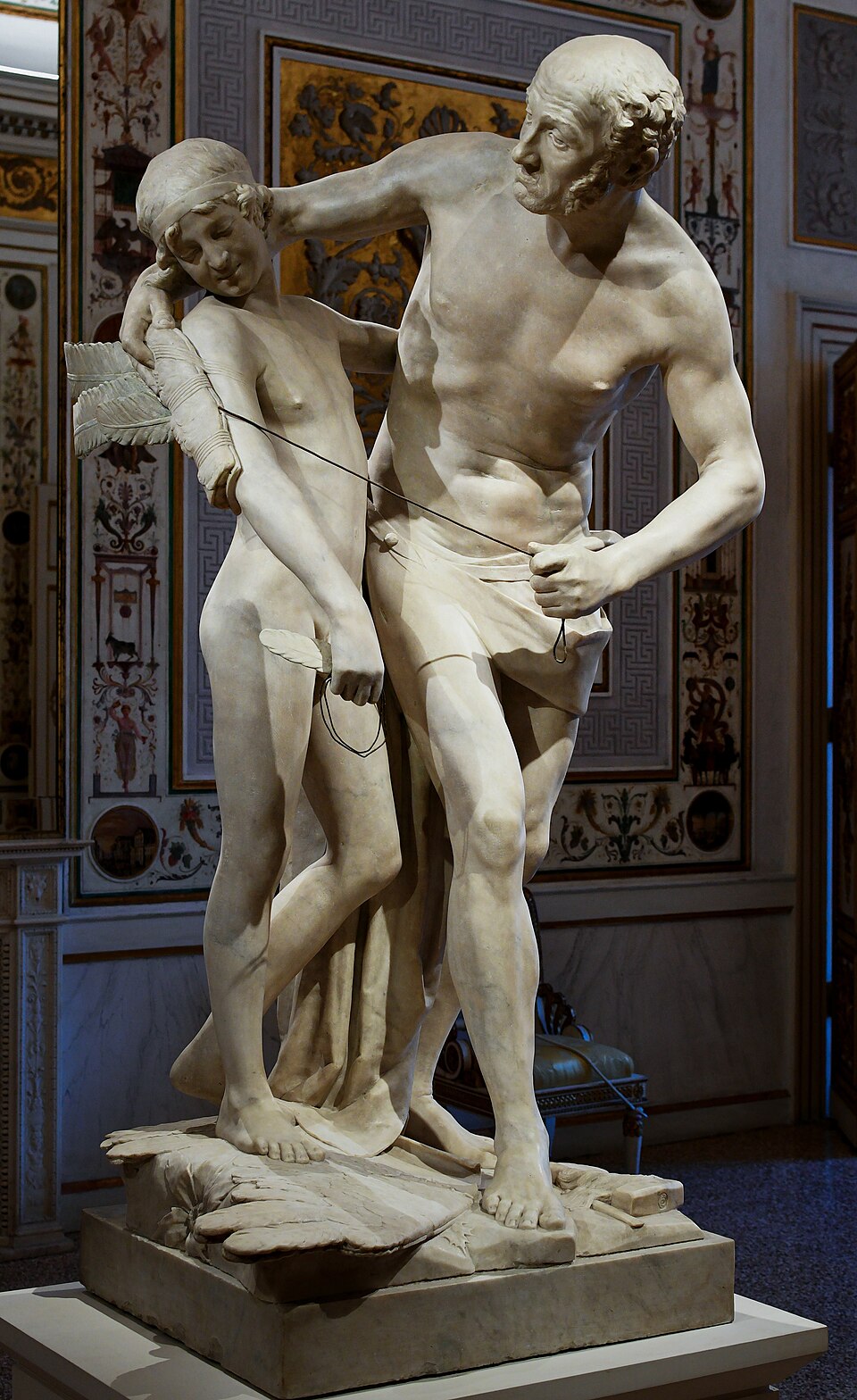
Minos ruled all the sea routes and searched every ship. But he could not close the sky. That is where I sought my way. I gathered bird feathers, from the largest to the smallest, arranged them in the order nature gives wings, and bound them with linen and beeswax. Two pairs: one for me, one for my Icarus. When I saw them take the air, I believed for a moment I was the equal of a bird. But a father's joy is always mixed with fear: as I equipped my son, my hands trembled, and my eyes grew wet without yet knowing why.
Minos ruled all the sea routes, but he could not close the sky.
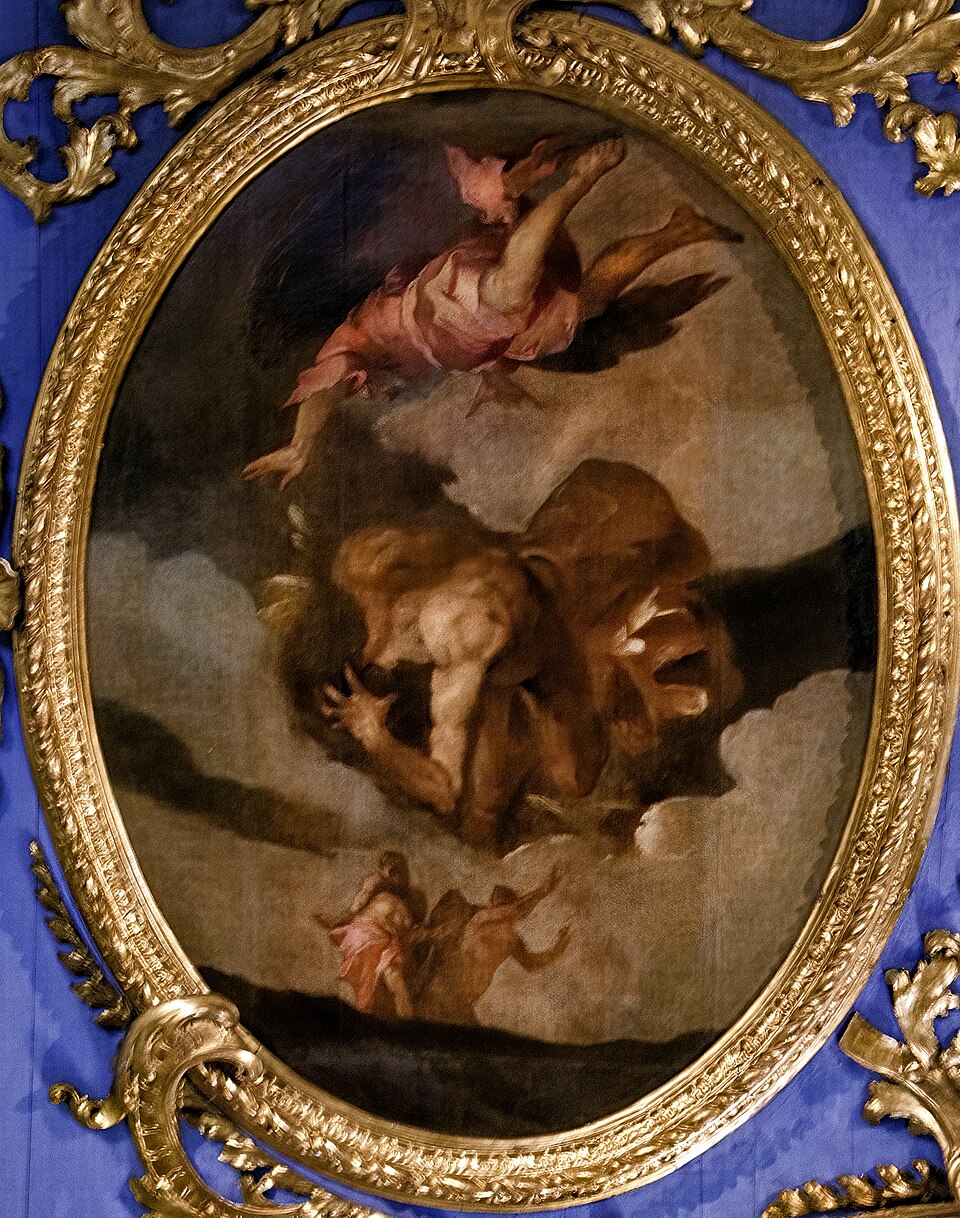
—Forgive me for stirring your wound, my friend. Before the flight, what did you say to your child? And what happened up there?
I had warned him, Cocalus, as a father warns. Do not fly too low, I told him, the sea foam will weigh down your feathers; do not fly too high, the sun's heat will melt the wax that holds them. Keep the middle, follow my wake. And we set off. But the boy, exhilarated by flight, drunk with that freedom no mortal had tasted, forgot my voice. He rose, rose higher, toward the burning star. The wax ran, the feathers came loose, and he flailed his bare arms in the void before falling into the waves. I cried his name over a sea that now carried only feathers. Hybris, the pride of flying too high, took my son.
I cried his name over a sea that now carried only feathers.
—Already my bards sing of your flight and your son's fall at feasts. Does that soothe you, or revive your pain?
Singers work in their own way as I do in mine: they take a grief and turn it into a tale passed from mouth to mouth. I hear, in your hall at evening, how the story already swells, how it travels from Cretan sailors to your Sicilian shores. It troubles me, I admit. They remember the wonder of the wings, the genius of the craftsman — but they forget there was a living child who laughed as he flapped his arms. If my name is to endure, Cocalus, let his endure with it. Let that sea where he fell bear his name, Icarus, so that sailors, crossing it, remember that one does not defy the sun with impunity.
They remember the genius of the craftsman, but they forget there was a child who laughed as he flapped his arms.
—Before your flight, it is said a young girl used your knowledge to defeat the monster of the Labyrinth. What role did you play?
You speak of Ariadne, the daughter of Minos. The hero Theseus had come from Athens, my homeland, to face the Minotaur in the heart of my Labyrinth. Now I knew better than anyone that one does not escape it by strength or courage: only a thread unwound from the entrance could lead a man back to the light. That is the advice I whispered to Ariadne, and that thread saved Theseus. You understand why Minos fell into such rage against me: I had turned my own masterpiece against its master. The genius who had sealed the prison had given away the key. From that day, I myself became the prisoner of the work I had conceived.
The genius who had sealed the prison had given away the key.
—You know Minos pursues you even here and demands your head. Under my roof, do you still fear his vengeance, you who are my guest?
Under your roof, Cocalus, I fear less. You have sworn me protection, and I know the cunning of your daughters, who watch over me as over a marvel. Minos came, yes, disguising his hunt with a riddle: to pass a thread through a spiral shell, a challenge he thought unsolvable. But such problems are my daily bread — I tied the thread to an ant and let it cross the shell. By unmasking me thus, Minos sealed his doom: your daughters welcomed him as a guest, then had him killed in the boiling water of his bath. I owe you life twice: for the shelter, and for letting your children defend me.
Minos thought to trap me with a riddle; he only sealed his own doom.
—If the gods offered you to take up your wings once more, would you cross the sea again, or would you break them with your own hands?
That is a question only a friend could dare, Cocalus. For a long time I would have answered without hesitation that I would fly again, for the sky remains my finest conquest. Today, my hand hesitates over those wings. They gave me freedom, but they took my son; the invention that saved me is also the one that killed him. I think I would not break them — a craftsman does not destroy what his hands have fathered — but I would never put them on again. I would keep them as one keeps a tomb: to remember, every day, that the man who would rise too high must fear his own successes. That is the lesson the sea taught me, and which I now carry in silence.
The invention that saved me is also the one that killed him.
This imaginary interview was generated by artificial intelligence from sources documented in Daedalus and Icarus's profile. It dramatises what the figure might have said based on what we know about them, but does not constitute attested historical testimony. For primary sources and factual documentation, refer to the full profile.