Imaginary interview with Daedalus and Icarus
by Charactorium · Daedalus and Icarus · Mythology · 6 min read
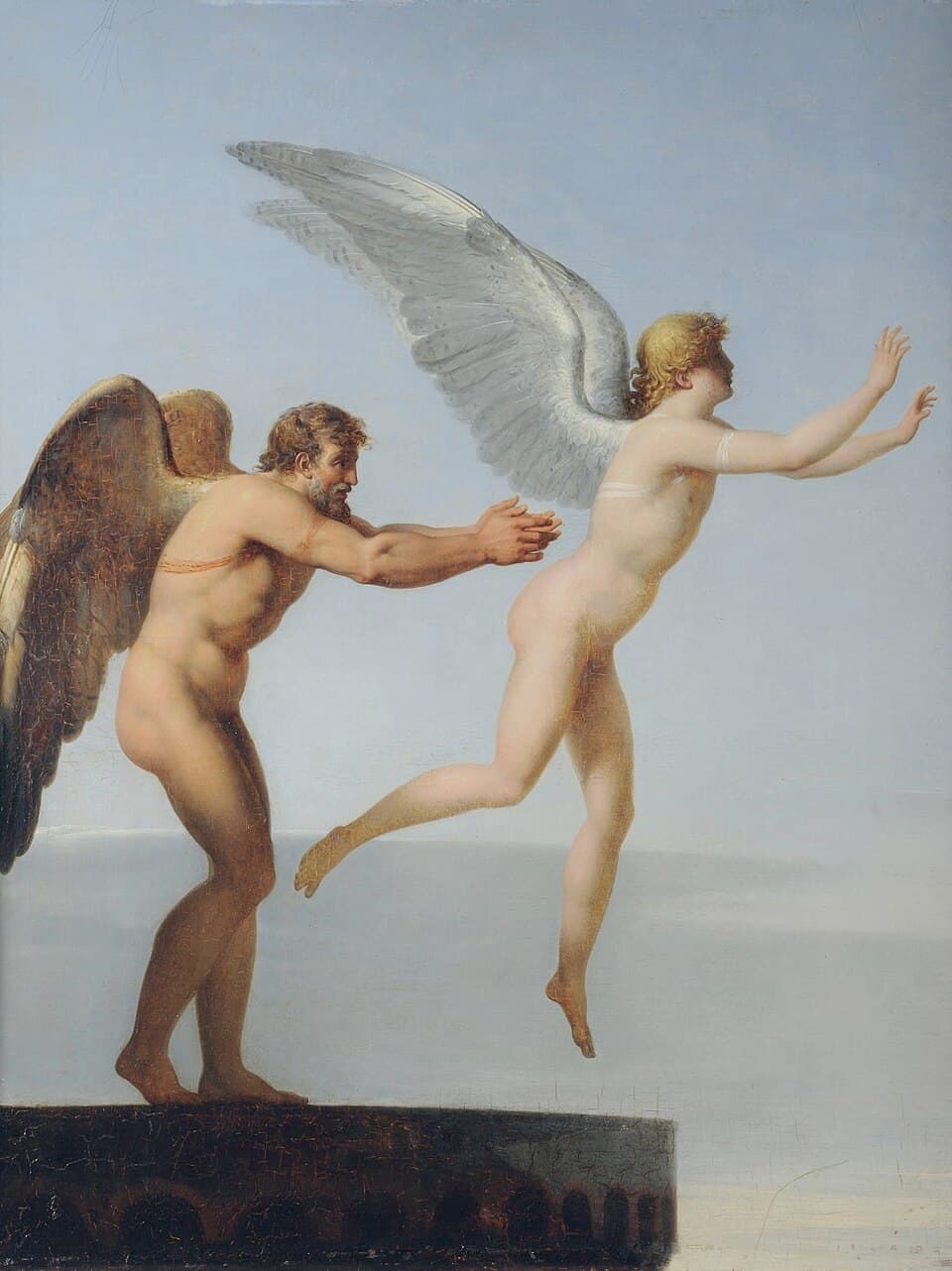
It is in Sicily, at the court of King Cocalus, that tradition allows us to approach the old craftsman. Daedalus sits near a workbench covered in bronze dust, his tools arranged like relics. And when he speaks of his son, a second voice seems to rise from memory, clear and youthful: Icarus has never quite left the air.
—How did you become, for King Minos, the man capable of imprisoning a monster in stone?
Minos was ashamed of a creature born under his roof, that Minotaur half-man half-bull that no straight wall could hold. An ordinary dungeon, he escapes from it; but a path that bites its own tail, corridors that drive mad whoever walks them—that holds better than a chain. I traced the Labyrinth as one knots a thread upon itself, until the exit became an idea one forgets while walking. They say that I myself, its builder, almost could not find the way out again. It is the truth: I had designed something more intelligent than its master. That is the pride of the artisan, the trap into which I fell long before my son.
I had designed something more intelligent than its master.
—They say your statues seemed to breathe. What did you put into the bronze?
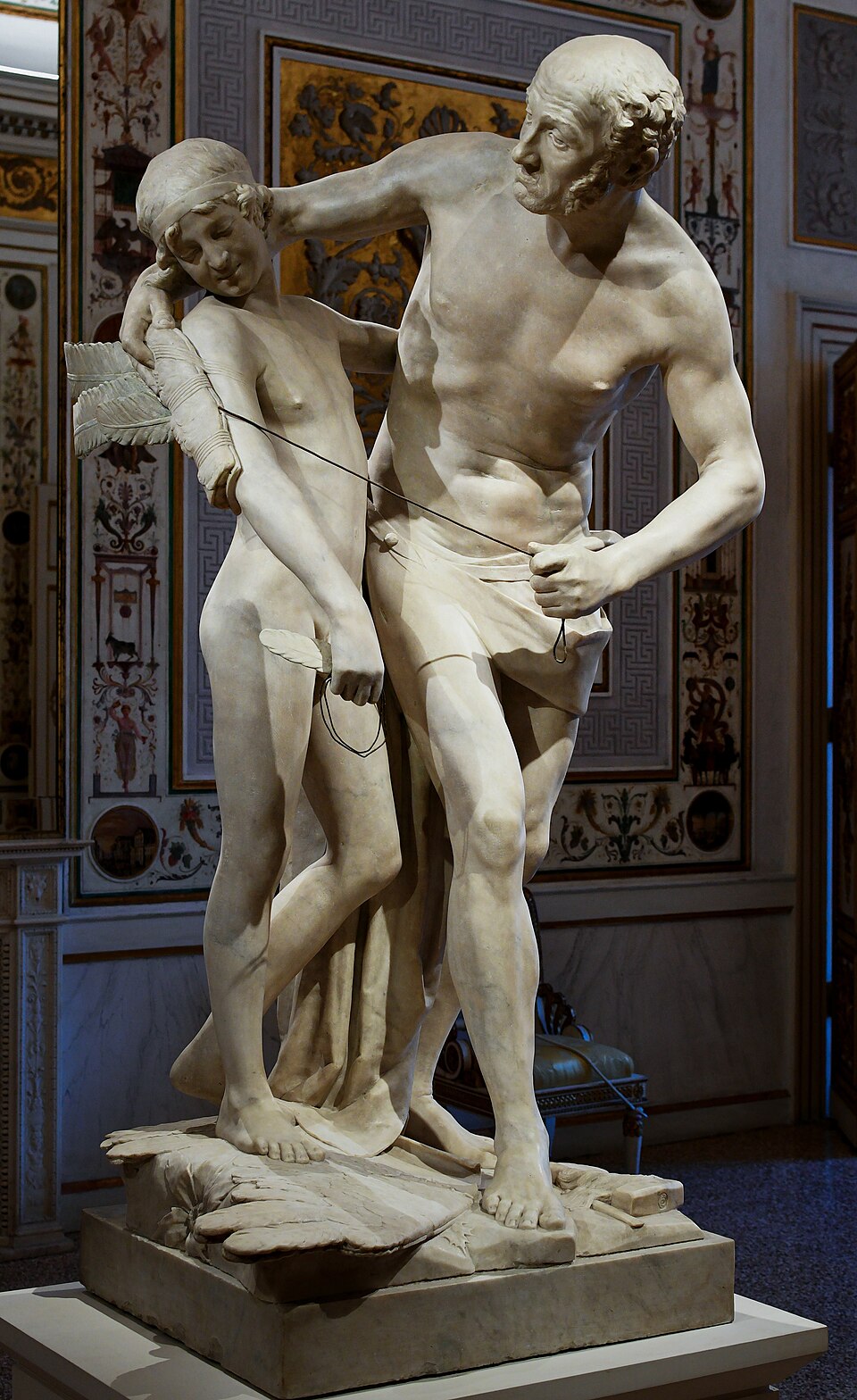
Movement, or its illusion—the same to the eye that takes fright. My chisels, my compass, my burins served not only to carve beautiful motionless forms: I gave to eyes their gaze, to legs the impulse of a suspended step. The Cretans, they say, tied down my figures for fear they would flee at night. Pausanias still remembered those statues so lifelike they were thought to be animated. I am no magician; I am only the one who watched a knee bend a thousand times before forging it once. Nature, I copied until I deceived those who had created it. That is my art: to steal from the gods their secret of life, and sew it into metal.
I gave to eyes their gaze, and to legs the impulse of a suspended step.
—Prisoner on an island whose every coast Minos held, how did you come up with the idea of wings?
Minos watched the sea, his ships searched every cove. But I looked up. As Ovid wrote: 'Minos can close all roads, but he cannot close the air.' That is the sentence that saved my mind before saving my body. I gathered feathers by size, from the largest to the smallest, as the edge of a real wing grows, and I bound them with thread and beeswax. Icarus, meanwhile, caught the feathers the wind carried off, laughed, kneaded the soft wax between his child's fingers. He played while I calculated. I do not blame him: at his age, the sky is not a calculation, it is a promise.
I looked up: Minos could close the sea, but not the sky.
—What words did you give your son before the great departure?
Always the same, repeated until annoyance: neither too low, nor too high. Too low, the foam of the Aegean Sea weighs down the feathers and pulls you toward the water; too high, the heat softens the wax and the wing unravels in your hands. Keep the middle path, I told him, follow my wake and do not look at the sun as one looks at a challenge. Hyginus later reported this warning almost word for word, and every storyteller has repeated it after him. But see the irony of a father: I had built a trap to imprison a monster, and I could not imprison the recklessness of a fifteen-year-old boy. You can calculate everything, except your child's heart.
You can calculate everything, except your child's heart.
—Icarus, do you remember that moment when you left the earth?
I remember the void beneath my feet, suddenly, and my heart bursting. My father flew ahead, serious, bent over his middle path as over a workbench. I felt the air carrying me! The fishermen below raised their heads, mouths open, taking us for gods. Why stay in the wake of a cautious old man when the whole sky opened? I climbed, higher, toward the light, where the Aegean Sea was only a distant gleam. The wax warmed on my back, I felt it run like sweat, but I laughed. I was not afraid. That is what no one tells: before the fall, there was the purest happiness a mortal ever tasted.
Before the fall, there was the purest happiness a mortal ever tasted.
—Daedalus, what remains in you of the moment you turned around?
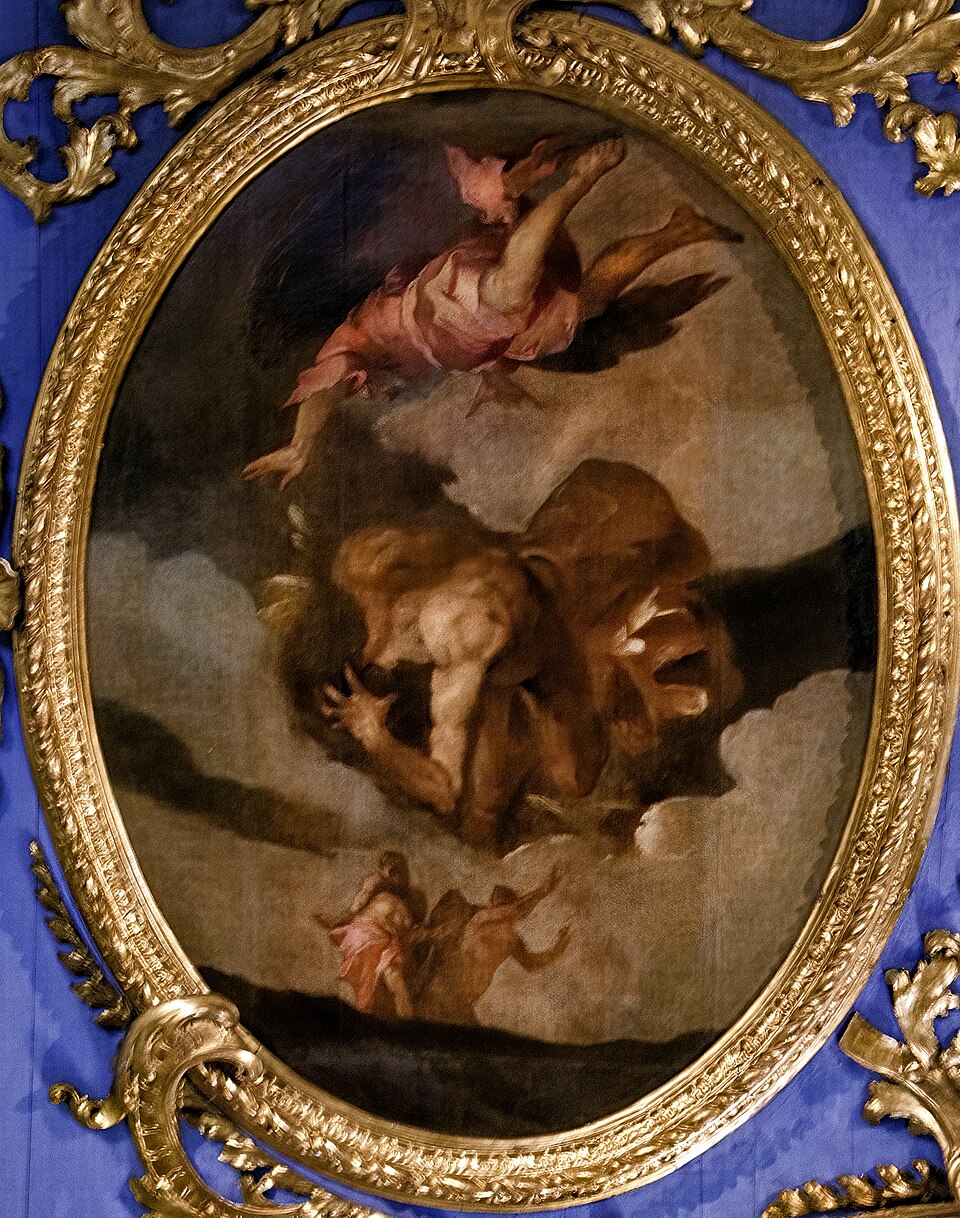
A silence. I called his name and only the wind answered. I saw scattered feathers floating on the water, where my son should have been. The wax had melted, exactly as I had predicted; my science was right, and my reason brought me only the horror of being proven right. The Greeks call hybris that impulse that drives a mortal to climb higher than his place; they make of it a lesson, a punishment from the gods. But a father does not see a lesson, he sees a sea that now bears his child's name—the Icarian Sea. I buried what the waves gave back to me, and I understood that the most skillful inventor remains a naked man before loss.
My science was right, and my reason brought me only the horror of being proven right.
—What would you say about that thread that a young woman slipped into your Labyrinth?
Ah, Ariadne. She loved Theseus, that prince from Athens come to kill the Minotaur, and she came to beg me. What could I do? I had built a maze from which no one emerged; so it was necessary, for whoever entered, to have a thread to unroll behind him to retrace the path backward. An idea so simple it insults the complexity of my work. That is how Minos learned of my betrayal, and that is why he imprisoned me, myself, in the prison of my own genius. See the justice of stories: the man who imprisons ends up imprisoned, and the trick that saves a hero condemns its author. My Labyrinth was perfect; a strand of wool sufficed to undo it.
My Labyrinth was perfect; a strand of wool sufficed to undo it.
—Before the Labyrinth, they say Queen Pasiphaë came to you with a strange commission. What did she ask of you?
A thing I perhaps should not say aloud. Queen Pasiphaë burned with an unnatural desire for a white bull, and she came to me, because my hands knew how to deceive even the instincts of beasts. I built a hollow wooden cow, covered with hide, so lifelike that the animal was deceived. From that madness was born the Minotaur—and therefore, later, the Labyrinth needed to hide it. Everything links together: my skill in the service of a shameful desire engendered the monster, the monster engendered the prison, the prison engendered the wings, and the wings took my son. The craftsman who obeys without judging opens doors that no thread can close.
The craftsman who obeys without judging opens doors that no thread can close.
—After so many misfortunes, how did you find refuge on this land of Sicily?
Grief does not kill the instinct for survival; it only makes it more bitter. I continued my flight alone, the wake before me now empty, and I set down my broken wings here, in Sicily, at the court of King Cocalus. He loved beautiful things, and I had nothing left but my hands to pay for my asylum. I built for his daughters wonders, golden toys, objects so fine that they protected me as one protects a treasure. Strange fate is mine: wherever I go, my genius first draws me chains, then wins me protectors. In Athens my homeland, in Crete my prison, in Sicily my last refuge—I will have spent my life fleeing kings while working for them.
Wherever I go, my genius first draws me chains, then wins me protectors.
—Minos, they say, hunted you all the way here. How did that pursuit end?
Minos never knew how to give up something that belonged to him, and he believed me his property, like his Labyrinth. He came to Sicily, cunning to the end: he posed to each king a riddle, challenging anyone to pass a thread through the spirals of a shell, knowing that only my mind could do it. Cocalus brought me the shell; I tied the thread to an ant, and the trick was done. Thus Minos found me again—but Cocalus's daughters, who did not want to lose me, scalded him to death in his bath. The king of the seas, the jailer of Crete, dead in boiling water for wanting a craftsman too much. The gods have their irony; I no longer had the heart to rejoice.
The jailer of Crete, dead in boiling water for wanting a craftsman too much.
This imaginary interview was generated by artificial intelligence from sources documented in Daedalus and Icarus's profile. It dramatises what the figure might have said based on what we know about them, but does not constitute attested historical testimony. For primary sources and factual documentation, refer to the full profile.