Imaginary dialogue between Robert Dudley, comte de Leicester and Elizabeth I of England
by Charactorium · Elizabeth I of England (1533 — 1603) · Politics · 5 min read
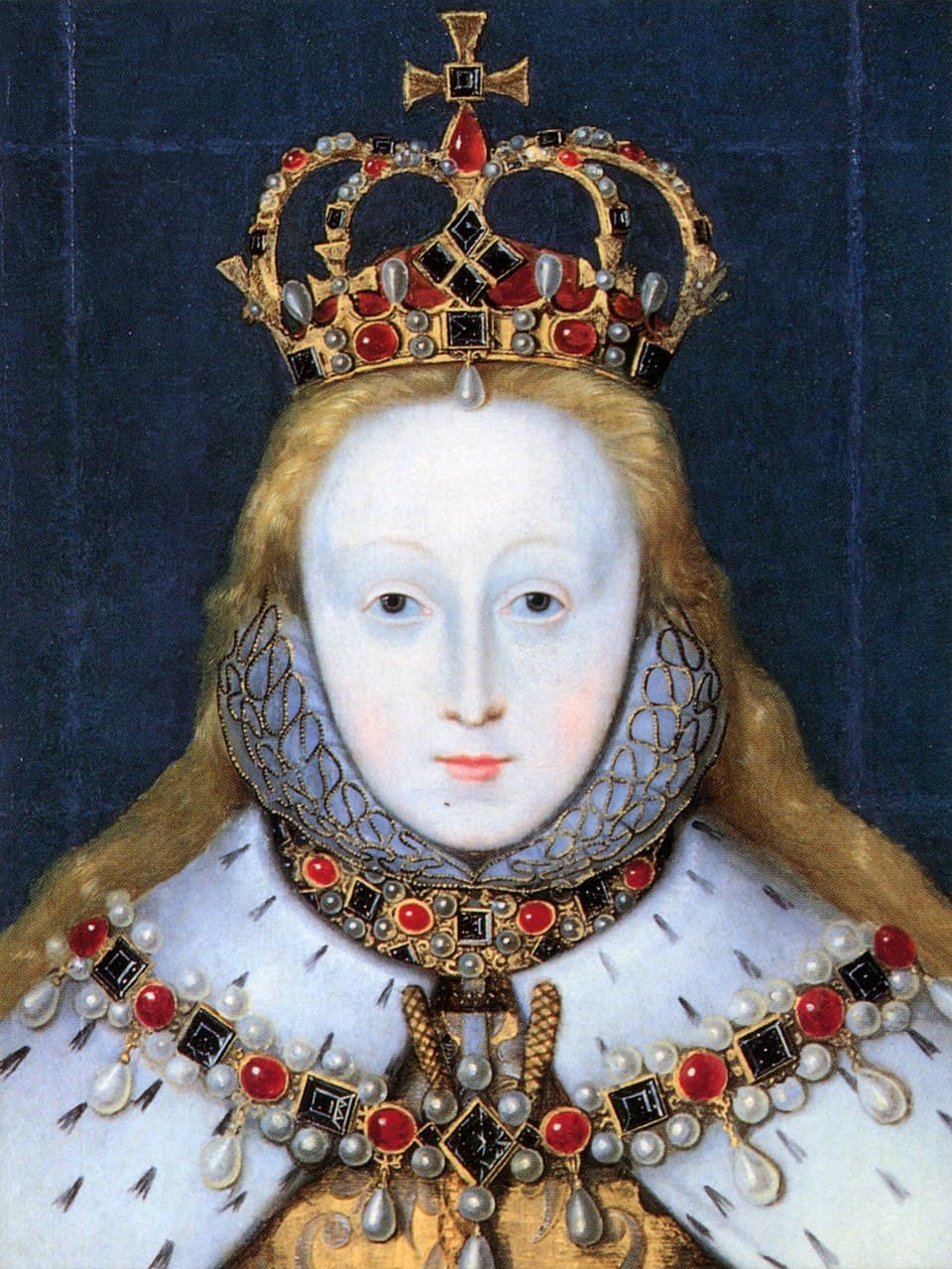
It is in the alleys of Whitehall Palace, in this August 1588, that Robert Dudley meets the queen the day after Tilbury. The air still smells of gunpowder and the river carries news of the scattered Spanish fleet. They have known each other since childhood, since the Tower of London where both were prisoners — and Dudley, who has just commanded his troops against the Armada, looks less at the sovereign than at the woman he has loved for thirty years. Tonight, he wants to hear her speak softly.
—Elizabeth, I was at your side at Tilbury when you harangued the troops. What did you feel before those men who could die for you?
You who held my horse that day, Robert, you know I had no choice but to tremble. Before me were ploughmen turned soldiers, and Philip of Spain was launching against us the greatest fleet that Christendom had ever armed. I wanted them to see not a fragile woman, but their prince. I told them I had the body of a weak woman and the heart of a king — and I meant it, for in that moment my blood was no longer that of a girl. The storm did the rest, God blowing where our cannons could not reach. But without those men, no wind would have saved us. It was their love, not my words, that kept England standing.
I told them I had the body of a weak woman and the heart of a king — and I meant it.
—Do you remember when Parliament urged you to take a husband, in 1559? They whispered my name then. Why did you always refuse?
I remember it better than you think, Robert, for your name was the one I whispered most loudly. But think: a queen who marries ceases to be queen; she becomes the wife of a man who rules in her name. I saw my sister Mary marry Spain and lose the love of her people. I answered Parliament that I was already bound to a husband: the kingdom of England. They thought me cold, or cunning; the truth is simpler. As long as I gave my hand to no one, every prince in Europe hoped, and every subject believed I was entirely his. My celibacy was not a lack; it was my most polished weapon.
As long as I gave my hand to no one, every prince hoped, and every subject believed I was entirely his.
—Speak to me in confidence: behind the Virgin Queen that everyone admires, have you never regretted the woman you did not let live?
To you alone I will say it, Robert, and let these words not leave these gardens. Yes, there have been nights when the crown weighed on me like a stone, when I wished I were but a woman free to choose. But a queen who yields to her heart delivers her kingdom to factions. If I had married you, you would have been accused of killing your wife to take me, and England would have torn itself apart. I preferred to keep you near me all my life rather than lose you in a scandal. The woman I did not let live is not dead: she merely watches, behind the white mask of the sovereign.
I preferred to keep you near me all my life rather than lose you in a scandal.
—When you ascended the throne in 1559, you were still called an illegitimate daughter. How did you dare to refound the Church on such fragile foundations?
Fragile, yes, Robert — declared a bastard at two after my mother's death, tossed between the faiths of my father, my brother, my sister. I grew up learning to show none of my thoughts on religion. When at my coronation I received the Bible in English, I pressed it to my heart, and the people understood. With the Act of Supremacy, I made myself Supreme Governor of the Church, not Supreme Head like my father — the word matters to avoid offending consciences. I wanted a compromise: neither the stake for moderate Catholics nor the fury of the most ardent reformers. I did not seek to open windows into men's souls, only that they obey outwardly.
I did not seek to open windows into men's souls, only that they obey outwardly.
—Pope Pius V excommunicated you and released your Catholic subjects from their allegiance. Did you not fear that a recusant would raise a hand against you?
Fear, Robert, I learned young, in the Tower, when every step on the stairs could be that of the executioner. Since Rome declared me deposed, every Catholic in my kingdom became, in my enemies' eyes, a potential assassin. And yet I did not wish to search hearts. A recusant who pays his fines and keeps his faith in secret does not threaten me; it is he who conspires with the foreigner that I strike. I have been reproached for both my clemency and my severity. But think: if I had persecuted all Catholics as my sister persecuted ours, I would have made them all enemies. I preferred them to be my subjects by day, whatever they believed by night.
I preferred them to be my subjects by day, whatever they believed by night.
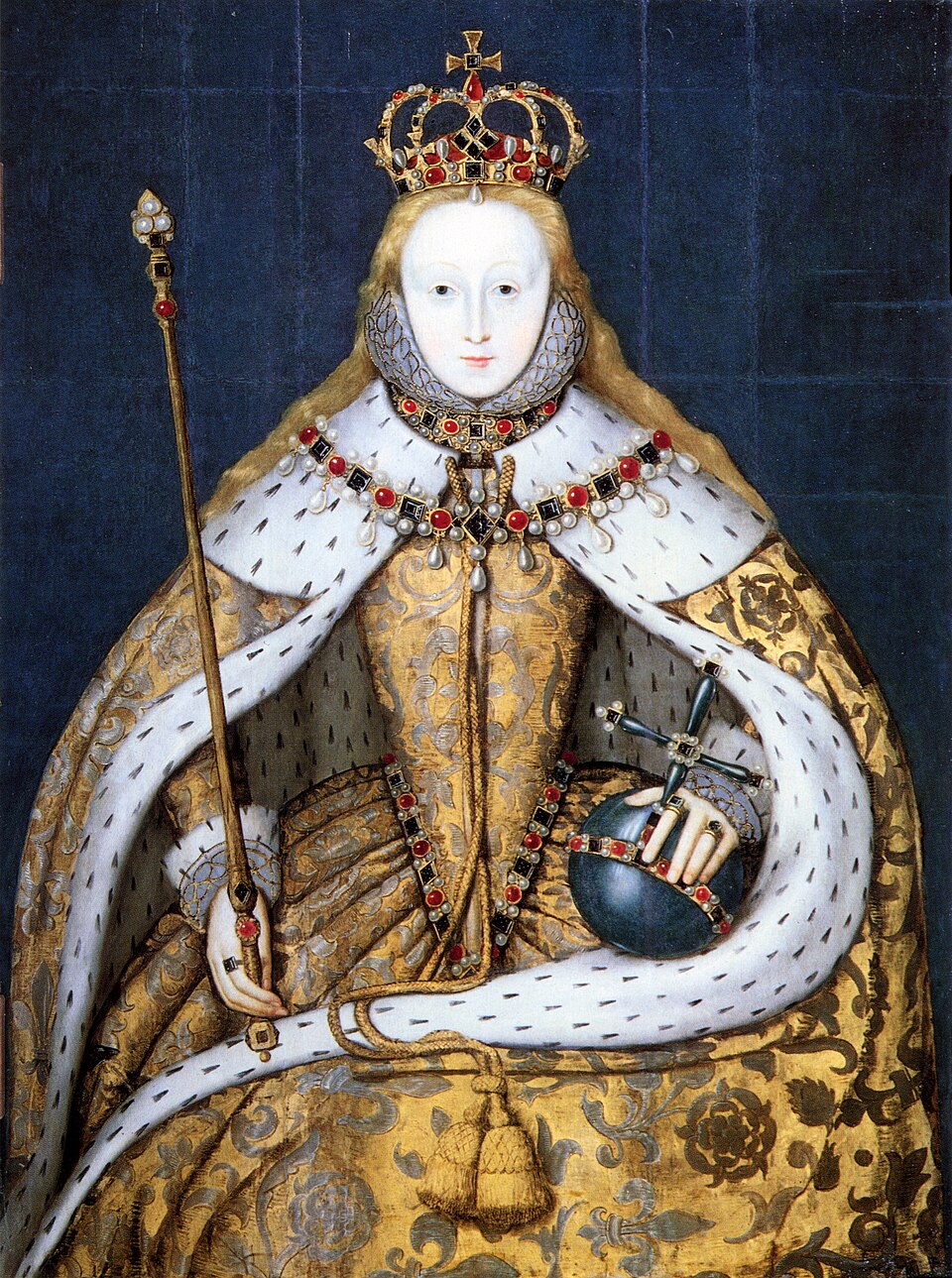
—You who have seen me age, you know what the makeup hides. Why do you impose on painters this face of white ceruse, without a wrinkle?
Because, Robert, a queen has no right to grow old in the eyes of the people. When smallpox marked me in the year 1562, I understood that my face was no longer my own: it belonged to the kingdom. Ceruse whitens my skin, the red wig crowns my brow, and the portraitist paints not the woman I am but the majesty I must be. You may mock all these pots and mirrors when you enter my chamber in the morning — but every line I erase is a weakness my enemies will not see. My image is a fortress as secure as Windsor. A prince who lets himself be seen as mortal already invites his rivals to count the days.
My face was no longer my own: it belonged to the kingdom.
—This Armada Portrait you are having painted, hand on the globe: is it not too proud, when the storm did half the work?
Pride? Call it rather necessity, my friend. The world remembers not storms, but victors. By having myself painted with my hand on the globe, the Spanish ships shattered behind me, I tell all Europe that England now commands the seas. Philip thought to crush an island of heretics governed by a woman; let him now see that woman holding the world in her palm. A well-designed portrait is worth an army, for it speaks to those who will never see us. You know the cost of sleepless nights; but the people must see only glory. That is how one rules over men's imaginations as well as their lands.
A well-designed portrait is worth an army, for it speaks to those who will never see us.
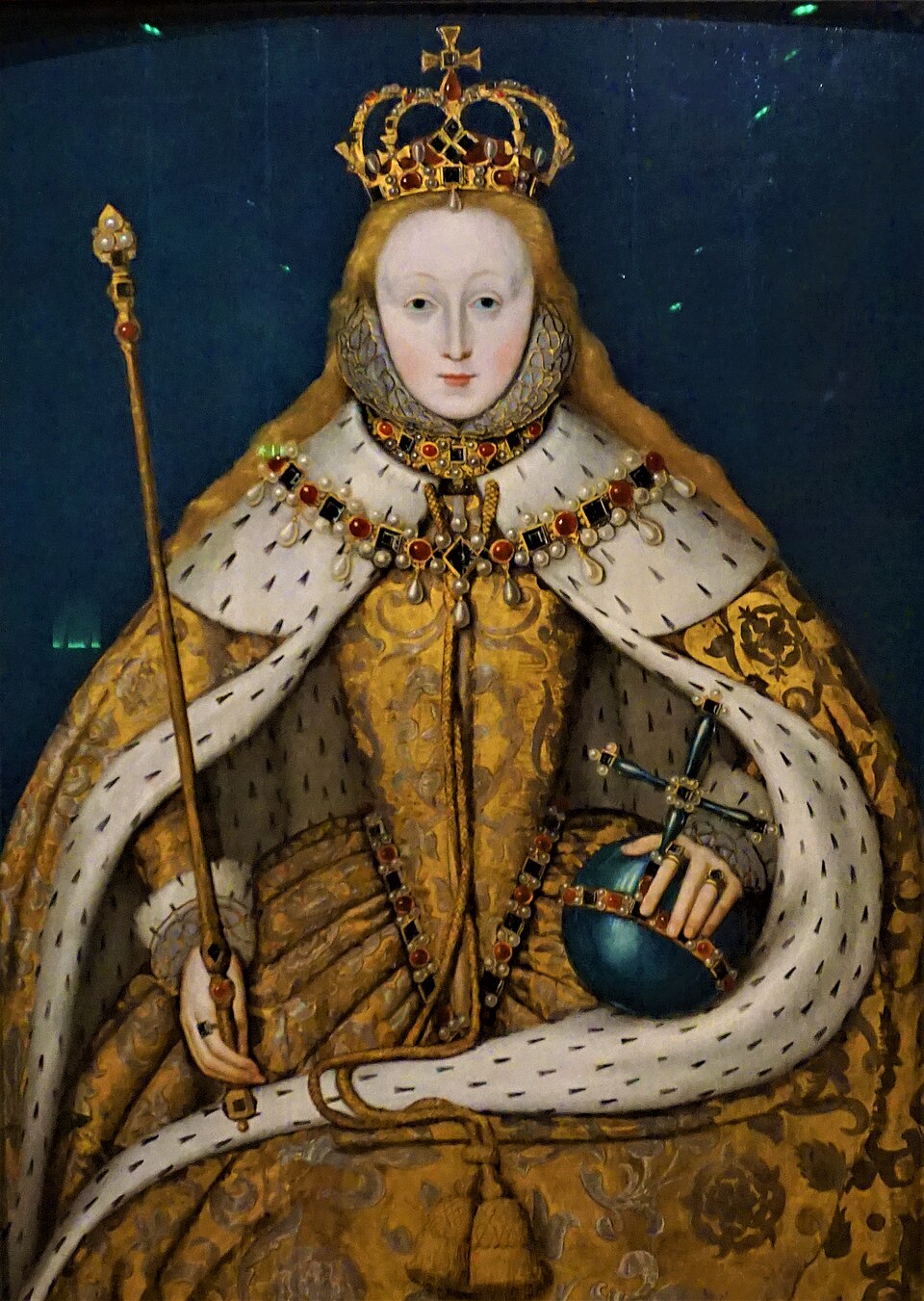
—Far from the Council, I have often heard you play the virginal alone in the evening. Where does this love of letters and languages come from?
From childhood, Robert, from those years when, set aside from the throne, I was at least given the best humanist tutors in the realm. Latin, Greek, French, Italian, Spanish: I learned to think in six languages, and that has served me more than any army in answering ambassadors myself without an interpreter. The virginal you hear me play is my refuge when the crown weighs too heavily. I have translated the ancients, written a few verses — that poem on the departure of my French suitor, which you know. A sovereign who only knows how to command is half blind; one who reads and composes understands the soul of his subjects. My books and my music are not pastimes: they are the secret tools of my government.
I learned to think in six languages, and that has served me more than any army.
—You protect troupes of players and poets that the court sometimes despises. Why spend your favor on these theatre people?
Because, Robert, theatre does more for the greatness of a reign than many treaties. These poets and players give England a language, a pride, heroes — and a people that sings its own glory obeys better than a people that is burdened. I am reproached for protecting troupes that austere minds deem unworthy; but think what will be remembered of my reign: not only the defeated Armada, but also this flowering of verse and plays that none of my neighbors equal. I want my time to be a golden age, not just a reign of battles. Kingdoms die, my friend; beautiful works still speak when kings have fallen silent.
Kingdoms die, my friend; beautiful works still speak when kings have fallen silent.
—Now that the Armada is scattered and I must soon leave court to tend to my health, tell me: do you still fear Spain?
I always fear Spain, Robert, for Philip will not forgive this defeat, and he has the gold of the Indies to arm another fleet. But tonight, I want to believe that God has shown whose side He is on. Do not speak too quickly of tending to yourself and leaving — you know how I bear your absence poorly. We have weathered so many storms together, from the Tower to Tilbury, that I can hardly imagine a throne without your shadow at my side. England is safe for now, and as long as my people love me, no armada will make me bow my head. Come back soon, my old friend. The queen can command everything except the absence of those she loves.
The queen can command everything except the absence of those she loves.
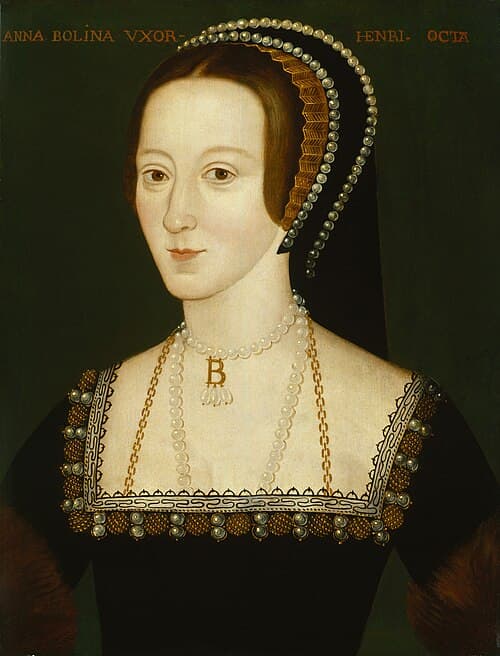
This imaginary interview was generated by artificial intelligence from sources documented in Elizabeth I of England's profile. It dramatises what the figure might have said based on what we know about them, but does not constitute attested historical testimony. For primary sources and factual documentation, refer to the full profile.