Kids interview Eva Perón
by Charactorium · Eva Perón (1919 — 1952) · Politics · 5 min read
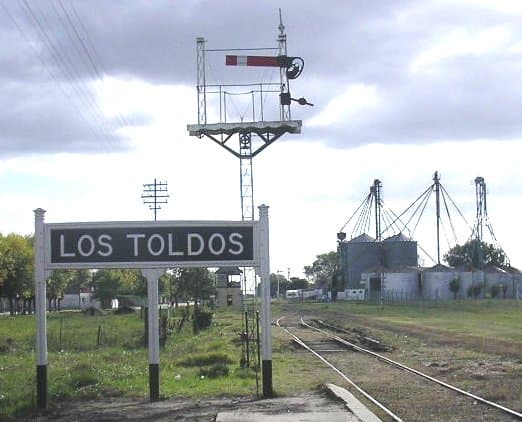
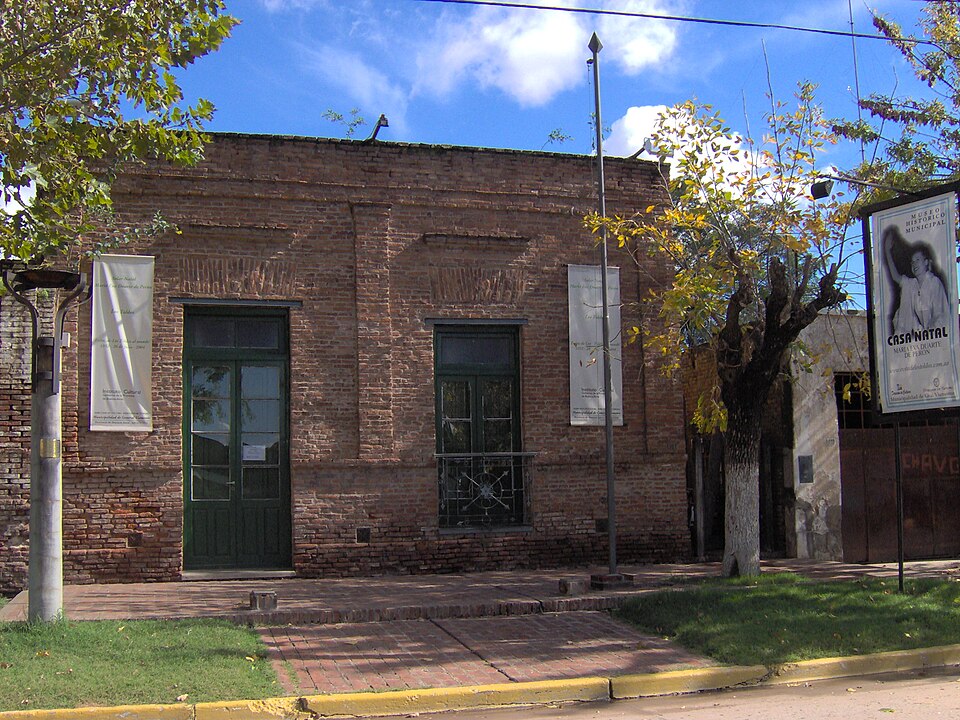
That morning, two middle school students on a field trip push open the door of an old house in Buenos Aires. A woman with a blonde bun awaits them, a warm smile on her face. It is Eva Perón, and she has agreed to tell them everything.
—How old were you when the workers came to save your husband?
You know, my child, it was a night I will never forget. It was October 1945, and I was twenty-six years old. Soldiers had locked up Juan, my husband, because they feared him. Imagine a huge square in front of the pink palace, the Plaza de Mayo, filling with angry workers. They were called the descamisados, the 'shirtless ones,' because they worked with bare arms in the factories. They came by the thousands, on foot, tired, demanding their leader. And you know what? They got him. On October 17, Juan walked out free. That day, I understood something that never left me.
The poor, when they stand together, are stronger than an army.
—Were you afraid that night when your husband was in prison?
Oh yes, I was afraid. The man I loved was locked up on an island, and no one told me what would happen tomorrow. Imagine your heart beating very fast in a sleeping city. But I turned my fear into strength. I went to see the unions, those groups of workers who defend each other. I spoke, I begged, I almost shouted. In my time, there were no moving images: my voice traveled through the radio, that wooden box from which words came out. That voice, which I had learned by acting in soap operas, helped awaken the people on the Plaza de Mayo.
—Is it true that women couldn't vote before you?
It's true, my child, and it made me furious. Before 1947, in Argentina, a woman could work, raise her children, pay taxes... but on election day, she was told: 'You, be quiet.' For two years, I harassed the deputies, over and over, until they passed Law 13.010. They called it sufragio femenino, women's suffrage. The day it passed, I told Argentine women that they were finally equal before the law. Imagine millions of women, for the first time, slipping a paper into a ballot box, hands trembling with pride. That is a victory that never dies.
—Why did you create a party just for women?
Because giving the right to vote wasn't enough, you see? A woman who has never been in politics doesn't know where to start. So in 1949, I founded the Partido Peronista Femenino, a movement led by women, for women. Imagine large halls where workers, maids, seamstresses learned to speak in public, to organize, to decide. In the 1951 elections, they voted in droves, heads held high. I often repeated a simple thing to them, which I also share with you.
A right that you don't use is a key you keep without opening the door.
—Is it true that you worked eighteen hours a day?
It's true, and I didn't complain about it. I got up before the sun. From early morning, poor families came to see me: a mother with no home, an old sick man, a child without shoes. With my Foundation, created in 1948, I could act right away. No long paperwork, no months of waiting. I wrote a note by hand, and the family left with a bed, a roof, sometimes a bundle filled with toys and food. Imagine the line stretching down the hallway, and every face waiting its turn. I couldn't go to sleep knowing people were still waiting outside the door.
—What did you eat when you had time?
Ah, you ask a good question! The truth is, I ate little, and often standing up. Work devoured my hours. But when I sat down, I loved our home dishes: locro, a thick corn and meat stew that warms the belly, empanadas, little stuffed pastries, and dulce de leche, a milk jam so sweet you could eat whole jars. Nothing luxurious, you see. The girl from Los Toldos, my poor little village in the pampas, hadn't forgotten where she came from. You can wear beautiful dresses and still keep a taste of childhood in your mouth.
—What was your big trip to Europe like?
Oh, what a trip! In 1947, I left for Europe; they called it the Gira del Arco Iris, the 'Rainbow Tour.' In Spain, the welcome was dazzling: I was given a great decoration, the Cross of Isabella the Catholic, and crowds shouted my name. I wore dresses from great Parisian couturiers, like Dior. But you know, not everything was rosy. In France and England, they looked at me from afar, with suspicion, because they remembered that my country had stayed out of the war. That day I learned a lesson I will never forget.
—How did it feel, you who were poor, to wear luxury dresses?
You touch something deep, my child. As a little girl in Los Toldos, I had few clothes, and people looked down on me because my family was poor. So yes, wearing those beautiful dresses was a sweet revenge. But I didn't dress only for myself. When a working woman saw me elegant, my hair pulled back in that tight blonde bun that became my signature, she thought: 'One of us has made it.' I wore those dresses for them as much as for myself. Beauty, you see, could be a message: we, the humble, also deserve respect.
—Why did you refuse to become vice president?
That is one of the hardest moments of my life. In 1951, a huge crowd begged me to be vice president, right after Juan. Imagine a sea of people chanting your name under a large flag. My heart said yes. But the military did not want a woman so high up, and they were ready to break everything. During that great gathering called the Cabildo Abierto, on August 22, 1951, I had to renounce, in public, with a tight throat. I said I would only do what served Juan and my homeland. And I understood a hard truth.
The greatest courage is sometimes to say no to what you desire most.
—You were so young when you fell ill... were you afraid?
Yes, and for a long time I didn't want to believe it. Illness came to take me when I was barely thirty-three. I was tired, thin, but I kept receiving my poor, because stopping would have meant abandoning them. When I died, in July 1952, my people wept for weeks on end. Imagine a whole country where people stop in the street, lay white flowers, light candles in front of my picture. I didn't have a long life, it's true. But I believe you don't measure a life by the years it lasts.
You are not measured by the number of years, but by what you have done for others.
This imaginary interview was generated by artificial intelligence from sources documented in Eva Perón's profile. It dramatises what the figure might have said based on what we know about them, but does not constitute attested historical testimony. For primary sources and factual documentation, refer to the full profile.