Kids interview Freya Stark
by Charactorium · Freya Stark (1893 — 1993) · Exploration · Literature · 5 min read
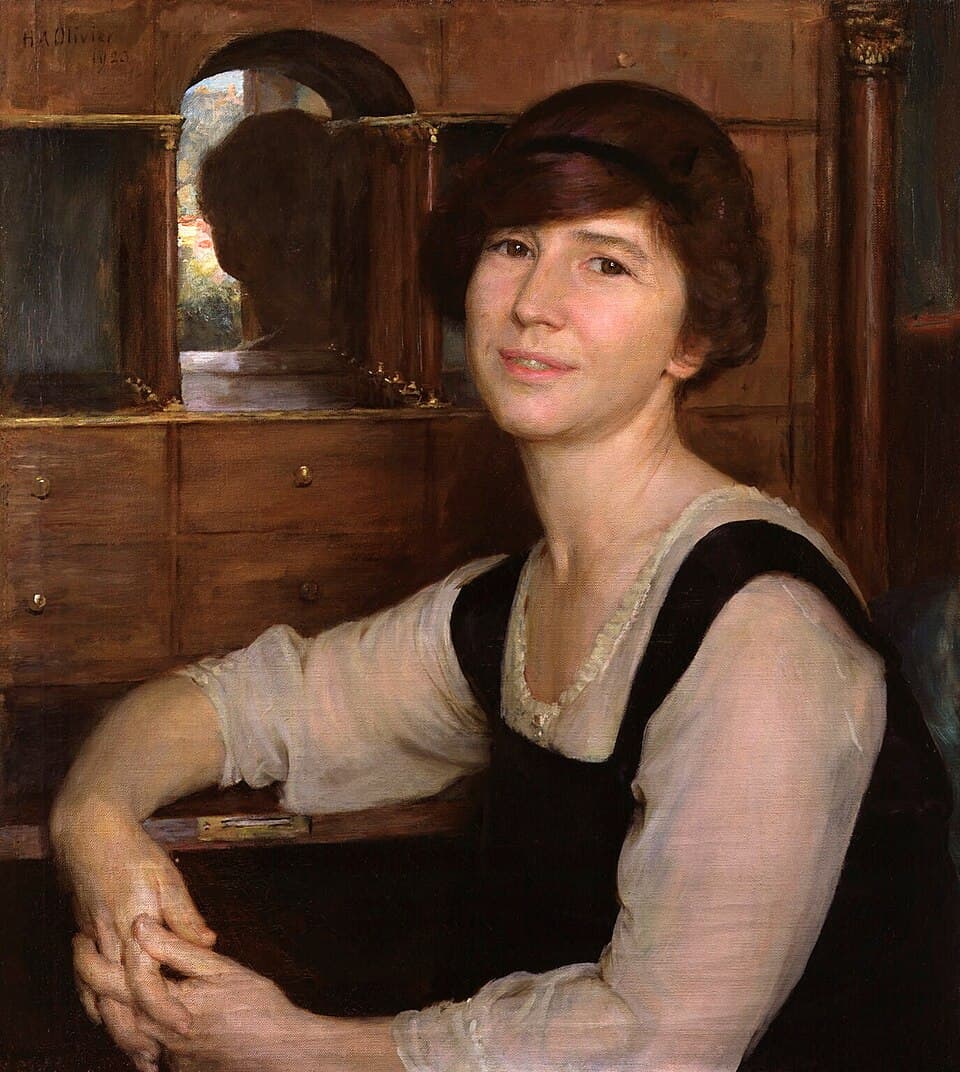
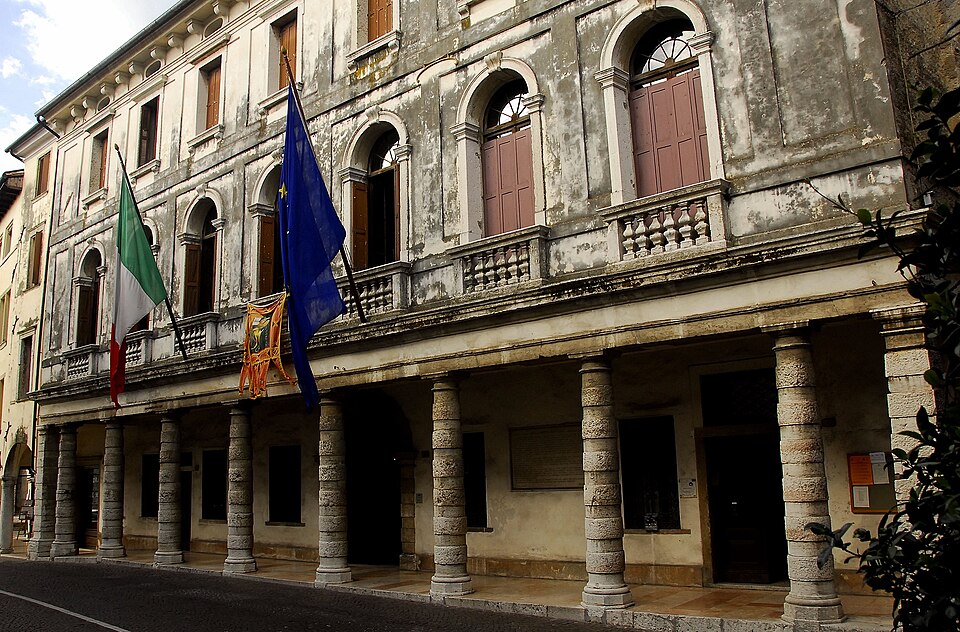
Two young visitors of twelve push open the door of Casa Freia in Asolo. A tiny old woman with bright eyes awaits them, surrounded by Persian rugs and copper lanterns. She motions them to sit: “You want to hear about the deserts? Then listen carefully.”
—How old were you when you left to learn Arabic on your own?
I was about thirty, with almost no money. In 1927, I went to Lebanon, to stay with Maronite monks — Eastern Christian religious men. I wanted to learn Arabic, that language that no one around me spoke. Picture a bare room, a straw bed, dry bread in the morning. I lived on next to nothing. But every day I repeated words, over and over, until they stuck in my head. You know what? In just a few months, I could speak. And that language later opened all the doors of the Middle East to me. Poverty didn’t stop me. It set me free.
Poverty didn’t stop me, it set me free.
—Why was it so important for you to speak Arabic?
Because a language isn’t just a list of words, my child. It’s a key. I always kept a small Arabic-English dictionary on me, all dog-eared. But the real treasure was in my head. When I arrived in a village and greeted people in their language, their faces changed. Suspicion vanished. I was offered strong black tea, and people told me stories. Imagine showing up among strangers and suddenly being able to truly understand them. Guides trusted me. The elderly confided their memories to me. Without Arabic, I would have remained a foreigner watching from afar. With it, I became a guest.
A language isn’t a list of words, it’s a key.
—Is it true that you wore a veil to disguise yourself?
Not to disguise myself, no — to show respect and go unnoticed. In very traditional villages, women covered their heads and wore long robes. So I did too. I put away my explorer’s hat and put on the veil and local clothes. You see, some places were forbidden to foreigners. But a woman dressed like the other women was allowed in where a European man could never go. My sturdy sandals for stony paths, my veil for the eyes: that was my real luggage. Dressing like the people was my way of saying: I come to meet you, not to judge you.
Dressing like them was saying: I come to meet you, not to judge you.
—In the evening, in the desert, what did you do?
The evening was my favorite time. Settled in a caravanserai — a large fortified inn where merchants and their animals slept — I took out my leather notebook. All day I had jotted down what I saw: landscapes, faces, customs. In the evening, I wrote it all up. Then I wrote long letters to my mother. Picture a single candle, the desert silence outside, and my pen scratching the paper. Dinner? Flatbread, dates, a bit of rice, shared with my hosts. Those notebooks and letters later became my books. Everything began there, in that small light.
My books were born from a candle and a notebook, deep in the desert.
—What was it like to go to a place where no woman like you had ever been?
Frightening and wonderful at the same time. In 1934, I set out for the Hadhramaut, a deep valley in Yemen. Westerners knew almost nothing about it. Imagine mountains of scorched rock, perched villages, and caravan routes a thousand years old still in use. I had my camera, a Leica, and I photographed everything: houses, people, landscapes. I was the first Western woman to bring back precise images and notes from that region. My heart pounded. But you see, what drove me wasn’t glory. It was that wild urge to see what no one had seen.
What drove me wasn’t glory, but seeing what no one had seen.
—Were you ever truly afraid of dying during a journey?
Oh yes. In that same Hadhramaut, I fell gravely ill. Dysentery — a stomach disease that drains all your strength. I was so weak I had to be evacuated urgently. Imagine: alone, far from everything, without a doctor, in a valley barely known to maps. I always carried a small first-aid kit, but against that, it could do little. I thought I wouldn’t make it home. And yet — do you know what saved me as much as the care? My notebooks and photos. I wanted to live to show them. Sometimes you hold on to life for a very simple reason: to tell what you have seen.
You hold on to life for a simple reason: to tell what you have seen.
—Is it true that during the war you were a kind of spy?
Not a spy with a gun, no! But something important nonetheless. During World War II, the Nazis were trying to convince Arab peoples to side with them. The British government sent me to Cairo, then to Baghdad. In 1941, I founded a network: the Brotherhood of Freedom. It was thousands of local people, notables, scholars, who talked among themselves to defend freedom against Nazi propaganda. My weapons were words and friendship. You see, I had spent my life listening to these peoples. When the time came, they listened to me in turn.
My weapons were words and friendship, not a rifle.
—How do you convince people just by talking?
By respecting them, first. You know, many Europeans in my time arrived as know-it-alls. I had learned Arabic, slept under their tents, eaten their bread. So when I spoke, people felt that I truly knew them. The Brotherhood of Freedom worked like a great chain of friends: each person talked to their neighbors, and the idea spread by word of mouth. Imagine a fire lit not by a big flame, but by a thousand tiny sparks. I believed that you keep a people’s friendship only by keeping your promises, by being honest. Propaganda lies; true friendship lasts. That’s what I worked with.
Propaganda lies; true friendship lasts.
—Did you keep traveling even when you were very old?
Always! At over 70, I went to Afghanistan, on a donkey if you please. And later still, I traveled through Turkey. But my journeys had changed. I was no longer seeking just adventure: I was following the traces of the past. I wrote Alexander’s Path, a book where I walked in the footsteps of Alexander the Great, that ancient conqueror. I read ancient texts in the morning, and in the afternoon I looked at the real landscapes he had seen. Imagine connecting a book two thousand years old to the hill before your eyes. For me, traveling was about bringing history and the present together.
Traveling was about bringing history and the present together.
—If we had to remember one thing from your life, what would it be?
What a beautiful question, my child. I was given titles — in 1972, Queen Elizabeth II made me a “Dame.” That’s nice, but it’s not what matters. What I would like you to remember is this: the world is vast and full of wonders. I wrote in one of my books that I was born with an incurable passion for faraway places. My mother called it a disease; I saw it as the only proper response to such a vast world. So never be afraid to be curious. Learn the language of others. Go see for yourself. A life is too short to stay on your doorstep.
A life is too short to stay on your doorstep.
This imaginary interview was generated by artificial intelligence from sources documented in Freya Stark's profile. It dramatises what the figure might have said based on what we know about them, but does not constitute attested historical testimony. For primary sources and factual documentation, refer to the full profile.