Imaginary interview with Georges Clemenceau
by Charactorium · Georges Clemenceau (1841 — 1929) · Politics · 5 min read
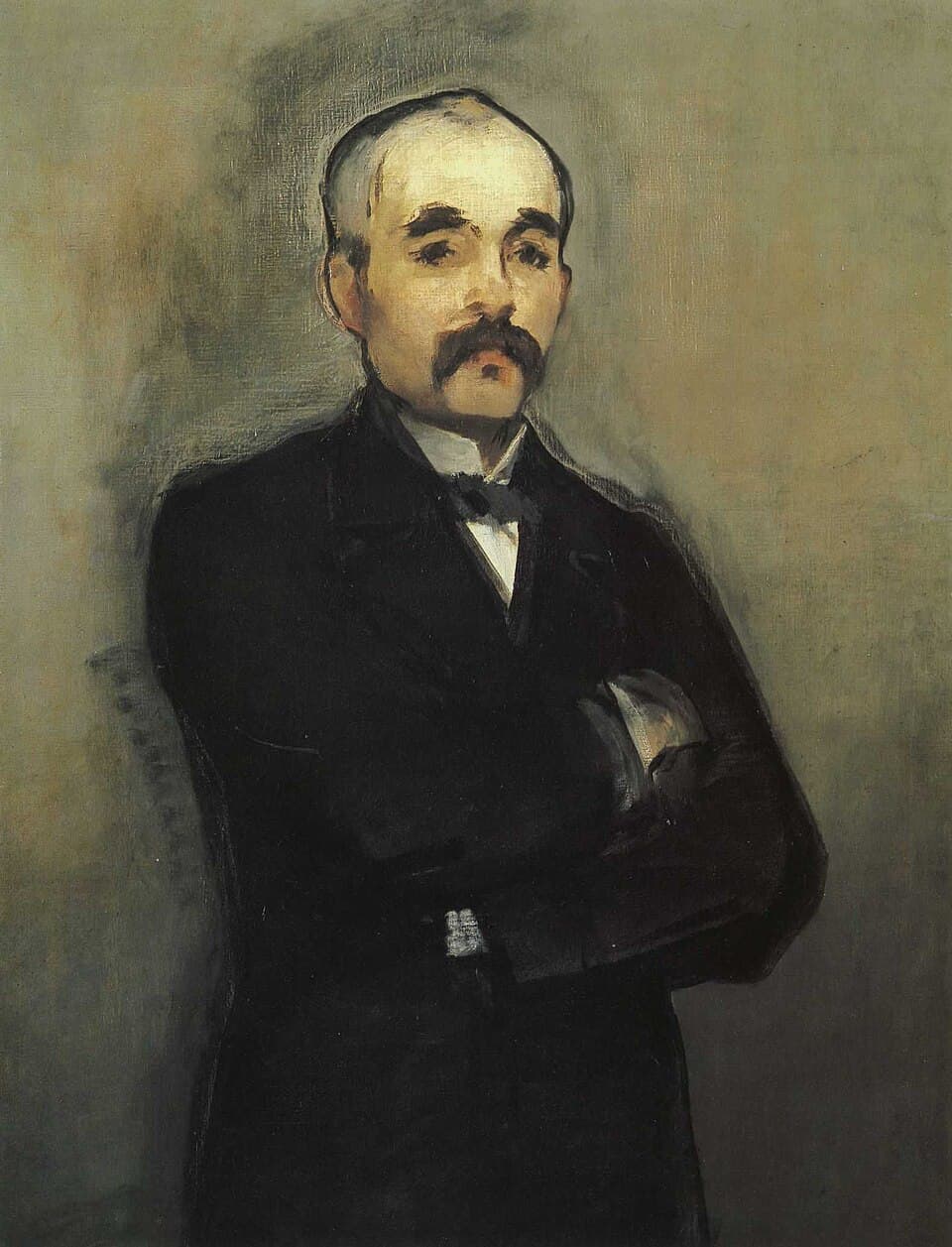
Rue Franklin, an autumn morning in 1928. The apartment smells of black coffee and crumpled newspaper. The old man in gray gloves receives us between two piles of books, sharp-eyed, his retort already loaded.
—Before the rostrum, there was the pen. How did you become the director of the newspaper that published "J'accuse"?
I have always considered the inkwell a weapon as sharp as the rostrum. At L'Aurore, which I had been directing since 1897, I spent my dawns sifting through the press, annotating, preparing my ripostes. When Émile Zola brought me his open letter to President Faure, in January 1898, it had no title. I read it, reread it, and three words came to me: J'accuse…! They were accusing a captain, Dreyfus, of a treason he had not committed; it was necessary, on the front page, to turn the accusation against the real culprits. A title, you see, is a bugle call. That one woke consciences better than a long speech.
A title, you see, is a bugle call.
—What drove you, a politician, to risk your reputation in this affair?
They thought I was a Dreyfusard out of calculation; I was out of anger. When the State lies, when the army closes ranks over a judicial error to save its honor, it is no longer a man being condemned, it is the Republic itself. I signed hundreds of articles at L'Aurore, sometimes two a day, until my pens and my adversaries were exhausted. The bust of the Republic sat in my office; I could not look it in the face if I kept silent. Truth always comes out eventually, but it needs someone to shoulder the door open. I pushed. And the revision came.
—November 1917: France is faltering, and you are called to power. In what state of mind did you take the presidency of the Council?
On November 16, 1917, the country was on its knees: mutinies, defeatism, embusqués at the rear whispering that we should negotiate. I was entrusted with the government because no one else dared. Before the Chamber, the following March 8, I said all I had to say: “My foreign policy and my domestic policy are one and the same. Domestic policy? I wage war. Foreign policy? I wage war. I always wage war.” There was nothing to add. At seventy-six, I no longer had time for nuances. A people that doubts is governed by will, not by committees.
A people that doubts is governed by will, not by committees.
—You were seen, an old man, traveling through the trenches. Why insist on going as close to the fire as possible?
Because you don't galvanize men from a Parisian armchair. I got into the car, went to Picardy, Champagne, and walked through the mud to the front lines, sometimes under shellfire. The poilus saw me, old, stubborn, the same gray gloves on my hands, and they understood that the one asking them to hold on was holding on with them. They called me Father Victory for that, I think — not for my speeches, but for those visits where I shook hands full of earth. The morale of an army cannot be decreed; it is won man by man, look by look.
—On November 11, 1918, you announced the armistice to the Chamber. What did you feel at that moment?
Four years of death, and suddenly the silence of the guns. I announced the armistice and the entire Chamber rose. I said that France, yesterday soldier of God, today soldier of humanity, would always be the soldier of the ideal. But behind the ovation, I was already thinking of the widows, the razed villages, all that no victory can give back. Glory is a brief intoxication; the next day, you must count the graves. I have known few joys so complete and so tinged with bitterness. We had won, yes — at the cost of a generation lying in the earth I had trodden in the trenches.
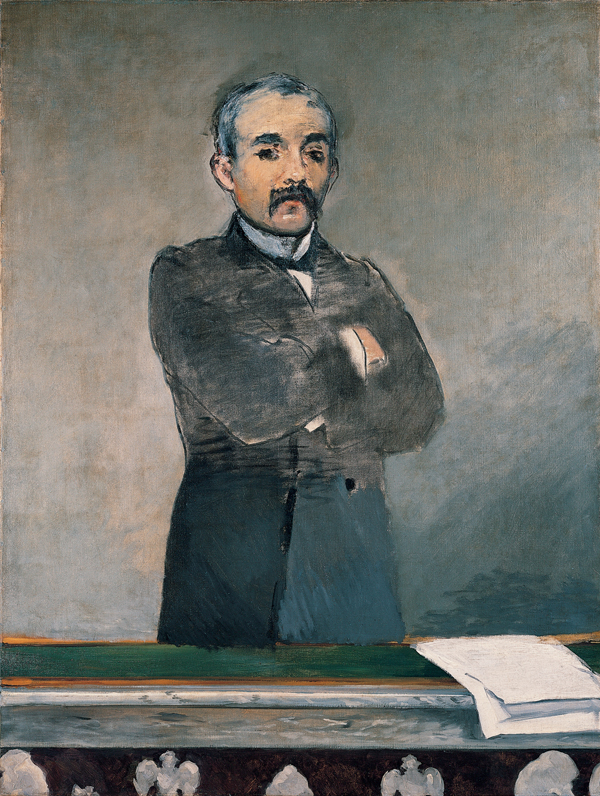
—To sign the treaty, you chose the Hall of Mirrors at Versailles. Why this specific place?
Because memory has scores to settle. In 1871, in that same Hall of Mirrors, the Germans had proclaimed their Empire on our ruins, humiliating a barely defeated France. I was twenty-nine, mayor of Montmartre, and that insult never left me. So on June 28, 1919, I wanted them to sign there, under the same ceilings, in the same mirrors. It was not an old man's rancor: it was closing, in the same place, the wound opened half a century earlier. History loves these cruel symmetries. I staged them deliberately.
Memory has scores to settle.
—Facing Wilson and Lloyd George, the negotiations were tough. What do you remember from these dealings?
That making peace is a more thankless trade than making war. I wrote in my memoirs: “It is easier to make war than peace.” In war, the enemy is in front; at the Versailles table, he was sometimes by my side. Wilson dreamed of a world reconciled by his fourteen principles; Lloyd George looked after his trade. I had only one obsession: that Germany could never start again. They found me harsh, intransigent — the Tiger, again. But I had seen the trenches. I negotiated with the dead at my back. You do not bargain away a country's future for fine ideas.
—You are nicknamed “the Tiger.” In 1892, you even fought a duel against Déroulède. Do you remember that scene?
With pistols, against Paul Déroulède, in 1892. We took our places, we fired — and we missed each other, magnificently. I let drop that we had aimed like parliamentarians: a lot of noise, little effect. That sums up politics rather well. I then passed for a beast of prey, the Tiger, the one who brought down ministries one after another — sixteen, they say, enough to also deserve the title of cabinet toppler. But they are wrong about the tiger: it does not bite out of cruelty, it bites because it hungers for truth. The duel, the invective, the nasty column: all ways to wake the sleepers.
We aimed like parliamentarians.
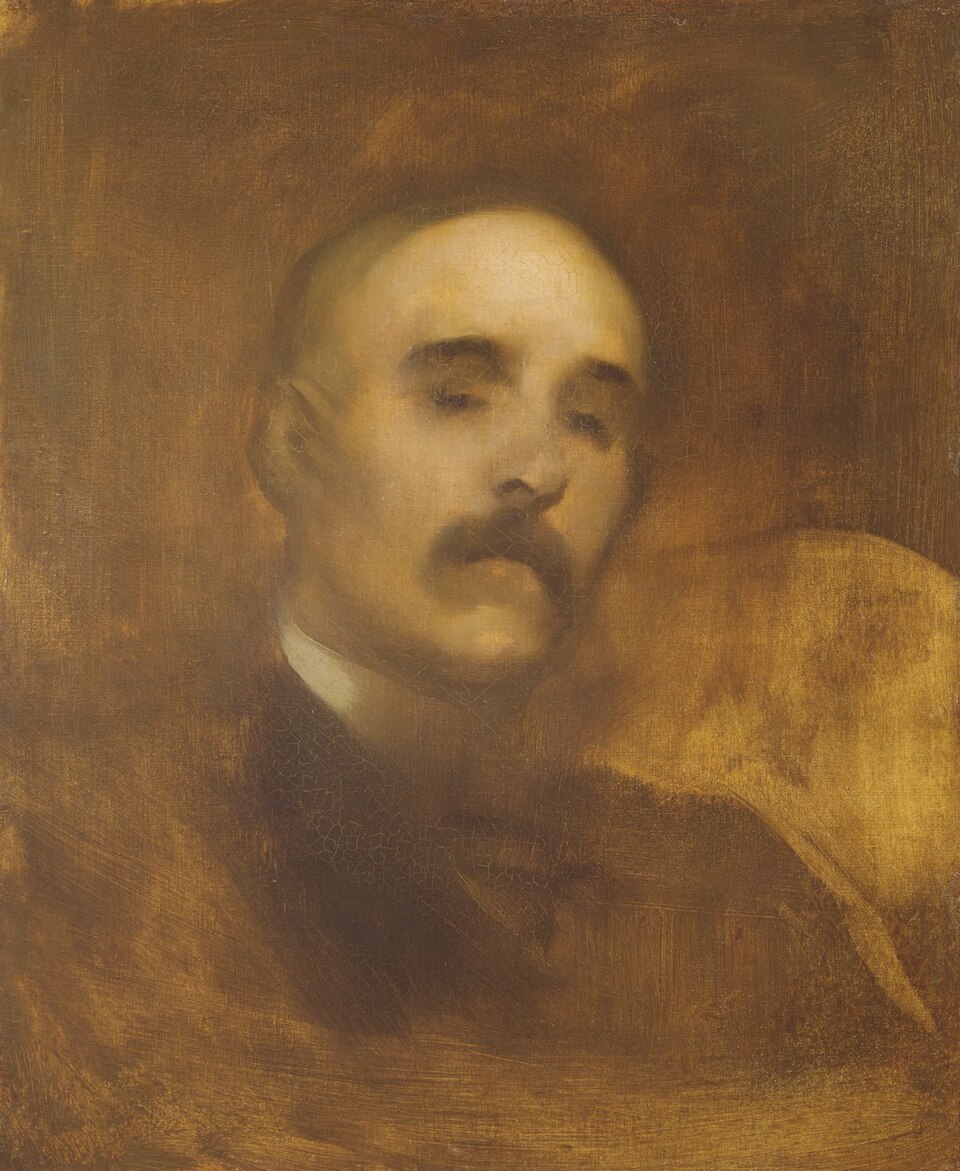
—In February 1919, an anarchist shot you at point-blank range. How did you survive that at seventy-seven?
On February 19, 1919, I was getting into a car when Émile Cottin emptied his magazine — seven bullets. One lodged near the lung; it was never removed, I kept it inside me like a cumbersome souvenir. A few days later, I was back at work: the task of peace could not wait. I only regretted, as a former doctor, that the boy shot so poorly — seven shots at point-blank to only half pierce me, that deserved a few weeks of shooting lessons. They credited me with a shell; I had only obstinacy. At my age, you don't die from a bullet, you die from giving up.
—Far from the battlefields, there is Monet. Where does this friendship with the painter of the Water Lilies come from?
Claude Monet was the rest of my fighting life. I went to see him at Giverny — dozens of times, over the decades — and before his ponds I became a simple man again, almost a child. When cataracts threatened to blind him and despair to stop him, I pushed him, begged him, ordered him to paint still. The Water Lilies were born of this two-man perseverance. Then I used all my weight to get the State to accept the donation of these canvases and build them a setting at the Orangerie. France knew I had won a war; I also wanted to leave her a little light on the water.
I also wanted to leave her a little light on the water.
—Here you are retired from politics, writing and meditating. What are you seeking in these last years?
Since my defeat for the presidency in 1920, I have laid down my parliamentary arms and taken up the pen differently. I wrote about my friend Monet, and a book, Au soir de la pensée, where I turn over the great questions: science, matter, what becomes of us. In my apartment on Rue Franklin, cluttered with books like a trench with sandbags, I still rise at dawn, black coffee and newspapers. An old doctor remains a doctor: I watch my own end with curiosity more than fear. I have asked to be buried standing up, in Vendée, facing east. Even lying down, I intend to stay upright.
This imaginary interview was generated by artificial intelligence from sources documented in Georges Clemenceau's profile. It dramatises what the figure might have said based on what we know about them, but does not constitute attested historical testimony. For primary sources and factual documentation, refer to the full profile.