Kids interview Georges Clemenceau
by Charactorium · Georges Clemenceau (1841 — 1929) · Politics · 5 min read
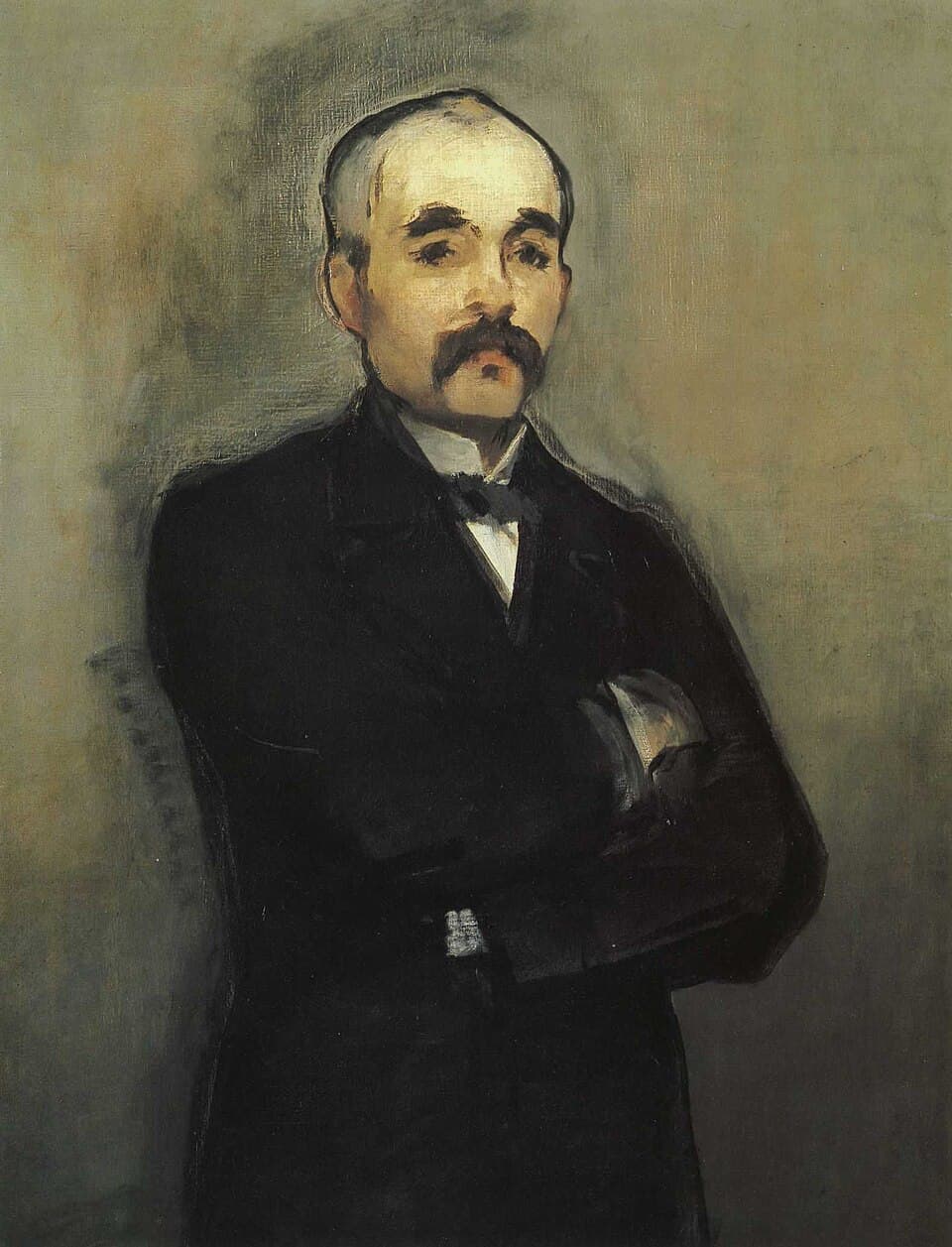
That morning, two fifth-graders on a school trip push open the door of the Clemenceau Museum on Rue Franklin in Paris. An old gentleman with grey gloves is waiting for them, his eyes sharp and mischievous. He invites them to sit and confesses that he loves nothing more than children's questions.
—Is it true they called you 'the Tiger'? Why a ferocious animal name?
You know, my child, it wasn't a compliment! They called me the Tiger because of my temper. When a government was doing a bad job, I would go up to the podium and attack it with cutting words. I brought down sixteen of them! They also called me the ministry-toppler. Imagine a man who spends his days writing angry articles against the powerful. I always wore my grey gloves, because of eczema that burned my hands. But I never bit for pleasure. I wanted a Republic that was just and strong. A tiger, you see, protects its territory. Mine was freedom.
—Someone told me you fought a duel. Is that true?
Ah, the duel! In my day, when two politicians truly hated each other, they sometimes settled it with pistols. In 1892, I fought against a certain Paul Déroulède. Imagine two men in a meadow, at dawn, face to face, a weapon in hand. We fired… and we both missed! I said then: 'We aimed like parliamentarians.' That was my way of laughing at ourselves. You see, even in a dangerous moment, I loved humor. But remember one thing: a brave man doesn't need to kill to be right.
—Before the war, what did you do? I heard about a newspaper.
Now I'll share a journalist's secret with you. I ran a daily called L'Aurore. A great writer, Émile Zola, had brought me an enormous letter defending an officer wrongly accused, Captain Dreyfus. That letter had no title. I chose the two words printed in large type on January 13, 1898: 'J'accuse…! ' Imagine those words shouted on every wall in Paris at dawn. That morning, the paper sold hundreds of thousands of copies. Two little words shook an entire country. That's the power of a sheet of paper.
Two little words shook an entire country.
—But defending Dreyfus was risky for you, wasn't it?
You're right, it was risky. Defending Dreyfus at that time meant making a lot of enemies. A Dreyfusard was someone who demanded a new trial for that captain wrongly convicted of treason. Many people insulted us in the street. But you see, I couldn't stand seeing an innocent man imprisoned just to cover up a mistake. Imagine being accused of a fault you didn't commit, and no one wants to believe you. It's terrible. So I wrote, again and again, in L'Aurore. Justice is never given freely. You have to fight for it, sometimes for years.
—How old were you when they asked you to lead the war?
I was 76 years old, my child! An age when many men rest by the fire. It was in November 1917. The war had been going on for three years, and France was exhausted, discouraged. The president called me to become head of government, what they called President of the Council. Many thought I was too old. But I felt a terrible energy burning inside me. Imagine an old lion everyone thinks is asleep suddenly rising up. I told the French: hold on, we will win. Soon they nicknamed me Father Victory. Age, you know, doesn't matter. It's the flame inside that counts.
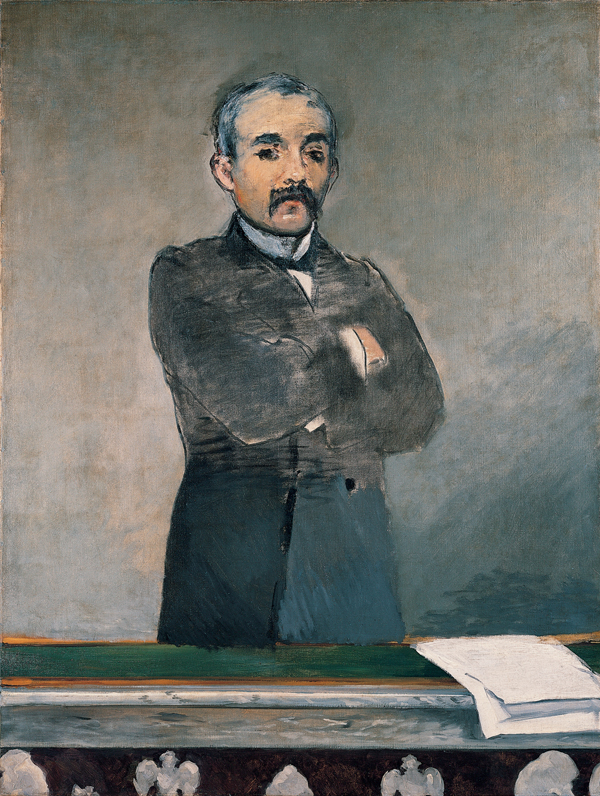
—Is it true you went to see the soldiers in the trenches?
Yes, and I valued that above all else! Many leaders stayed warm in their offices. Not me. I went up to the trenches, in Picardy, in Champagne, those long muddy ditches where the soldiers lived. They were called the poilus, because of their shaggy beards. Imagine the freezing mud, the sound of cannons nearby, the smell of turned earth. And there, an old man over 75 would come shake their hands. It made them laugh, it warmed their hearts. I wanted them to know one thing: their leader was not abandoning them. You don't command men from afar.
—How did you give courage to the whole country?
With words, always words! One day in March 1918, before all the deputies, I hammered out a simple phrase, repeated like a drum: 'I wage war. ' Domestic policy? I wage war. Foreign policy? I wage war. Imagine a man striking the table three times so no one ever forgets. I wanted there to be no more doubt: we would go all the way. Those who wanted to give up, the defeatists, I fought without mercy. You know, in terrible times, people need a firm voice. A frightened nation is like a child in the dark: you have to speak to it with assurance.
—Why did you choose a hall full of mirrors to sign the peace?
Ah, that choice I made deliberately, with my heart! You need to know the history. In 1871, when I was young, France had been crushed by Germany. And the Germans proclaimed their empire in our country, in the magnificent Hall of Mirrors at the Palace of Versailles. A terrible humiliation. So, almost fifty years later, on June 28, 1919, I wanted to sign the peace in that same hall. Imagine: erasing a wound at the very spot where it was inflicted. That was my revenge, calm and calculated. History, you see, has a very long memory. That day, I closed a wound that had been open since my youth.
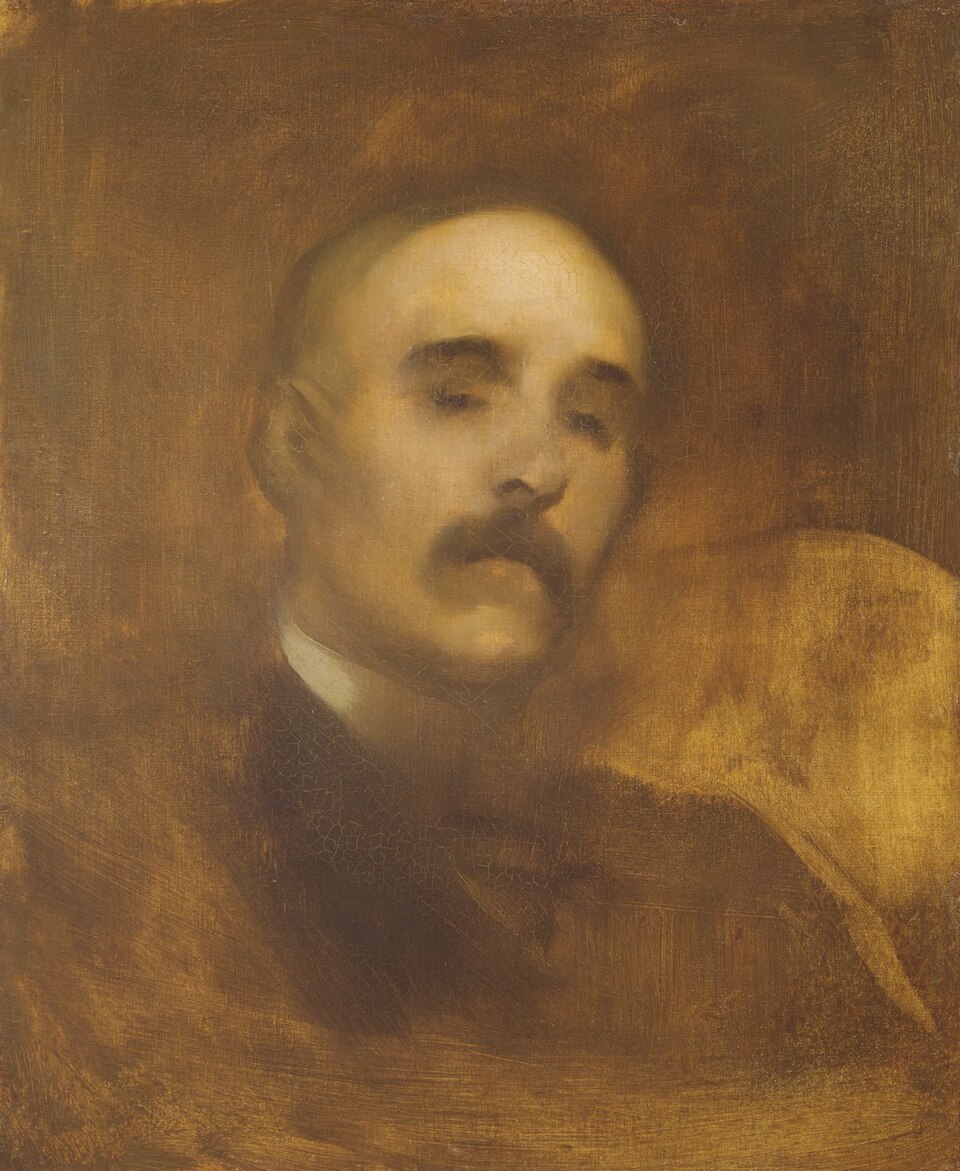
—Were you completely happy after winning the war?
Happy? Yes and no, my child. Victory was there, but my heart remained heavy. I negotiated the treaty for months with two other leaders, the American Wilson and the Englishman Lloyd George. We never agreed! Each wanted to protect his own country first. Later, I wrote this sentence in my memoirs: 'It is easier to make war than peace. ' Imagine: during war, everyone aims at the same enemy. But for peace, you have to convince friends who think differently. That's much harder. Deep down, I was afraid that this peace wouldn't last.
Building requires much more patience than destroying.
—And outside politics, did you have friends? Passions?
Yes, and what a beautiful friendship I had! My friend was Claude Monet, a genius painter. When politics gave me a break, I would go see him in his garden at Giverny. I went dozens of times! Imagine a large garden full of flowers, with a pond covered in water flowers called nymphéas. Monet painted them endlessly, on enormous canvases. I pushed him to offer them to France, and I did everything to have them installed in Paris, at the Orangerie. You see, a man is not made only of battles. I also loved beauty, colors, friendship.
A man is not made only of battles.
—Now that we're listening to you, what would you like us to remember about you?
What a beautiful question to end with! At the end of my life, retired from politics, I wrote a book of reflection, At the Evening of Thought, in 1927. I was searching for the meaning of things, like an old sage by the fire. And do you know how I wanted to be buried? Standing up! Yes, standing up, in my native Vendée, facing the horizon. Not lying down like everyone else. Imagine a man who wants to stay upright even in death. If you remember only one thing about me, my children, let it be this: stand up straight. Defend what is just, laugh at your enemies, love beauty.
Stand up straight and never bow your spine before injustice.
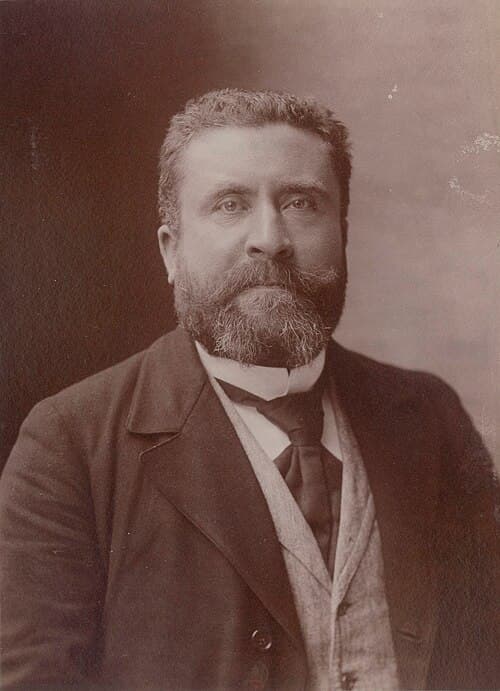
This imaginary interview was generated by artificial intelligence from sources documented in Georges Clemenceau's profile. It dramatises what the figure might have said based on what we know about them, but does not constitute attested historical testimony. For primary sources and factual documentation, refer to the full profile.