Imaginary dialogue between Jason and Hercules
by Charactorium · Hercules · Mythology · 6 min read
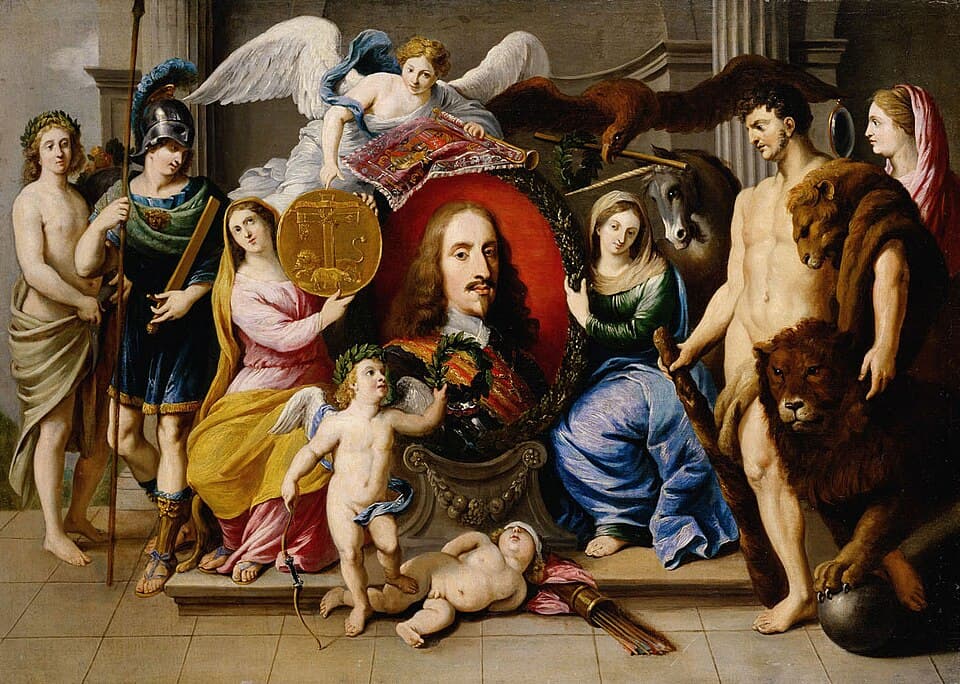
It is under the awning of a royal dwelling in Tiryns, at the hour when the dust of the road settles, that Jason meets his former companion of the Argo. The skin of the Nemean lion dries on a stone bench, and the club rests against the wall like a familiar guest. The two men shared the deck of the ship bound for the Golden Fleece; Jason knows the strength of Heracles, but tonight he comes seeking the man behind the exploits. A cup of wine mixed with water between them, he begins to question him.
—Brother in arms, they say you serve King Eurystheus here, in Tiryns. You, son of Zeus? Explain this servitude to me.
You touch, Jason, on what burns me most. I serve not out of weakness, but for atonement. In my madness — that which Hera poured into my mind — I killed those I loved with my own hands. No strength washes away such blood. The oracle spoke: twelve labors, imposed by Eurystheus, that timid king who hides in a jar when I bring back my prizes. These chains I wear willingly. A man can lift a burden thrown upon him; it takes a hero to lift the one he inflicts on himself. Each completed labor is a part of my fault that I return to the gods. You who saw me row without respite know that I do not abandon a task once begun.
A man lifts a burden thrown upon him; it takes a hero to lift the one he inflicts on himself.
—That skin drying there is the Nemean lion. Tell me how one kills a beast that bronze cannot bite.
My arrows ricocheted off its flank like off a rock, Jason. My sword bent. That day, I understood that my weapons were worthless and that only my arms remained. I cornered it in its cave with two exits, blocked one, and took it by the throat. I squeezed until its breath died against my chest. Its own claw served to flay it — nothing else pierced that hide. That is why I wear it: no missile can now pierce me. But do not think everything is settled by arms. Against the Lernaean Hydra, my blows only multiplied its heads. There I had to call upon fire to cauterize each severed neck.
My weapons were worthless; only my arms remained.
—Speaking of the Hydra: it is whispered that you did not conquer it alone, that the fire was breathed for you by another. Did strength suffice?
Strength alone would have drowned me in that marsh, I confess to you alone. Each head I cut off grew two more; I lost ground as I struck. I had to change my mind, not my muscle. Fire on the stump before the flesh regrew — that is what killed the beast, not my blows. The immortal head I buried under a rock, for some things do not die, they are only buried. That day I learned that courage without cunning is but a bull charging a wall. You who led so many stubborn men toward a single goal know this lesson better than anyone: a head is needed to guide the arms.
Courage without cunning is but a bull charging a wall.
—On the Argo, I saw you alone empty the stores of an entire crew. Tell me truly, how does a body like yours live?
You remember those nights when others rationed, and I devoured like ten? It is not gluttony, Jason, it is necessity. A body that strangles lions must be fed like a forge. I rise before dawn for wrestling and weapons practice, purify myself with cold water, then eat game, barley bread, fruits, and I cut my wine with water to keep a clear mind. I have no palace of my own: I walk, and royal houses open their doors to me at evening, out of fear or honor. My home is the road between two labors. A king's bed tonight, bare stone tomorrow — the wanderer clings to no roof.
A body that strangles lions must be fed like a forge.
—When the king sends you to fetch the golden-horned hind or the Erymanthian boar, do you never fear that a labor may finally surpass your strength?
Fear I know, but it does not command my steps. The Ceryneian hind I pursued for an entire year without wounding her, for she belongs to Artemis and the goddess would have punished me for a single drop of blood. There, the patience of a hunter was needed, not fury. The boar I exhausted in the snow before binding it alive. You see, Jason, each labor teaches me a different virtue: sometimes patience, sometimes restraint, sometimes pure endurance. Eurystheus thinks to humiliate me by multiplying the impossible; he only forges me. What I dread is not the beast before me — it is the offended god behind it. A mortal may defeat a monster; no one triumphs over an angry deity.
A mortal may defeat a monster; no one triumphs over an angry deity.
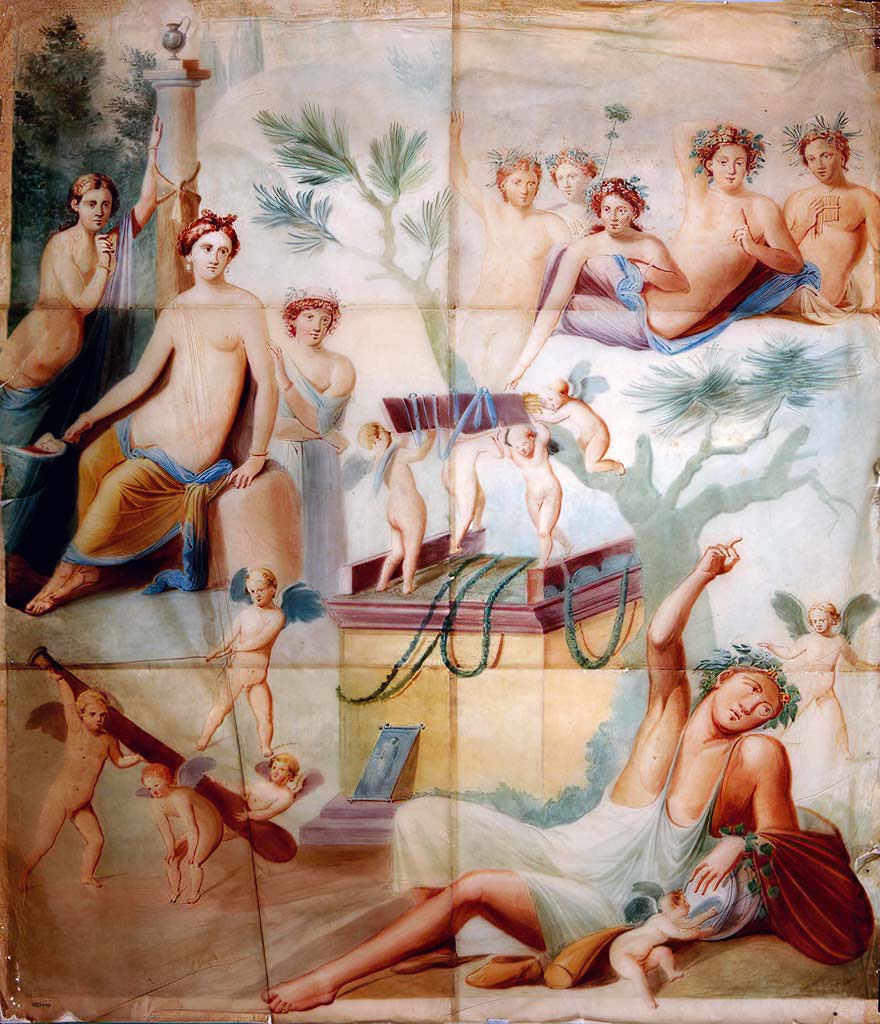
—They say that beyond the beasts, your name already protects travelers and athletes on the roads. Do you sense this cult growing around you?
I sense it from the offerings left on my path, Jason, and it surprises me as much as you. Men who walk alone invoke me against brigands, and those who compete in games call upon my vigor. They even say I founded contests at Olympia in honor of Zeus, my father — to give thanks after a victory. I did not seek to be prayed to; I only wanted to rid the earth of its plagues. But perhaps this is the fate of a son of a god: to leave behind more than a lion's pelt. The roads I have cleared of monsters, others will travel in peace. That is a more lasting glory than the skin I wear.
I did not seek to be prayed to; I wanted to rid the earth of its plagues.
—The last labor, they say, will take you to the Underworld to fetch Cerberus. How does a living man dare cross the gate of the dead?
You ask the question I ask myself, my friend. To descend alive where no one returns — that is the labor surpassing all others. It is no longer a monster of marshes or mountains: it is the very realm of shadow, guarded by a three-mouthed dog. Eurystheus chose this task believing he would never see me again. But I have taken up my club and lion skin as armor, determined to bring the beast to daylight without shedding its blood, subduing it with my arms alone. If I return, Jason, no earthly labor will ever make me tremble again. He who has seen the face of death and seized it by the throat fears nothing that still breathes.
To descend alive where no one returns — that is the labor surpassing all others.
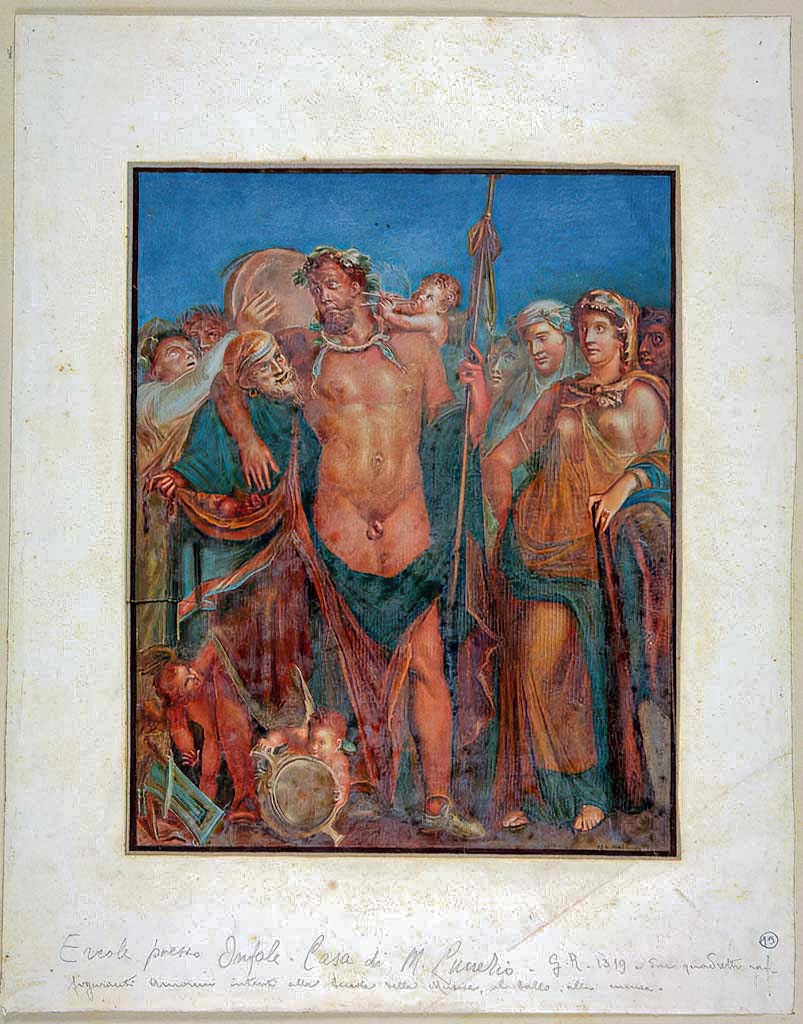
—A darker question, brother: you speak of atonement and endless labors. Do you believe a mortal can, through his trials, earn more than the grave?
That is the secret hope I confess only to a companion like you, Jason. They say my father Zeus watches, and that the suffering of a son is not lost on the gods. If I endure to the end — madness, grief, the twelve burdens — perhaps the Olympians will judge my penance heavy enough to snatch me from nothingness. I do not claim a throne among them; I only ask that so many trials have meaning. An ordinary man descends to Hades and dissolves. But he who has borne more than his share, who has returned to the gods every drop of his fault, does he not deserve that death loosen its grip a little? I walk toward the pyre of my life not knowing if it will be ash or beginning.
I walk not knowing if the pyre of my life will be ash or beginning.
—Before night falls, tell me: this club against the wall, this bow, this skin — which of these companions resembles you most?
The club, without hesitation. The bow serves me against the birds of Lake Stymphalus and beasts I cannot approach; I respect it. The lion skin protects me and tells men who I am before I speak. But the club I carved myself from a wild olive tree, and it is worth only the arm that lifts it. It has neither cunning nor finesse — like me, sometimes. It strikes once, truly, and what must fall falls. Remember, on the Argo, when I broke my oar from pulling too hard: I am like that, I give everything at once and break rather than bend. These three companions tell of my victories; the club tells of my nature.
These three companions tell of my victories; the club tells of my nature.
—One last thing, companion: will the poets sing of you, do you think, as they already sing of our quest for the Fleece?
Who can know what the bards will keep, Jason? I do not fight for the song, but I am not foolish: I see that painters already cover vases with my labors, and children imitate the strangling of the lion. If my name survives, let it serve as an example: not that a strong man crushes everything, but that a burdened man can rise twelve times. Let other peoples even take me under another name, I see no dishonor in that — virtue belongs to no language. You and I shared the same oar; our stories may mingle in the mouths of poets. And if one thing alone must be remembered of me, let it be this: I carried my fault to the end without fleeing it.
Let it be remembered: I carried my fault to the end without fleeing it.
This imaginary interview was generated by artificial intelligence from sources documented in Hercules's profile. It dramatises what the figure might have said based on what we know about them, but does not constitute attested historical testimony. For primary sources and factual documentation, refer to the full profile.