Kids interview Hercules
by Charactorium · Hercules · Mythology · 4 min read
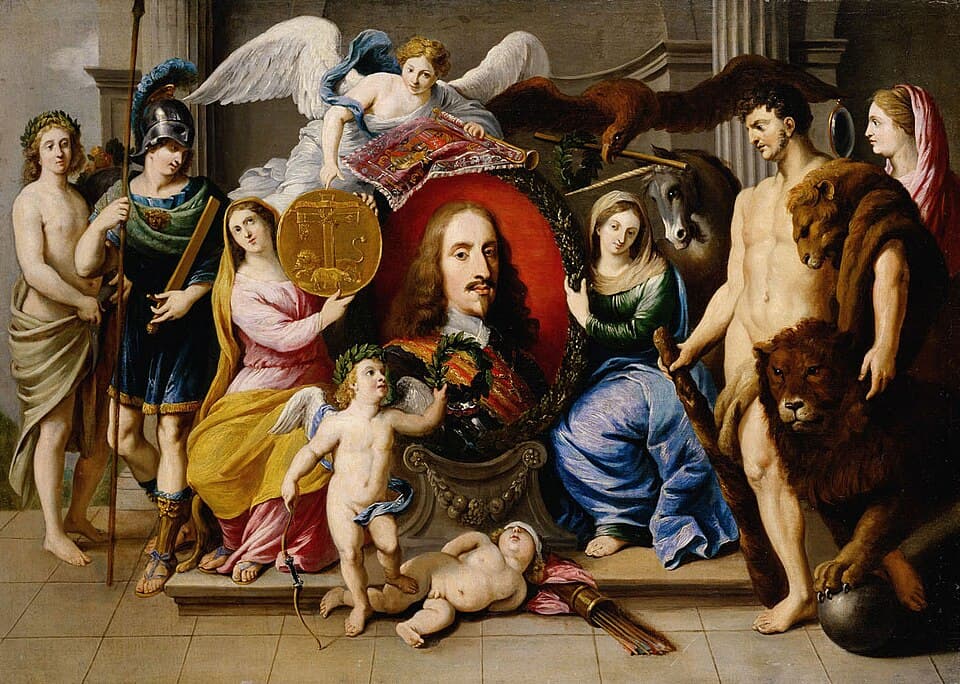
Two twelve-year-old students visit an exhibition on Greek heroes. In front of a large statue wearing a lion skin, one of them dares to ask a question out loud. And the statue, softly, begins to answer.
—What was your very first labor? Were you scared?
My child, my first labor was the Nemean Lion. Imagine a huge beast, whose skin was so tough that no arrow, no blade could pierce it. I tried my weapons, in vain. So I understood: I had to use only my hands. I held it against me, with all my strength, until it stopped breathing. Scared? A little, yes. But when you have no choice, courage comes on its own. Afterwards I kept its fur on my shoulders. It was my first labor, and my first sign of victory.
When you have no choice, courage comes on its own.
—They say a monster had lots of heads. How do you beat something like that?
Ah, you're talking about the Lernaean Hydra! Imagine a giant serpent that lives in a swamp. The trick is that every time I cut off one head, two more grew back in its place. You cut, and your enemy becomes stronger! I quickly saw that my club wasn't enough. So, with the help of a companion, I burned each wound with a flaming torch, to prevent the heads from coming back. Burning a wound to close it, that's called cauterizing. That day, I learned one thing: strength is worthless without cunning.
Strength is worthless without cunning.
—Is it true you went down to the land of the dead? What was it like?
Yes, my child, and it was my twelfth and final labor. I was asked to bring back Cerberus, the dog that guards the gate of the Underworld. Imagine a dog with three heads, growling in the dark, where all the shadows of the dead descend. The underground realm is cold, silent, without sun. I had to subdue him alive, without weapons, to carry him into the daylight. You know, few mortals have gone there and returned. When I saw the sky again, I held that chance close to me like a treasure.
—But why did you have to do all these labors, really?
That's a serious question, my child, and I will answer you without lying. In a moment of madness, I had harmed my own family. A terrible misfortune, for which I bore the guilt. The Twelve Labors were my way of paying, of atoning — that is, of repairing a fault through effort and hardship. The goddess Hera, who did not like me, wanted to see me fail. But I saw each labor as a step toward forgiveness. You cannot erase a fault. But you can choose, every day, what you make of it.
You cannot erase a fault, but you can choose what you make of it.
—And who gave you your orders? Did you agree?
My orders came from King Eurystheus, who ruled from his citadel of Tiryns. He chose each labor, one after another. Did I agree? Not always, believe me. Imagine having to obey a man far weaker than you, who trembled even when I brought back a live beast! But I had agreed to submit, like a servant bound by his word. It was my share of servitude, the price of my redemption. Obeying when you are the strongest, you see, that is sometimes the real labor.
—In pictures, you always have a big club and an animal skin. Why?
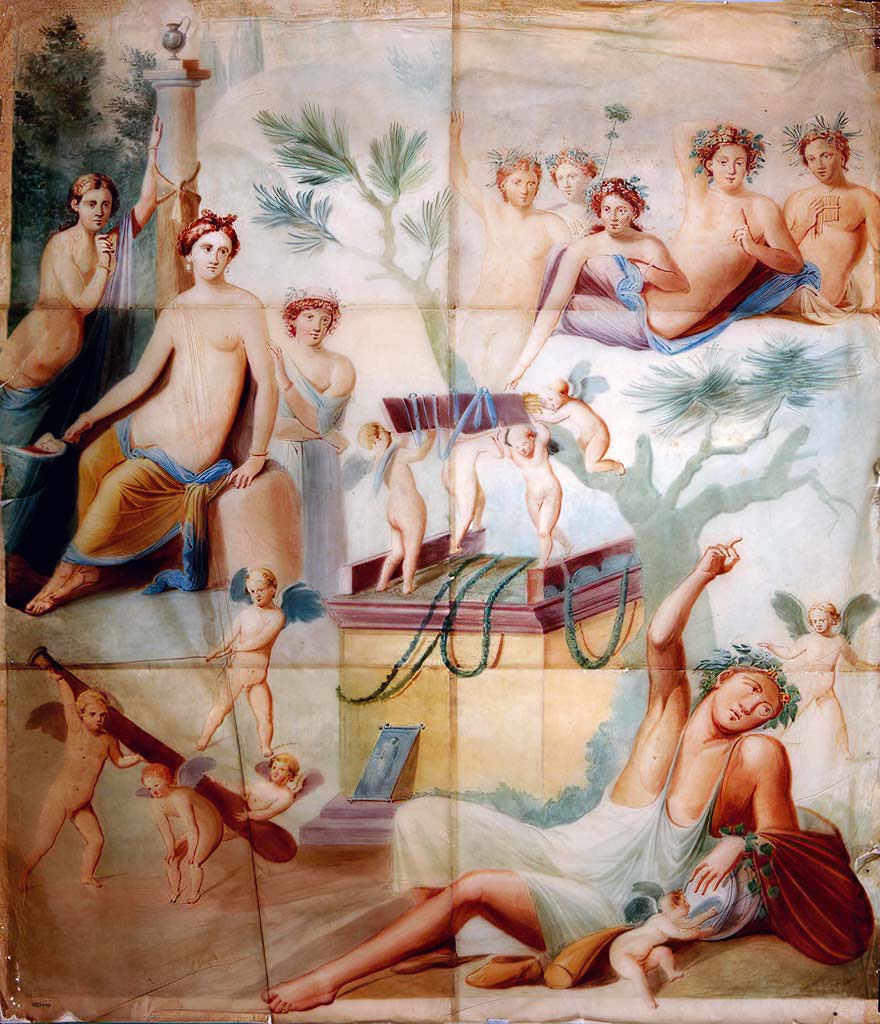
You have a sharp eye! That big club is my club, carved from hard wood. It strikes hard, and it never breaks. And the animal skin is the fur of the Nemean Lion, from my first labor. I wear it on my shoulders like a cloak, and sometimes its head serves as my helmet. You know, these two objects are my signs. When people see them, they immediately know it's me. A hero, my child, is recognized by what he carries on him.
A hero is recognized by what he carries on him.
—Did you fight only with your bare hands, or did you have other weapons?
Oh, I didn't fight only with my fists, my child! I also had my bow and arrows. They served me well, for example against the birds of Lake Stymphalus, creatures that attacked from the sky. You see, against a flying beast, neither club nor hands suffice: you need to aim from afar. Each labor required a different weapon, a different idea. That's why a warrior must know how to do everything. Strike close, aim far, and above all: choose the right tool for the right enemy.
—How did you die? Is it sad to tell?
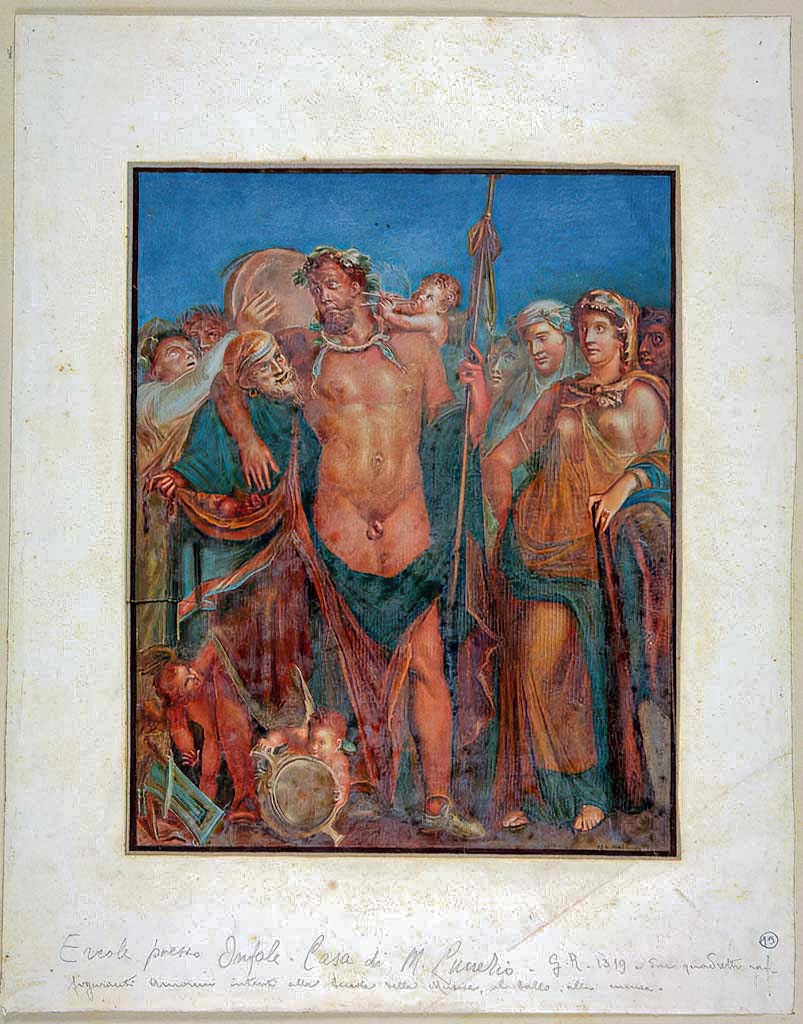
It's a sad story, yes, but I will tell you. My wife Deianira loved me, and she feared losing me. She was given a tunic, and was sworn that it would keep my heart faithful. But that garment was poisoned. When I put it on, a terrible burning seized me, with nothing to stop it. So I built a great pyre on Mount Oeta, and I climbed onto it myself. You see, I chose to leave standing, as I had lived. Even the end, a hero can face it head-on.
Even the end, a hero can face it head-on.
—And after the pyre, what happened to you?
Here is the most beautiful part, my child. The flames burned my mortal part, but not all of me. My father, great Zeus, raised me up to Olympus, the mountain where the gods live. There, I received immortality — that is, I would never die again. This is called apotheosis: when a man becomes a god. Imagine: I who had suffered so much, toiled so hard, finally joined those above. You see, all those labors were not for nothing. Courage and effort can lift a mortal to the stars.
Courage and effort can lift a mortal to the stars.
—Did people remember you afterwards? Everywhere the same?
Oh yes, and it still moves me! Throughout Greece, I was honored as protector of travelers and athletes. It was even said that I founded the Olympic Games, those great competitions in honor of my father Zeus. Then the Romans adopted me in turn, calling me Hercules. Imagine: a single hero, celebrated by several peoples, in different languages, for centuries! That children like you still know my name today, that is my greatest victory. A hero lives as long as his story is told.
A hero lives as long as his story is told.
This imaginary interview was generated by artificial intelligence from sources documented in Hercules's profile. It dramatises what the figure might have said based on what we know about them, but does not constitute attested historical testimony. For primary sources and factual documentation, refer to the full profile.