Imaginary interview with Ida B. Wells
by Charactorium · Ida B. Wells (1862 — 1931) · Society · Politics · Literature · 6 min read
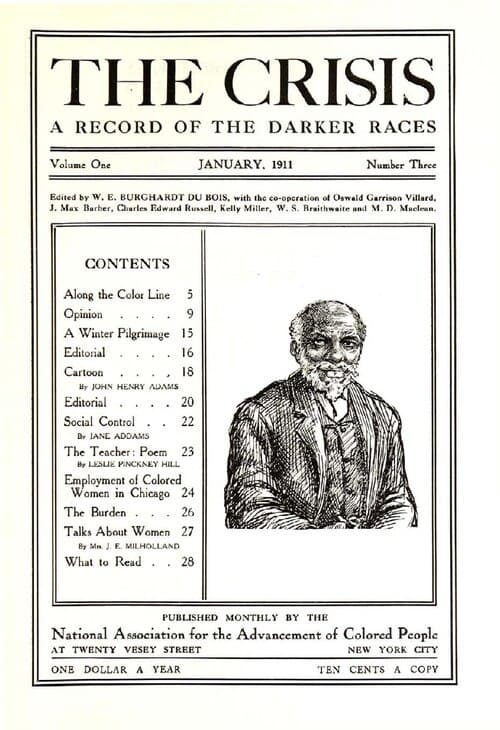
Chicago, a winter evening in the 1920s, in the Bronzeville neighborhood. Ida B. Wells receives us in her living room, a stack of newspaper clippings within reach and her investigator's notebook never far. Her voice is firm, her eye penetrating: that of a woman who has spent her life counting the dead that others wanted to sweep under the rug.
—Before the lynchings, before the investigations, there was a train. Do you remember that day in 1884?
I remember it like a burn. I had paid for a first-class ticket on the line between Memphis and Nashville, dressed neatly, gloves on, and the conductor ordered me to the so-called 'colored' car, crowded, smoky, unworthy. I refused. I held onto my seat with all my strength, and it took three men to tear me away — I think I left my teeth in one of their hands. I sued, and the court initially ruled in my favor: five hundred dollars. The Tennessee Supreme Court overturned that ruling five years later. I understood that day that a law can be one thing and justice another.
A law can be one thing and justice another.
—They say a single event in 1892 changed your life. Which one?
The murder of Thomas Moss. Thomas ran a successful grocery store in Memphis, he was my friend, the godfather of my goddaughter. His only crime was being more successful than the white merchants in the neighborhood. One night in March, a mob dragged him out of town and shot him down like an animal. That's when the veil was torn: I had believed, like so many others, that lynching punished crimes. I saw that it punished a Black man's success. I took my notebook, and I never stopped writing. In my columns in the Free Speech, I told the people of Memphis to pack up, to head West, since this city protected neither their lives nor their property.
I believed that lynching punished crimes. I saw that it punished a Black man's success.
—Your newspaper was destroyed soon after. How did you experience that forced exile?
I had left for New York when the news reached me: my press smashed to pieces, the Free Speech offices ransacked, and a warning that I would be killed if I ever set foot in the South again. I wrote it bluntly in my memoirs: "The destruction of my paper and the threats of death changed that. I went to New York." They thought they could silence me by breaking my printing press; they only made me furious. That same year I published Southern Horrors, my first major investigation. I dared to write what no one said aloud: "Nobody in this section of the country believes the old thread-bare lie that Negro men rape white women." They had taken my city; they would not take my pen.
They thought they could silence me by breaking my printing press; they only made me furious.
—You could have settled for indignation. Why did you choose numbers?
Because indignation is forgotten; a table of figures cannot be denied. For The Red Record, in 1895, I combed through white newspapers themselves — their own columns, their own confessions — and I compiled by hand tables: more than two thousand five hundred lynchings in ten years, by state, by year, by alleged motive. Each line bore a name, a date, a pretext. I wasn't asking to be taken at my word: I laid the evidence on the table. I wrote that the slave was once whipped to subdue him, but that with freedom had come a new system — "the Negro was not only whipped and scourged; he was killed." That is what investigative journalism could do: turn a convenient rumor into an accusatory ledger.
Indignation is forgotten; a table of figures cannot be denied.
—In 1900, you returned to the field, to New Orleans. What were you looking for?
The truth behind the word 'riot.' When the white mob swept through the Black neighborhoods of New Orleans, the press called it a disturbance, as if the violence had come from both sides equally. I went to see, witness by witness, and I published Mob Rule in New Orleans. I demanded a federal investigating commission, because this was no mere incident: I wrote that mob law had executed, without judge or jury, more than ten thousand men, women, and children in thirty years. My notebook and my pen were my only weapons as a reporter — and I assure you, a column of verified facts makes a governor tremble more than a cry of anger.
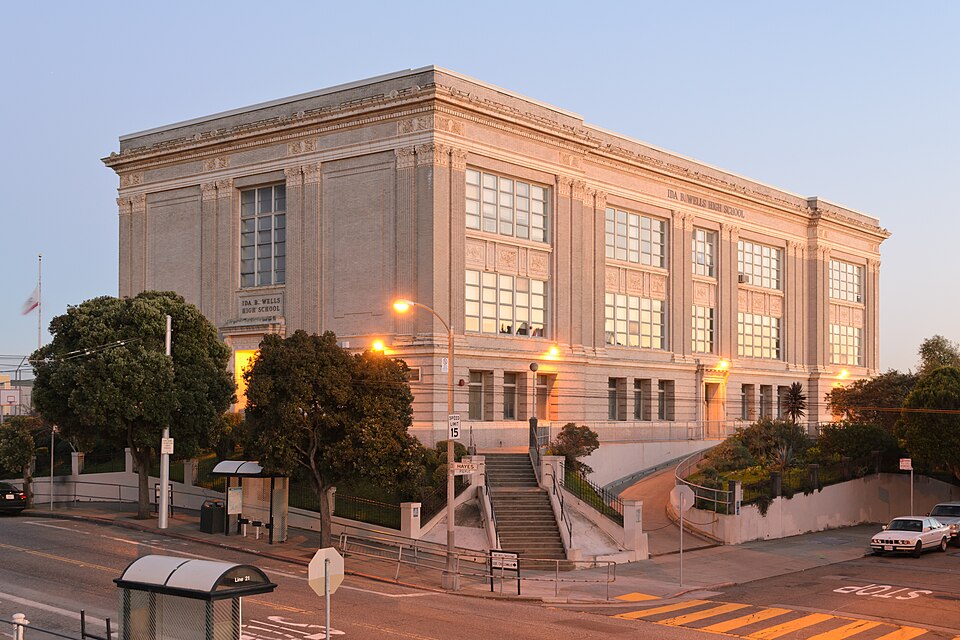
—They say you never went out without a weapon. Is that true?
It's true, and I don't hide it. After Thomas's murder, when threats were pouring in, I kept a revolver in my bag, and I had decided that if they came for me, I would sell my life dearly. In a country where the police look the other way and the mob acts as a court, self-defense is not bravado, it's a vital necessity. I wrote it in black and white: a Winchester in every Negro home would do more to settle the lynching question than all the conferences in the world. Let no one be mistaken — I would prefer the law to gunpowder a thousand times. But as long as the law refuses to protect my people, I refuse to ask them to bare their throats.
A Winchester in every home would do more against lynching than all the conferences in the world.
—This climate of terror — the Jim Crow laws, the daily fear — how would you describe it to someone who never knew it?
Imagine that every ordinary gesture — boarding a train, drinking from a fountain, succeeding in business — could be read as an insolence punishable by death. Since the end of Reconstruction in 1877, the South wove a net of regulations, the Jim Crow laws, that separate the cars, the schools, the hospitals, even the cemeteries. And above that legal net hovers the threat of the mob, which needs no law. I saw prosperous men become suspects simply because of their prosperity. That is why I kept my weapon, why I advised families to arm themselves: in that America, dignity and survival went hand in hand, and neither was given to us.
—To make yourself heard, you crossed the Atlantic. Why England?
Because America was plugging its ears, and a man never hears his own faults better than from the mouth of a stranger he respects. I made two tours to London, in 1893 and 1894. I mounted the platforms of chapels and learned societies, I distributed my pamphlets, I laid out my figures to a British public horrified to learn what the great American democracy tolerated. And the maneuver worked: the American newspapers, which had ignored me grandly, suddenly felt obliged to answer the reproaches from England. Lynching could no longer be treated as a family secret when all London was talking about it at breakfast.
A man never hears his faults better than from the mouth of a stranger he respects.
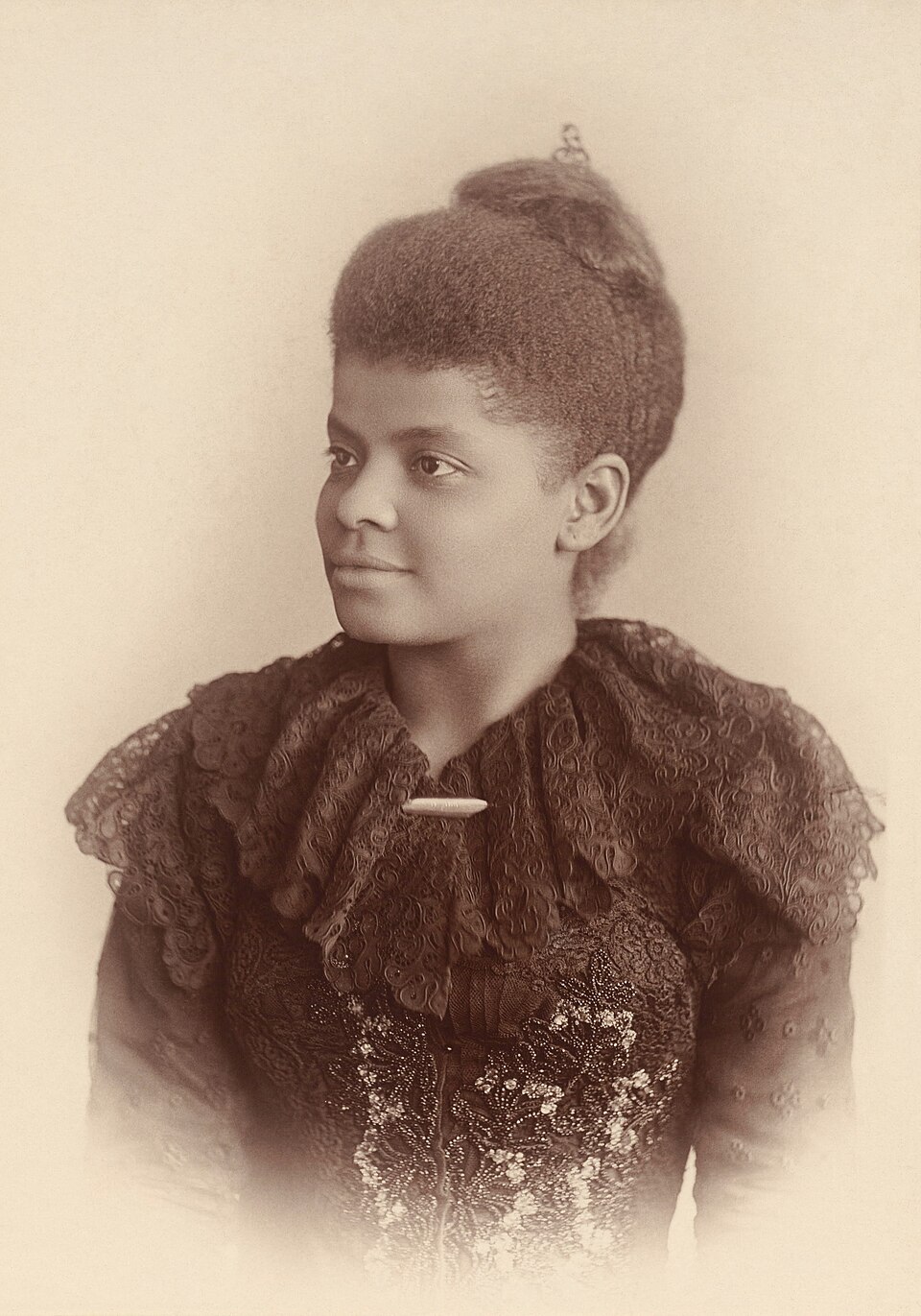
—Your newspaper, your printed voice, held a special place. What did the Black press mean to you?
It was our only faithful mirror. The white press reported our deaths as mere incidents, when it deigned to report them at all; the newspapers founded and run by our own people — the Free Speech I co-edited in Memphis, later the Chicago Defender — were the only voice that named the victims and declared their innocence. I learned the trade standing at a desk, writing my editorials in the early morning before heading to the newsroom. A community that does not own its ink does not own its story, and a community that does not own its story eventually disappears into that of others. That is why they smashed my press: they understood it was worth an army.
A community that does not own its ink does not own its story.
—In 1913, in Washington, you were asked to march at the back of the suffragette parade. What happened?
The white organizers asked me, along with the other Black women, to march separately, at the very end of the parade, so as not to offend the Southern delegates. I refused outright. I did not take the place assigned to me; I stood on the sidewalk, and when the Illinois delegation, my own, passed by, I stepped out and took my place among the marchers. No one dared to remove me. Women's suffrage was worth nothing if it had to be won by trampling on women of my color. In Washington, that day, as in 1884 on that train, I did the only thing I know how to do: refuse the place assigned to me.
I did the only thing I know how to do: refuse the place assigned to me.
—After so many battles, if you had to leave one last thing to those who will read you one day, what would it be?
That truth, patiently established, always ends up weighing more than lies, even the most convenient ones. I have spent my life gathering facts that others wanted to bury, and I have recorded this battle in my memoirs, this Crusade for Justice that I am writing now in the evening of my life. I ask for neither pity nor even social equality: nothing more than the same protection of the law as any other citizen. If I am read a century from now, I would like them to remember this: every name I inscribed in The Red Record was a human being, and the simple act of naming them was already an act of justice.
Truth, patiently established, always ends up weighing more than the most convenient lies.

This imaginary interview was generated by artificial intelligence from sources documented in Ida B. Wells's profile. It dramatises what the figure might have said based on what we know about them, but does not constitute attested historical testimony. For primary sources and factual documentation, refer to the full profile.